Doctor breaks down real reason that so many women have missed their periods this month

A wave of women on social media have been sharing the same experience with their menstrual cycles, claiming they missed or had delayed periods at the same time, sparking widespread speculation online.
With thousands of posts, views and comments, many users are searching for answers and wondering whether there is a bigger reason behind the trend.
Now, a women's health expert has weighed in to explain what could really be happening and why so many women may be noticing changes in their cycles at the same time.
Thousands of women report missing their periods
Over on TikTok, one post with more than 26,000 likes and thousands of shares has been flooded with comments from shocked users sharing similar experiences.
“That was universal,” one woman wrote in response to another user who described her experience.
Advert
“Um wtf... I missed my June period and got my period July 10th,” said another, as a third said: “So you’re telling me I wasn’t the only one having period cramps out of nowhere."
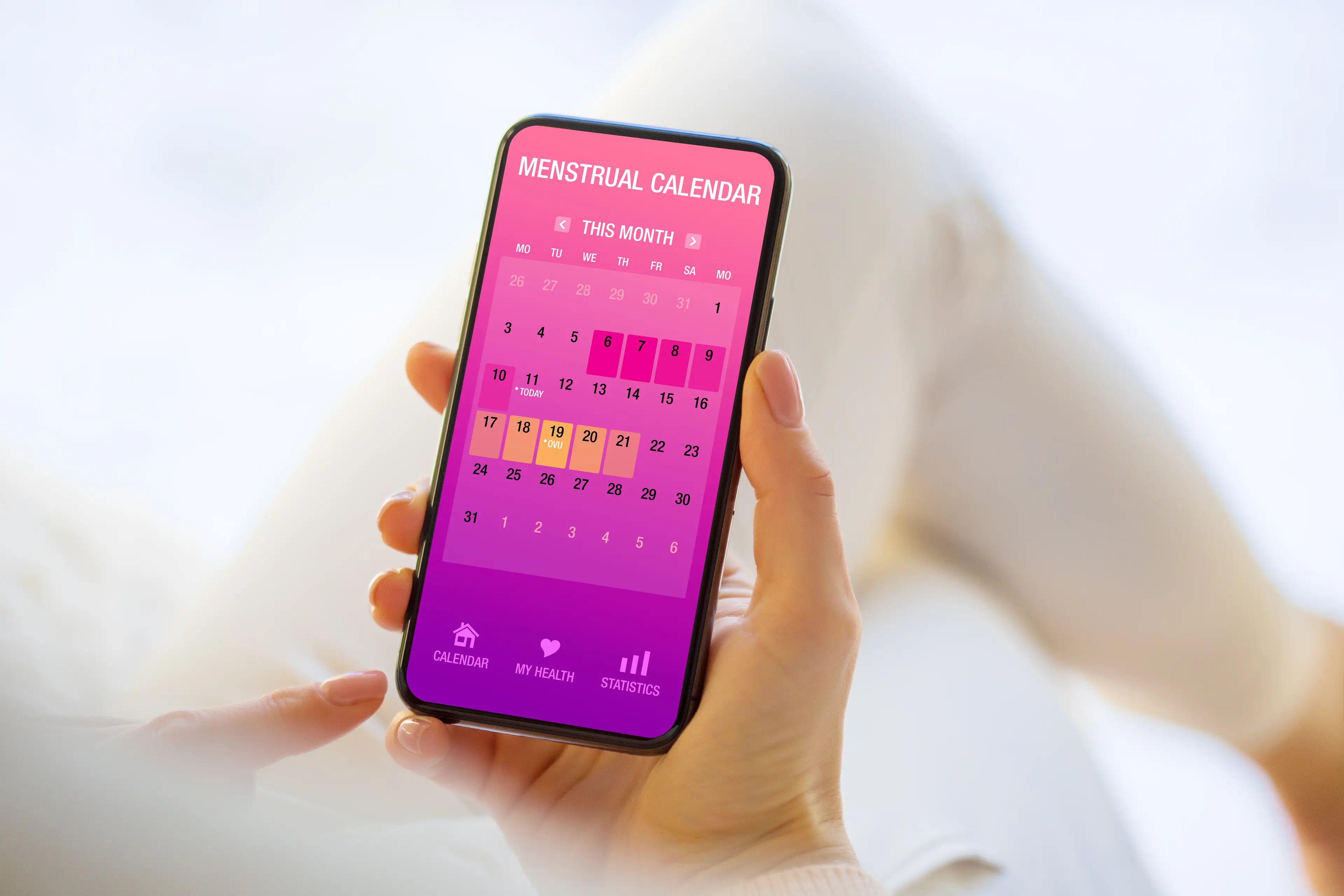
Thousands of women on the app say they experienced changes to their cycles, with many claiming they either missed their period in June or had two periods that appeared unusually close together.
“I had 2 periods in June,” one woman shared in the comments.
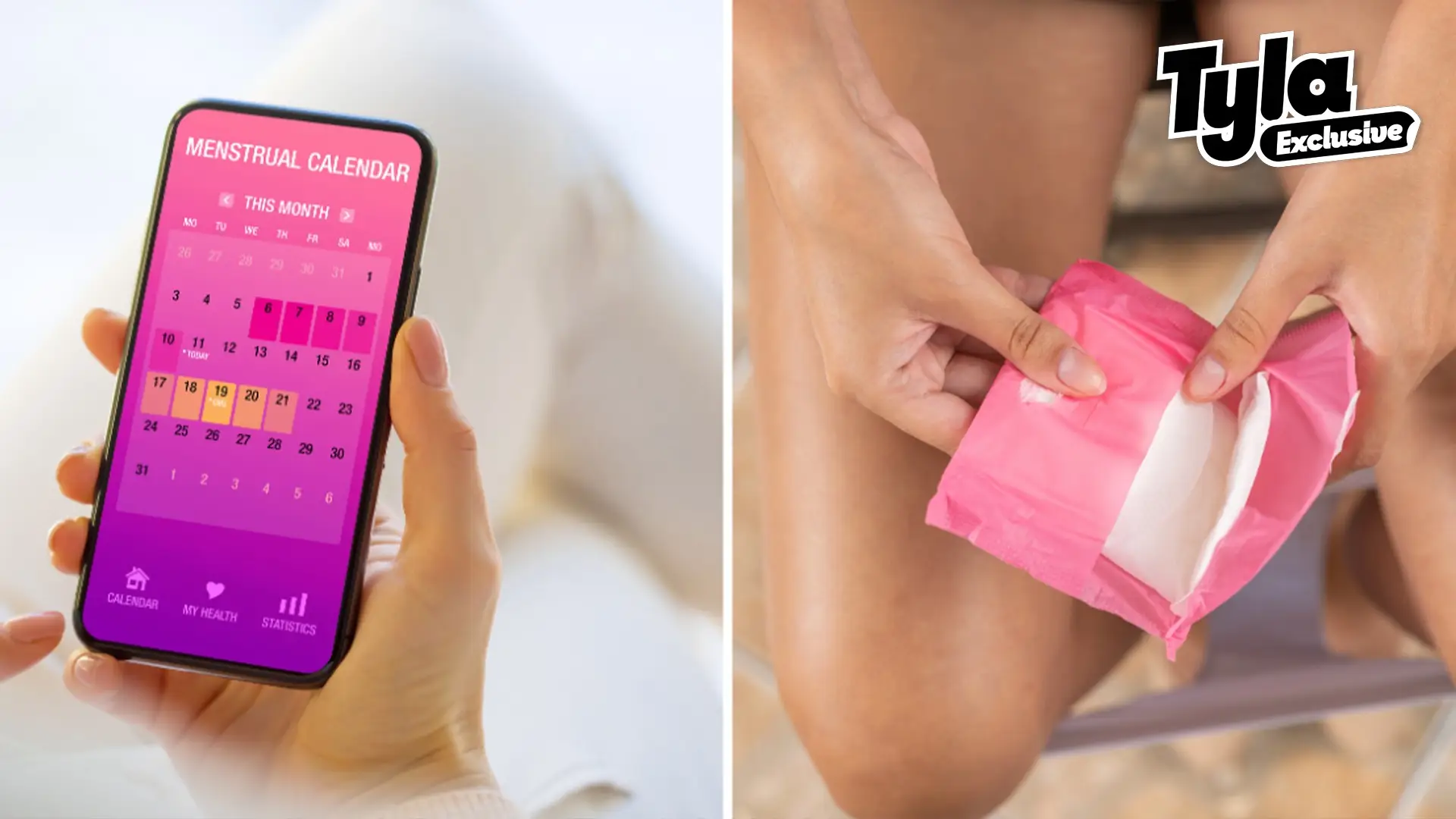
“I thought my cycle was just messed up from the heatwave,” added another, who posted her menstrual calendar, while others have said they are still waiting for their periods to arrive as of 13 July.
An expert's say in the phenomenon of missed periods
As speculation about the cause increases, a GP has spoken exclusively to Tyla about the most likely explanations.
“There has been increased discussion on social media about women experiencing either two periods in one month or missing a period entirely during June,” says Dr Ravina Bhanot, a women’s health GP and founder of The One Labs.
While the trend has left many women wondering whether there is a wider reason behind the apparent pattern, experts say there is currently no evidence that one single event has caused widespread changes to menstrual cycles across the UK.
“There is currently no scientific evidence that a single event caused a nationwide change in menstrual cycles across the UK,” Bhanot explains. “However, there are several biologically plausible factors that may have contributed to temporary menstrual disruption in some women.”
The effects of the recent heatwaves
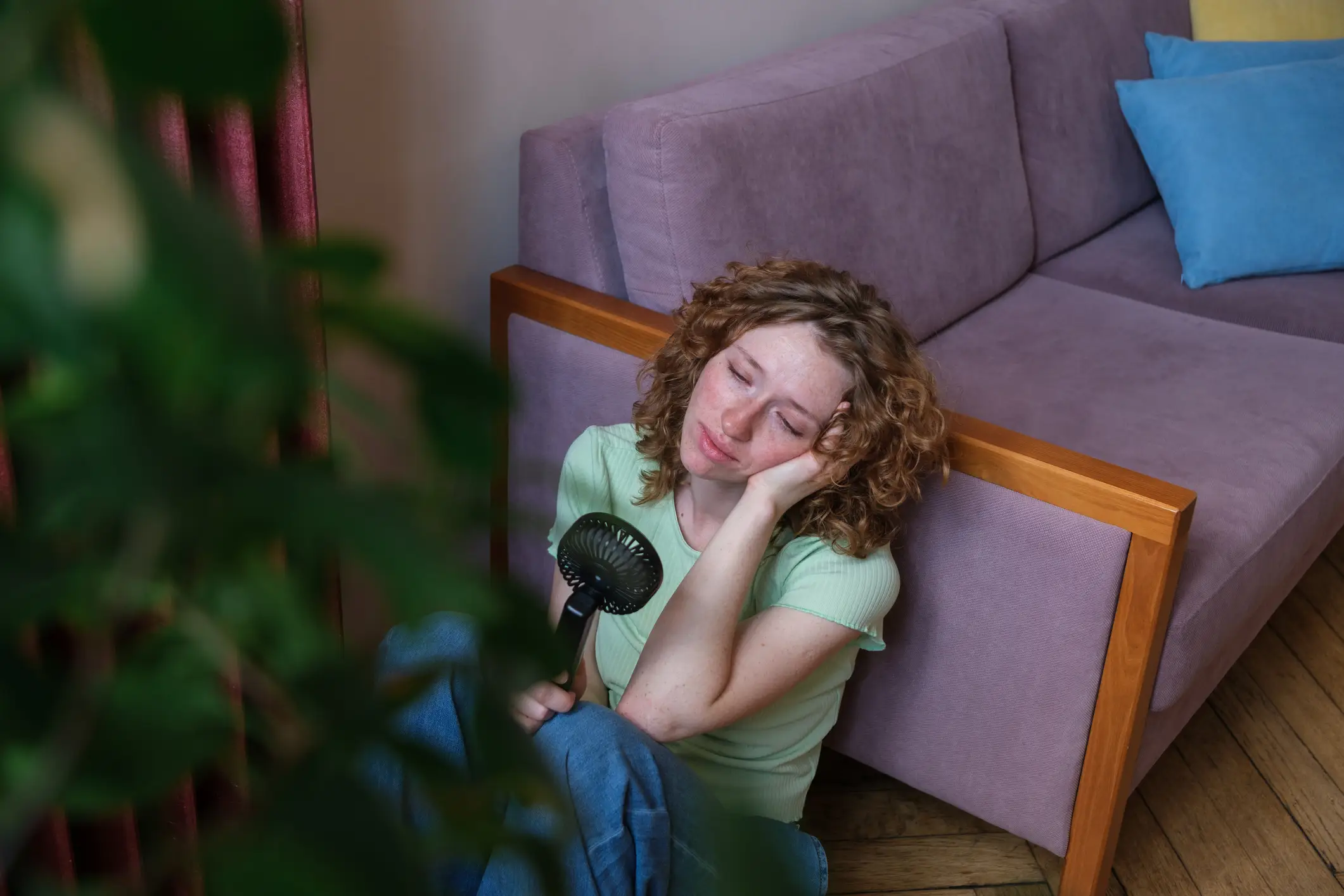
One possible explanation is the impact of the recent heatwave across parts of the UK.
“Heat places physiological stress on the body, increasing cortisol levels, disrupting sleep and affecting hydration,” Bhanot says. “These factors can temporarily alter the hypothalamic-pituitary-ovarian axis, the hormonal system that regulates ovulation and the menstrual cycle.”
“Even a slight delay in ovulation can lead to an unusually long cycle, breakthrough bleeding or what appears to be two periods within a single calendar month,” they add.
But changes in the weather may not be the only factor potentially influencing menstrual timing.
The expert also highlighted the growing use of GLP-1 medications for weight management as another possible contributor for some women.
“Rapid weight loss and improvements in insulin sensitivity can influence reproductive hormones and, particularly in women with PCOS, may alter the timing of ovulation,” they explain.
Lifestyle changes during the summer months could also play a role, particularly as more people experience changes in routine and sexual activity.
“As we go into the summer months, more people are having casual sexual intercourse and require emergency contraception,” Bhanot says. “Emergency contraception can also temporarily change menstrual timing by delaying or advancing ovulation.”
Alongside these factors, Bhanot explains that there are a number of other reasons why periods can temporarily become irregular.
“Other contributing factors may include viral illnesses, travel, disrupted routines, changes in exercise, alcohol intake and psychological stress, all of which are recognised causes of temporary menstrual irregularities,” they explain.
Despite the number of women sharing similar experiences online, experts stress that there is currently no evidence linking the trend to one specific cause.
“Importantly, there is currently no published research that one single factor has caused widespread menstrual changes across the UK,” Bhanot says.
"Menstrual cycles are highly sensitive to changes in the body’s internal and external environment, and it is more likely that a combination of factors affected susceptible individuals rather than one specific event."
Topics: Health, Women's Health, Periods, TikTok, Tyla Exclusive
 Greg Harris