
The perimenopause side-effect not enough people talk about

Hot flushes, sleep problems, and period changes are the three major symptoms that spring to mind when you think about perimenopause.
But, there’s actually another side effect that’s often swept under the rug or forgotten and brushed off as nothing, despite it impacting the everyday life of many women.
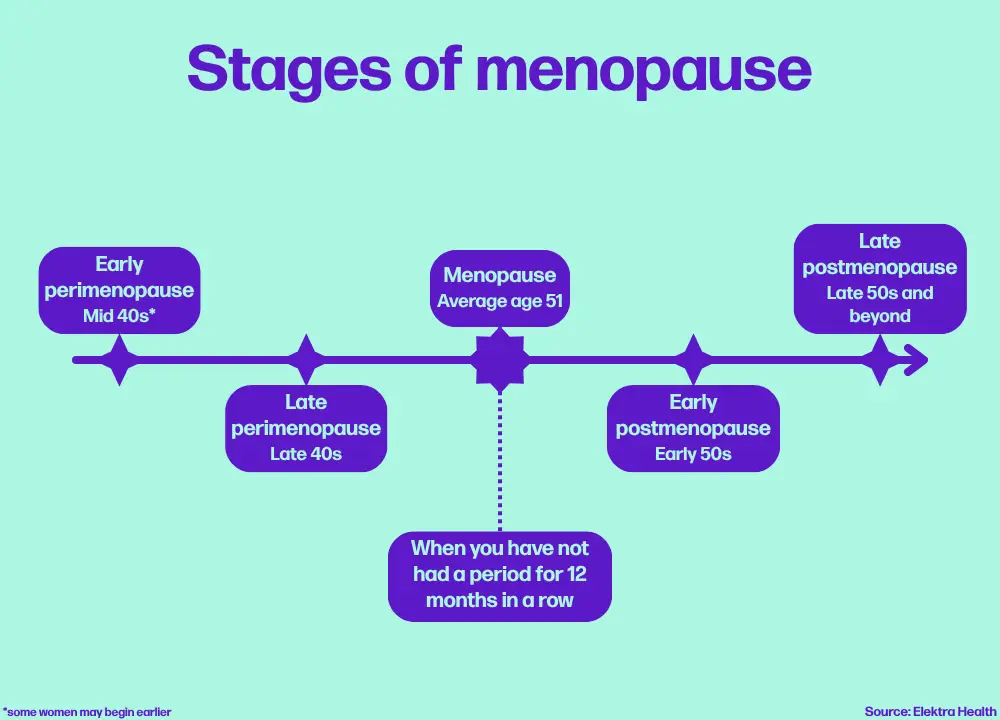
For those who are unfamiliar, perimenopause is the transition period between having a menstrual cycle and undergoing menopause.
As per Mayo Clinic, you’re likely to notice signs, such as your periods becoming irregular, in your 40s, but it’s different for everyone, and some women notice changes as early as their 30s or as late as their 50s.
Advert
During perimenopause, oestrogen, which is the main female hormone in your body, rises and falls, and your periods may get longer and shorter.

You might also skip ovulation, which means your ovaries don't release an egg. Once you've gone 12 months in a row without a menstrual period, it means you've officially reached menopause, and perimenopause is over.
The overlooked side effect we’re talking about is brain fog - becoming increasingly forgetful, losing your keys, writing loads of to-do lists, and finding it difficult to retain information.
The Menopause Charity outlines that it leaves many women feeling like their brain is ‘cotton wool’.
You might find it hard to do your normal tasks at work, and even watching TV or reading can be hard due to concentration issues.
Thankfully, the right type and dose of hormone replacement therapy (HRT) can improve brain fog and help you think more clearly.
The perimenopause and ADHD link
A new article by FlowSpace has outlined how perimenopause is also a time when long-masked ADHD traits can become impossible to ignore.
Some women might go their whole lives without realising they have attention deficit hyperactivity disorder, and only get a diagnosis once this stage of life causes them to have more intense ‘cognitive and mood symptoms’.
Dr Sandra Kooij, a psychiatrist and professor of adult ADHD at Amsterdam University Medical Center, told the outlet: “What we think is happening in women with ADHD during perimenopause is thus a ‘double hit’: low or dysregulated dopamine related to ADHD, plus decreasing levels of oestrogen.”

The expert added: “This may explain why these women experience more severe perimenopausal cognitive and mood symptoms.”
While it’s important to note that perimenopause does not cause ADHD, it can reportedly expose symptoms that were previously easier to manage.
The key to knowing if you’re dealing with ADHD is when the symptoms began - those with ADHD will likely have had concentration and memory issues throughout life that worsen during perimenopause.
For others, the brain fog and forgetfulness come for the first time during this time of life.
If you have been affected by the contents of this article, please find more information and support via Menopause Matters on their website, or email [email protected].
Topics: Women's Health, Menopause, Mental Health, Health, Life
 Madison Burgess