
Doctor shuts down hysteria after Penélope Cruz and Olivia Wilde share ‘petrifying’ perimenopause symptom

A doctor has been quick to offer reassurance after Penélope Cruz and Olivia Wilde's candid discussion about perimenopause left a few people concerned.
The actors star opposite each other in The Invite, which Wilde also directed. The Don't Worry Darling star plays Angela, who, along with her husband Joe (Seth Rogan), hosts their new upstairs neighbours, sexologist Pina (Cruz) and her boyfriend Hawk (Edward Norton), in their newly renovated apartment.
However, the couple's arrival raises questions about Angela and Joe's marriage, which ultimately serve to make or break their already crumbling relationship.
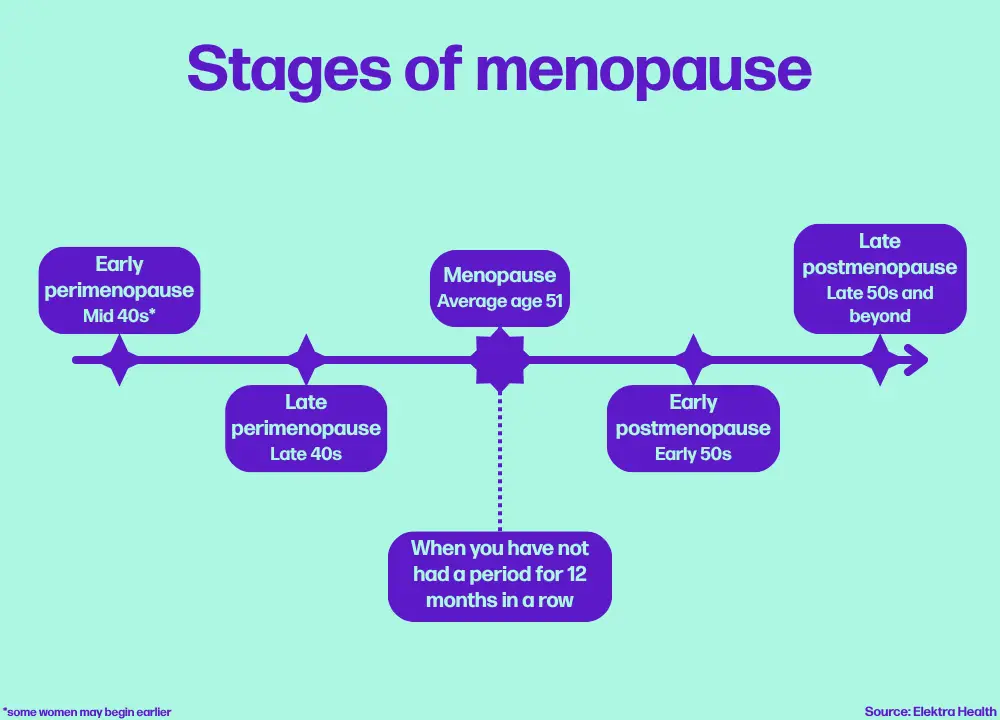
During the press tour for the film, Cruz and Wilde had a candid chat about perimenopause, which, according to the Mayo Clinic, is the transition period between having a menstrual cycle and undergoing menopause.
Advert

Symptoms can affect a woman at any time in her life, and they can become unpredictable as hormones rapidly fluctuate, something the two actors opened up about with Allure.
When asked about what she thought was least discussed about the women's health condition, Cruz mentioned how long someone can experience it, as she said: "It can last 10, 12 years. It can start as early as 40. The ups and downs can be crazy."
She recalled when her doctor told her at age 41 that her hormones would be 'doing this crazy dance' for that long; she thought it was a 'bad joke', adding: "I thought it was not possible to handle."
Cruz also said she experienced frequent cysts in her ovaries and still does to this day, and it is something that a woman 'has to prepare for'.
When Wilde asked her to share one specific symptom that people might not assume is a sign of perimenopause, the actor spoke about her experience with 'frozen shoulder', also known as adhesive capsulitis.
According to the NHS, frozen shoulder can mean that your shoulder is painful and stiff for months, sometimes years, and this can occur during hormonal changes in the body (via Midi Health).
The actor's discussion led to some concern from users, with one person commenting: "TIL that my frozen shoulder (that I’ve had for eight months) is likely due to perimenopause. Not Penélope Cruz being better educated in the menopause than the myriad of male doctors I’ve seen over the past five years."
A second wrote: "The frozen shoulder is the worst."
While a third said: "Migraines, frozen shoulder, insomnia, hot flushes and tiredness. Everything comes in waves. Horrible."
And someone else commented: "I'm 39 and I'm so so so so so scared by all this. Petrified."
Now, a doctor has stepped forward to ease everyone's worries about this uncertain time in their lives. Speaking to Tyla, Dr Ravina Bhanot praised the open discussion between Cruz and Wilde, saying it was 'brilliant' to see them being so candid about it, and that the more it is talked about, the 'less alone women feel going through it'.
However, when it comes to the possibility of frozen shoulder, she said it is an 'under-recognised perimenopause symptom', adding: "Falling oestrogen is thought to increase inflammation and stiffness around joints, and shoulders are particularly vulnerable in women around age 50-60.
"It’s very treatable with physiotherapy and anti-inflammatory and it does resolve."
Perimenopause looks different for everyone, Dr Bhanot says, with symptoms including joint pain, brain fog, mood changes and sleep disruption, which are 'just as common as hot flushes and just as valid a reason to ask your GP for support'.
In an exclusive chat with Tyla, Wilde said what she hopes to do with The Invite is to remove the stigma around certain subjects, such as sex or women's health, through Pina and Hawke.
"The non-judgmental attitude towards sex that Pína and Hawk bring into Joe and Angela's life is everything," she said. "The idea of removing the taboo and just having conversations."
Similarly, Dr Bhanot says that perimenopause is a 'normal life stage', and 'not something to fear', adding: "If something feels off and you’re approaching perimenopause or menopause, seek help.
"There are lots of treatment options from lifestyle changes to hormone replacement therapy to non-hormonal options."
If you have been affected by the contents of this article, please find more information and support via Menopause Matters on their website, or email [email protected].
Topics: TV And Film, Women's Health, Health, Celebrity, Tyla Exclusive
 Charlotte Dorans