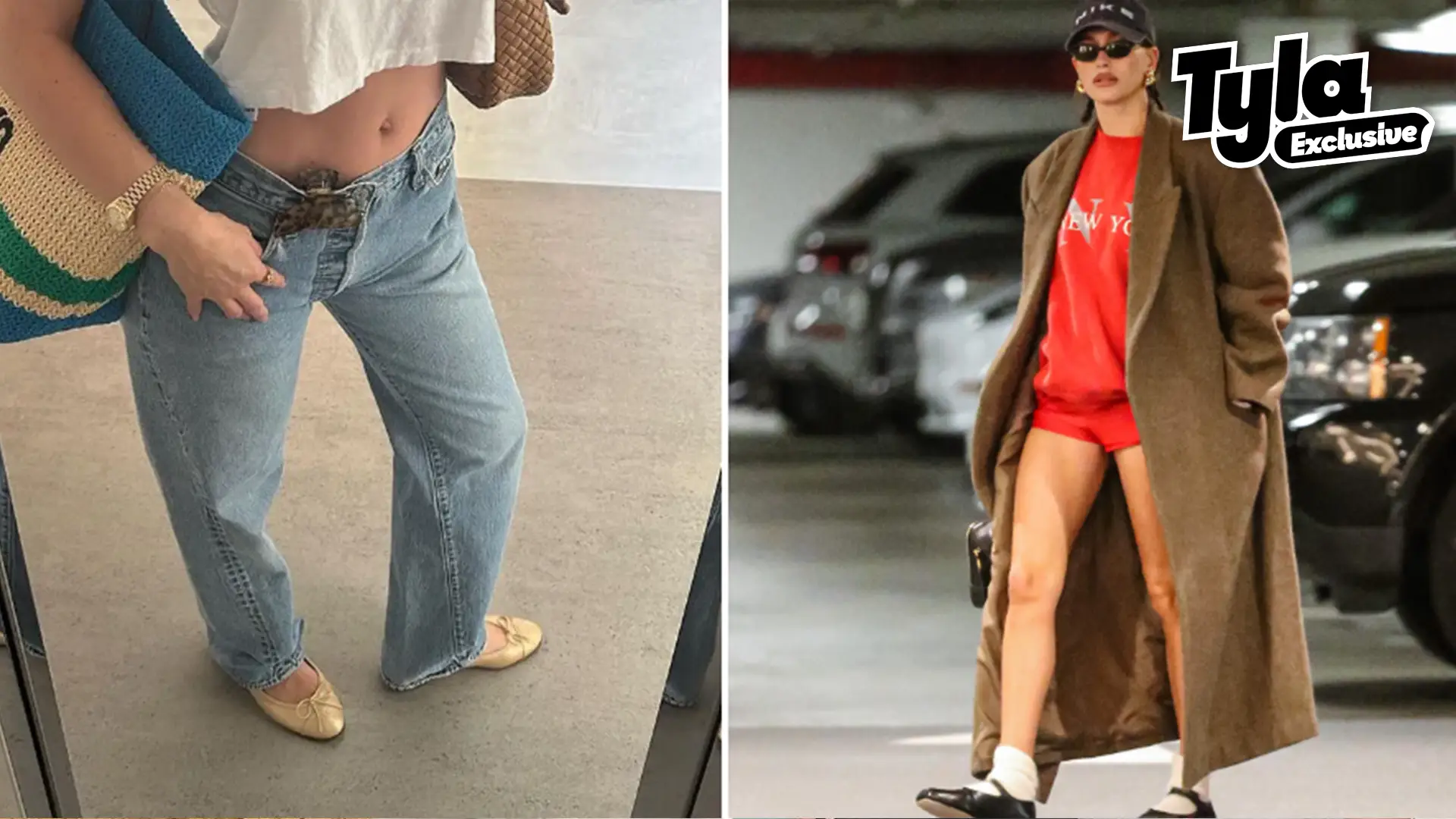
Millennials caution Gen Z against bringing back popular fashion trend which left many with painful condition

We all know that fashion exists in 20-year cycles, so it's no surprise that what was all the rage back in the early 2000s is coming back in fashion now that we're in 2026.
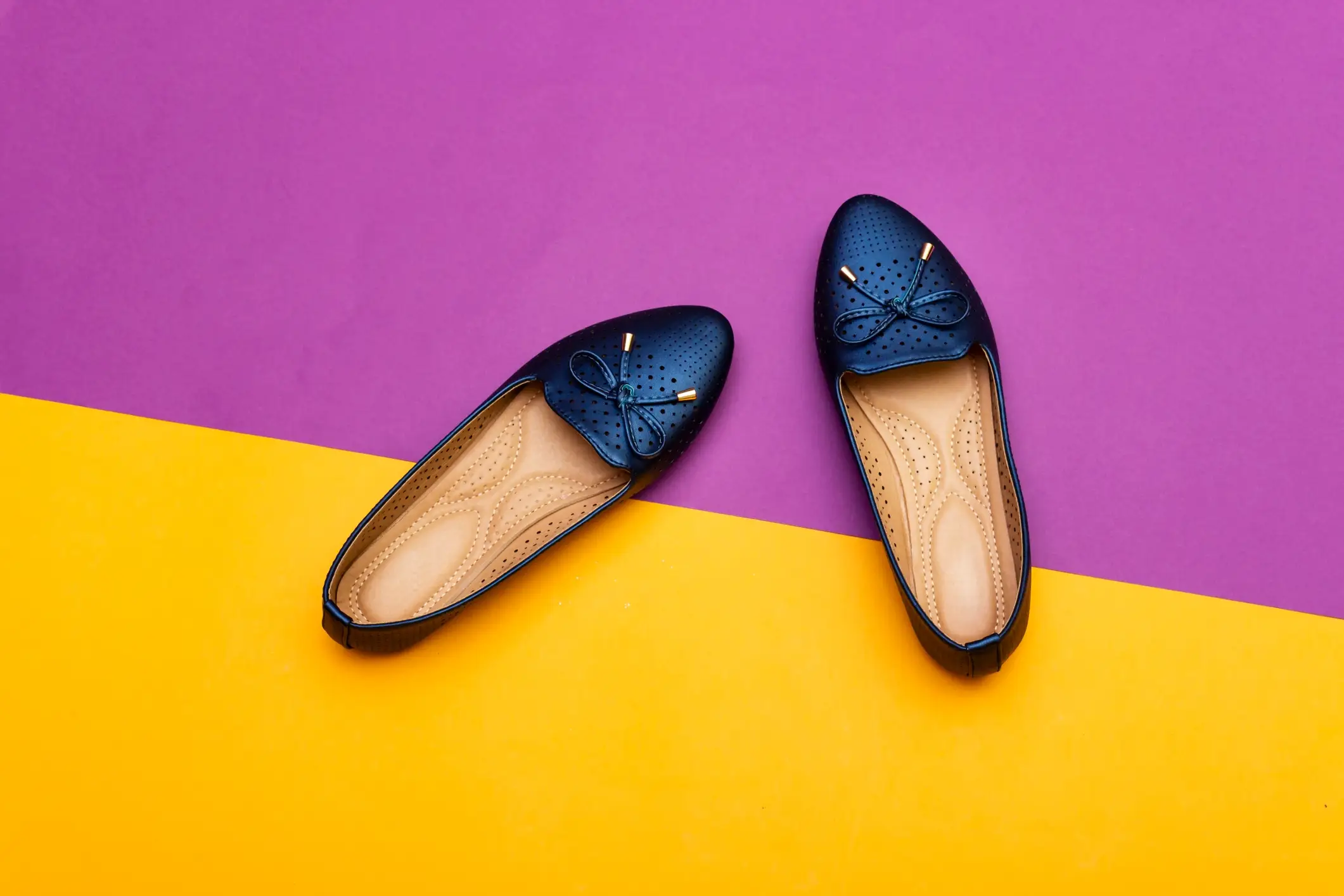
From capri pants to the infamous 'jeans and a nice top' craze, it's clear that Gen Z love a good trend renaissance and their obsession with ballet flats proves just that.
However, despite how cool the sleek silhouette may look, they can come with some pretty painful side effects, prompting Millennials to caution the younger generation against hopping on the viral trend sweeping across the high street right now.
"How it feels wearing ballet flats, and you can feel the plantar fasciitis kicking in," penned one TikTok user as a second chimed in: "Me getting plantar fasciitis after wearing flats for a few days."
Advert
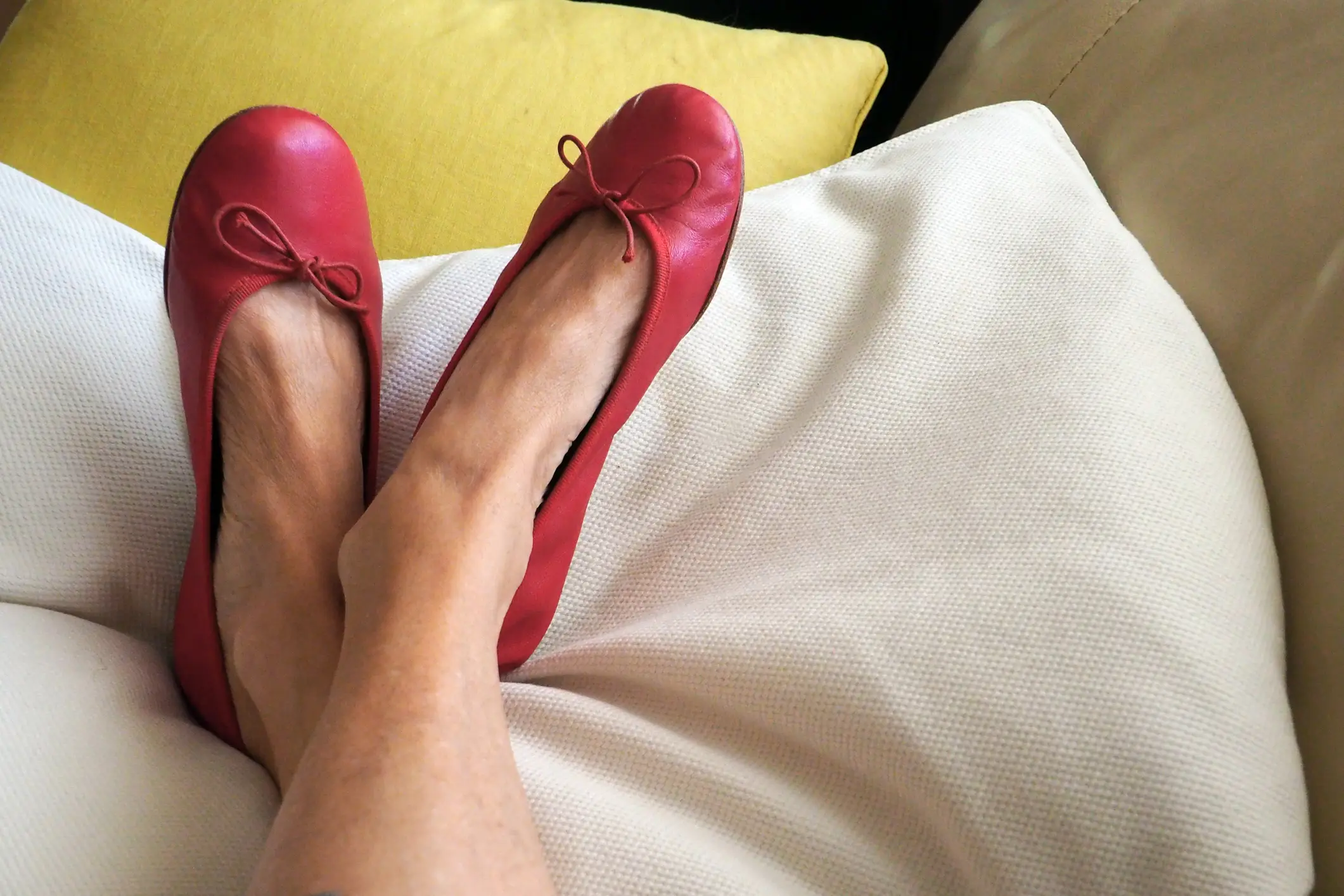
A third shared: "I'm fond of wearing flats, and I developed plantar fasciitis, too! Been on pain meds and foot exercises. I also changed my footwear. Very debilitating."
"Raise your hand if you were ever victimised by these ballet flats," urged a fourth as a fifth piped up: "The plantar fasciitis starter pack."
Another confessed: "I still remember the stabbing pain in my arches if I walked too long."
And a final TikTok user echoed: "My feet are aoooo messed up from all the flats I used to have!"
Jake Heath, the Director and Council Member of the Royal College of Podiatry as well as Founder and Director of Foot Suite London, exclusively told Tyla everything you need to know about how ballet flats affect your feet - along with what on earth plantar fasciitis even is.
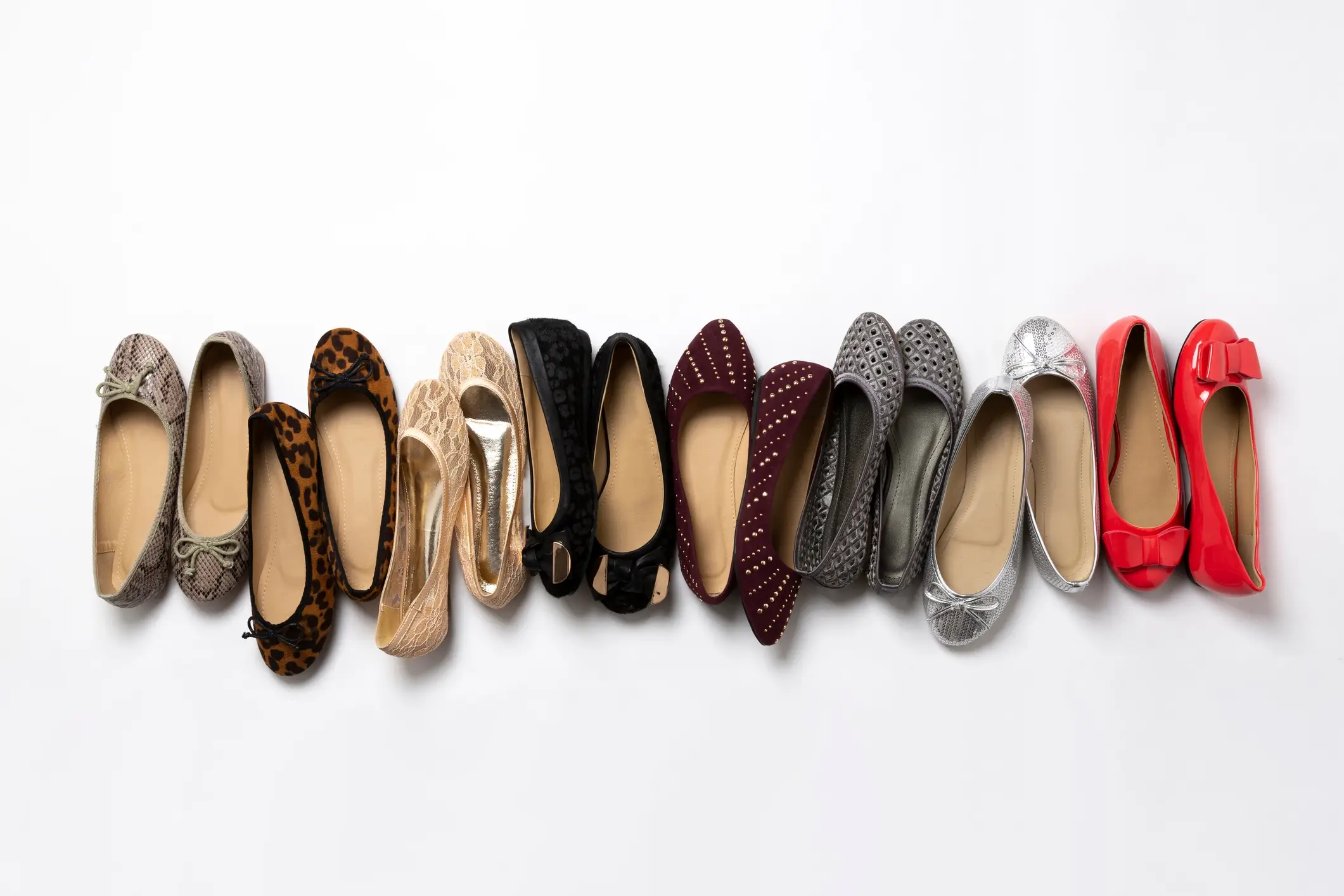
What kind of health problems do ballet flats lead to?
The expert explains that ballet flats do not automatically cause injury, and many people can wear them without difficulty.
Problems are more likely when someone suddenly wears them for long periods, particularly while walking on hard surfaces, or when the foot and calf lack the strength to tolerate the additional demand.
"Because many ballet flats have no fastening, the toes may subtly grip to keep the shoe in place. Combined with limited cushioning and structure, this can increase fatigue through the foot and contribute to problems including plantar heel pain, forefoot discomfort, irritation around the big-toe joint, Achilles or calf overload and, in some people, plantar fasciitis," Jake added.
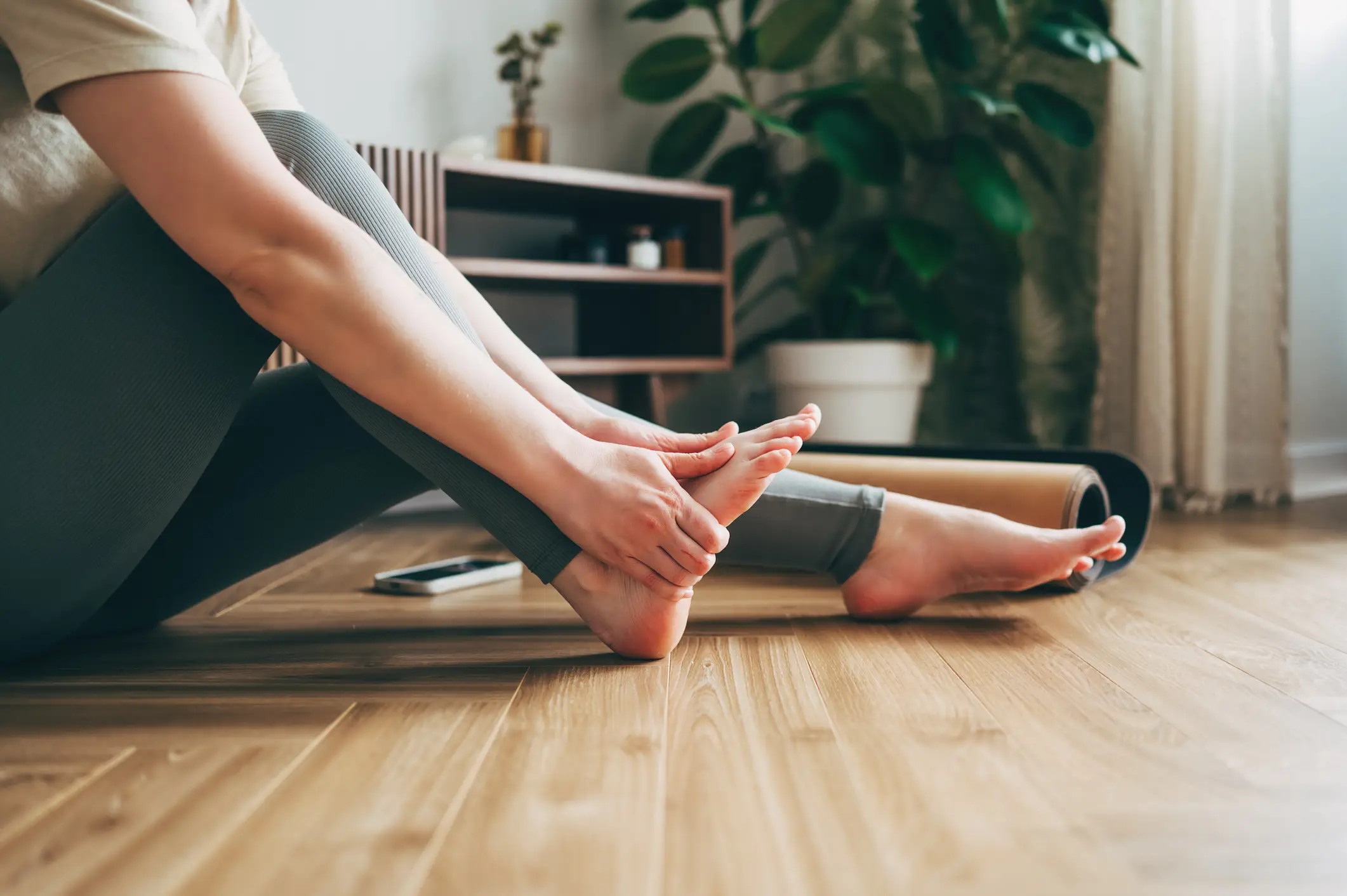
What is plantar fasciitis?
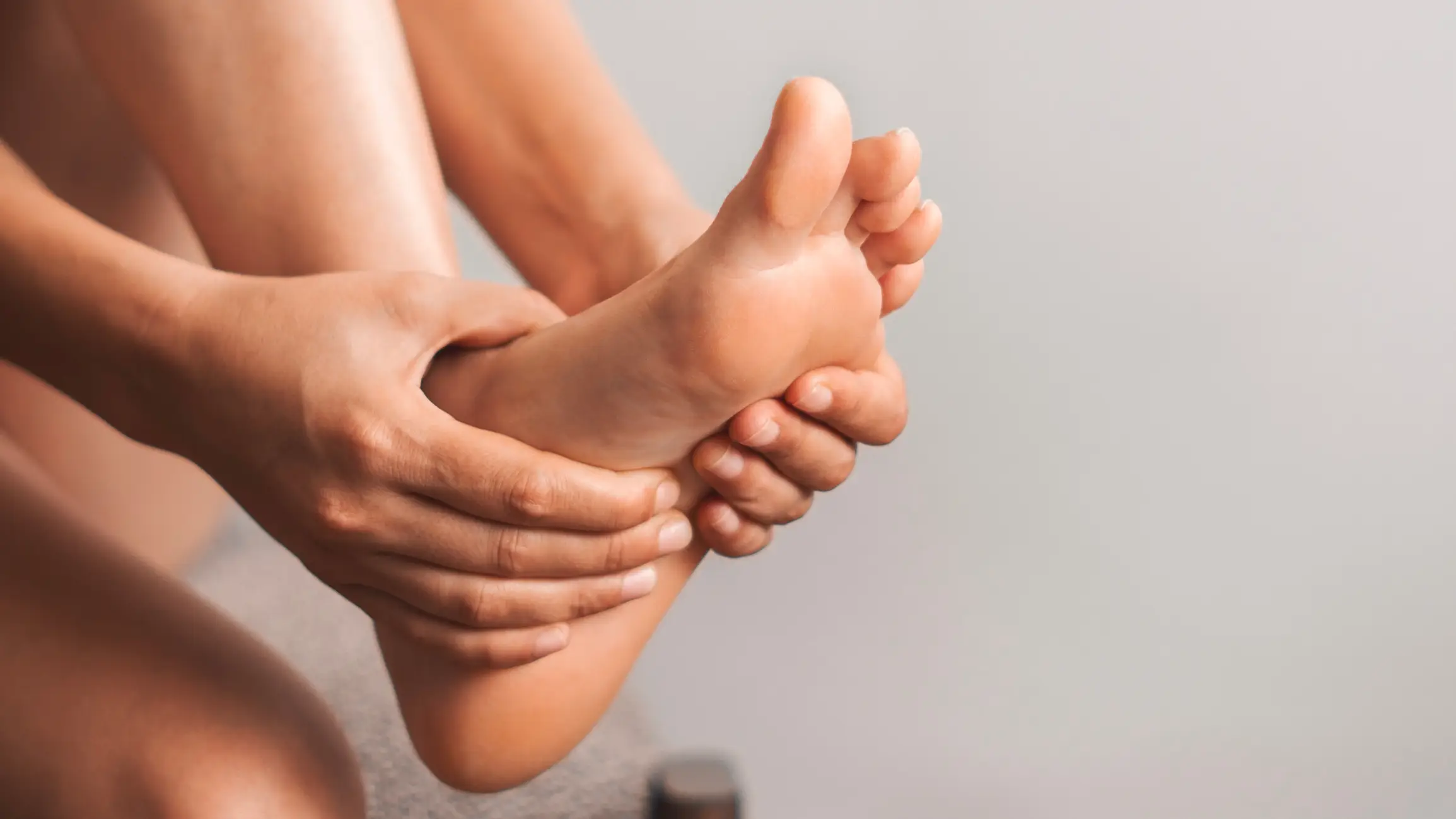
Plantar fasciitis, often more accurately described as plantar fasciopathy or plantar heel pain, is an overload problem affecting the strong band of tissue running beneath the foot from the heel towards the toes.
It’s also hugely linked to calf muscle and Achilles function and flexibility.
Jake notes that the classic symptom is pain beneath the heel during the first few steps in the morning or after sitting for a prolonged period.
It may initially ease once someone starts moving, before returning after longer periods of standing or walking.
Should people stop wearing ballet flats?
"Fashion does not have to be the enemy," Jake assures, "but exposure needs to match the capacity of the foot.
"Someone with active pain should reduce the amount of time spent in very thin, flexible shoes and alternate them with footwear that has a secure fastening, a more substantial sole and enough room around the toes."
According to the expert, a practical approach is to wear ballet flats for shorter social occasions rather than using them for a full day of commuting and walking.
"A person who has not worn them for years should also reintroduce them gradually rather than going from supportive trainers to several consecutive days in pumps," he added.
What can people do at home?
Jake tells Tyla that complete rest is rarely the best long-term solution, as he explains: "This structure doesn’t really respond to rest; it’s actually a response to the correct loading.
"The aim is to settle the irritation while progressively rebuilding the strength and load tolerance of the foot and calf complex."
Helpful measures can include:
- temporarily reducing long walks or other activities that noticeably aggravate the pain
- avoiding prolonged barefoot walking on hard floors
- wearing more supportive footwear indoors and outdoors
- gentle calf and plantar fascia stretching
- progressive calf strengthening, such as controlled heel raises, as symptoms allow
Jake added that losing weight is a 'big help' too.
When should someone seek professional advice?
"Assessment by a podiatrist is advisable when pain is severe, worsening, affecting normal walking or failing to improve after a few weeks of sensible self-management," Jake concludes.
"Earlier assessment is important if there has been an injury, the person cannot bear weight, or the pain is accompanied by marked swelling, bruising, redness, heat, numbness, tingling, unexplained night pain or systemic illness."
Topics: Fashion, Gen Z, Health, Life, Tyla Exclusive
 Rhiannon Ingle