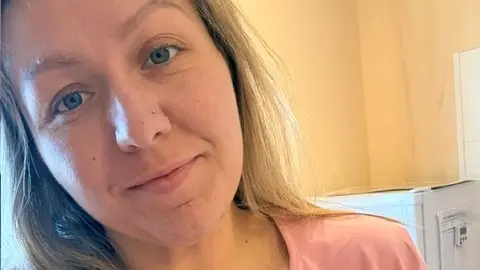
Mum-of-three diagnosed with stage four cancer after being misdiagnosed by GPs

A woman who says her symptoms of ‘severe’ bloating’ were dismissed as inflammation and gastroenteritis was diagnosed with stage four cancer at the age of 32.
When 33-year-old logistics manager Becky Small, from Hampshire, began experiencing ‘severe bloating’ in April, she sought help from her GP. Her stomach soon became so swollen that it felt ‘really hard’, leaving her so uncomfortable she struggled to sleep.
“My stomach was going really hard all the time,” she said.
“I couldn’t fit any trousers on and it was just really uncomfortable.
Advert
“I couldn’t sleep and I couldn’t even roll over in bed because it was so painful and so big.”
Alongside the bloating, Becky developed pain on the right side of her back, prompting her to book an appointment with her GP. After examining her, the doctor asked her to provide a urine sample and prescribed medication to treat inflammation.
But when her symptoms failed to improve, Becky sought a second opinion at a different GP surgery. She claims the doctor did not carry out any tests and 'didn’t even feel' her stomach before prescribing medication for suspected gastroenteritis, an infection of the intestines.
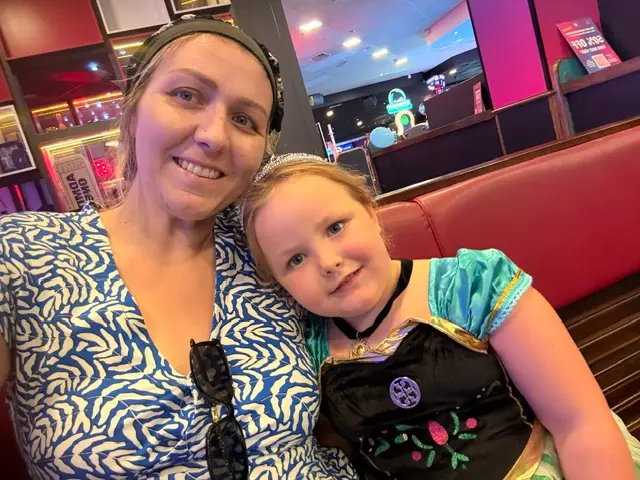
As the weeks passed, Becky's condition continued to worsen. By the beginning of May, she says her abdomen had become ‘rock solid’, leaving her so concerned that she took herself to A&E.
“My stomach was rock solid, it was uncomfortable and it was painful.
“The only way to describe it was like I was nine months’ pregnant.
“I couldn’t breathe or walk properly too.”
There, Becky says two doctors “examined (her) properly” and were “shocked” that she had not already undergone blood tests or a CT scan.
Later that same evening, doctors told Becky they had discovered two lesions on her ovaries and another on her kidney. Faced with the news, her immediate thought was that she was 'going to die'.
Following a biopsy, Becky was diagnosed with stage four metastatic ovarian cancer on June 1. Just four days later, she began chemotherapy treatment.
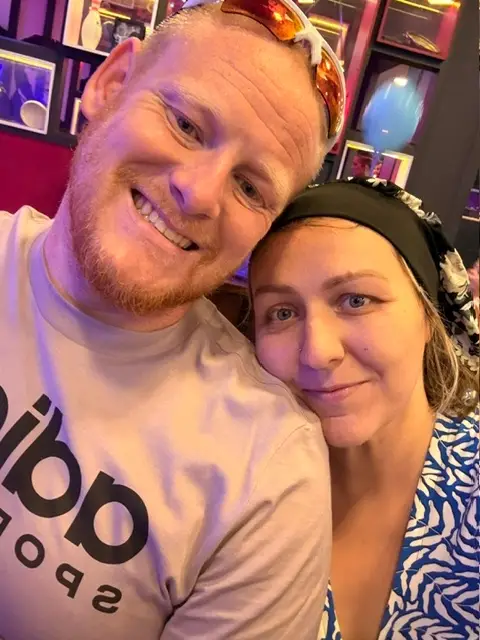
According to the NHS, the main symptoms of ovarian cancer can include bloating, pain in your tummy or the area between your hips, no appetite and increased urgency or frequency of peeing, along with back pain.
Since beginning chemotherapy on 5 June, Becky has undergone two treatment sessions and says she is grateful not to have experienced ‘any major side effects’ so far.
Her treatment plan includes four further rounds of chemotherapy, which are due to be completed by September. In August, she is also scheduled to undergo a full hysterectomy, a procedure to remove the womb and cervix.
Despite facing an uncertain future, Becky says she has made the conscious decision not to ask doctors about her prognosis. Instead, she wants to focus on ‘enjoy what time’ she has left, rather than worrying that she 'may not wake up in the morning'.
Becky believes ovarian cancer is ‘silent and deadly’, so she is urging young women in particular to watch out for the symptoms and get tests if they have any concerns.
She said: “I don’t want other women or even my own daughter to have to go through what I’m going through.”
A fundraiser has since been launched to help support Becky and her family financially while she goes through treatment. You can donate to Becky’s GoFundMe here.
Topics: Health, Women's Health
 Greg Harris