
Grim truth behind why chainsaws were actually invented for women

We all know what a chainsaw looks like: a roaring, teeth-lined machine built to tear through wood. But do you know why it was actually invented?
You might assume it was created as a lumber tool, as it’s best known today, or perhaps you only associate it with the terrifying weapon of choice for horror movie villains, most famously Leatherface.
But the true origin of the chainsaw is far stranger, more surprising, and far removed from the forests and horror films we know it from today.
Before it became a symbol of logging, tree cutting, and the occasional cinematic jumpscare, the chainsaw began life in a place you would never expect.
Advert
These tools have been used for many years, but the chainsaw as we know it today began life as a medical tool in childbirth.
As horrifying as it sounds, it was actually created to help.
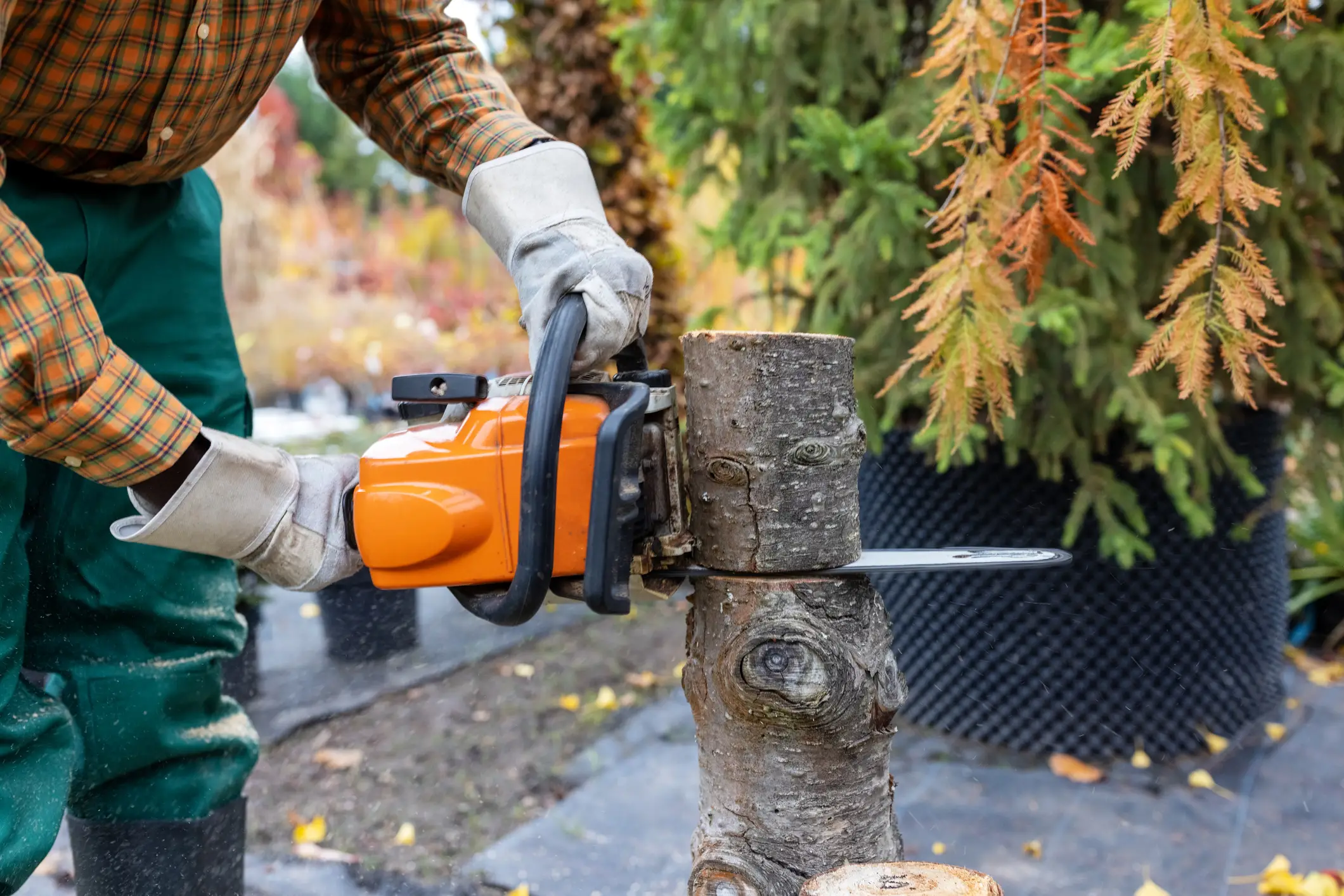
The first chainsaw, invented by Scottish doctors John Aitken and James Jeffray, as described in the 1785 medical text Principles of Midwifery, or Puerperal Medicine, was a ‘flexible saw’ designed for use in cases involving obstructive bone.
The crude chainsaw was designed to aid and speed up the process of symphysiotomy, the widening of the pubic cartilage, and the removal of diseased bone, Science Focus reports.
This flexible saw later evolved into the osteotome, developed by German physician Bernhard Heine in 1830. It was used to cut away flesh, cartilage, and bone during childbirth when a baby became trapped in the birth canal.
It was considered a significant medical innovation and was used throughout the 19th century in orthopedic and other surgical procedures. Yet in an era before modern anaesthesia, operations involving the cutting of cartilage and bone were likely uncomfortable experiences.
Fortunately, advancements in medicine have transformed childbirth and surgery, making procedures such as symphysiotomy far less common.

Modern caesarean sections, supported by improvements in surgical techniques, anaesthesia, antibiotics, and hygiene, have made childbirth a lot safer than it was in previous centuries.
The chainsaw most people recognise today emerged much later, during the early 20th century.
Early patents appeared for chain-based cutting machines, including the 1883 Chain Sawing Machine and the 1906 Endless Chain Saw. These inventions were designed for industrial wood processing and cutting large trees, laying the groundwork for the powerful forestry tools that would eventually become the modern chainsaw.
Everything has to start somewhere and in the chainsaw’s case, that somewhere was probably the last place anyone would expect: a delivery room.
Topics: Health, Women's Health, Parenting
 Greg Harris