
Gen Z's favourite 'flip phone' trend is back – and one night out showed me why

It's a warm June evening. Two women who look to be in their early-to-mid twenties are chatting the ears off one another in the outdoor seating area of a natural wine bar, perched on a pair of Scandi wooden stools.
One uses a trio of stuffed Kalamata olives, sitting pretty on a cocktail stick, to stir her dirty martini; the other nurses a rocks glass of fluorescent negroni.
Suddenly, the vodka drinker pulls a hot pink flip phone from the pocket of her denim capris, flashing the tiny rectangular screen to her gal pal.
No, I'm not describing a scene from Sex and the City, and the girl I'm watching isn't Carrie Bradshaw - although, she does look every bit as chic.
Advert
I witnessed this interaction during a night out in Bethnal Green, East London, earlier this summer, and was genuinely staggered.
It was the first time I'd seen a flip phone in active by someone under the age of 60 since childhood, before the smartphone race began and having the newest device became the ultimate status symbol.
Y2K phones are back, apparently

Back when texting in predictive text felt revolutionary, ringtones were a personality trait, and practically every teen icon - from Hannah Montana to Lizzie McGuire - seemed to whip out a chunky flip phone on screen.
My friends and I can see from across the patio that she's bedazzled her device with silver gem stones, and accessorised it with a Sonny Angel trinket, as if to emphasise she's using the device ironically.
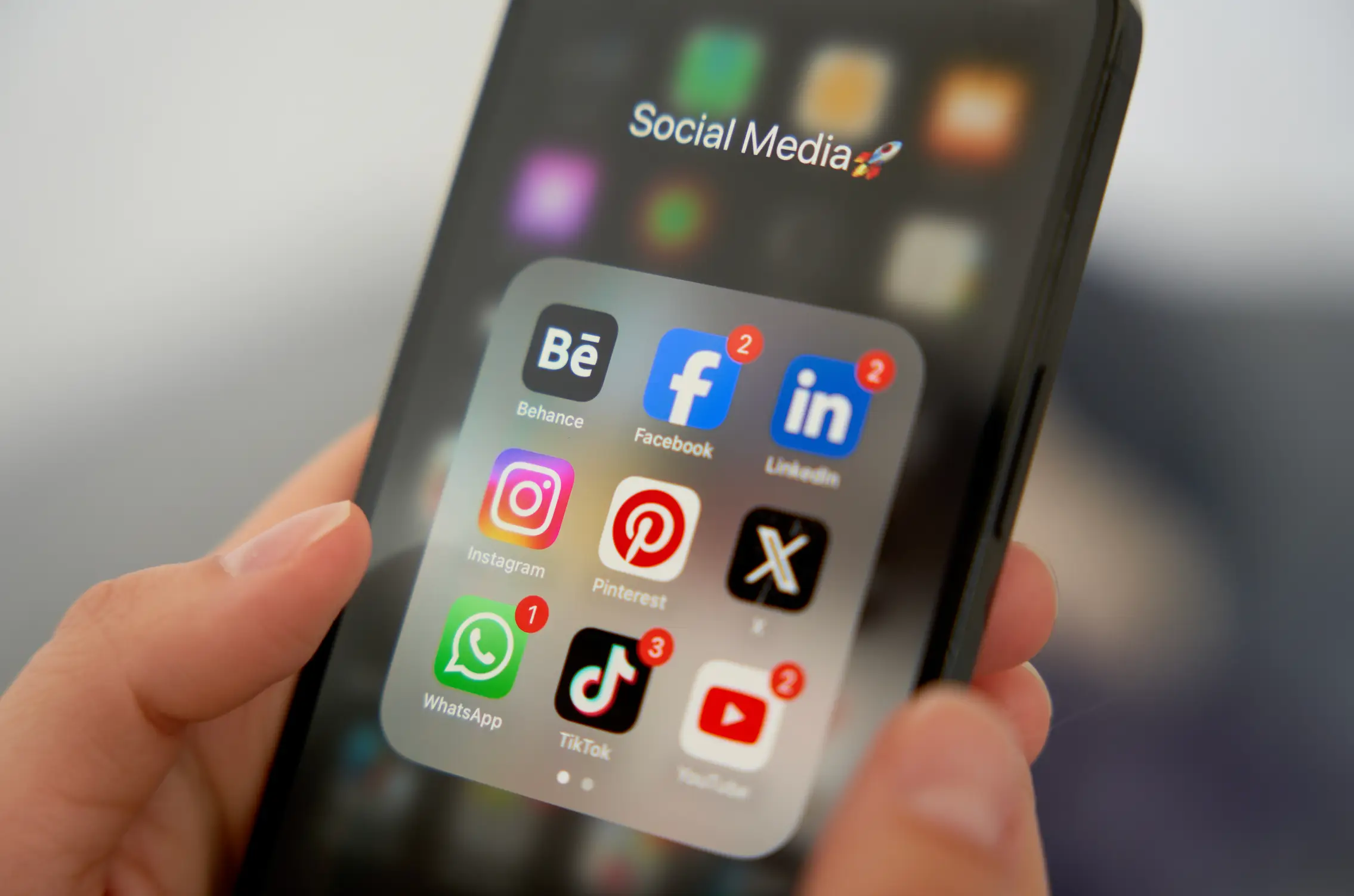
In the weeks that followed, my TikTok 'For You Page' suddenly became saturated with Gen Z users documenting their decision to use what they dubbed 'dumb phones' in their day-to-day, and reserving their iPhone for only necessary measures.
'Such as to upload this TikTok video, right?', I secretly thought.
Many were claiming that turning to simplified mobile phones - which have a very limited array of features, including a lack of social media apps and, often, a total absence of internet - to ascertain whether being constantly connected was actually making them happier.
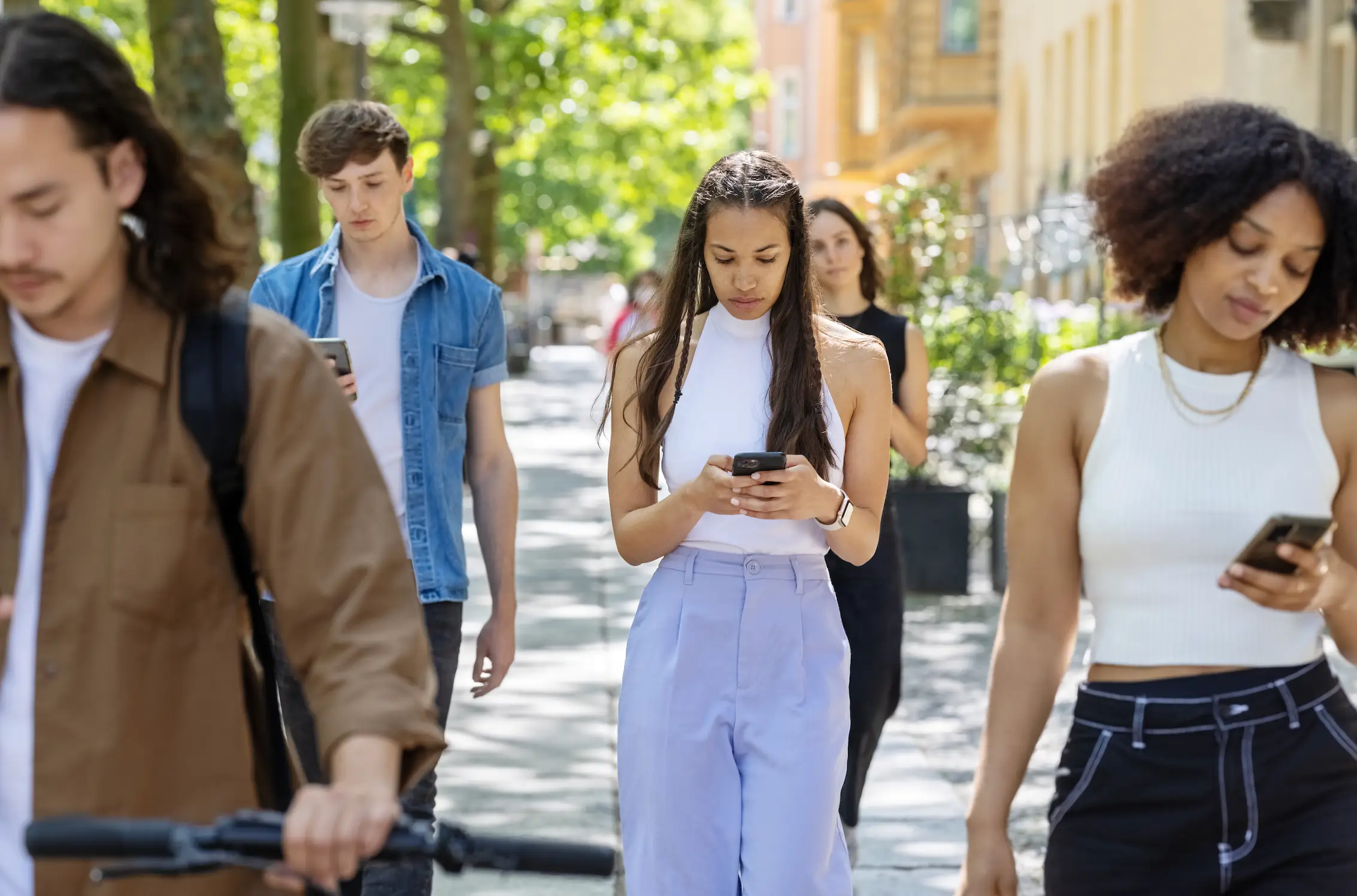
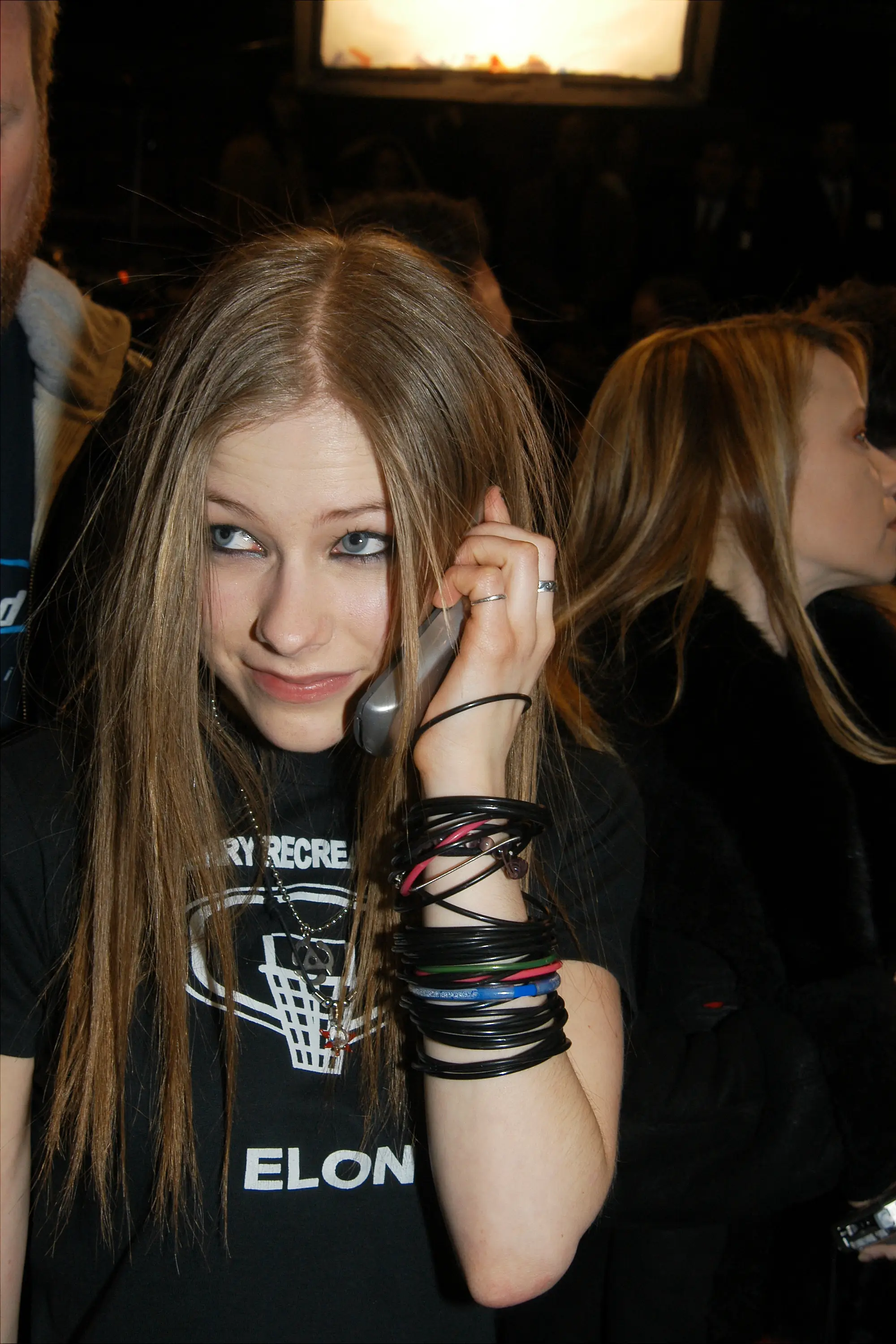
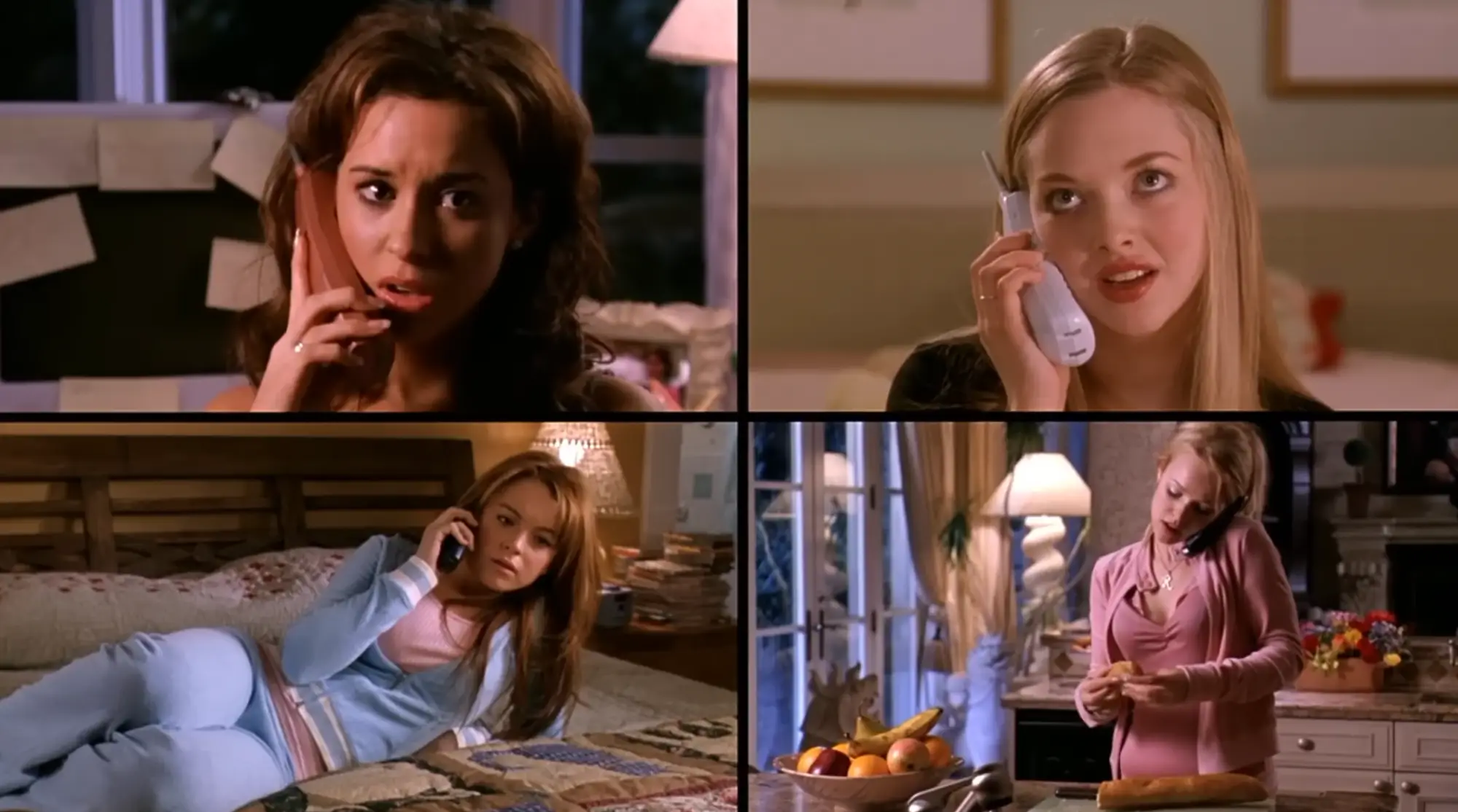
They're suddenly choosing handsets that would've looked at home clipped to the belts of 'OG' 90210 cast, or tucked into Elle Woods' mini-skirt pocket.
It got me thinking: in our never-ending quest for more advanced technology, are we starting to realise that less might actually be more?
The digital detox generation
According to digital psychologist Dr Rachael Kent, the trend actually reflects a much bigger shift in how young people are thinking about technology.
"Interest in digital detoxes and so-called 'dumb phones' among younger people reflects a growing awareness that our digital world is increasingly shaping how we think, feel and behave in everyday life," she told Tyla.
"After growing up with smartphones and social media as a constant presence, many young people are beginning to question whether perpetual connectivity is good for their wellbeing."
Rather than simply chasing nostalgia, Dr Kent says many Gen Z users are looking to regain control over their attention, reduce stress and tune out the noisy world of social media.
The shift also comes amid growing concerns around digital overload, poor sleep, anxiety, social comparison and body image. These issues, Dr Kent continued, aren't down to a lack of willpower, however.
"Today's platforms are built around business models that depend on capturing and monetising our attention," she explained.
Features including infinite scroll and push notifications are all designed to maximise engagement from phone-holders, making it increasingly difficult to disconnect - its almost hypnotic.
Except, instead of relying on self-control alone to remove themselves from this addictive atmosphere, many people are changing their environment.
Why willpower isn't enough
"It's a bit like asking someone who wants to stop drinking to work behind the bar in a busy pub," Dr Kent said. "You can rely on willpower, but you're doing so in an environment that is constantly encouraging the very behaviour you're trying to resist.
"Sometimes the most effective way to change behaviour is to change the environment."
While switching to a simpler phone can help people create healthier digital boundaries, Dr Kent believes the wider conversation should also focus on how technology itself is designed.
One tech brand all for the transition back to a simpler time is The Light Phone.
Created as a start-up from an apartment in Brooklyn, the company now produces minimalist premium mobile phones intentionally designed to be used as little as possible, that act as an alternative to 'attention monopoly' smartphones by completely stripping away socials, email and the web.
And while it might seem ironic that many people first discover the 'dumb phone' trend through TikTok, the brains behind the brand believe the movement rooted in growing frustration with the demands of modern digital life.
Meet the 'dumb phone' pioneers
"In the last two to three years, we've seen a growing interest in Light Phones (and dumb phones at large) from the Gen Z demographic," a Light Phone spokesperson told Tyla when approached on the matter.
"There is definitely a growing movement against Big Tech and the attention economy."
According to the company, the most common complaint they hear from younger users is simple - they spend too much time on their smartphones, consumed by calls, texts, maps, tweets, likes hotspots and calendars, and it isn't making them feel good.
"When they switch to a Light Phone, they regain hours of their lives each day, channelling that into outlets that are meaningful to them," they added. "We have seen some amazing and profoundly positive lifestyle shifts in going light.
"In addition to all the mental health benefits and regained time, users describe a sense of pride in using a product that aligns with their values."
The representative concluded: "They are proud to not have a smartphone and to push back on the direction of the tech companies fighting ever more aggressively for their time and attention."
The company also says many customers feel proud to use a device that aligns with their values rather than feeding into what it describes as the attention economy.
One TikTok creator who finally decided enough was enough, is Sammy K, who experienced that relief firsthand after swapping her iPhone for a flip phone for college nights out.
The night out experiment
The decision was spurred by her one night accidentally uploading a video of herself taking a shot to her Instagram Story.
"I decided I never wanted that to happen again," Sammy told Tyla.
She also realised she was constantly reaching for her phone whenever she felt awkward or bored, which stopped her from putting herself out there with new people in new environments.
After discussing the idea of a 'dumb phone' with friends, they all decided to buy flip phones together.
"Feeling more present on a night out and making new friends were definitely the greatest benefits," Sammy said, claiming people regularly approached her to ask about the flip phone, often leading to conversations.

"It made me realise just how much I'd been using social media as a crutch when I felt awkward or bored," she continued. "Having no access to that on a night out showed me how unnecessary and destructive my habits really were."
Eventually, Sammy switched back to a smartphone after moving to a much larger city, where she found she needed navigation apps and ride-sharing services for her safety.
She stands firm on the idea that many people her age are beginning to rethink their relationship with technology, however, rather than reject it altogether.
A simpler future ahead?
And I reckon she's probably right on the money - the rise of dumb phones doesn't necessarily mean Gen Z wants to abandon technology.
Instead, the wholesome trend seems to suggest that the first ever generation raised to be 'chronically online' is beginning to question whether being permanently connected is actually all it's cracked up to be.
Perhaps what looks like a return to simpler technology is really something else entirely - a little more space to enjoy the moments happening right in front of us, maybe?
Topics: Gen Z, Life, Tyla Exclusive, Technology, Social Media
 Rhianna Benson