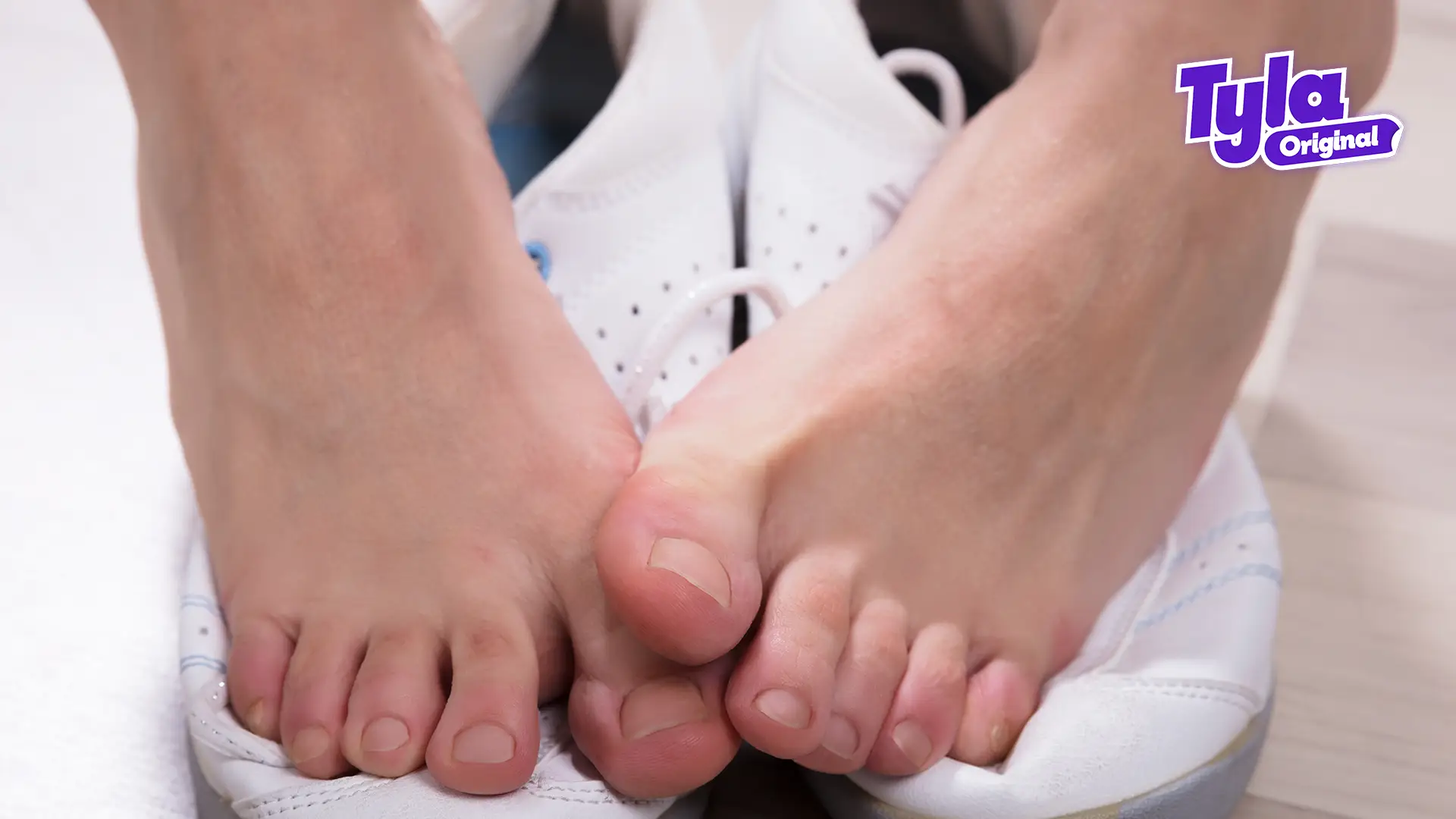
'Pump stink' explained as Gen Z bring back controversial Millennial fashion trend

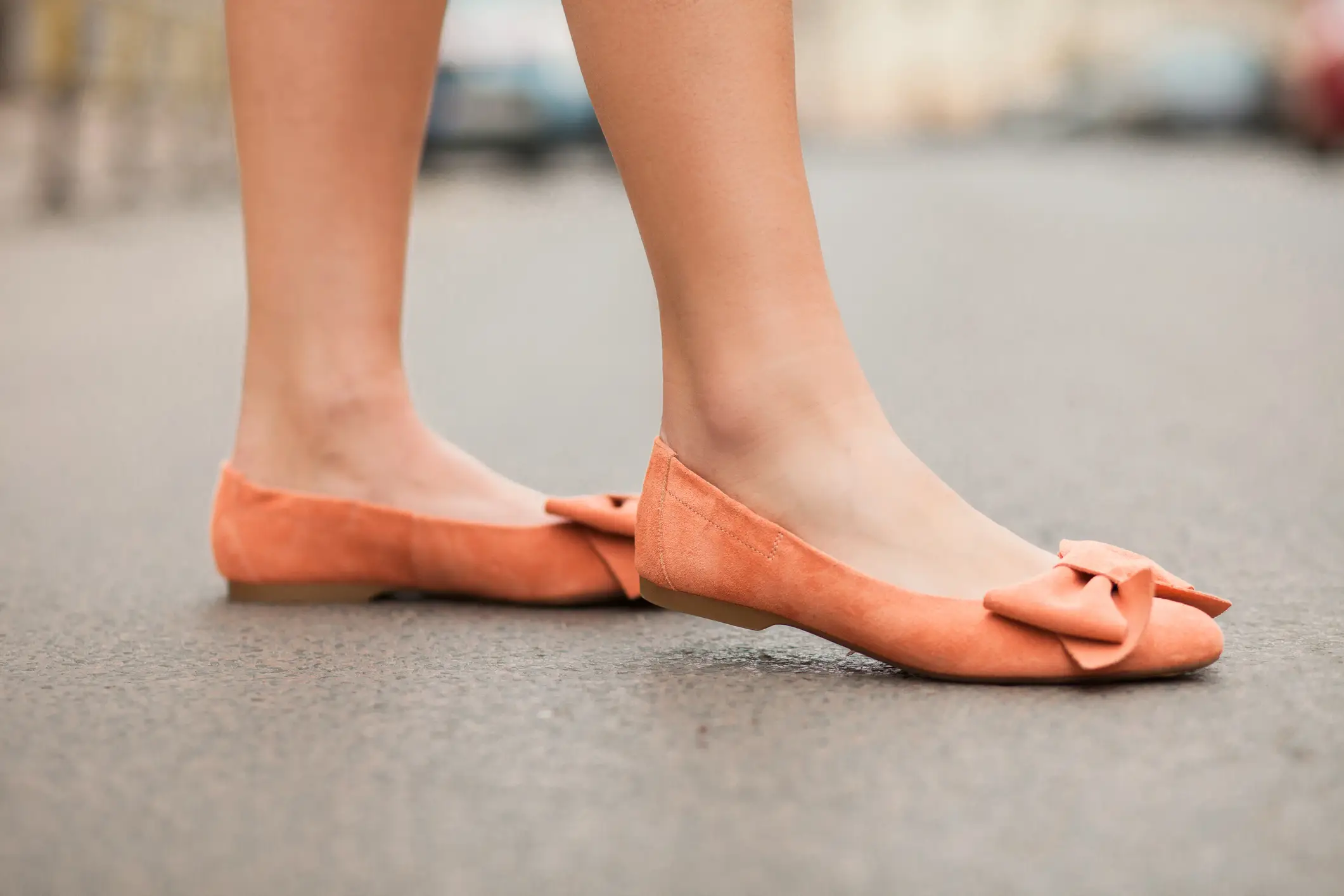
It seems like absolutely everyone at the moment is walking about wearing a cute little pair of ballet flats.
Pumps, flats, ballerina slippers - whatever you call them - it's clear the shoe silhouette is having a bit of a moment right now, with Gen Z all over hopping on the fashion trend all too familiar for their Millennial predecessors.
However, a number of Gen Z women are only just realising the pretty major downside to wearing ballet flats, and that is the very specific smell that occurs after too much wear.
In fact, Millennials remember the odour being so atrocious that the internet has since coined 'pump stink' to refer to the grim fashion phenomenon.
Advert
"Our feet smelled so bad," lamented one TikTok user.
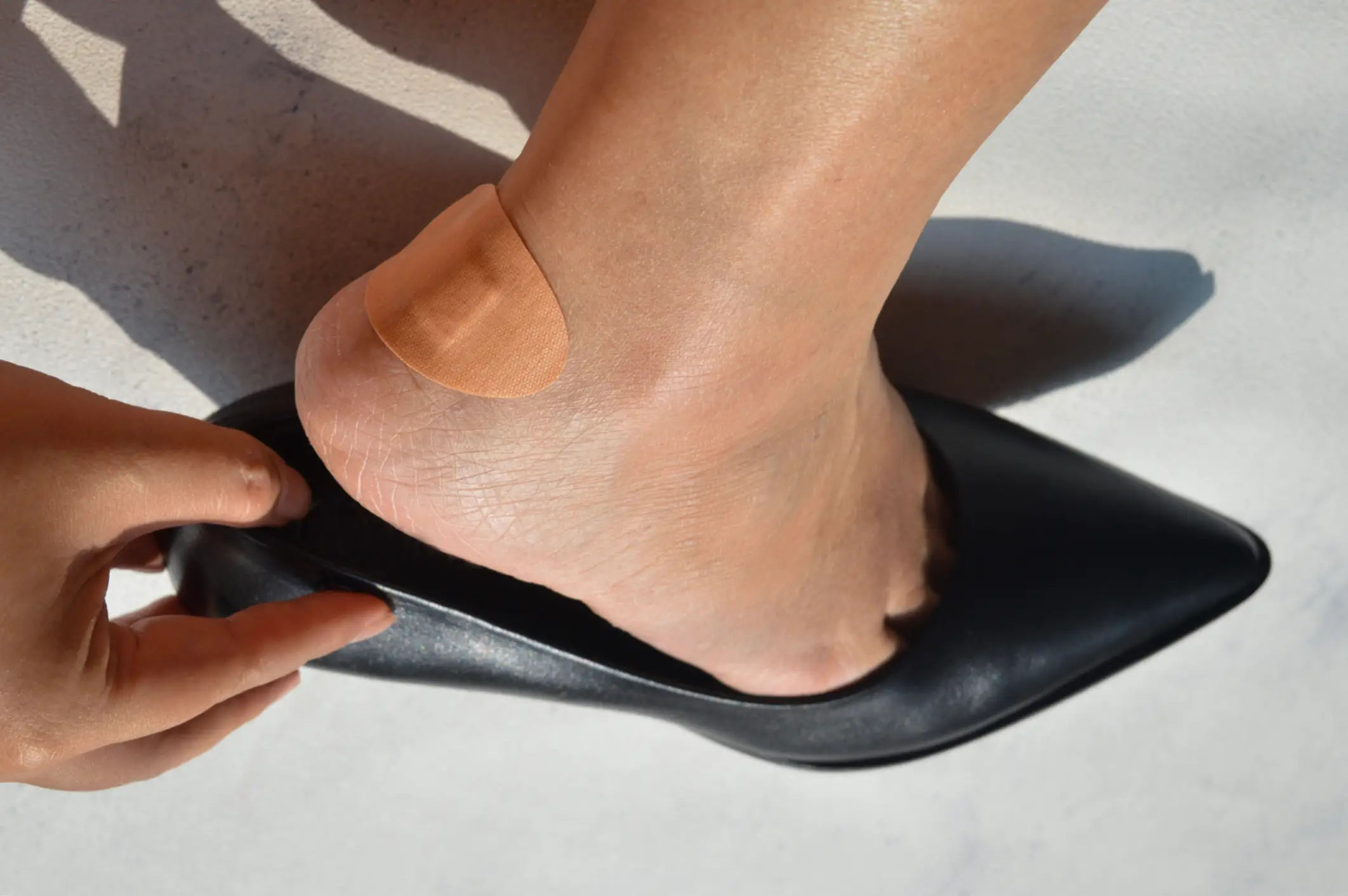
A second piped up: "I used to think I just had smelly feet. now my feet smell fine. It was always the ballet flats!"
"I still remember the smell. Nothing helped: those tiny tiny socks, deodorant, baby powder. The odour was so resilient," a third confessed.
Another chimed in: "Yeah, I remember a girl slid her foot out of one of them in class, and everyone immediately went from expressionless to stank face."
And a final social media user questioned: "Why did they stink so BAD!?"
Well, Jake Heath, the Director and Council Member of the Royal College of Podiatry as well as Founder and Director of Foot Suite London, exclusively answered this age-old wonder for Tyla.
"This issue is a really interesting one because most people assume foot odour is simply a hygiene issue, whereas the reason behind it is actually much more interesting than that," Jake explains.
The expert tells Tyla that our skin naturally supports an entire ecosystem of bacteria and other microorganisms that coexist quite happily under normal conditions.
"The issue is often not the microbes themselves, but the environment we create for them," he adds.
"Many of the microorganisms associated with foot odour thrive in warm, moist environments with very little airflow. Unfortunately, the inside of a sweaty ballet flat can provide almost ideal conditions. Especially in hot conditions, like in a heatwave or even on crowded public transport in the summer."
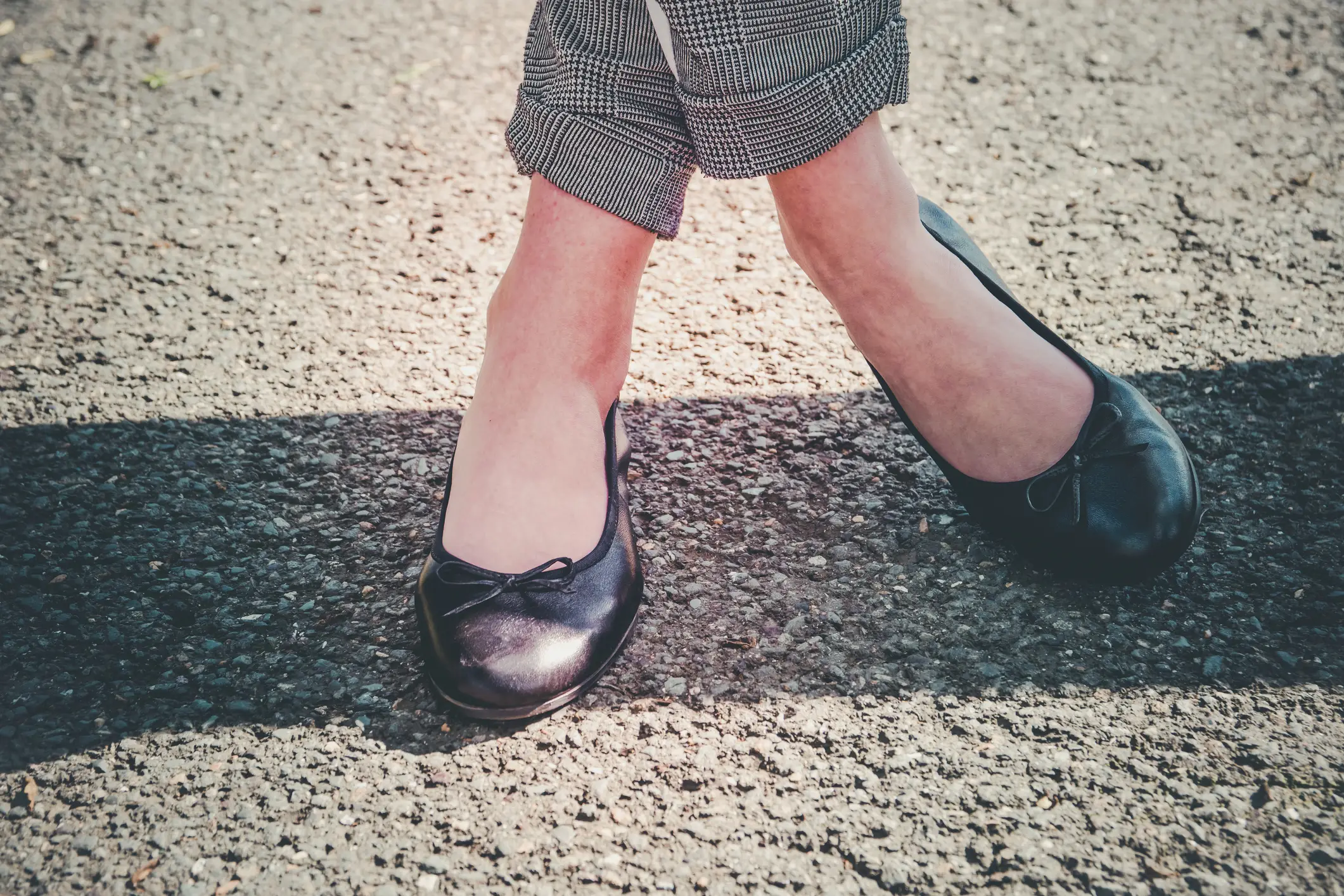
Jake helpfully outlined that warmth, moisture and enclosure are the 'three ingredients that microbes enjoy', noting: "With ballet flats, warmth and limited ventilation are often unavoidable, so moisture becomes the variable we can actually influence."
While he outlines that sweat itself is pretty odourless, Jake says: "The smell people notice is produced when naturally occurring bacteria break down components of sweat and release odorous compounds as a result.
"In many cases, the shoe becomes the problem rather than the foot itself. If a pair of shoes develops a persistent smell despite good foot hygiene, it can suggest that the shoe itself has become a reservoir for these microorganisms, meaning the problem can effectively be reintroduced every time the shoes are worn because it starts the old warm, moist enclosed environment all over again."
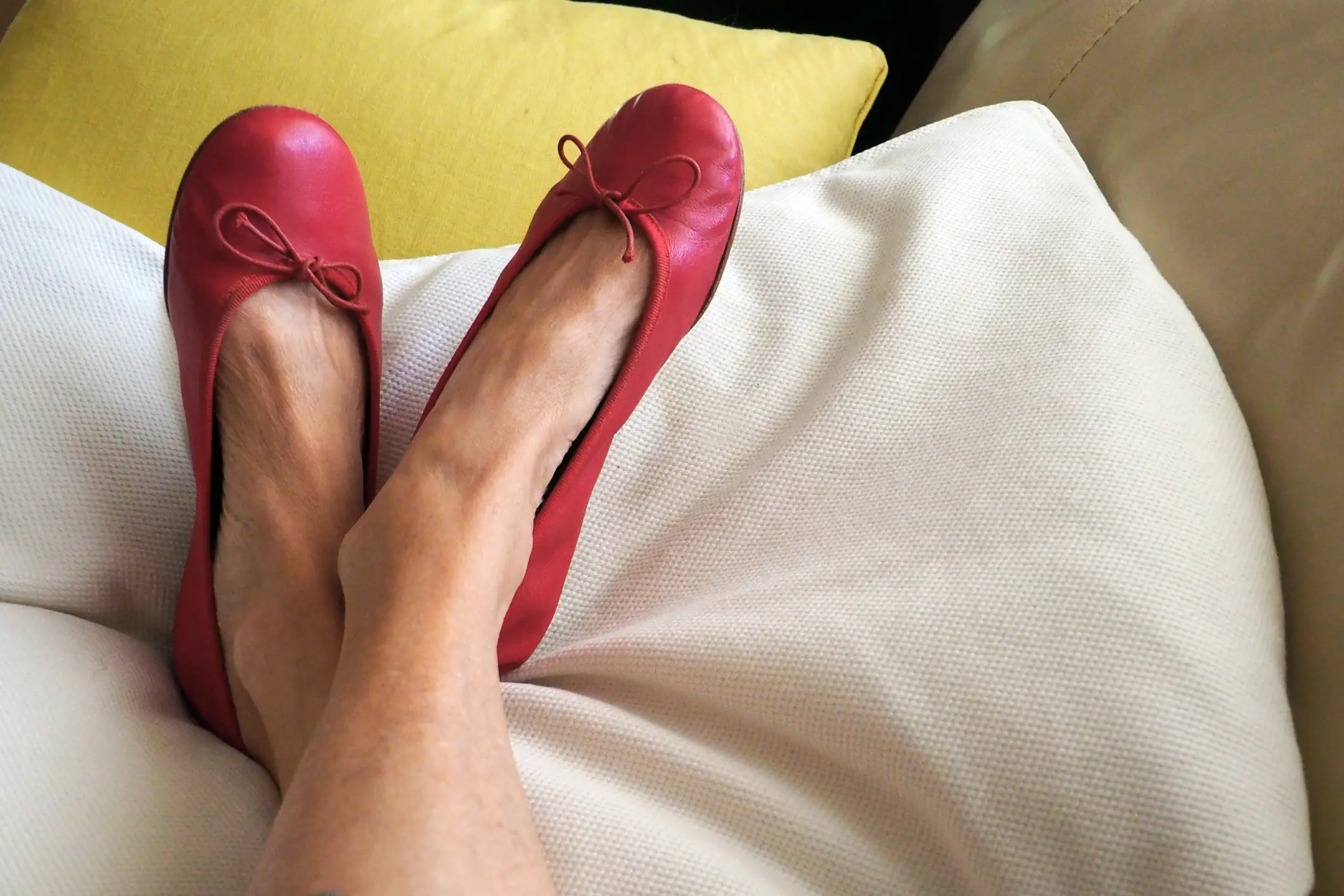
In short, your oh-so-trendy ballet flats can very quickly become the perfect greenhouse for odour-producing microbes.
Luckily, however, there are some very simple workarounds.
Jake recommends:
- Rotating footwear and allowing shoes to dry fully between wears can make a surprisingly large difference
- Surgical spirit rubbed on the feet, between toes, can help wick away moisture and dry the feet if areas between toes are looking very wet and possibly itchy due to microbes and moisture
- Dry feet properly and toes after the shower with a hairdryer on cool before heading out for the day in shoes
- Low-profile liner socks can help absorb moisture and still look sockless; some of the better ones now incorporate silver fibres or antimicrobial materials which help reduce the bacterial burden that contributes to odour.
The podiatrist explained that we should be thinking of the sweat glands in feet, the same way as the underarms.
"If your antiperspirant spray is well tolerated under the arm, it can often be used safely on the feet as well to reduce sweating and therefore disrupt the environment that allows odour-producing microbes to flourish," Jake suggested.
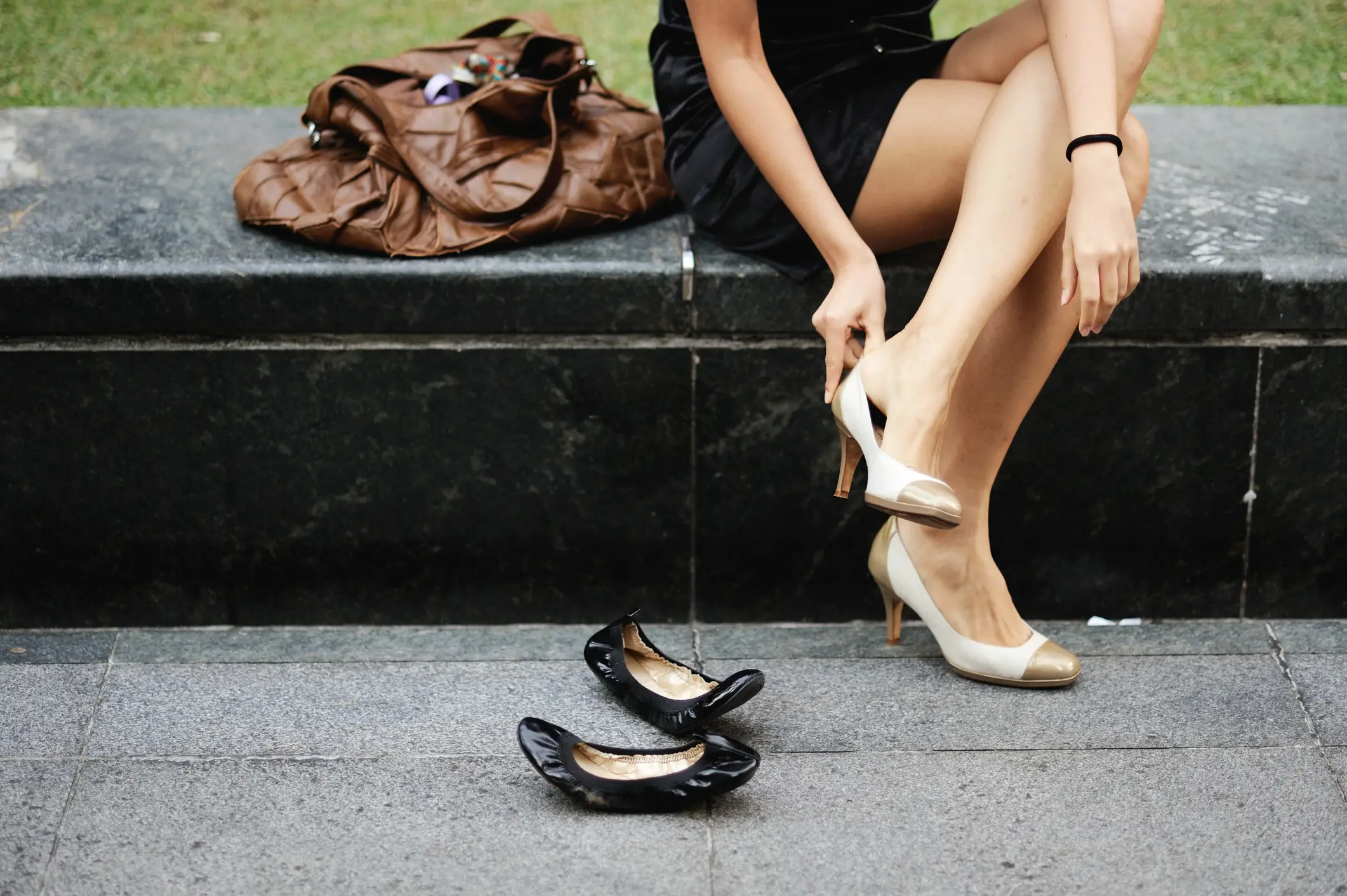
With that said, however, be sure to only use antiperspirants on healthy, intact skin. It should be avoided if there are cuts, blisters, irritation or active infections present.
For people wanting a more foot-specific option, antiperspirant foot powders work on exactly the same principle but are designed specifically for use on the feet and shoes.
"Occasional foot odour is completely normal and not something people should worry about," Jake assures. "However, there are occasions where it is worth seeking professional advice rather than simply trying to manage it at home.
"If there is pitting or crater-like areas developing in the skin, excessive sweating that leaves visible pools of moisture on the feet, breaks or splits in the skin that begin to weep or develop an odour, or any areas of unusual discolouration, it is sensible to arrange an assessment with a podiatrist or GP.
"Similarly, if somebody is simply worried or frustrated by the problem, there is no harm in seeking advice early rather than ignoring it and hoping it will disappear on its own."
The most important thing, the expert resolves, is getting the right advice, addressing the root cause and stopping the worry before it becomes a bigger problem than it needs to be.
Topics: Fashion, Social Media, Gen Z, Tyla Exclusive, Health
 Rhiannon Ingle