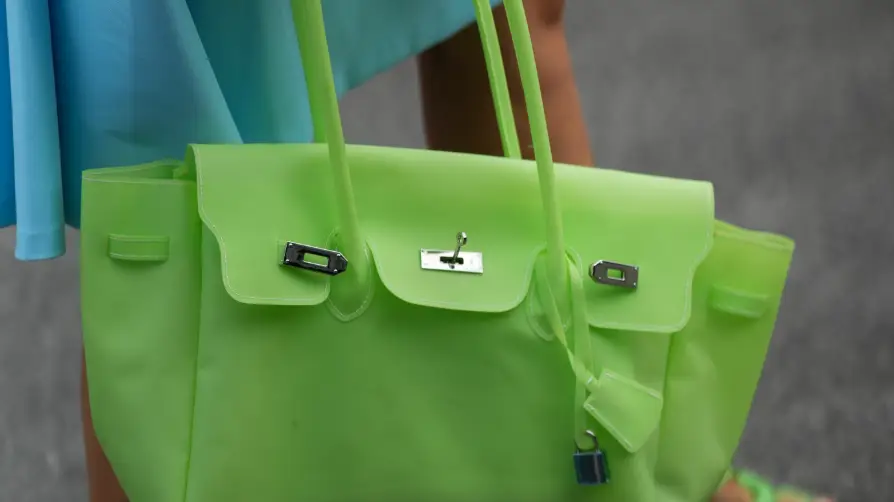
Jelly Firkin warning issued to anyone wanting to buy one as new trend sweeps Gen Z

Gen Z are absolutely loving Jelly Firkins right now.
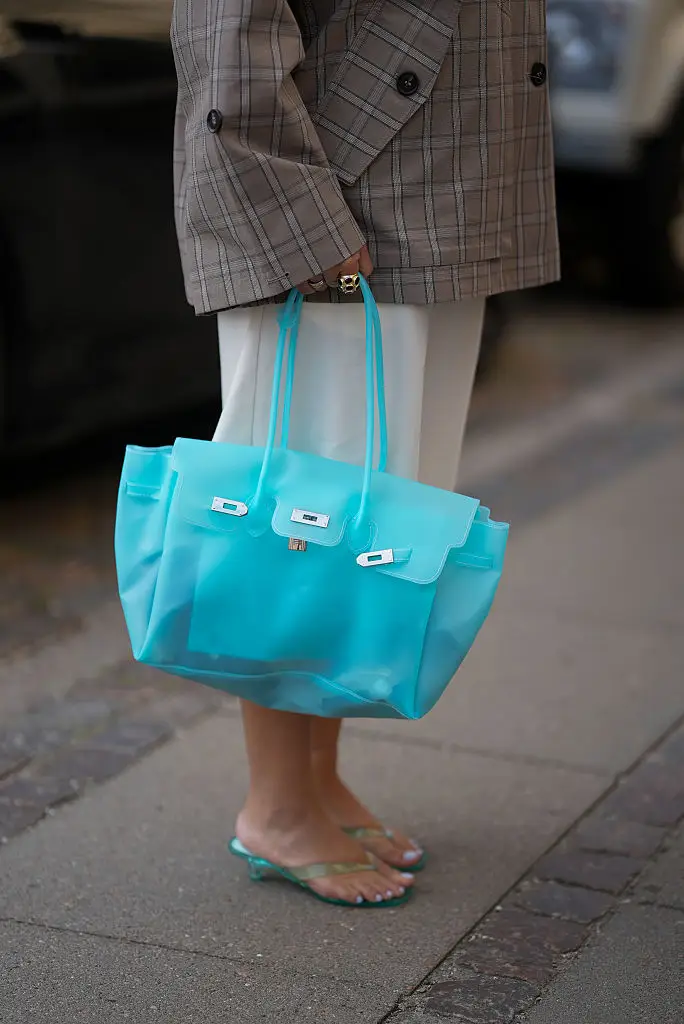
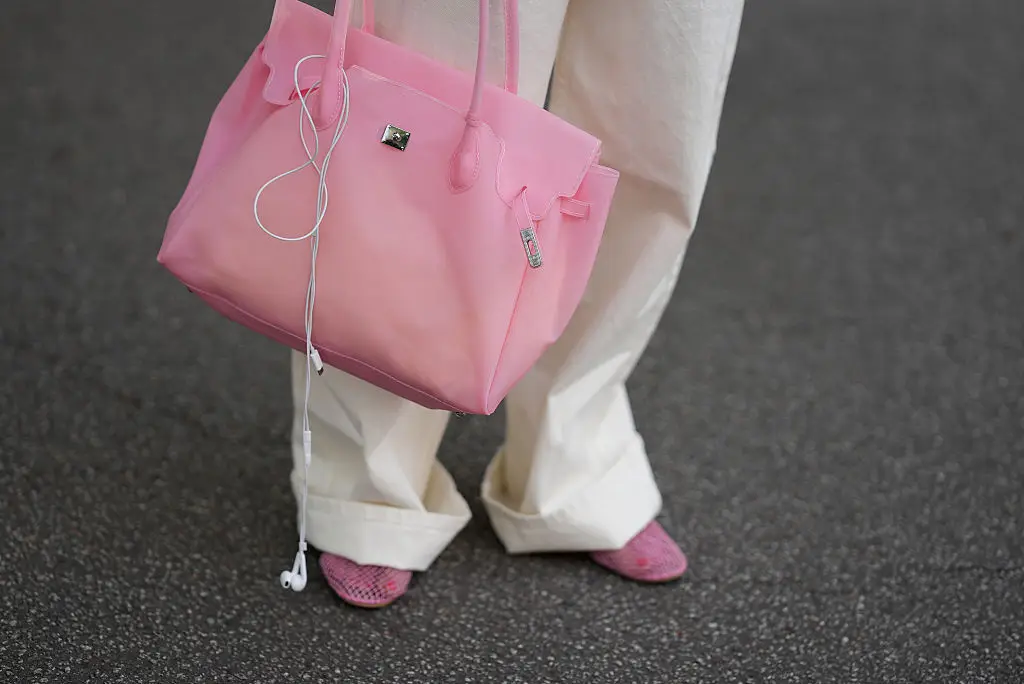
It's hard to scroll through your For You page without coming across an influencer donning the latest 'it-girl' accessory, which features the beloved silhouette of the Birkin but instead swaps out the leather for a Y2K-era jelly-like PVC.
"This bag, I think, is cuter than the original Birkin, to be honest! I love it," penned one TikTok user.
A second chimed in: "I want one so bad!"
Advert
"My problem is idk which colour I want," confessed a third as another quipped: "This bag is such a dreammm."
Others, however, weren't so sure.
"The material doesn't seem to be of very good quality... I feel like it could break very easily(?) since it's plastic," worried a fifth TikToker as a sixth slammed: "It’s just another micro trend that will die down after summer loll."
A seventh penned: "I do kinda think they are cute, but I hate the fact that it’s a micro trend that’s gonna end up in a charity shop in a few months. Would rather purchase a second-hand leather Firkin."
And a final critic declared: "It’s giving plastic landfill cr*p."
Now, while there is an official Jelly Firkin site, which sells the bags for $350 a pop, there are a bunch of other sites selling lower-quality 'dupes' for a fraction of the price, prompting many people to raise issues with the impact the 'micro trend' could have on the environment.
Nicolas Falourd, Founder & CEO of Cyber Techwear, has since exclusively explained to Tyla all we need to know about the trend and why we should be mindful before hopping on a viral fashion trend just for the sake of it.
Speaking of the jellified handbag, he explained: "It’s a playful, often translucent plastic accessory or shoe style that mixes Y2K nostalgia with utility-led silhouettes.
As for why it's boomed in popularity, the fashion expert outlined: "The look taps into summer-ready, tactile novelty (transparent materials, bright colours) and social-media-friendly visuals."
While it may seem like a fun new addition to add to your accessory wishlist, Nicolas points out that the trend is inherently linked to fast-fashion cycles and plastic-heavy construction, adding that durability and end-of-life recycling are real sustainability concerns.
"I can’t name specific influencers here, but the trend spreads quickly via short-form video and festival-driven styling," he noted.
So, how do we best navigate the trend, especially if we're tempted to nab ourselves the bag of the season?
"Treat Jelly Firkins as statement pieces," Nicolas urges. "Pair with high-quality basics, avoid single-use plastics where possible, and choose brands that disclose materials or offer greener alternatives."
Topics: Fashion, Tyla Exclusive, Life, Environment, Social Media
 Rhiannon Ingle