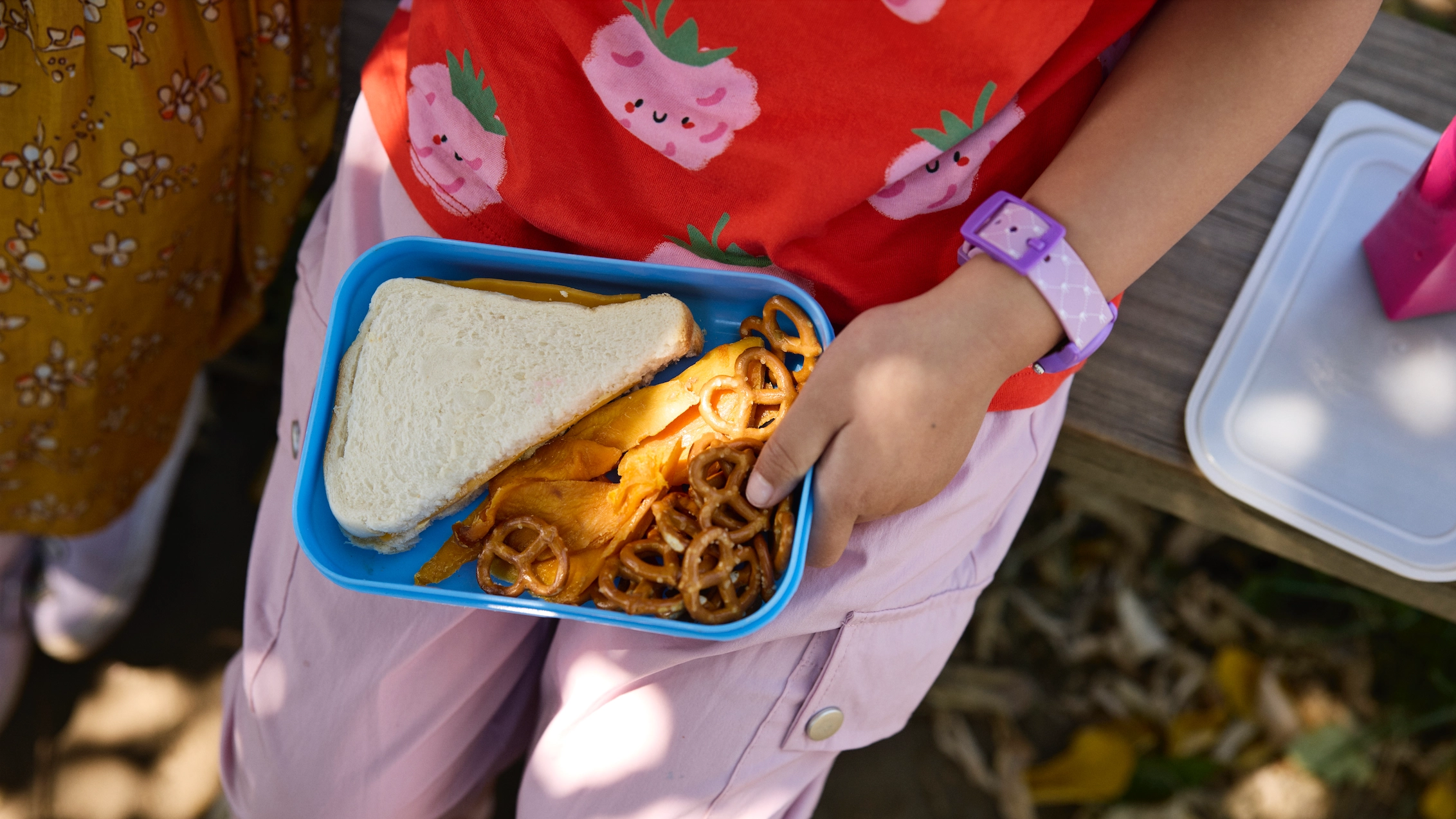
Pre-school faces backlash over 'ban' on popular lunchbox foods

Packing a lunchbox for your little one can be a bit of a juggling act, especially when you're trying to find foods they'll actually eat.
But one pre-school's strict lunchbox rules have sparked a debate online, with everything from crisps and chocolate to cheese strings and even raisins making the list of forbidden foods.
The notice, which appears to have been shared by a primary school on Facebook, was brought to wider attention after a man posted about it on X (keeping the school anonymous), asking users what they made of the rules.
And it's fair to say people have some strong opinions.
Advert
The three-page notice, titled 'IMPORTANT NOTICE FOR PARENTS & CARERS - LUNCH BOX REMINDERS', explained that the school was committed to keeping children 'safe, healthy and happy'.
It also warned parents that, over the coming days, they might find slips of paper coming home in their children's lunchboxes.
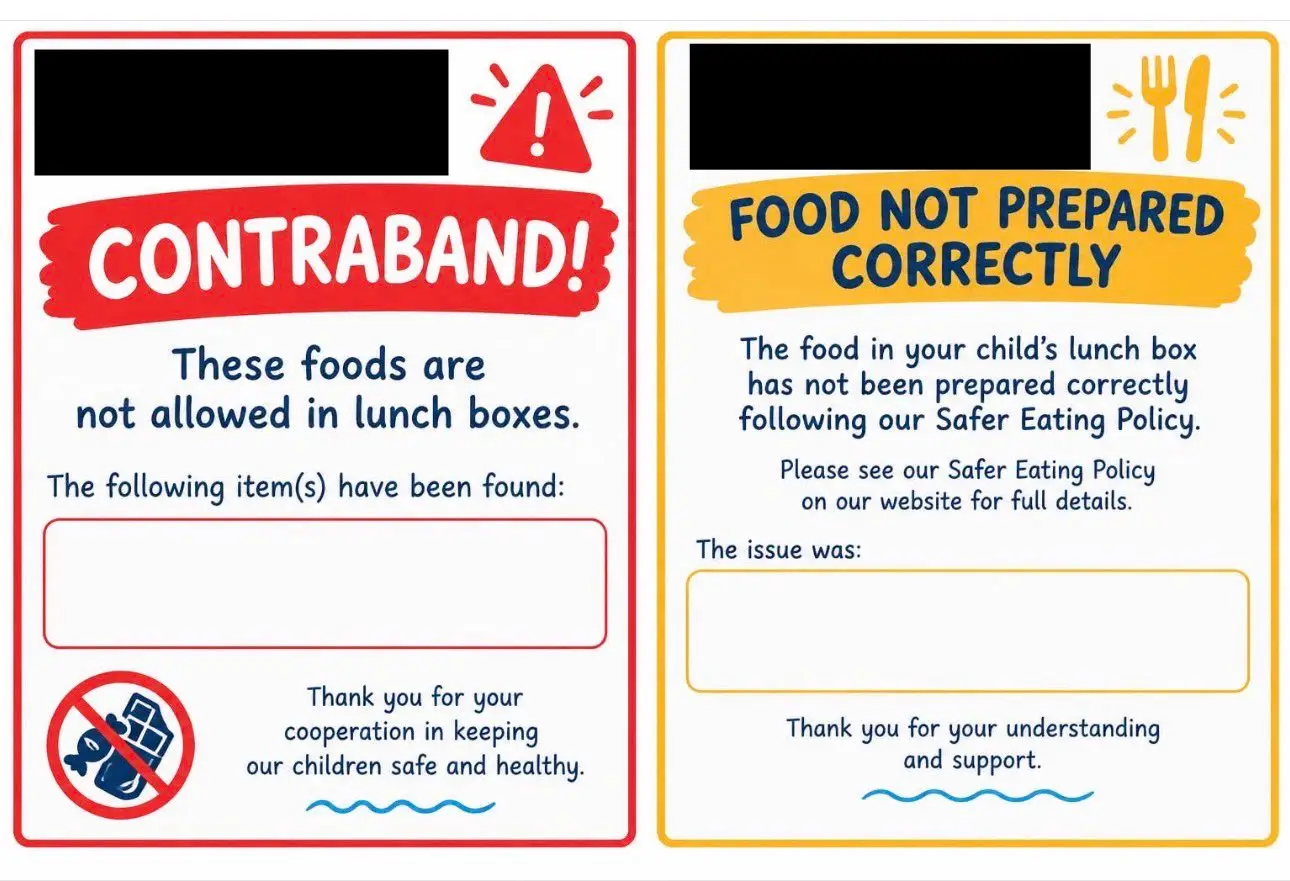
"These slips will inform you if any items have been included that are not permitted under our Safer Eating Policy, or if food has not been prepared safely," the controversial notice read.
"These measures support the government's healthy eating guidance, the Early Years Foundation Stage (EYFS) requirements and the standards Ofsted considers when inspecting early years settings. They help us promote healthy eating, support children's wellbeing and reduce the risk of choking."
The second page then laid out the foods parents were asked to leave out of their little ones' lunchboxes.
Below was stated: "Please ensure the following items are not included in your child's lunch box: crisps, chocolate, chocolate brioche, biscuits, cake bars, sausages, cheese strings, raisins (unless each raisin is cut in half), any other highly processed foods."
But it wasn't just about what children were eating.
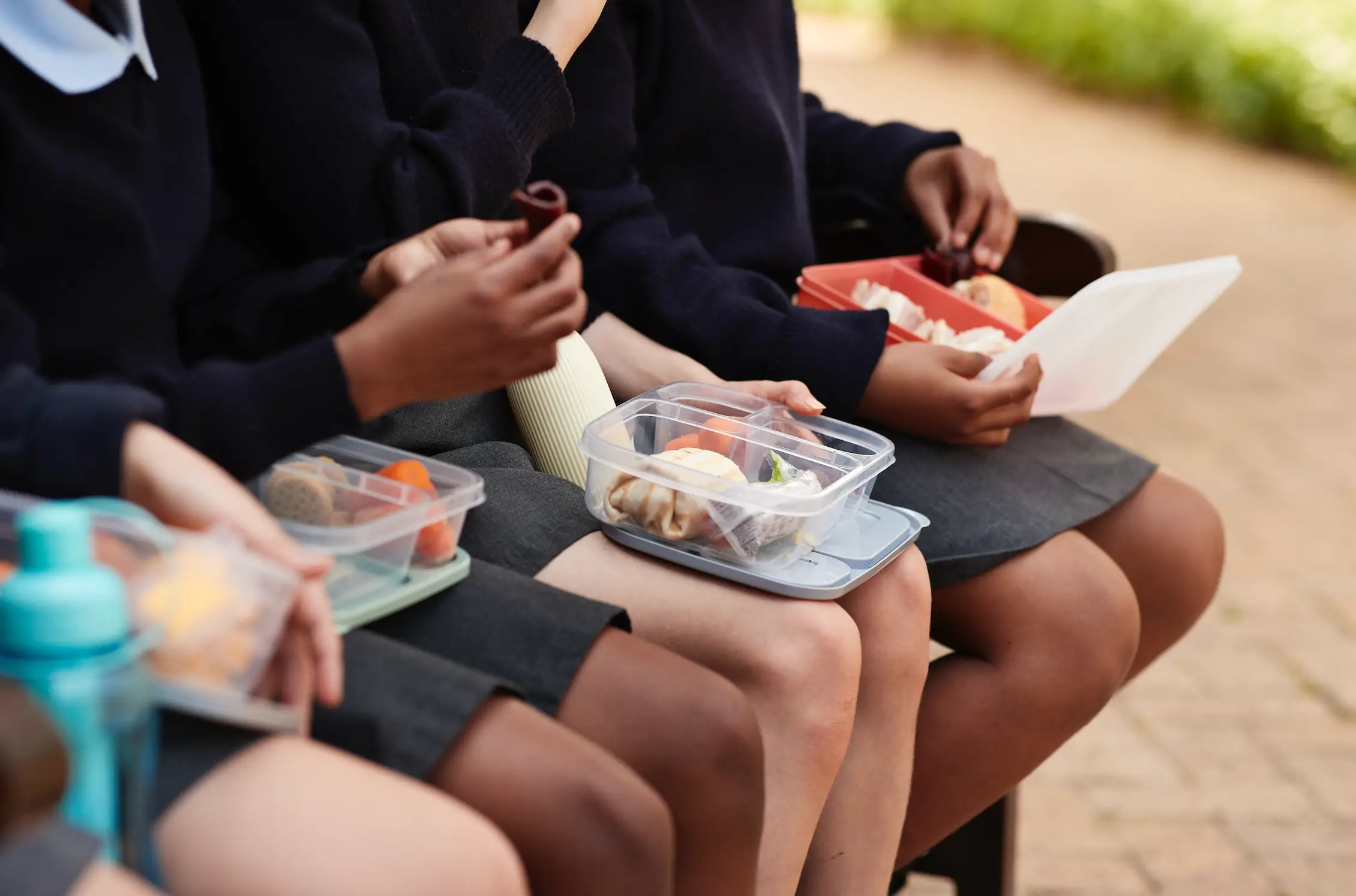
The school also provided detailed instructions on how certain foods should be prepared, explaining that this was intended to reduce the risk of choking.
"It is equally important that food is prepared appropriately before being placed in your child's lunch box, helping to reduce the risk of choking," they wrote.
The notice then encouraged parents to 'please remember':
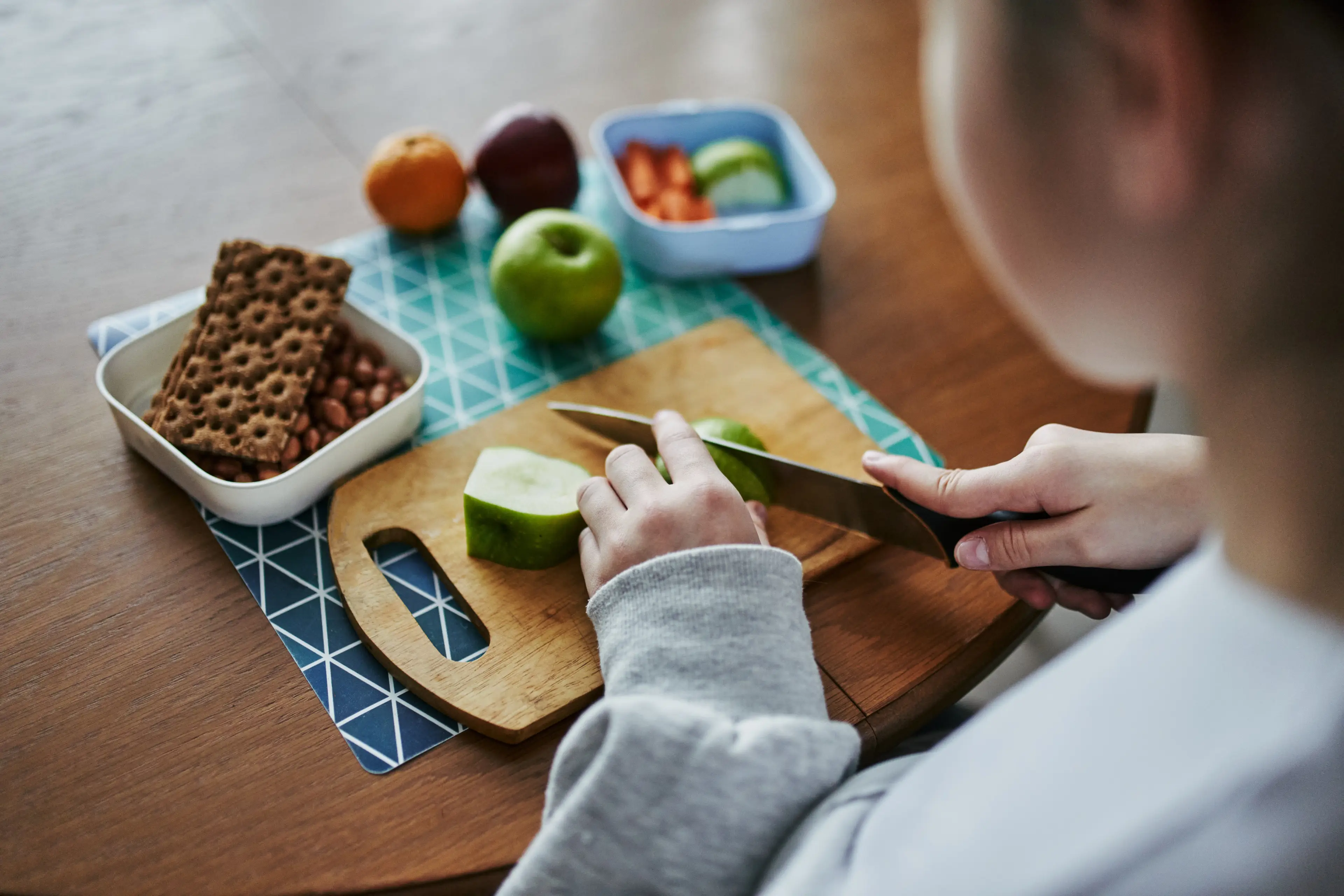
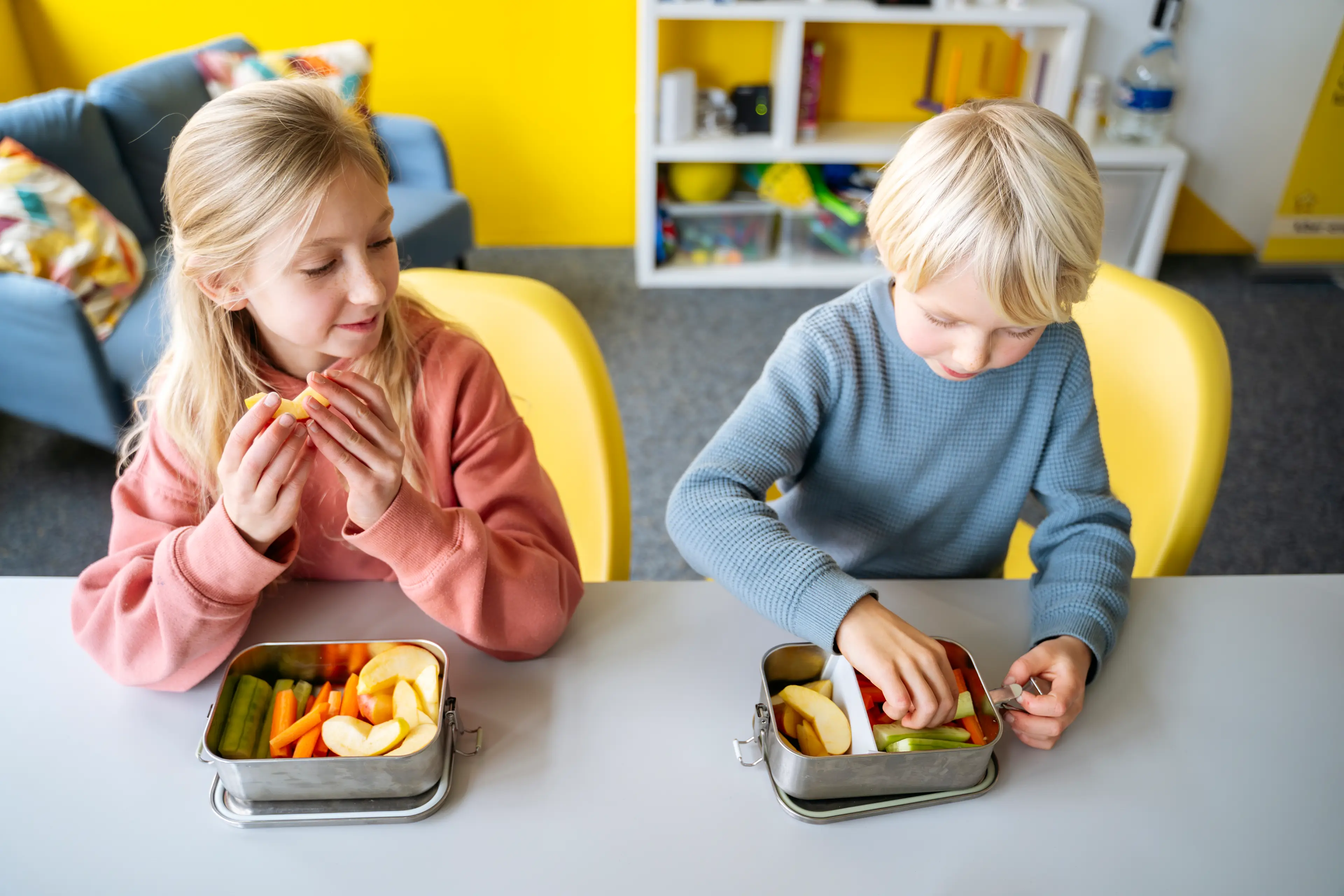
- "Larger and harder fruits: apples, pears and melons should be cut into thin slices."
- "Small fruits: grapes, cherries, berries, strawberries and cherry tomatoes should be cut lengthways into quarters."
- "Oranges: must be peeled, segmented and checked for pips."
- "Vegetables: carrot, cucumbers, peppers and celery should be cut into narrow batons or sticks."
- "Cheese: should be cut into thin strips or grated. Please avoid cheese strings."
- "Bread: white bread should not be included in lunch boxes, as it can form a dough-like ball in the throat and pose a choking risk if not chewed properly. Brown bread or toasted white bread are alternatives. Bread, chapatis, naan and other breads should be cut into narrow strips."
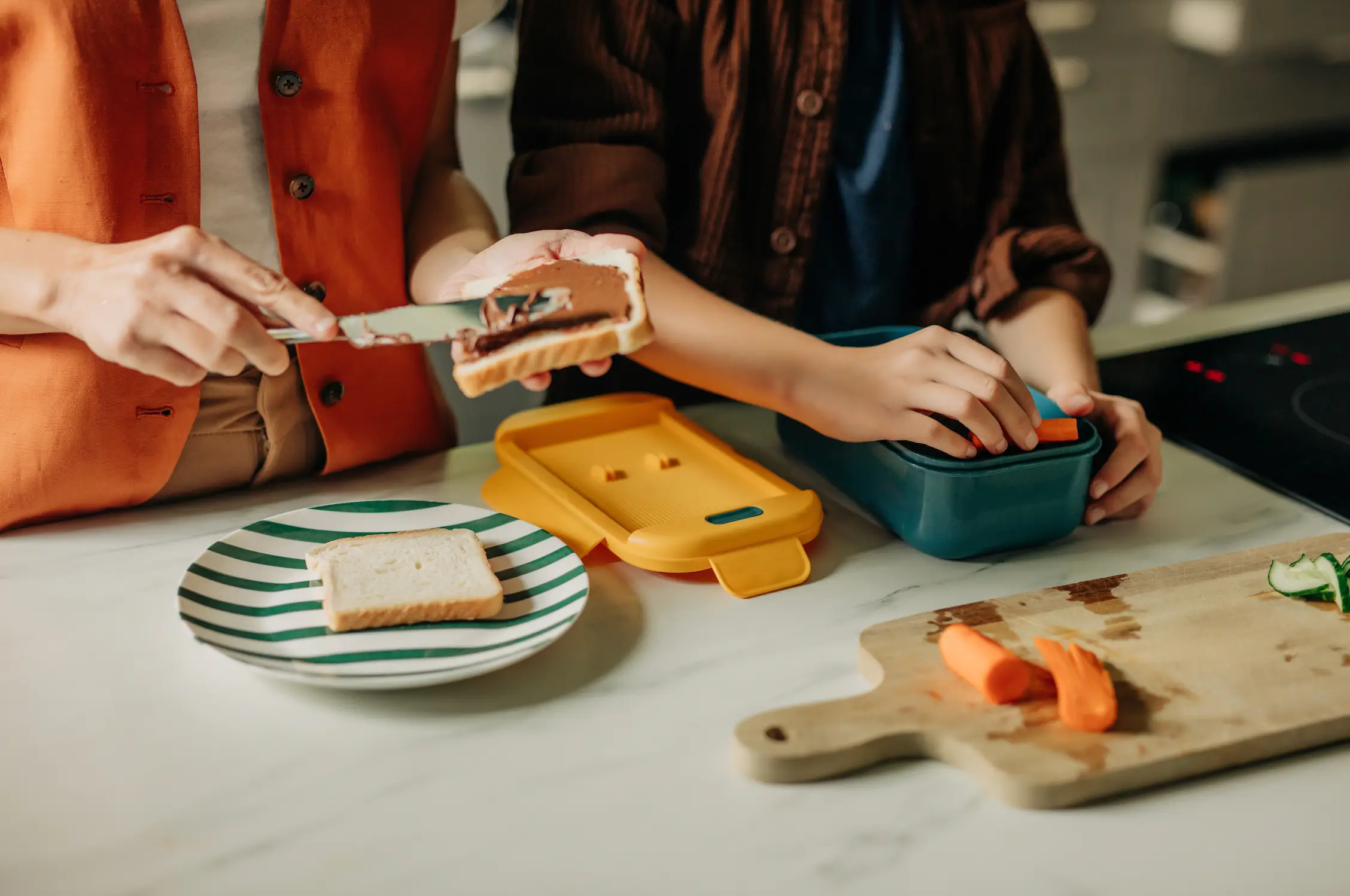
The school ended the notice by acknowledging that the reminders might require 'a little extra preparation', thanking parents for their understanding and stressing that the slips were not intended to cause concern or embarrassment.
Instead, it said, the aim was to ensure families worked together to follow the policy and keep children safe.
After the notice was shared on X by a concerned user, others were quick to weigh in, with some backing the school and others questioning whether certain rules were excessive.
For some, the choking risks associated with particular foods were reason enough to support the measures.
One person, who identified themselves as a retired childcare specialist, penned: "As a retired childcare specialist, safety is crucially important. Choking is a real concern, and children can die."
They added, however, that a lack of supervision during mealtimes could have a greater impact on reducing hazards.
Another user, who said they were a headteacher, recalled having to intervene when a child choked on a grape in their lunchbox.
They explained that they subsequently asked parents to ensure grapes were cut in half, adding: "Some of this sounds over the top but safety first always in schools."
Others were more sympathetic to the school's intentions but questioned some of the finer details.
One X user argued that the rules largely made sense in a pre-school environment, where young children were still developing their eating skills, and adults might not immediately spot a choking incident.
They also understood the desire to limit junk food, but took issue with the specific mention of chocolate brioche, suggesting it felt as though the school was closing a loophole.
Another added: "I do agree that Grapes should be cut up. (Raisins though ?!?!) But I do think that if a child wants a sandwich on white bread or a cake alongside other healthier snacks, that isn’t wrong. I grew up in the 80s - a white roll, an apple and a bag of salt and shake for lunch!"
However, other commenters were considerably less impressed by the notice.
One person described the instruction to cut raisins in half as 'the most neurotic thing I've ever heard of', going on to accuse the school of bullying parents.
Another asked: "It's a wonder any of us survived since food is so hazardous. String cheese? Really?"
Others questioned the message the rules might send to children about food.
"Demonising foods as 'contraband' is not healthy eating; it's teaching the wrong lesson," they hit out. "Food can't be 'good' or 'bad', it's just... food. Much better to teach the kids moderation."
The same user also suggested that if schools were going to be so strict about what children ate, they should consider preparing meals for them instead.
Another commenter raised concerns about the potential impact on children's development, arguing that eating and chewing were vital skills.
"We already have a problem with toddlers developing speech issues because they were raised on slop pouches," they explained. "Eating and chewing are important for development and measures like this could be hugely counterproductive."
Meanwhile, one person compared the policy with their own experience of nursery, saying they had been encouraged to promote healthy eating through information and education rather than sending home slips that could feel like a telling-off.
Another added: "This is an insane type of hovering and anxiety over something as basic as eating that will promote eating disorders. Is it any wonder the kids have severe anxiety about life in general? This is what adults are teaching them."
The debate arrives as the government prepares to introduce updated school food standards in England, with a greater emphasis on healthier meals for young children.
The British Government announced plans back in September to overhaul school food standards, with the proposed changes expected to take effect from September 2027, subject to parliamentary approval.
The plans aim to reduce foods high in fat, sugar and salt while encouraging schools to serve more fruit, vegetables, fibre and whole grains.
Under the proposals, certain foods would be restricted or served less frequently, with changes also planned for breakfast clubs and school menus.
Topics: Food and Drink, Parenting, UK News, News, Real Life
 Rhianna Benson