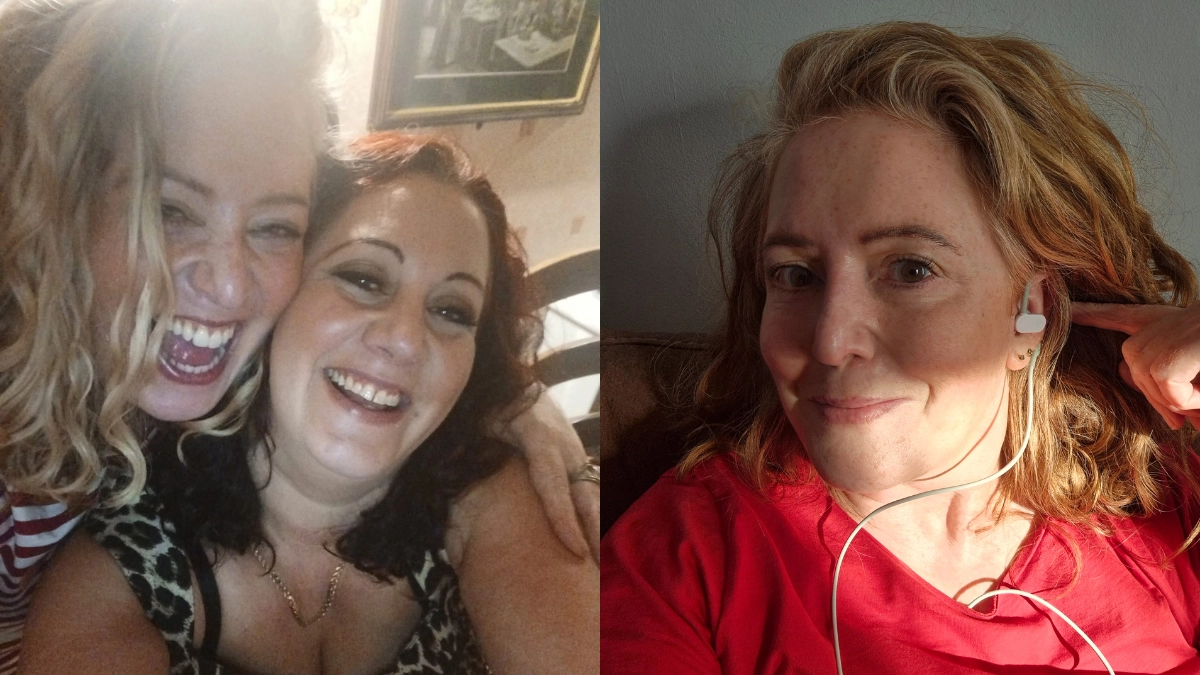
‘I thought I was just a miserable person’: woman on the realisation that changed everything after 15 years

Before she’d even opened her eyes, Rita Simpson already felt it: the heavy, sinking dread that had greeted her every morning for 15 years.
At work she was capable, composed and the person everyone relied on. Inside, she was exhausted. After so long, she started to believe that being unhappy was simply part of her personality.
The charity worker started reading about the vagus nerve and how the body handles stress. Plus earlier ear acupuncture had left her unexpectedly calm, which made her curious about a small ear gadget that could help her overall wellbeing.
What is the vagus nerve?
The vagus nerve plays a big part in things you don’t consciously control, like your heart rate, digestion and how your body handles stress. It helps you switch from ‘flight or fight’ mode into ‘rest and recover’ mode, which is the state most of us struggle with to reach after a long day.
Advert
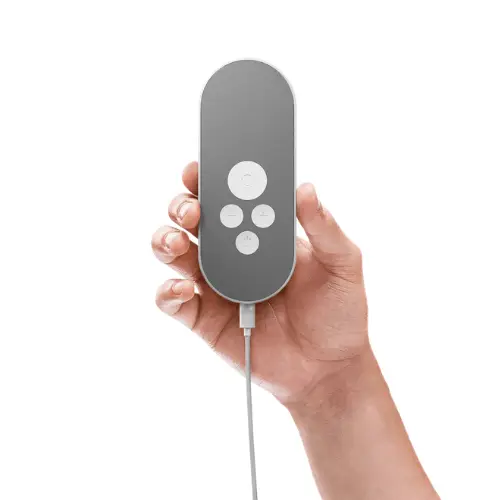
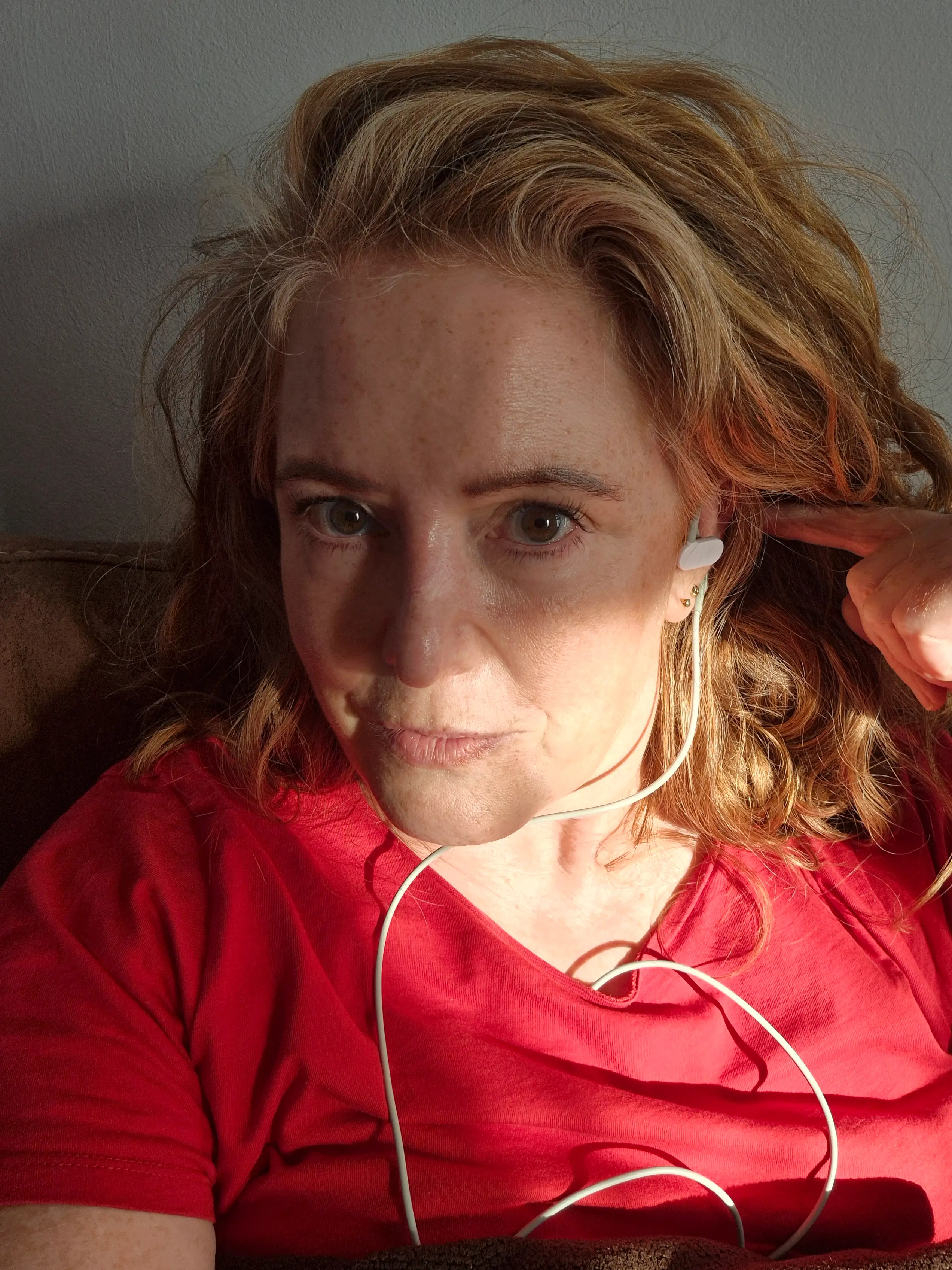
The Nurosym device clips on to the tragus, a small flap of cartilage in front of your ear canal. It then sends gentle electrical pulses to a branch of the vagus nerve that sits close to the skin there.
For Rita, she noticed a feeling of calm during her first session with Nurosym.
And after around six months of daily use, Rita reported feeling calmer throughout the day, better able to handle stressful situations and less emotionally reactive at work.
She says she no longer turns to alcohol to cope with difficult feelings and that the suicidal thoughts she previously experienced have gone.
“My mind will still try to worry and make me feel certain ways, but my body won’t join in anymore.
“My mind does what it has always done, but the thoughts don’t snowball into something bigger. They die off.”
Before she'd even had time to think about the day ahead, the 49-year-old from Devon, was already felt anxious, unhappy and emotionally exhausted.
After living this way for so long, she began to believe that perhaps being miserable was simply part of her personality.
“I was told I was really good at masking, which is a handy skill to have, but it’s also exhausting,” Rita recalls.
“You’re feeling one thing but showing something different. You can feel quite fake even though you’re not.”
At her lowest points, Rita sometimes turned to alcohol to escape her feelings and experienced suicidal thoughts.
Despite seeking professional support, including private therapy and Eye Movement Desensitisation and Reprocessing (EMDR), she says the underlying dread remained.
After researching the vagus nerve and its role in regulating the body's response to stress, Rita discovered Nurosym.
Having previously experienced a sense of calm following ear acupuncture, she was interested in exploring whether non-invasive vagus nerve stimulation could become part of her daily wellbeing routine.
What is Nurosym?
Nurosym is a CE-certified medical device developed by Parasym and costs £599.
Worn on the ear, it uses proprietary auricular vagal neuromodulation technology (AVNT™) to deliver gentle, targeted electrical impulses to the auricular branch of the vagus nerve.
Unlike invasive forms of vagus nerve stimulation, the gadget, which is the same tech used by biohacker Bryan Jonshon, requires no surgery.
It can be used at home as part of a regular daily routine, making the technology accessible to people interested in stress regulation, sleep, fatigue, recovery and overall nervous-system health.
Nurosym is supported by an expanding body of scientific research into vagus nerve stimulation and nervous-system health. The brand reports more than 60 clinical studies, with findings from cited research including:
- Up to a 35% reduction in anxiety
- Up to a 48% reduction in fatigue
- Up to a 31% improvement in sleep quality
- Up to a 32% increase in memory recall
- Up to a 78% decrease in inflammation
These findings relate to individual studies and should not be interpreted as guaranteed outcomes for every user.
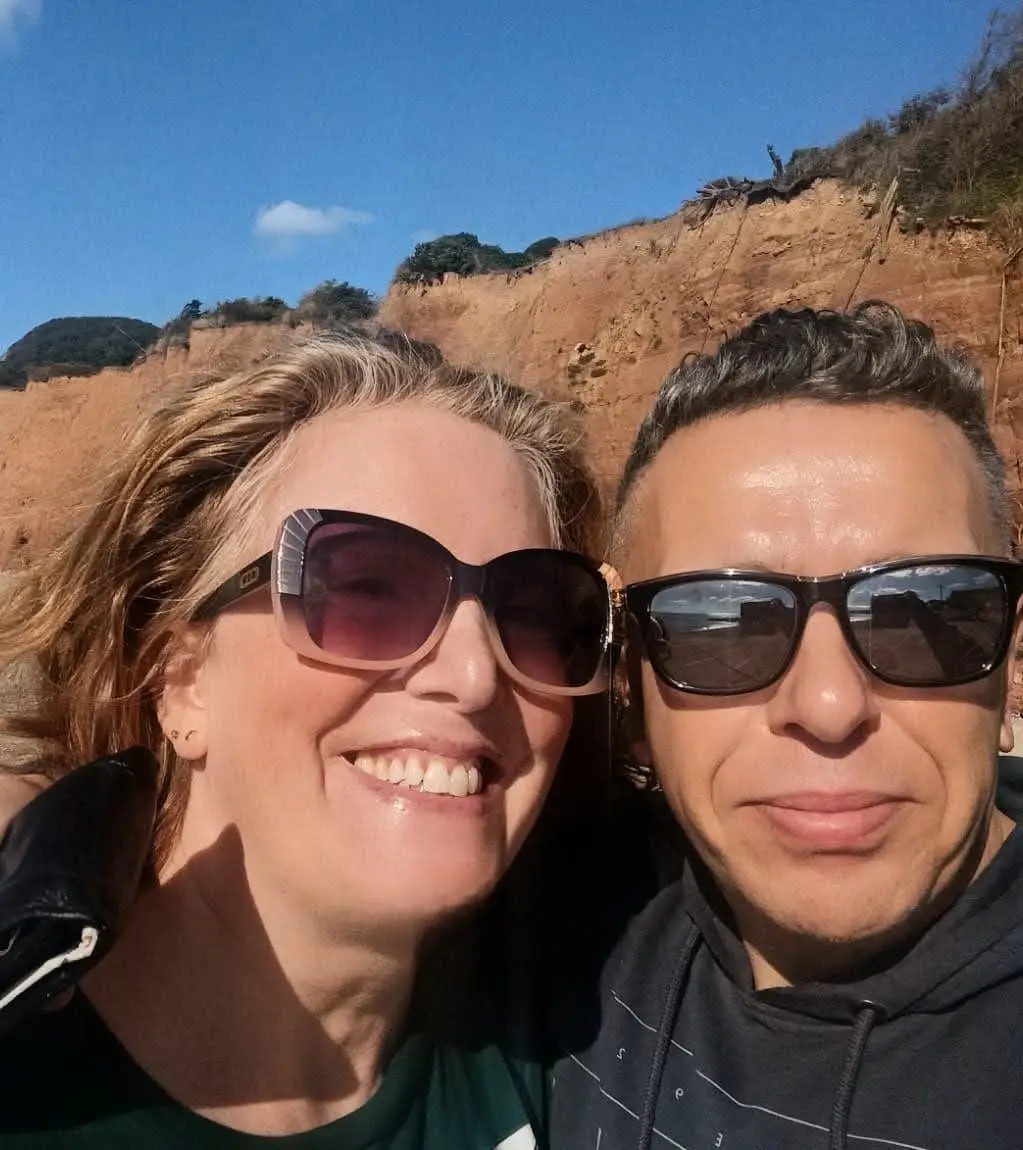
The most meaningful change since using the Nurosym gadget has been rediscovering the happy, confident person she thought she'd lost.
After returning to relief work supporting adults with learning disabilities, a job she'd also done around 20 years earlier, Rita encountered people who remembered her from that time.
Their memories of her as an outgoing, confident person reminded her that she hadn't always felt unhappy and overwhelmed.
“Now I’m doing that job again and noticing the same thing. I feel like a different person, but I also remember that I used to feel like this.”
“Nothing else I tried did this for me. It has given me hope because I know this isn’t how I always was, so it doesn’t have to be who I am.”
 Natalie Corner