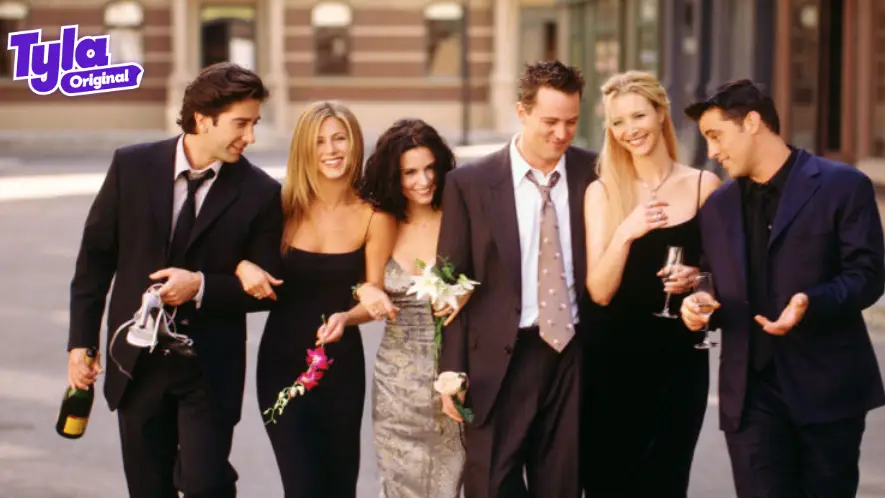
'Friends convinced me this is what adult friendships would be like - I was so wrong'

I’ve watched every episode of Friends so many times that I could probably recite the lines along with the characters - and I know I’m not the only one.
The dream of a big, tight-knit adult friend group in your 20s, whom you see almost every day and celebrate every milestone with, is one that shows like Friends, How I Met Your Mother, and The Big Bang Theory have bestowed upon both Gen Z and Millennials alike.
From having a designated hang-out spot at your local pub to being able to pop around to their apartment whenever you feel like it, and always being able to rely on each other, I can’t help but feel like the adult friend group has sadly become a myth in 2026.
It’s a fantasy that many of us, including myself, have spent years chasing, only to be met with another ‘catch-up’ dinner scheduled two calendar months in advance and a holiday that simply cannot make it past the ‘what date is everyone free?’ stage.
Advert
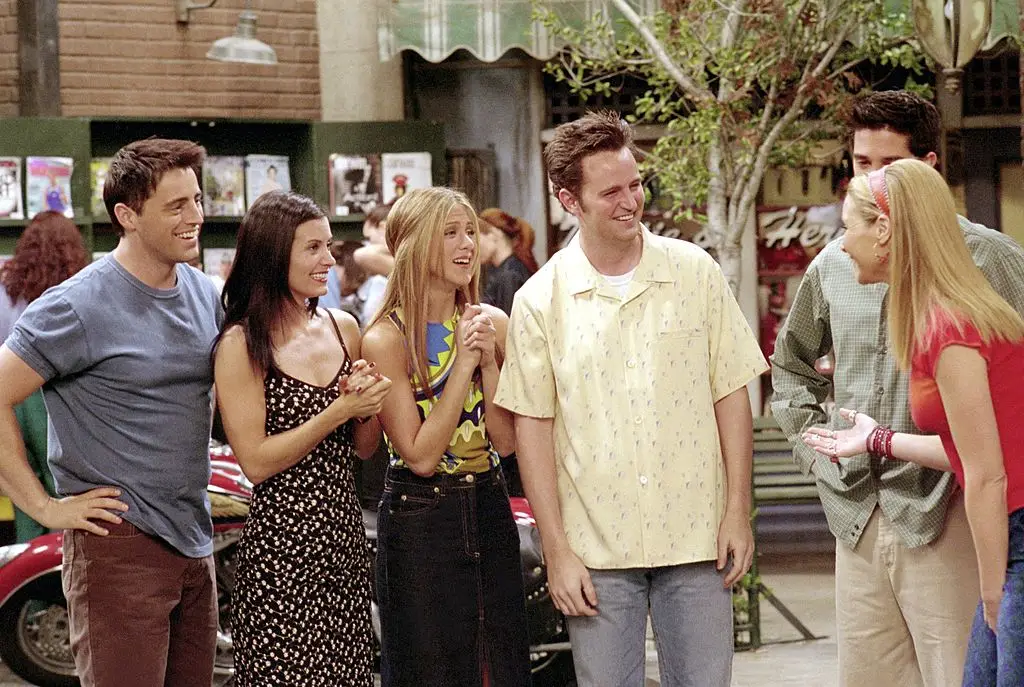
Don’t get me wrong, I have many individual close friends who I love and bring so much to my life, but any type of group I try to push together just hasn’t lived up to the unrealistic expectations set by 1990s telly.
So, with today (22 September) marking the 32 years since we first met Rachel, Monica, Phoebe, Joey, Chandler, and Ross, I delved into the reasons why having a big adult friendship group feels so unattainable - and why we’re still obsessed with the idea.
Clinical psychologist Dr Tracy King explained to Tyla that a group is ‘an anchor through change,’ with our pals who have been around for a long time being able to recall different versions of ourselves that no longer exist.
Essentially, having a super close group of longtime friends provides a sense of safety and security - you know they’re going to be there always, even if you, like Ross, say the wrong name at the altar at your wedding, or wear a pair of way too tight leather pants.
She explained: “As children, our identity and sense of self are shaped by what is reflected back to us by our parents and the world. This is the same with friends.
“Someone saying ‘I remember when you…’ helps us to feel seen and allows us to make links between who we are and who we were, giving a sense of continuity.
“In Friends, Rachel has walked away from her wedding at the start and has to build a new, more independent adult identity. She shares a past with Monica. History helps connection.”
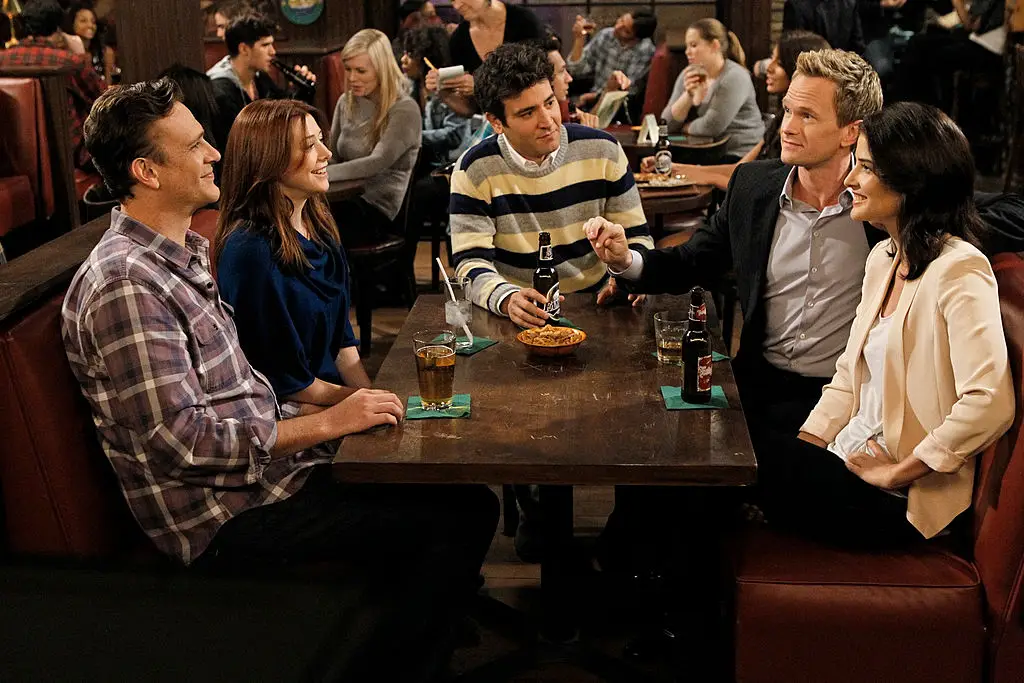
Dr King added: “I think the type of friendship group we see in these shows is not about wanting to be popular as we have more friends, but it’s about wanting to be safe, seen, authentic, and accepted as a whole person by the group entity itself.
"It is not simply the part of ourselves that may be safe to show in a one-to-one connection where perhaps that person does not understand parts of us or have the capacity to be present with the thoughts and feelings we have at any given time.”
The psychologist outlined that shows like Friends also 'tap into a number of layers of connection we seek as humans’.
She told Tyla: “One aspect is availability. People are simply there and present. There is no need to plan to meet up; they just walk into each other’s homes and sit with the everyday elements of life, like eating and doing nothing. It is safe and is like a chosen family.
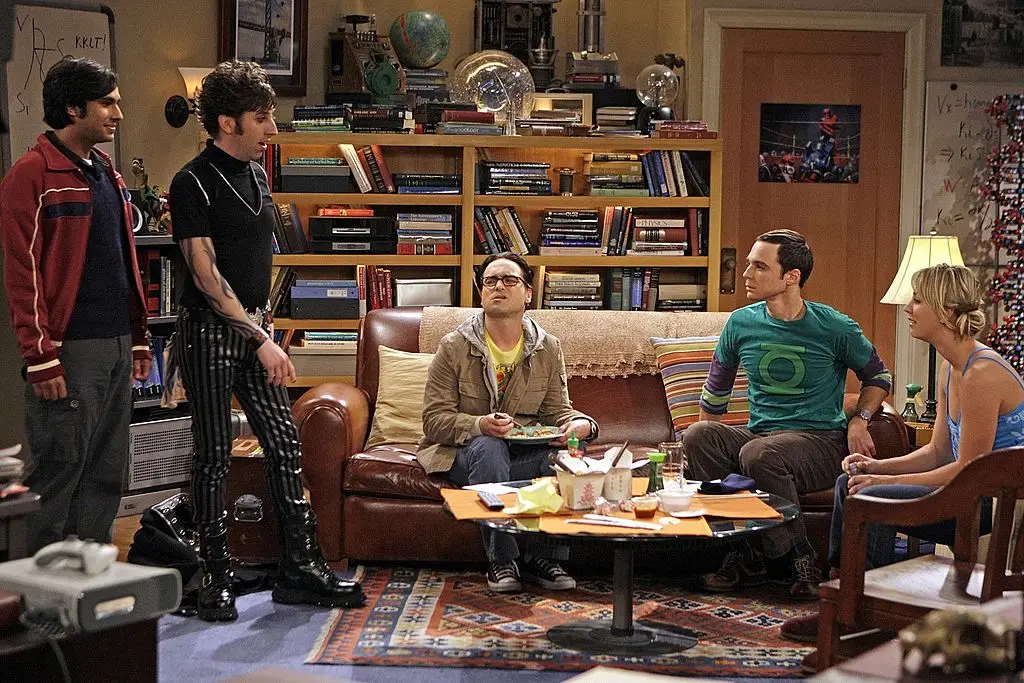
“In Friends, Central Perk and Monica’s apartment act as extensions of the friendship group; everyone knows they will simply be there, much like Leonard and Sheldon’s apartment becoming the centre of the group [in The Big Bang Theory].
“They have takeaways together, meet at the university, go to the comic book store, and repeat the same routines each week. The repetition is a sign of safety, as it is predictable.”
Dr King pointed out that, interestingly, the ‘ordinary’ bits of life are really important, as these are when ‘someone can see what mood we are in and they just know what is happening in our lives, as they observe it’.
So, even if we make a million fancy dinner plans and always show up for special occasions like birthdays and Christmas, the normal day-to-day is where we really crave that connection, but it’s harder to get.
The expert said: “There is far less need for an edited narrative where masking may begin. Both shows show closeness developing in the ordinary.
“There is also a balance of emotional and mental load. There may be one friend you find funny, one who is great in a crisis, another who always challenges you, and one more who helps you focus and make decisions. There is no reliance on one relationship.
“In life outside of a friendship group, we may expect one friend to be all things. Also, if one person is not available, the sense of belonging and connection has not gone, as the group is its own entity and still exists. We feel safer when support feels available and predictable.”
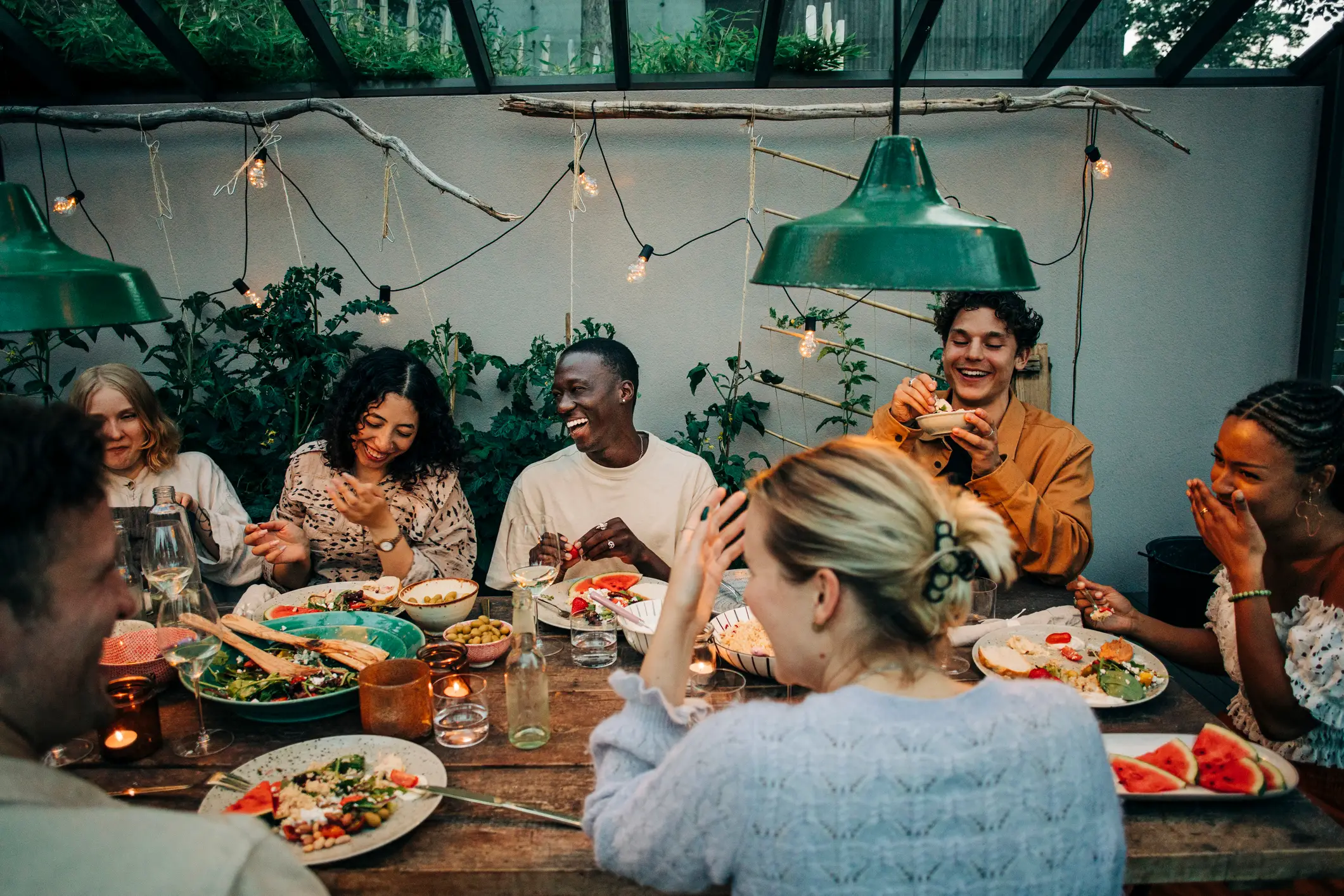
So, why does it feel like, no matter how many sitcoms we watch, what we’re seeing on screen could never manifest into real life?
Well, being an adult unfortunately removes the natural structures, like school or university, that force us to be near each other every day.
If you want a friend group to survive, you have to really work at it - and I mean really work at it - and this is something that a lot of people simply don’t have time for.
When you throw in a 9-5, household chores, hobbies, and fitness, there’s sadly little room left for ‘just hanging out’ - unless you live with your friends, which makes it a whole lot easier. Proximity is a lot more important than we realise, and sometimes, the randomly thrown-together Spareroom group chat will become the besties you always imagined your high school friends would be.
Social media also plays a huge part; to catch up with pals in 2026, they’re just a text message a day, which basically takes away the need to see them in person.
With different careers and priorities, we’re all being pulled in different directions, so moving to the same city is hard enough, never mind moving to the same building.
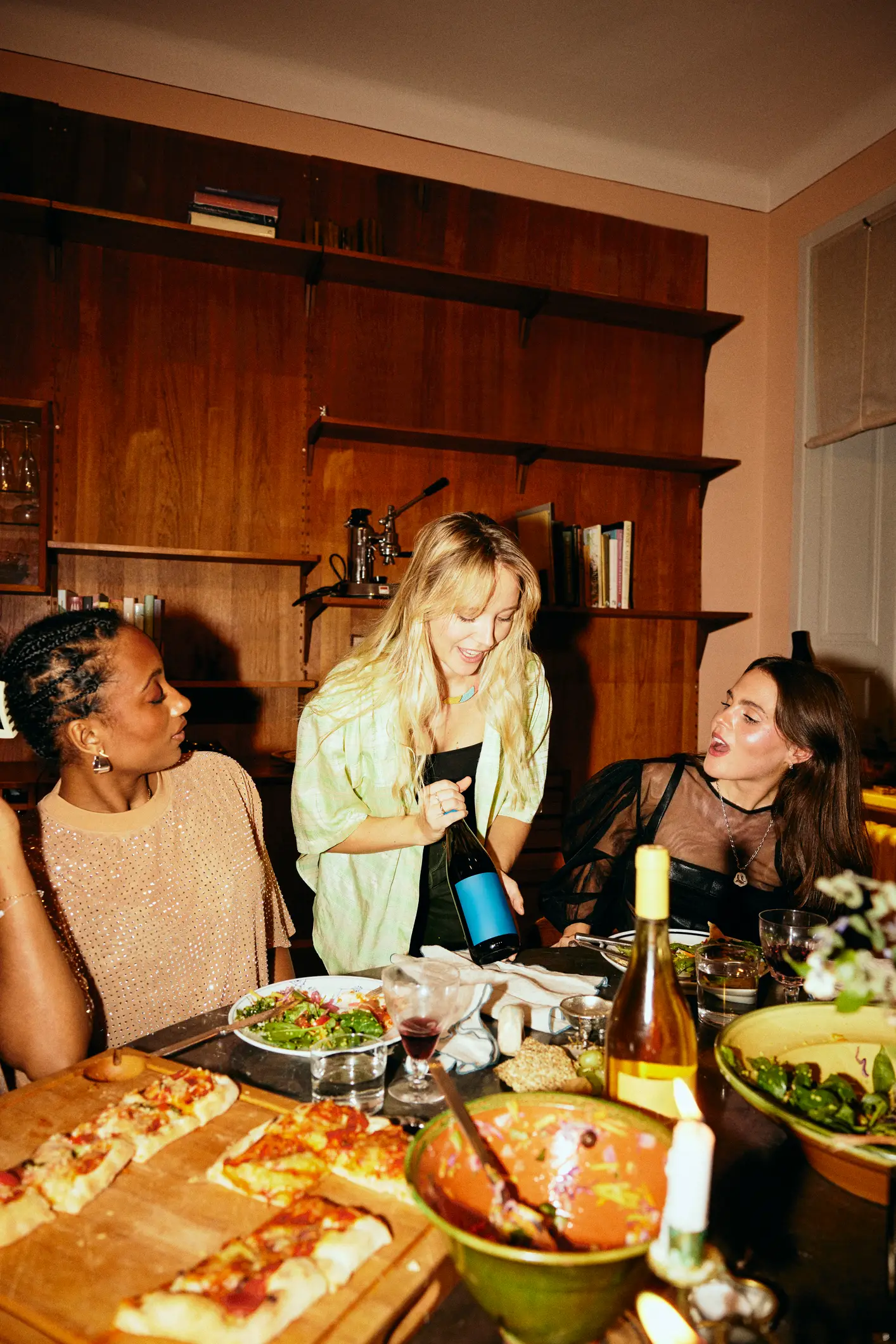
Without generalising, there’s also been widespread conversation about how Gen Z can also be very fast to cut people off and ‘protect their peace’.
Psychotherapist Claire Law previously told Tyla: “The ideas of ‘protecting your peace,’ ‘cutting off toxic people,’ and ‘you don’t owe anyone anything’ are being communicated in a way that is short and simple.
“While those are very empowering messages in a genuinely toxic situation, they also lack the nuance that real relationships require."
I’ve heard of countless experiences where friends have cancelled on plans in the name of self-care, but to make it work as a group in 2026, you have to be a villager.
It goes back to the age-old saying: "Everyone wants a village, but no one wants to be a villager," which basically means that being a good friend sometimes means showing up for someone even when it’s inconvenient.
So, try not to be disheartened if you don't have a picture-perfect, huge friendship group - the secret is, not many of us really do. If you want your very own Rachel and Joey in your life, though, be prepared to put in the work!
In the words of Rachel and Monica: "Welcome to the real world! It sucks. You're gonna love it!"
Topics: Friends, Mental Health, Gen Z, TV And Film, Entertainment, Real Life
 Madison Burgess