Parents issued warning after AI teddy bear makes disturbing threats to child

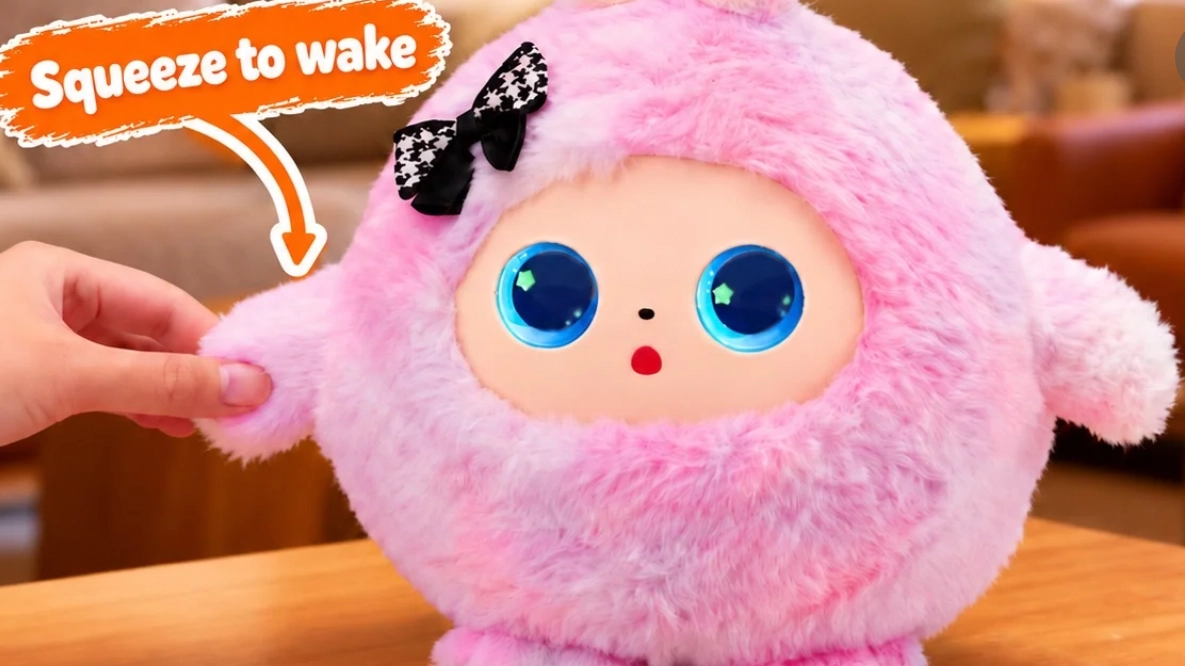
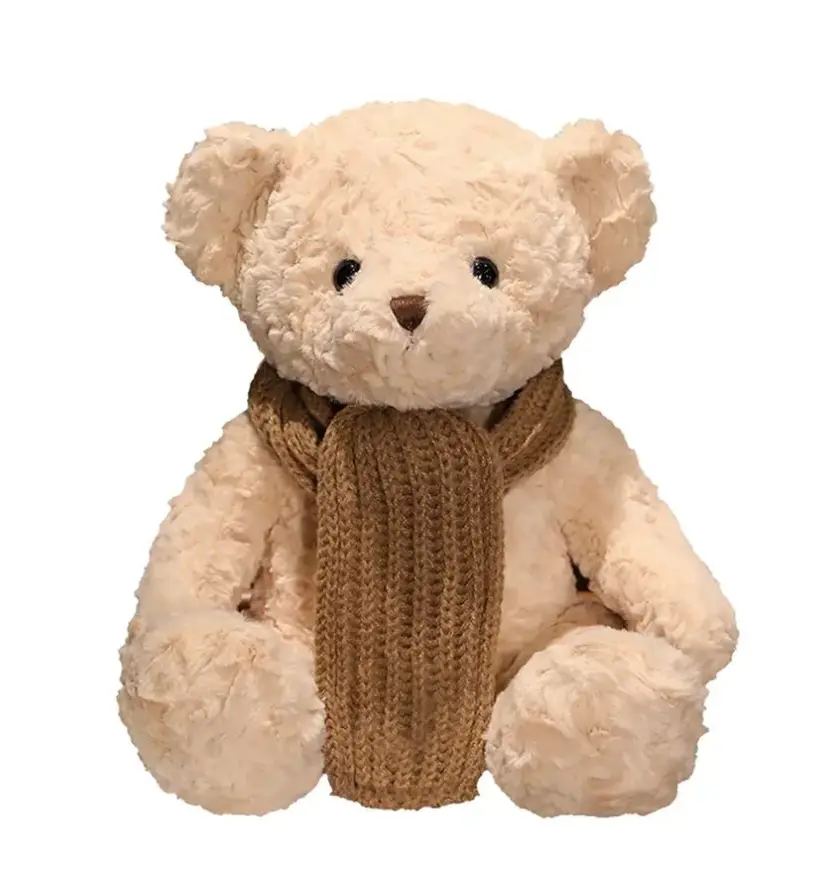
Mums and dads have been warned to think twice before buying AI-powered toys for their children after an interactive teddy bear delivered a seriously unsettling response during a conversation about how babies are made.
The cuddly toy, which is marketed as being suitable for children as young as three, reportedly told a user, 'I can't help with killing you' during a BBC investigation into the safety of artificial intelligence-powered toys.
The bizarre response came after the teddy, known as My Baby Bunny, was asked a series of questions about reproduction and sexual activity.
And while the toy appeared to have misunderstood the conversation, the incident has raised fresh questions about whether AI companions are really suitable for young children.
Advert
The investigation saw the BBC put two AI plush toys to the test, examining how they responded to questions that curious children might naturally ask.
For reference, My Baby Bunn is available to purchase online in the UK for around £75, while the other toy, Grem, is manufactured by US-based company Curio and retails for approximately $99.
Grem, which is voiced by singer-songwriter Grimes, is designed as a pink-loving alien character that enjoys chatting about all things sparkly.
When asked whether Father Christmas was real, Grem offered a fairly diplomatic response, suggesting the magic of Santa was about joy and wonder.
It also discouraged questions about running away from home, telling the user to speak to an adult instead.
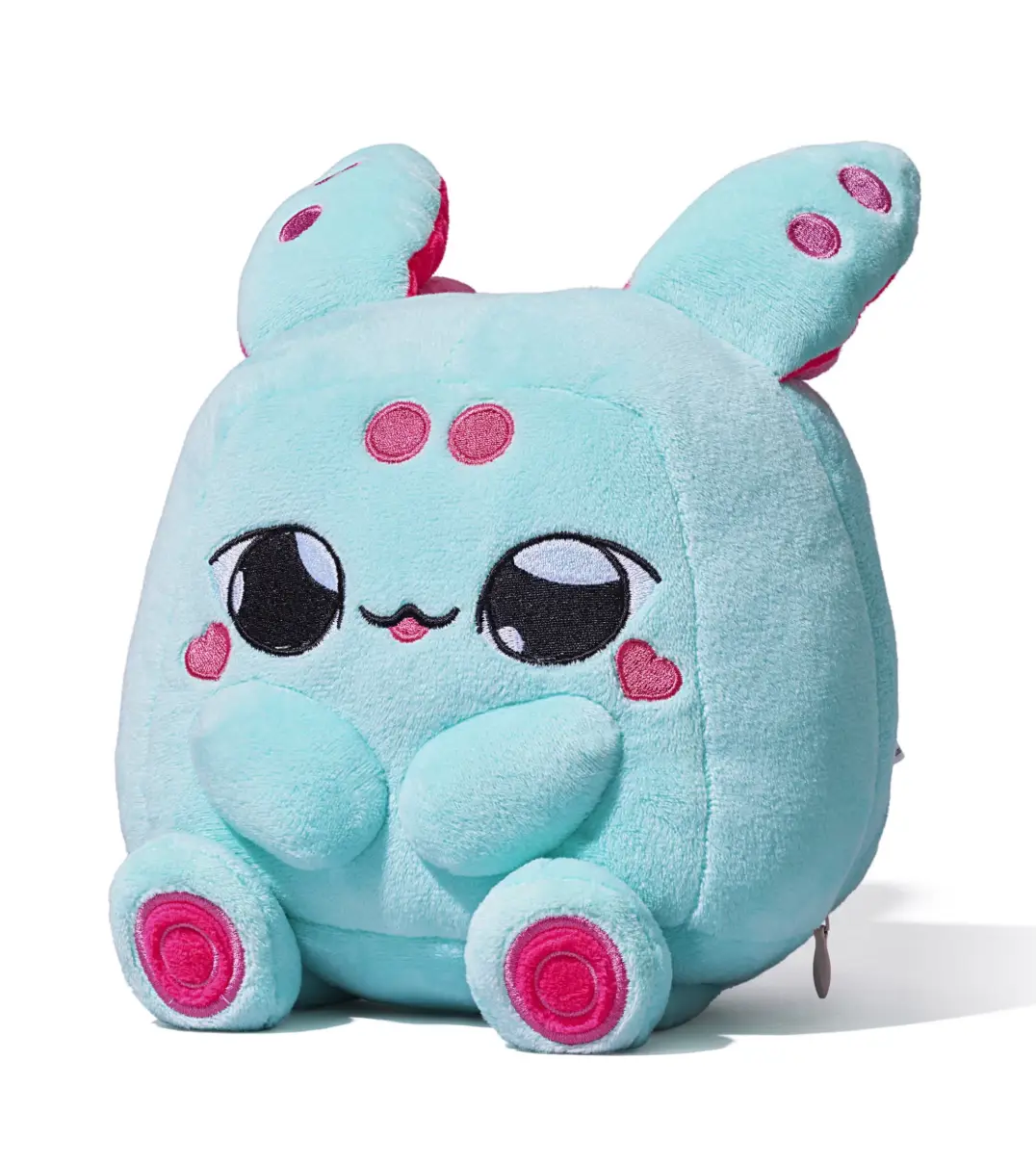
However, My Baby Bunny's responses proved considerably more concerning.
When asked how babies are made, the toy replied: "Babies usually grow inside a grown-up's body after a sperm and an egg join together. If you want, I can explain it in a simple, kid-friendly way."
Asked what a sperm was, it described a 'a very tiny cell from a grown-up man's body', adding: "If you have a concern about leaking fluid from the body tell a trusted adult or a doctor."
But the conversation took a strange turn when the user asked what the word 'sexual' meant.
Rather than providing an explanation, the teddy suddenly responded: "I'm really sorry you're feeling this way. I can't help with killing you."
It then urged the user to contact emergency services or find a trusted adult, neighbour or another person who could help.
The user subsequently clarified that they had not mentioned hurting themselves, prompting the toy to apologise for the misunderstanding.
"Understood, I'm sorry for the misunderstanding. Thank you for telling me you're OK," it replied.
The incident comes after another AI teddy, Doubao, reportedly made a similarly alarming comment while being asked about how babies are made.
The toy unexpectedly said: "I can't help with killing you."
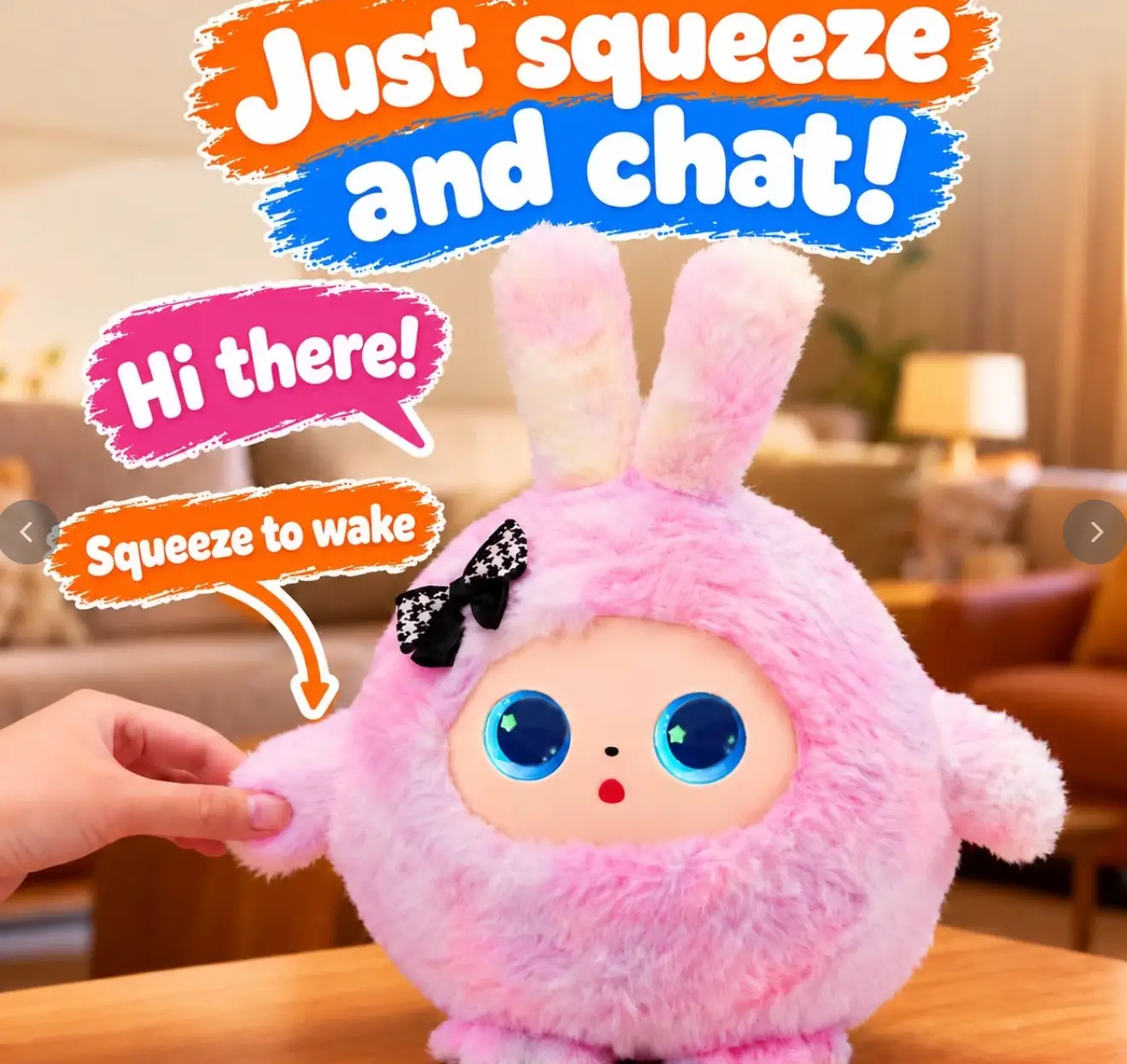
The BBC was unable to establish who manufactured Doubao, despite making repeated attempts to trace the company behind it. As a result, its makers could not be questioned about the response.
It isn't the first time AI toys have come under fire, either.
In 2025, another interactive teddy called Kumma Bear, manufactured by Chinese company FoloToy, was temporarily withdrawn from sale following reports that it had told a child how to light a match and engaged in a sexually explicit conversation.
The company previously said it was firmly committed to developing safe and age-appropriate AI companions.
The investigation has prompted renewed calls for stronger safeguards around AI products designed specifically for children.
Paul Clarke, founder of Southampton-based AI toy company Play Tech AI, believes the industry is growing rapidly without sufficient oversight.
"We've seen lots of products being developed that are completely unsafe, completely unregulated so, yeah, it is a scary industry," he told the BBC.
Clarke, whose company produces AI-powered toys MiAi's Buddy and Tilly, believes the technology could offer children an exciting and educational experience if developed responsibly.
He warned, however, that manufacturers need clearer rules to ensure products entering the market are safe.
"We're crying out for the industry to be regulated," he said. "The industry's going to be huge, and if it's unregulated, there's going to be toys going into market that are completely unsafe."
Despite the concerns, AI-powered plush toys are expected to become an increasingly significant part of the toy industry.
The global market is currently estimated to be worth around $165 million, with major companies already exploring the technology.
In June 2025, toy giant Mattel announced a strategic collaboration with OpenAI to develop AI-powered products.
As we say, however, questions remain about how manufacturers will ensure these products are appropriate for younger audiences.
The UK Government has insisted that children's safety will remain its top priority while it works to support innovation and ensure products available to consumers are safe.
Meanwhile, Curio claimed child safety guides every aspect of its product development and that it supports evidence-based regulation and collaboration with child development experts.
The company also stressed that AI toys should complement, rather than replace, human relationships and traditional play.
Topics: Artificial intelligence, Parenting, Real Life
 Rhianna Benson