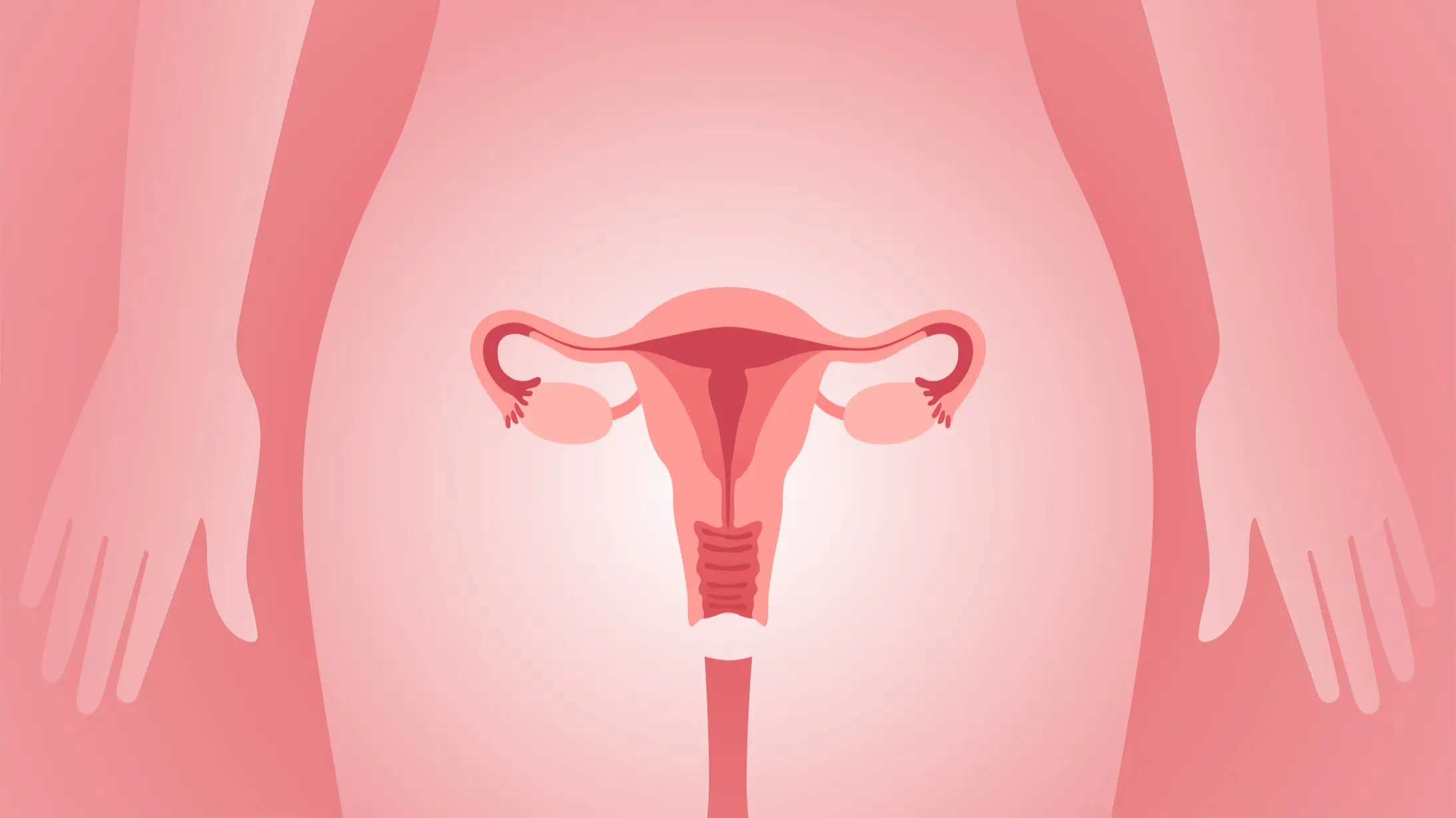
'Healthy alternative' to 'vagina-maxxing' after warning over problematic trend

It seems like just about every single part of our lives and bodies is being 'maxxed' right now.
There's 'looksmaxxing', 'nutmaxxing', 'ballmaxxing' and even 'boob-maxxing' - but what on earth is 'vagina-maxxing' and why should we be cautious about it?
Well, people are already running wild with the term on, with one X user urging half the population: "Ladies, get on with your vaginamaxxing."
"If you aren't vaginamaxxing in 2026 as a woman, what are you even doing?!" penned another as a third questioned: "Are we vaginamaxxing now?"
Advert
Luckily for us, Dr Susanna Unsworth, Women’s Health Expert for Intimina, the intimate wellness brand, has exclusively told Tyla all we need to know about it.
What is vagina-maxxing?
Dr Unsworth explains that 'vagina-maxxing' is: "A term that has emerged online to describe attempts to change or 'improve' the appearance, smell, tightness or perceived attractiveness of the vulva and vagina."
The trend often includes the promotion of intimate washes, deodorants, supplements, steaming, tightening products or cosmetic procedures, many of which are heavily marketed through social media.
"Like other 'maxxing' trends, it is based on the idea that intimate areas should look, smell, or function in a certain way to be considered attractive, desirable, or 'normal', when, in reality, there is huge natural variation from person to person," she added.
Why is the trend problematic?
"From a medical perspective," the doctor outlines, "one of the biggest concerns is the potential harm these trends can cause, both physically and psychologically.
"Much of the advice circulating online is not evidence-based and can give misleading messages about what is actually normal and healthy."
Dr Unsworth continued: "The vulva and vagina naturally vary hugely in terms of appearance, smell and discharge, yet social media can create unrealistic expectations that intimate areas should look, smell or function in a very specific way. This can lead to anxiety, embarrassment and poor body confidence, particularly amongst younger women and girls who may already feel vulnerable about their appearance.
"There are also genuine health concerns around many of the products being promoted online. The vagina has a delicate natural microbiome and pH balance, which is often able to maintain itself perfectly well without needing lots of additional products. Using scented washes, deodorants, douches or harsh tightening products can disrupt this balance and increase the risk of irritation, thrush, bacterial vaginosis and other infections."
"As a doctor specialising in women’s health," the expert carried on, "I worry that these trends can leave people feeling that completely normal bodily functions are somehow unclean or abnormal, when in reality variation is entirely healthy.
"That misinformation can have a significant impact on confidence, well-being, and the way people feel about their own bodies."
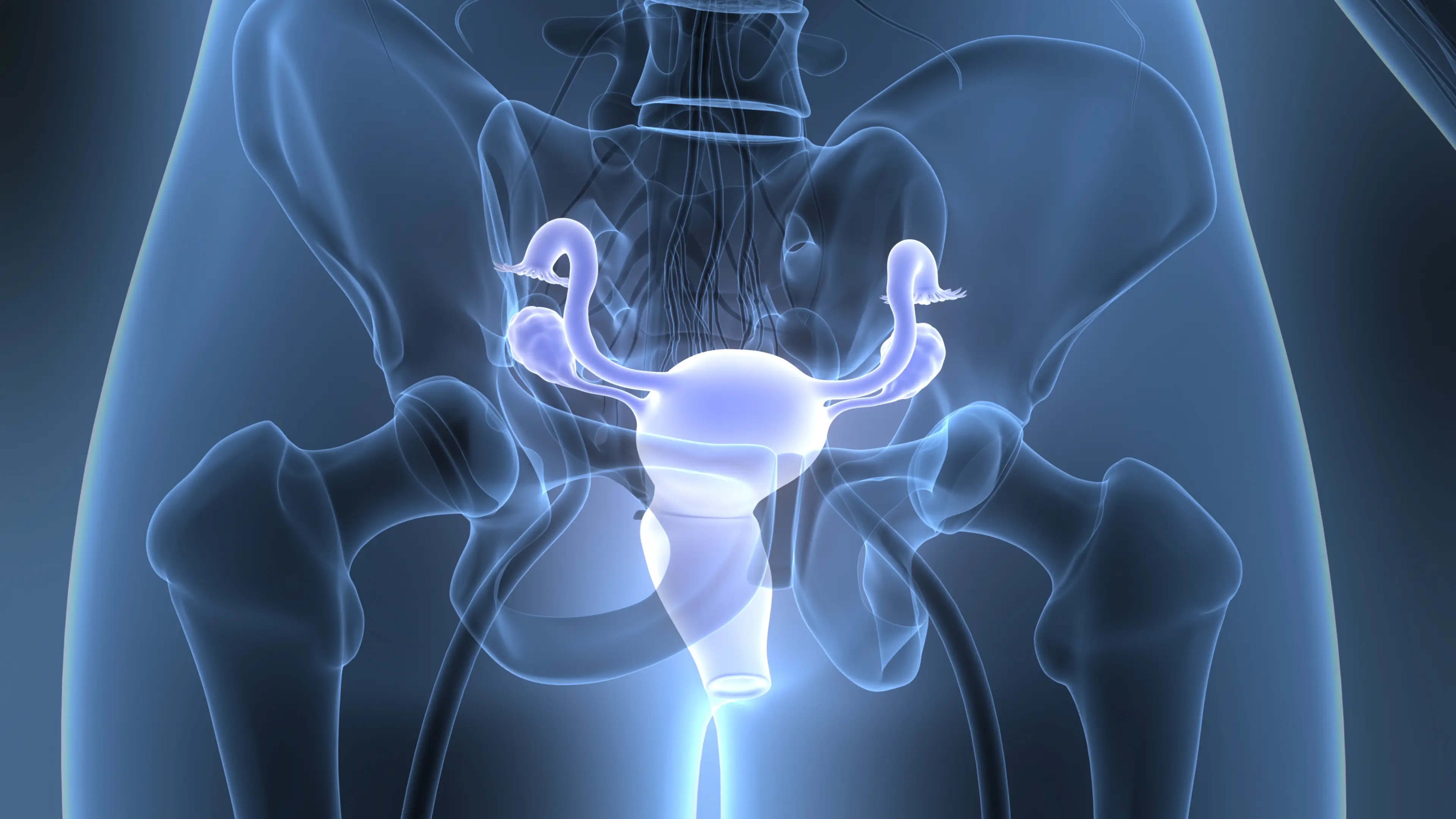
What is a less toxic alternative to vagina-maxxing?
According to Dr Unsworth, a 'much healthier approach' is focusing on intimate health rather than trying to achieve unrealistic expectations created through social media.
"For most people, the vulva only needs gentle external washing with water or a simple, unperfumed product," she says. "Internal cleansing or douching is not recommended, as the vagina has a delicate natural microbiome and pH balance, which is usually very good at maintaining itself without needing lots of additional products."
The doctor also adds that it's important to understand what is normal for your own body.
"Vaginal discharge, natural scent and appearance can vary throughout the menstrual cycle and between individuals," she explained. "Education and reassurance are often far more beneficial than trying to fix something that is actually completely healthy and normal.
"If someone is experiencing symptoms such as itching, unusual discharge, pain, persistent odour, bleeding between periods, bleeding after sex or ongoing discomfort, they should seek proper medical advice rather than relying on social media trends or unregulated products."

What are the benefits of these 'healthier approaches'?
The expert tells Tyla that this healthier approach also encourages people to become more familiar with their own bodies rather than feeling embarrassed or ashamed of them.
"Understanding what your vulva normally looks and feels like, as well as recognising what is normal for you in terms of discharge, scent or skin changes, is an important part of intimate health," she outlined.
"I often see people delay seeking help because of stigma or discomfort around talking about intimate symptoms. Unfortunately, that can sometimes mean important conditions, including vulval skin conditions, infections or even cancers, are overlooked or diagnosed later than they should be."
Dr Unsworth also took the time to highlight the importance of 'accurate terminology'.
"A lot of what social media refers to as 'vagina-maxxing' is actually focused on the vulva, which is the external part of the genital area," she urged. "Using the correct language helps improve understanding, reduce stigma and encourage more open conversations around intimate health."
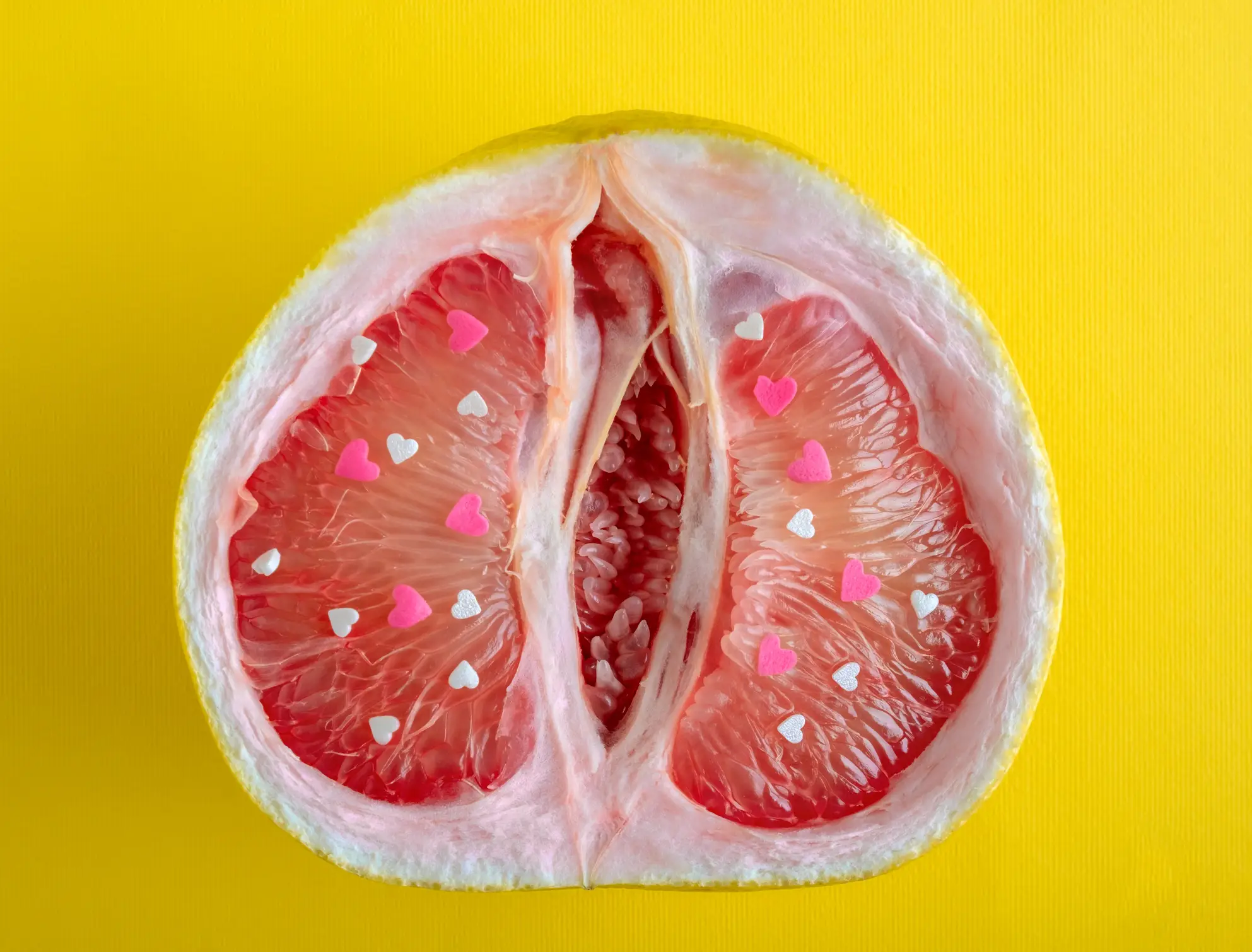
Any advice to anyone worried about 'vagina-maxxing'?
"I would encourage people to approach these trends critically and remember that much of the content online is commercially driven, filtered or not medically accurate," the women's health expert said.
"Social media can be very good at creating insecurities around things that are actually completely normal."
She stressed that there is no medically 'perfect' vulva or vagina, and natural variation in appearance, scent and discharge is 'entirely healthy'.
"If a product or influencer is making people feel ashamed of normal bodily functions in order to sell something, that should raise concerns," Dr Unsworth warned.
"I also think it is important that conversations around intimate health move away from embarrassment or stigma. Understanding your own body, recognising what is normal for you and knowing when something genuinely needs medical assessment is far more valuable than trying lots of products marketed online."
She concluded that, ultimately, intimate health should be about 'comfort, confidence and wellbeing rather than trying to meet unrealistic expectations created through social media'.
Topics: Sex and Relationships, Women's Health, Life, Tyla Exclusive, Health
 Rhiannon Ingle