‘Boob-maxxing’ explained after experts warn against problematic 'vagina-maxxing' trend

A doctor has issued a warning over the viral 'boob-maxxing' trend after experts issued a warning against 'vagina-maxxing'.
Now, in case you're not in the know, 'vagina-maxxing' is a social media phrase and not a medical term.
"It refers to attempts to 'improve' the appearance, smell, tightness, grooming or perceived attractiveness of the vulva or vagina with beauty routines, supplements, procedures or products," Dr Ravina Bhanot, women's health GP and founder of The One Labs, previously explained to Tyla.
The trend can include excessive grooming or hair removal, vaginal steaming, washes or deodorants, whitening/lightening creams, cosmetic procedures like labiaplasty or fillers, obsessive hygiene routines and supplements marketed for 'feminine freshness' or libido.
Advert
Gynaecology experts at Daye, the women’s health company pioneering gynocentric diagnostics and care, previously highlighted an unsettling surge in unproven 'intimate wellness' products that exploit insecurity rather than being based on actual science - from vaginal 'melt' products all the way through to 'tightening' gels.
And just as you thought it couldn't get any worse, there's also 'boob-maxxing' to shake our heads over.
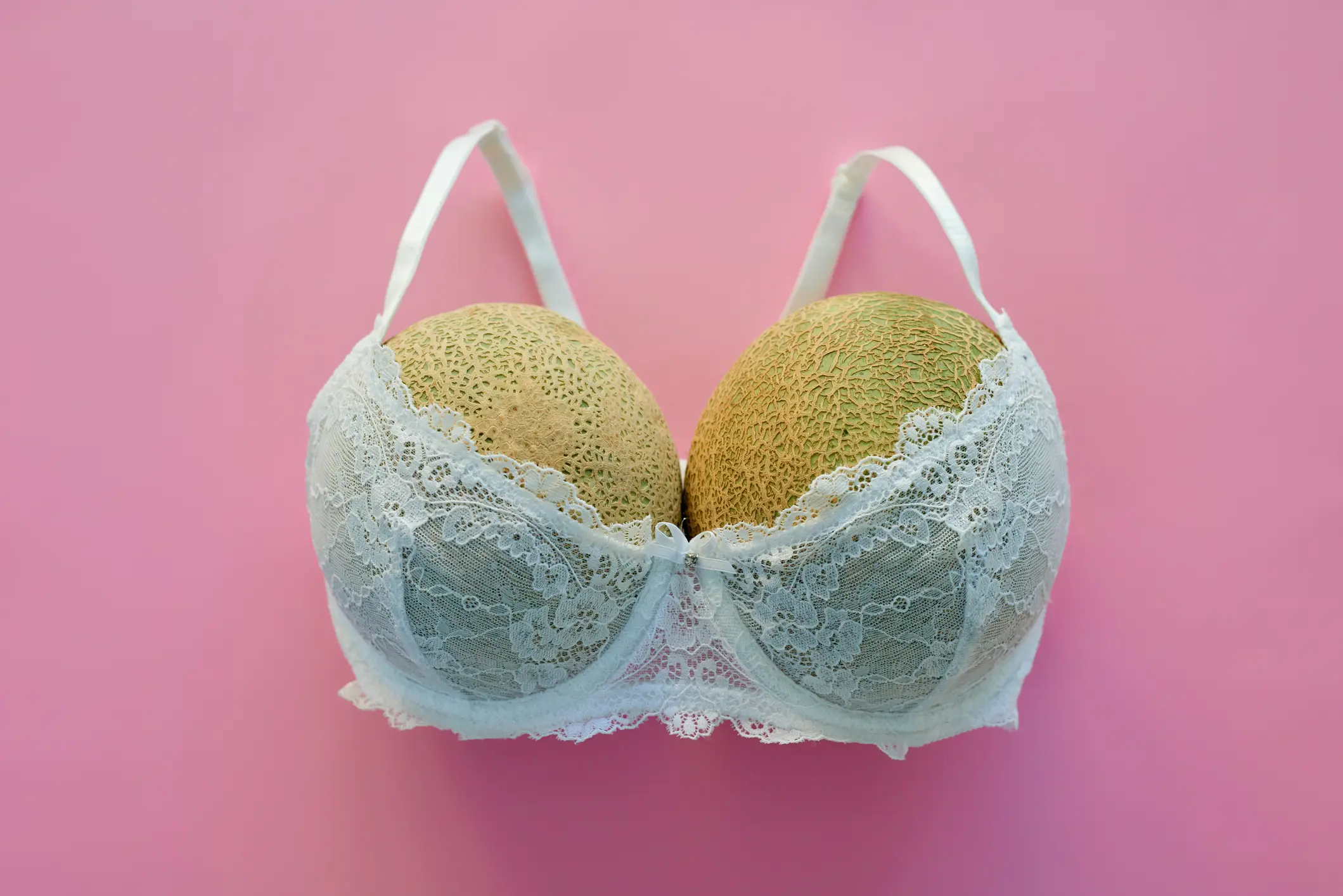
Well, the discourse surrounding this new buzzword is taking off on social media, with many sharing their thoughts on the newly coined term.
"Boobmaxxing, just like the ballmaxxing trend that's going around with guys now," penned one X user.
A second chimed in: "Friend was trying on some of my dresses for a wedding, and she said my fashion is just boobmaxxing and honestly yeah."
"Went out last night. Within 5 minutes, a girl is standing in the street staring at me. Hot. Huge t*ts (Been boobmaxxing lately)," bragged another.
And a final X user questioned: "So can we call boob jobs boobmaxxing?"
But what is 'boob-maxxing'?
Well, Dr Susanna Unsworth, Women’s Health Expert for Intimina, the intimate wellness brand, exclusively explained to Tyla that 'boob-maxxing' is a social media term used to describe attempts to increase breast size, improve cleavage, or create a more 'idealised' breast appearance.
"Online, this can range from relatively harmless styling tips, posture advice and push-up bras through to supplements, exercises, hormonal products, cosmetic procedures and, in some cases, more extreme or unregulated methods being promoted by influencers," she warned, adding that the term sits within the wider 'looksmaxxing' culture.
For those not in the know, the 'looksmaxxing' movement sees people encouraged to optimise or maximise aspects of their appearance in pursuit of perceived, and often unrealistic, beauty standards.
Why has it grown in popularity amongst Gen Z online?
Dr Unsworth notes that social media platforms have created an environment where appearance-focused trends spread 'extremely rapidly', particularly amongst younger audiences.
She continued: "Gen Z are growing up with constant exposure to curated and often heavily edited images online, which can create unrealistic expectations around body image and appearance.
"Breast appearance has increasingly become linked to online ideals surrounding femininity, attractiveness and self-confidence. Algorithms also tend to repeatedly expose users to similar content, which can reinforce insecurities and normalise the idea that bodies should be altered or 'improved'."
She added that there is also 'far more open' discussion online around cosmetic procedures, body modification and aesthetic treatments than previous generations experienced, which can make these interventions appear more routine or low risk than they actually are.
Why can the term be 'problematic'?
"From a medical perspective, one of the concerns is that trends such as 'boob-maxxing' can reinforce unrealistic body expectations and promote the idea that breasts should conform to a particular size or shape, when in reality there is enormous natural variation in breast anatomy," the expert outlined.
According to Dr Unsworth, these trends can contribute to poor body image, low self-esteem and unhealthy comparison, particularly in adolescents and young women who may already feel vulnerable about their appearance.
She warned: "A lot of the online advice is not evidence-based and may involve unregulated supplements, hormonal products or unsafe practices that could carry genuine health risks.
"As a doctor specialising in women’s health and breast health, I am also concerned that social media conversations focusing heavily on breast aesthetics can sometimes overshadow the importance of breast health awareness.
"Understanding what is normal for your own body and recognising changes that require medical assessment is far more important than striving for an unrealistic online ideal."
Any advice for people coming across pressures to 'boob-max'?
Dr Unsworth encourages people to 'approach these trends with a healthy degree of caution and remember that much of what is seen online is filtered, edited or commercially driven'.
"There is no medically 'ideal' breast appearance, and breasts naturally vary enormously from person to person," the doctor highlighted, before noting that we should be 'particularly' cautious about anyone promoting supplements, hormones or treatments claiming dramatic results 'without proper medical evidence or regulation'.
She added: "If someone is genuinely unhappy with their body or considering cosmetic procedures, they should seek reliable medical advice and support rather than relying on social media content.
"Most importantly, young people should try not to let online beauty trends define their self-worth. Confidence, well-being, and feeling comfortable in your own body are far more important than constantly changing internet ideals."
Topics: Sex and Relationships, Women's Health, Health, Life, Tyla Exclusive
 Rhiannon Ingle