
Doctor issues concerning ‘looksmaxxing’ warning following creators' influence

A doctor has spoken out on the controversial 'looksmaxxing' movement after calling out social media influencer Clavicular, for 'dangerous' practices which reportedly involve breaking facial bones and using methamphetamine.
Clavicular, who boasts over 510k followers on Instagram and more than 806k followers on TikTok, is one of the main figureheads of the 'looksmaxxing' movement and he's made a name for himself online for peddling 'self improvement' advice which hinges largely on mathematical measurements and ratios.
The 20-year-old, real name Braden Peters, has been pegged as a 'manosphere-adjacent influencer' who has put himself on the path of what he's dubbed 'ascension', which is, in short, the ultimate glow-up.
Alexander Rivkin, MD, has since taken to Instagram to call out Clavicular's methods in a carousel post titled 'Clavicular isn't just an influencer. He's a warning sign'.
Advert
In the post, Dr Rivkin began: "Clavicular is one of the most visible faces of 'looksmaxxing' — an online movement treating appearance like a system to optimize. Not enhance. Optimize.
"That system doesn't stop at skincare or fitness. It includes: breaking facial bones ('bone smashing'), self-administered hormones and peptides, and extreme body manipulation."
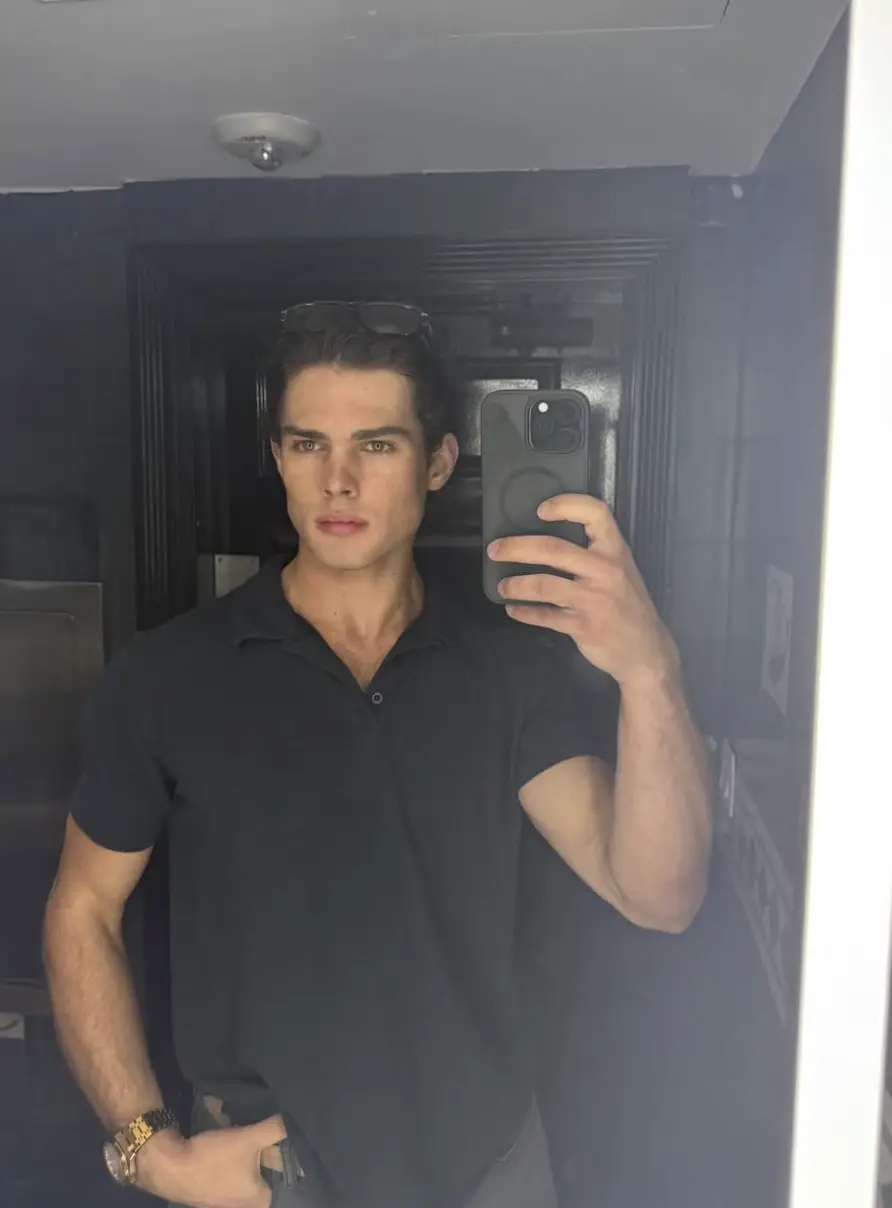
Sharing various social media clips of Clavicular, the facial aesthetic specialist continued: "He has openly discussed using methamphetamine to stay lean and hollow out his face.
"This is being framed as part of 'the process'."
The Guardian reports that the influencer uses methamphetamine to suppress his appetite.
"It’s really not as bad as people think," he told another Kick streamer last October.
Dr Rivkin stated: "Let's be very clear: That is not aesthetics. That is substance abuse being repackaged as self-improvement.
"He has also streamed himself injecting others - without licensing, sterile technique, or medical oversight. This is not experimentation. It's dangerous."
Tribune reported last November that Clavicular had been slammed online for injecting cosmetic peptides into his girlfriend during a stream.
"And yet," the expert outlined, "this content isn't staying niche.
"He's been covered in major media, invited into fashion spaces, watched by millions."
Rounding off the carousel post, Dr Rivkin summarised: "When you combine: extreme insecurity + internet validation + no medical boundaries, you don't get self-improvement. You get self-destruction disguised as progress."

Opening a little further in the post's caption, the doctor penned: "The rise of influencers like Clavicular highlights a concerning shift in online beauty culture. What’s being labelled as 'looksmaxxing' or self-improvement is, in many cases, the normalisation of extreme and unsafe practices - including unregulated injections, misuse of performance-enhancing substances, and even the promotion of methamphetamine as a tool for achieving a certain aesthetic.
"This is not innovation in aesthetics. It’s a growing disconnect between appearance-focused content and medical reality."
Dr Rivkin highlighted that cosmetic injectables are medical procedures that require 'extensive training, a deep understanding of facial anatomy, sterile technique, and the ability to manage complications in real time'.
"When these standards are ignored, the risks are significant - including vascular occlusion, infection, tissue necrosis, and in rare but documented cases, permanent vision loss," he warned. "These are not hypothetical outcomes. They are well-established complications that can occur when injectables are performed improperly or outside of a clinical setting."
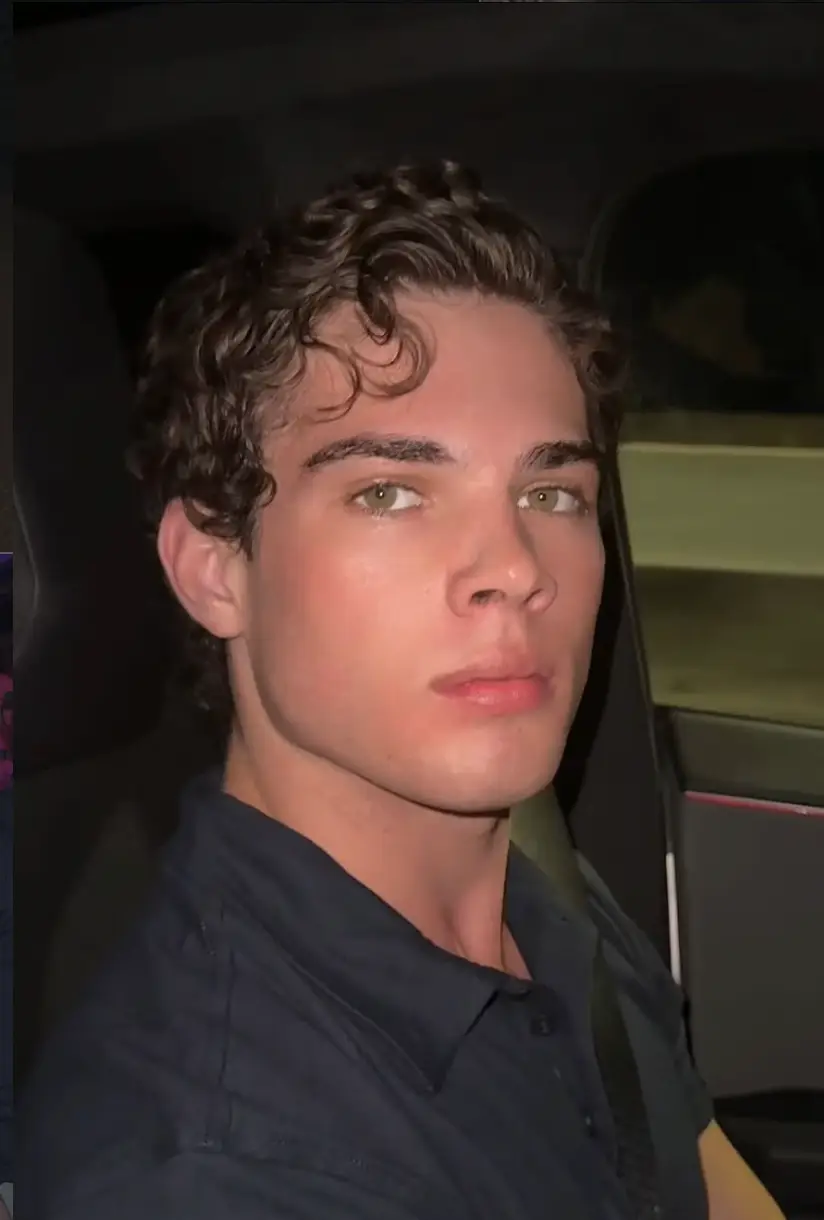
Carrying on, the doctor outlined an 'equally concerning' matter regarding the way substance use is being 'reframed' within this space.
"The idea that harmful substances can be used to enhance facial structure or body composition is not only medically inaccurate - it is dangerous," he declared. "This type of messaging can have serious consequences, particularly for younger audiences who may not fully understand the long-term physical and psychological risks."
Dr Rivkin concluded: "As aesthetic medicine continues to intersect with internet culture, it’s critical to separate evidence-based care from content created for attention.
"Safety, ethics, and medical oversight should always come first. If you are considering any cosmetic treatment, seek out a qualified, licensed professional who prioritises your health - not just your appearance."
Tyla has reached out to Clavicular's representatives for comment.
If you want friendly, confidential advice about drugs, you can talk to FRANK. You can call 0300 123 6600, text 82111 or contact through their website 24/7, or livechat from 2pm-6pm any day of the week
Topics: Health, Life, Advice, Social Media, Celebrity, Beauty
 Rhiannon Ingle