Gynaecologists warn ‘vagina-maxxing’ products could increase risk of STIs and accidental pregnancy

Gynaecologists have issued a warning over 'vagina-maxxing' which products which could increase the risk of STIs as well as accidental pregnancy.
For anyone not in the loop, the recently coined and highly problematic 'vagina-maxxing' social media phrase is not a medical term.
"It refers to attempts to 'improve' the appearance, smell, tightness, grooming or perceived attractiveness of the vulva or vagina with beauty routines, supplements, procedures or products," Dr Ravina Bhanot, women's health GP and founder of The One Labs, previously explained to Tyla.
The trend can include: excessive grooming or hair removal, tightening products, vaginal steaming, washes or deodorants, whitening/lightening creams, cosmetic procedures like labiaplasty or fillers, obsessive hygiene routines and supplements marketed for 'feminine freshness' or libido.
Advert
While there has been lots of progress when it comes to women's health, the avalanche of social media posts pressuring women to 'vagina-max' illuminates that, unfortunately, there is still quite a lot of work to do.
Gynaecology experts at Daye, the women’s health company pioneering gynocentric diagnostics and care, highlight an unsettling surge in unproven 'intimate wellness' products that exploit insecurity rather than being based on actual science - from vaginal 'melt' products to 'tightening' gels.
Such products have become increasingly visible through social media at a time when demand for trusted, regulated women’s health information is rising.
Valentina Milanova, the Founder and CEO at Daye, is now pushing for stronger scrutiny of misleading claims and a clearer distinction between marketing and medically backed care.
The expert, whose research has been published in The Journal of Endometriosis and Uterine Disorders, The Journal of Clinical Microbiology, Human Reproduction, and BMC Women’s Health, stresses: "The business model behind these products appears to rely, in part, on women feeling insecure about the natural scent of their vaginas - an insecurity that is particularly common among younger women and girls, despite natural variation in vaginal odour being a normal aspect of biology.
"Changes in scent also reflect different stages of women’s cycles, which isn’t something that needs to be 'masked'."
Valentina continued: "There’s a worry that brands and influencers could capitalise on these concerns – and certainly have in the past – by encouraging women to buy expensive products that won’t help them long-term and may even lead to more problems.
"Worryingly, these 'vaginal melts' contain ingredients like coconut oil, which can break condoms – putting people at risk of accidental pregnancy and STIs. Also, while the ingredients may be considered relatively low risk for external use on the vulva, internal use can disrupt the vaginal microbiome and increase the risk of irritation or infection. It’s ironic – a product marketed to improve the smell of the vagina may leave women with BV, candida, and potentially even UTIs."
So-called 'tightening gels' only add to the problem.
Valentina explains that these products are 'widely available' on mainstream retail sites, including one option which contains capsicum, a direct irritant to the mucous membranes of the vagina and vulva.
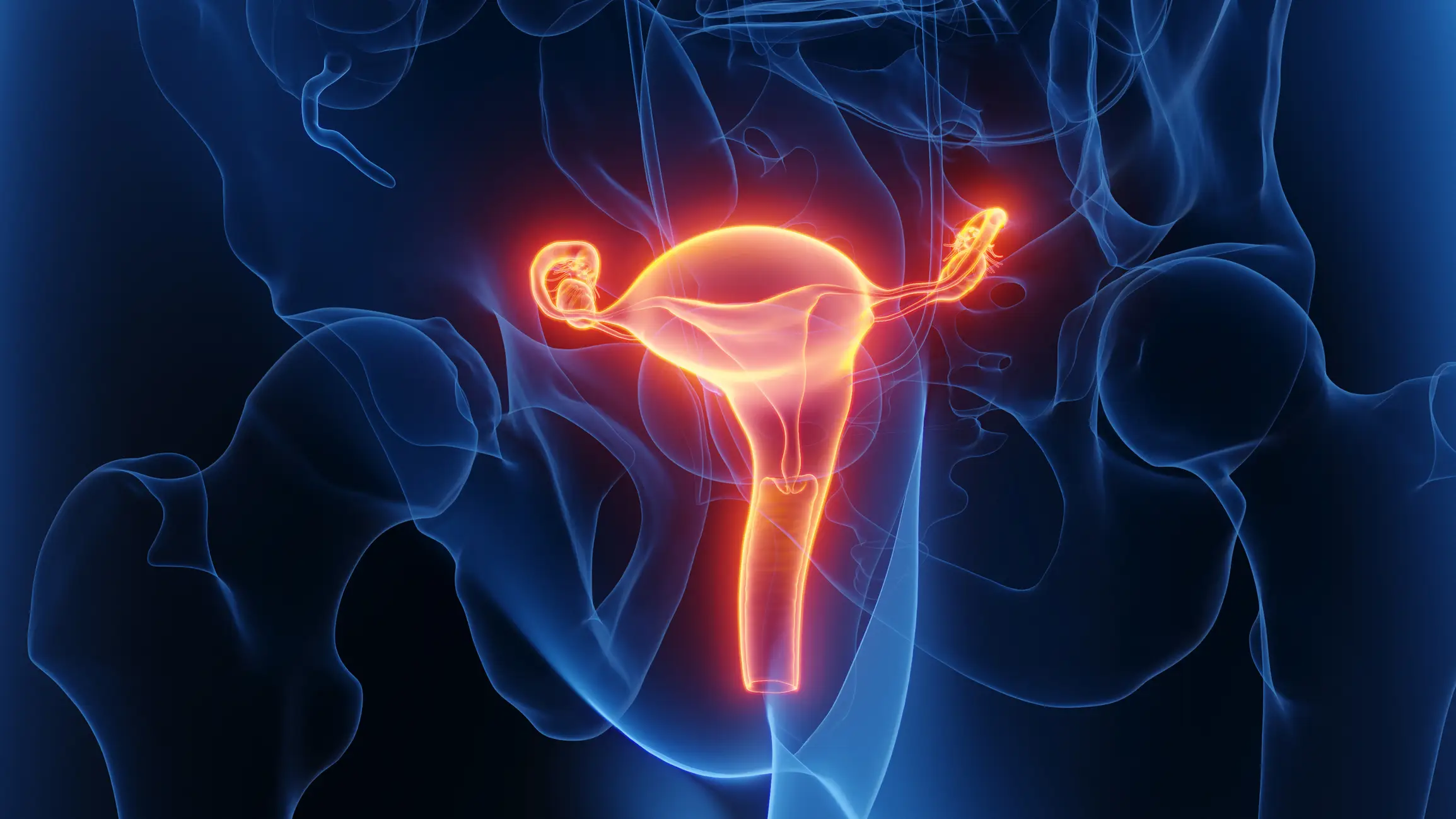
She says this messaging can reinforce misconceptions, explaining: "Tightening gels often play on insecurities and the persistent myth that a vagina becomes 'looser' with sexual activity, or that it should feel 'tighter' during penetrative sex. This reflects an outdated 'virgin standard' narrative rather than biology.
"While some people may perceive an effect from these products, it is typically due to reduced lubrication, which can increase friction. In some cases, this may lead to discomfort, microtears, and a higher risk of irritation or infection.
"From a clinical perspective, vaginal tightness is not something that needs to be 'restored' or 'maintained' through products, and marketing in this way may reinforce unrealistic expectations of the female body."
Topics: Health, Life, Sex and Relationships, Women's Health, Tyla Exclusive
 Rhiannon Ingle