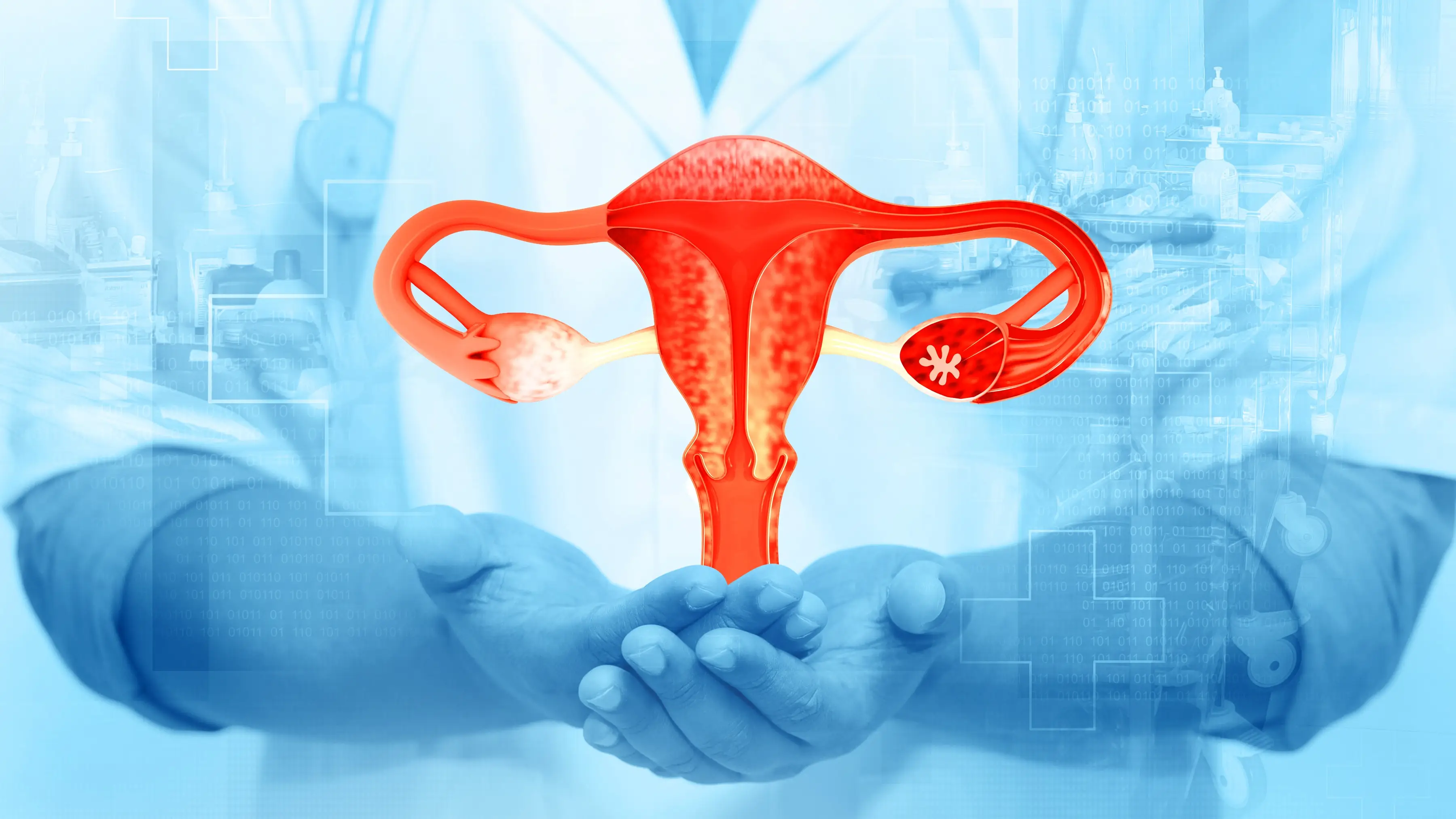
'Vagina-maxxing' explained as women's health expert issues warning over unsettling trend

The internet seems to be obsessed with 'maxxing' absolutely every facet of their lives.
Whether it's 'looksmaxxing', 'ballmaxxing' and even 'nutmaxxing', it's clear the trend isn't dying down anytime soon.
But the newly coined 'vagina-maxxing' proves to be quite problematic, with many people rushing to social media to shout about how women can go about 'maxxing' their private parts.
It all started when 'bio-hacker' Bryan Johnson took to X to share his partner Kate's 'vaginal microbiome report', which showed a '100/100 score'. He added that the data meant she was in the 'Top 1% of all vaginas'.
Advert
It didn't take long for people to rush in to share their reactions to the post, with one X user writing: "Ladies, get on with your vaginamaxxing."
"If you aren't vaginamaxxing in 2026 as a woman, what are you even doing?!" penned another as a third chimed in: "Are we vaginamaxxing now?"
Tyla has since exclusively sat down with Dr Ravina Bhanot, women's health GP and founder of The One Labs, to learn a little more about what on earth 'vagina-maxxing' actually means, the issues surrounding the term and how women should ideally respond to it.
What is 'vagina-maxxing'?
Dr Ravina explains that 'vagina-maxxing' is a social-media term, rather than a medical term.
"It refers to attempts to 'improve' the appearance, smell, tightness, grooming or perceived attractiveness of the vulva or vagina with beauty routines, supplements, procedures or products," she notes.
The trend can include:
- Excessive grooming or hair removal
- Tightening products
- Vaginal steaming, washes or deodorants
- Whitening/lightening creams
- Cosmetic procedures like labiaplasty or fillers
- Obsessive hygiene routines
- Supplements marketed for 'feminine freshness' or libido
Dr Ravina highlights that lots of online discussions centred around notions of 'vagina-maxxing' often confuse the vulva (external lips) with the vagina (the internal canal).
Is the trend problematic in any way?
The short answer is, of course, yes.
"The biggest concern is that it can medicalise normal female anatomy and create unrealistic beauty standards around female genitals," Dr Ravina explains, noting that the female reproductive organs can vary enormously, from labial size and shape, skin colour, symmetry, hair distribution, natural scent and discharge.
Unfortunately, social media and pornography can 'distort' perceptions of what is normal and can cause some women to feel embarrassed about completely healthy and natural anatomy.
"It can also affect women’s mental health, from body anxiety to body dysmorphia or pressure to change normal vulvas just for aesthetics," she warned.

Physical risks surrounding 'vagina-maxxing'
Dr Ravina explains that many 'vagina-maxxing' products are poorly regulated, leading to several physical risks, which may include:
- Irritation from fragranced washes and deodorant
- Disruption of the vaginal microbiome
- Increased risk of vaginal infections
- Burns from lasers or ‘tightening’ treatment
- Damage from bleaching creams
She stresses that the vagina is self-cleaning, making internal cleansing or 'detoxing' not medically recommended.
"Water is enough to clean the vagina," the women's health expert adds.
Mental health risks surrounding 'vagina-maxxing'
Dr Ravina tells Tyla that the online representation of female genitals in porn can create the belief that all vulvas are hairless, should never smell and will always look ‘young’.
None of these beliefs are medically correct, she outlines.
"Your body does not need to look like an edited image to be healthy, attractive or normal," she states. "A healthy vulva can be asymmetrical, have dark pigmentation, have hair, smell and can change with hormones, age or childhood."
She advised avoiding trends that make you feel ashamed of your normal body, avoiding using fragrance products inside and being cautious of influencers selling unregulated products.
"If you are not sure about it, what’s normal, talk to your doctor - they have examined hundreds of women and can tell you what’s normal and what’s not," Dr Ravina added before concluding: "If you have pain, itching, abnormal discharge, bleeding or persistent concerns, see a qualified doctor or gynaecologist, not TikTok."
Topics: Women's Health, Sex and Relationships, Life, Social Media, Tyla Exclusive
 Rhiannon Ingle