Football’s ‘legacy of exclusion’: how the beautiful game is still struggling to kick sexism out

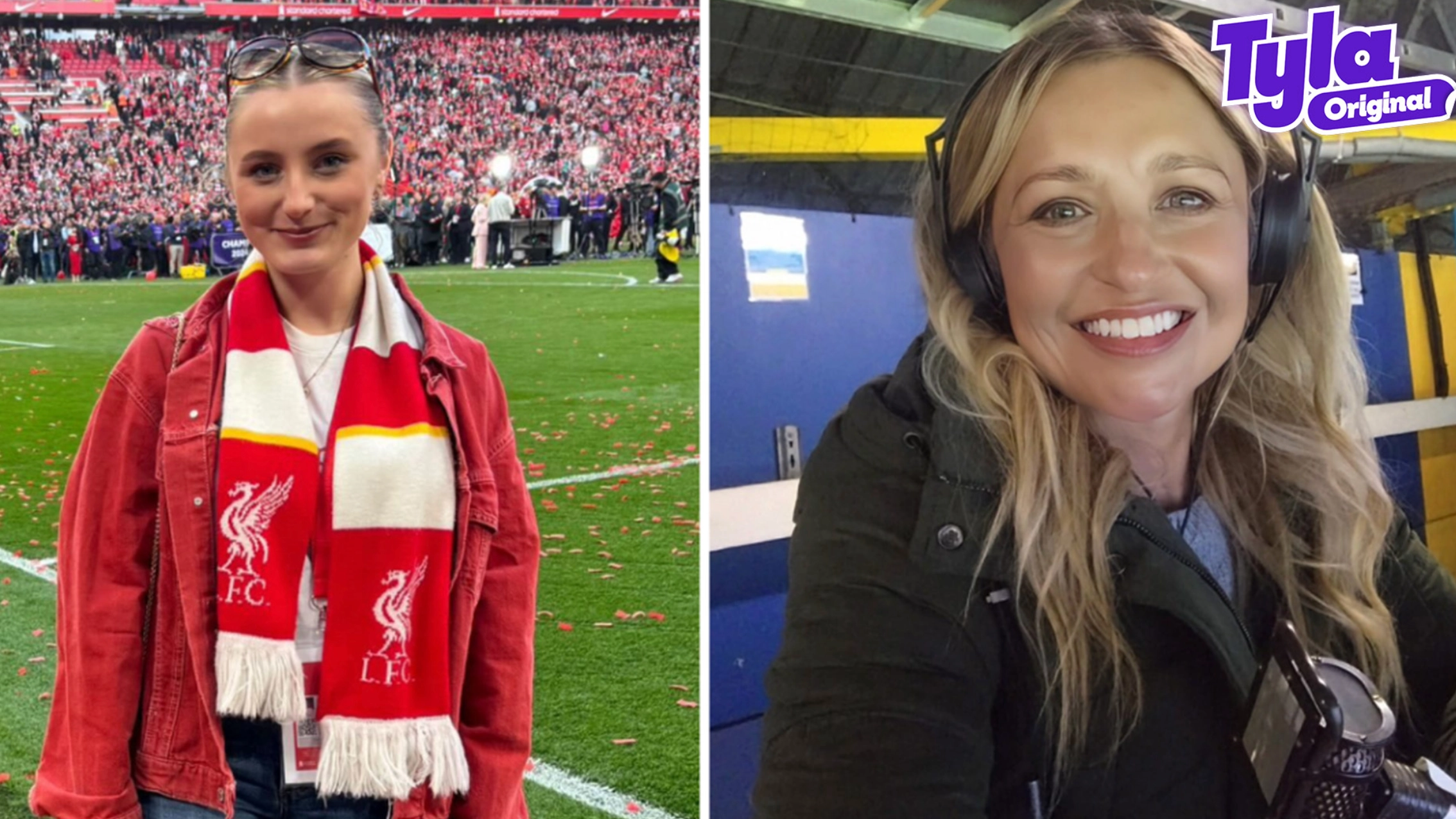
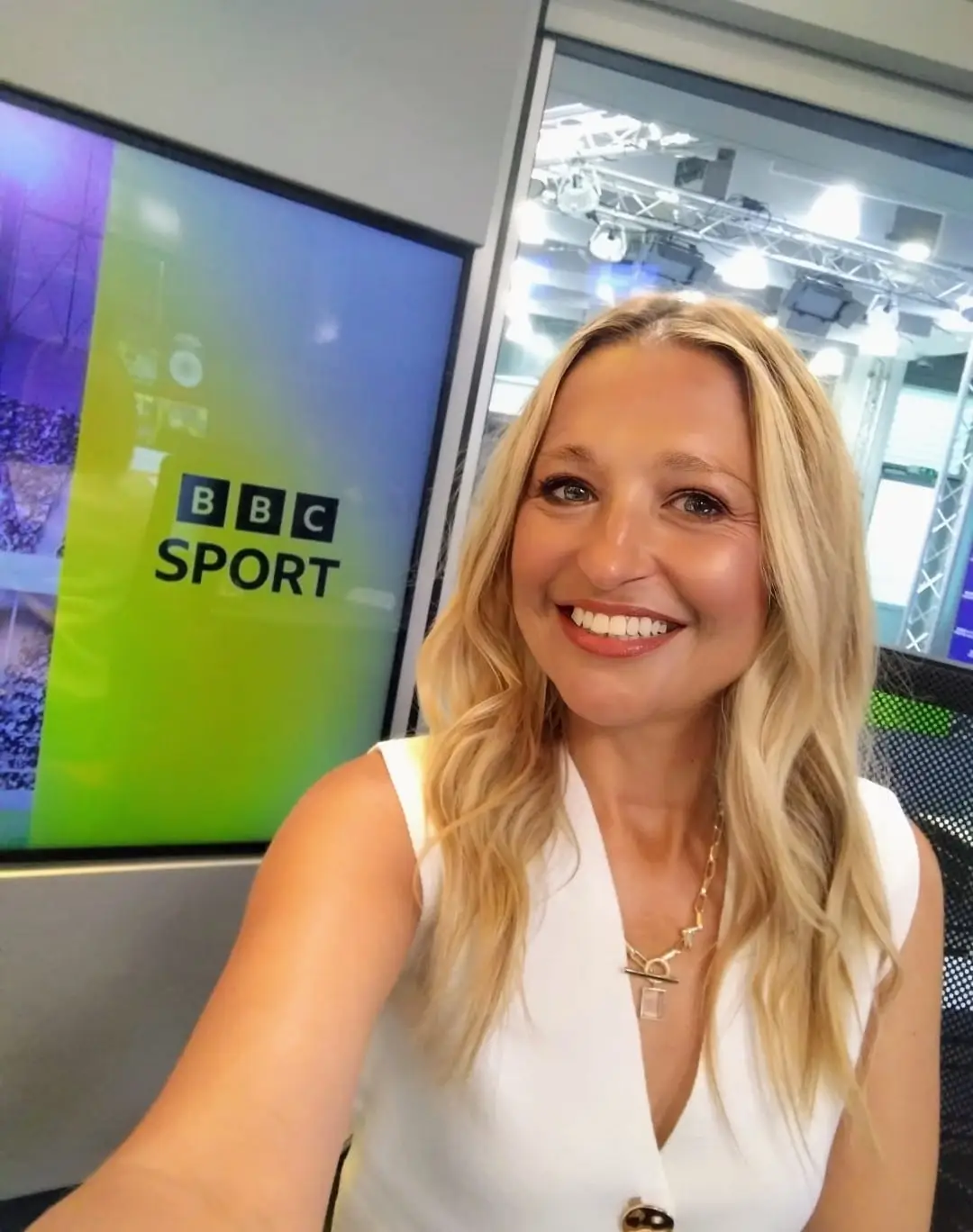
Giulia Bould has been a sports presenter and reporter for 25 years - a job she has always dreamed of doing.
However, every week, she says the same man writes into her radio show to tell her it’s ‘gone down the pan because there's a giggling girl on it’.
This is just a glimpse into the ‘legacy of exclusion’ and misogyny that still exists for women in the sphere of football - from fans being told to ‘name five players’ and branded ‘pick me girls,’ to the relentless online abuse insisting that female referees and commentators have no place in the men’s World Cup, sexism is a problem that’s proving difficult to erase.
Research into primary school children by the charity Women In Sport found that even early in life, being good at football is seen as vital to a boy’s identity and ideas of masculinity, while the idea that girls aren’t as good at sport, and nor are they meant to be, is ‘already deeply ingrained’.
Advert
A spokesperson for the charity told Tyla that research has consistently shown women and girls will not engage in sport, in any way, if they don’t feel physically and emotionally safe, welcome, or that they belong.
They questioned: “And why should they? Women are underrepresented in all aspects of the sport workforce, and especially in leadership positions. There are many reasons for this, but the fundamental issue that underpins them all is the culture of sport and the fact that it is still not a place where women and girls feel that they belong.”
'It’s amazing how many people don't really speak to you because you are a woman'
At her first-ever Everton pre-match press conference, at which she says she’s still the only woman who attends, Giulia found herself ‘crying all the way back to work’ after ‘nobody spoke to her’ the entire time she was there.
She admitted: “I thought, I don't think I want to do this. It just felt very intimidating, especially because everyone spoke amongst themselves. All the guys spoke to each other and then not to me, and that went on for quite a while."
Although she has now developed a thick skin and has many ‘brilliant’ male allies, when she goes somewhere new for work by herself, even today, she often finds herself ‘eating lunch alone’.
“When you go somewhere new, especially when you don't really know anyone, it's amazing how many people don't really speak to you because you are a woman,” Giulia admitted.
When Liverpool fan Abigail Rudkin worked in Anfield Stadium’s shop on match days, she was told by customers that her ‘dad taught her well’ and asked ‘which player she fancies,’ rather than what she thinks the score will be.
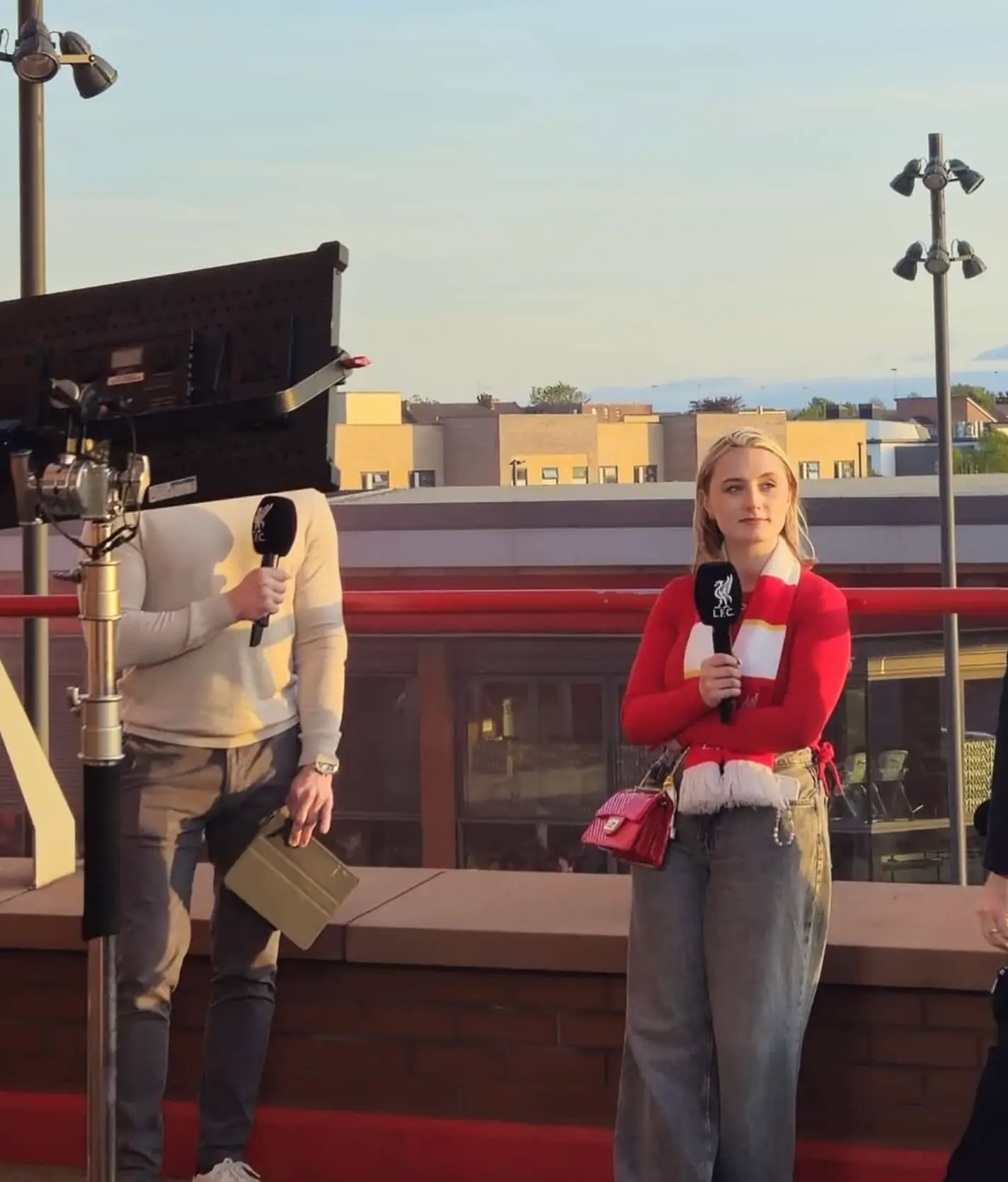
Despite having supported the club since she was a little girl and having a vast knowledge of the sport, when she’d attempt to strike up a conversation with attendees, she’d be met with an awkward laugh.
After being invited onto podcasts and to take part in fan debates, Abigail, 25, told Tyla of how she would return to find her social media flooded with tweets telling her ‘a woman shouldn't be commenting on the men's game’ and to ‘get back in the kitchen’.
'I get 10 times more abuse than the men playing the game with me'
Abigail believes that social media plays a huge part in football’s misogyny issue, as users have the opportunity to sit behind anonymous profiles, often with no repercussions.
Even after building up an online presence as a trusted voice in football and being invited to take part in podcasts and TV interviews, after a few nasty experiences online, sadly, she now turns down any opportunities she thinks will lead to a barrage of sexist abuse online - particularly quizzes, because her answers will be held under a much stricter microscope than those of her male counterparts.
Videos of her taking part in public-facing opportunities like this have resulted in clips being circulated on social media to mock her, with some men weighing in to call her ‘stupid’.
In January, she was invited by a broadcaster to take part in a head-to-head game with fans for a TV segment, but she ultimately decided that she ‘can’t take the abuse’ that might come if she got an answer wrong.
Abigail said, “I couldn’t bring myself to do it because if I get something wrong, it’s such a big platform. I can’t take the abuse that I'm going to get for getting the question wrong; it's making me not trust myself, even though I know what I know and I know that I know as much about football as a lad sitting next to me.”

Meanwhile, Giulia makes sure to post nothing about her ‘real life’ online, and admits there are times when she thinks ‘it's just not worth posting anything’.
“It would probably put some parents off if their daughter said, ‘I want to do this.’ If they're looking at social media, they'd probably think, I don't know if this is what I want you to do,” the reporter admitted.
Weighing in on some of the unfair hate that's been directed towards Emma Heyes’ World Cup analysis, because she's a woman, the presenter admitted: "I was shocked how many men still don't think there's a place for her in men's football, and that was depressing.”
"I just find it so wild that we're in a world now where a woman can be overqualified to stand in a hydration break and give her thoughts on the tactics, and it's opened up a world of abuse.”
'Football belongs to all of us'
Despite the barriers and unfair challenges they face, women like Abigail and Giulia continue to push through to pave the way for future generations.
A spokesperson for Her Game Too, an anti-sexism campaign in UK football, told Tyla: “More women are attending men’s matches than ever before, and they’re increasingly confident in reporting sexist behaviour and speaking publicly about their experiences.
“That’s a positive step because issues that were once dismissed or accepted as ‘part of football’ are now rightly being challenged."
They added that clubs have also 'worked hard to improve reporting processes, steward training, and fan education', but there is still 'work to do to ensure every woman and girl feels safe and welcome at every ground'.
The group has launched a First Time Fans programme to remove some of the barriers that stop women and girls from attending men’s football by giving them a welcoming, supportive first matchday experience.

They added: “We’ve seen first-hand how powerful that can be in building confidence and showing people that football should be for everyone.
“We also know from speaking to women and girls that negative experiences can have a lasting impact. Some stop attending matches alone, avoid engaging online, or decide against careers in football because they don’t believe they’ll be taken seriously.
“That’s why challenging sexism isn’t just about improving match day experiences. It’s about ensuring women and girls can see football as a place where they can belong, whether that’s in the stands, on the pitch, in the media or in the boardroom.”
The impact of the Lionesses’ incredible Euros victory last year was felt almost immediately in the UK, with a 196% increase in searches for female football playing opportunities the day after the final, as per research by England Football.
Five months on from that, participation levels increased by 5% compared to pre-tournament levels, and there was also an increase in the number of female coaches and referees, which had grown by 12% and 29% respectively, compared to the same time last year.
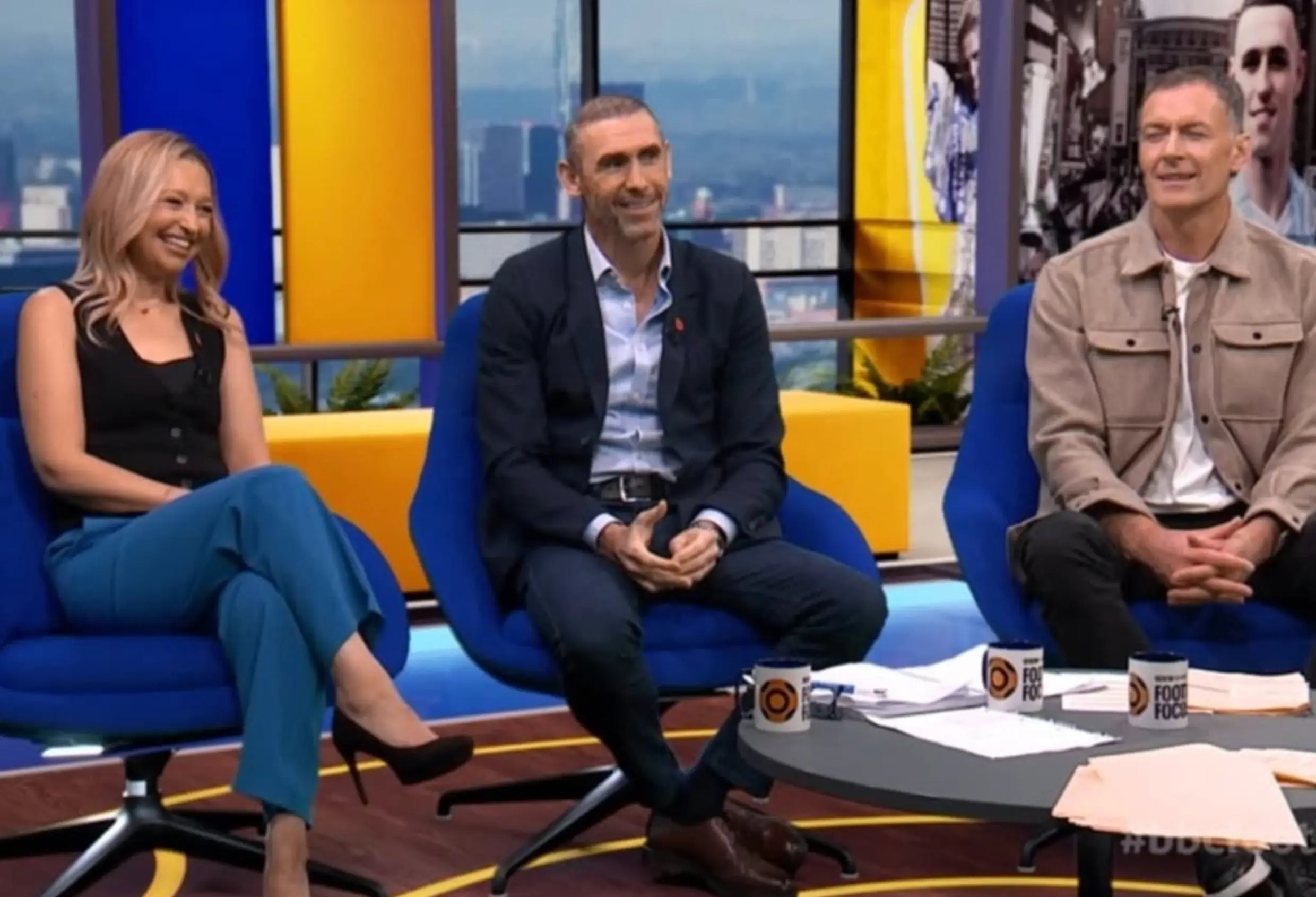
Giulia told Tyla: “I think support is key from men in the game, and I'm really lucky I have got a huge group of men around me in football that are brilliant and very supportive.
“Women looking after women as well - I think, that's so important. If I've seen people that I know that they've had abuse, I always send them a message and check in on them and go, you know, that's not right.”
While Abigail defiantly added, “If you're thinking, oh, ‘I hate the fact that a woman's on this,’ then it's just going to make me go and want to do it 10 times more. I live in a mindset of I'm going to do things in spite of these people and in spite of these things.”
Women in Sport said in a statement: “Women and girls belong in sport. Whether they choose to play, watch, or work in sport, they should be able to do so without facing misogyny and sexism.
“Female football fans should never feel unsafe or unwelcome when they are simply trying to support their team in exactly the same way as their male peers.
“In an era where women’s football is going from strength to strength, and more women and girls than ever are finding the joy in playing our national game, we should all feel confident to say that football belongs to all of us.”
An FA Spokesperson told Tyla: “Sexism and misogyny have no place in football or in wider society, and we would encourage anybody who has experienced this behaviour to report it through the appropriate channels.
“We want football to be a safe and welcoming environment for all, and everyone across the game has an important role to play in delivering this."
Topics: Football, Tyla Exclusive, Life, Real Life, World Cup, Sport
 Madison Burgess