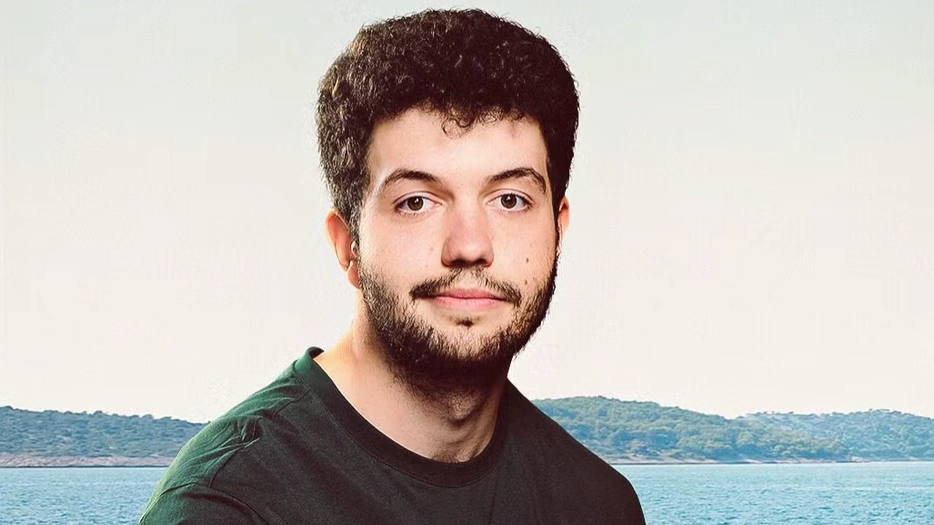
Virgin Island contestant Alex opens up on struggles with 'spectatoring' sexual issue

A Virgin Island contestant has lifted the lid on his struggles with a little-known sexual issue called 'spectatoring'.
The new Channel 4 show officially kicked off on Monday (27 April) as viewers met 12 new people who have never had sex, as they began their journey on an intimacy course at a luxury Mediterranean retreat.
The participants, who are aged between 21 and 35, spend just over three weeks taking part in intimacy workshops and embarking on sessions with therapists in an effort to break down any barriers they might be facing and eventually have sex.
Alex, who is a 28-year-old data analyst from Exeter, sat down for an interview with The Times ahead of the new series of Virgin Island airing, where he discussed his difficulty with erectile dysfunction.
Advert
He also candidly opened up about this during the first episode, revealing his anxiety about being unable to maintain an erection.
Alex had hopes that the show would help 'break the cycle' of intimacy, feeling like 'fear, pressure and performance rather than enjoyment'.

Speaking to the publication, he explained: "I put pressure on myself. I set myself into a panic, spiralling. I thought, I have to do this well, or she won’t like me. Or she’ll tell her friends. All I was thinking about when it came to sex was having to perform. And I lost any excited feelings."
The data analyst said he would usually end relationships after a few dates, as he would 'get too nervous and they were wondering why he didn't want to have sex with them.
He detailed how he explained his difficulty with maintaining an erection to one girlfriend, with whom he was in a relationship for eight months, but they never got intimate, and the romance eventually came to an end.
Alex added, "I’m not even thinking about being present with this person. It’s something called spectatoring, where you are no longer present in your own body. You are just viewing yourself almost from a third-person point of view, being, like, ‘Oh, I have to do this.’”
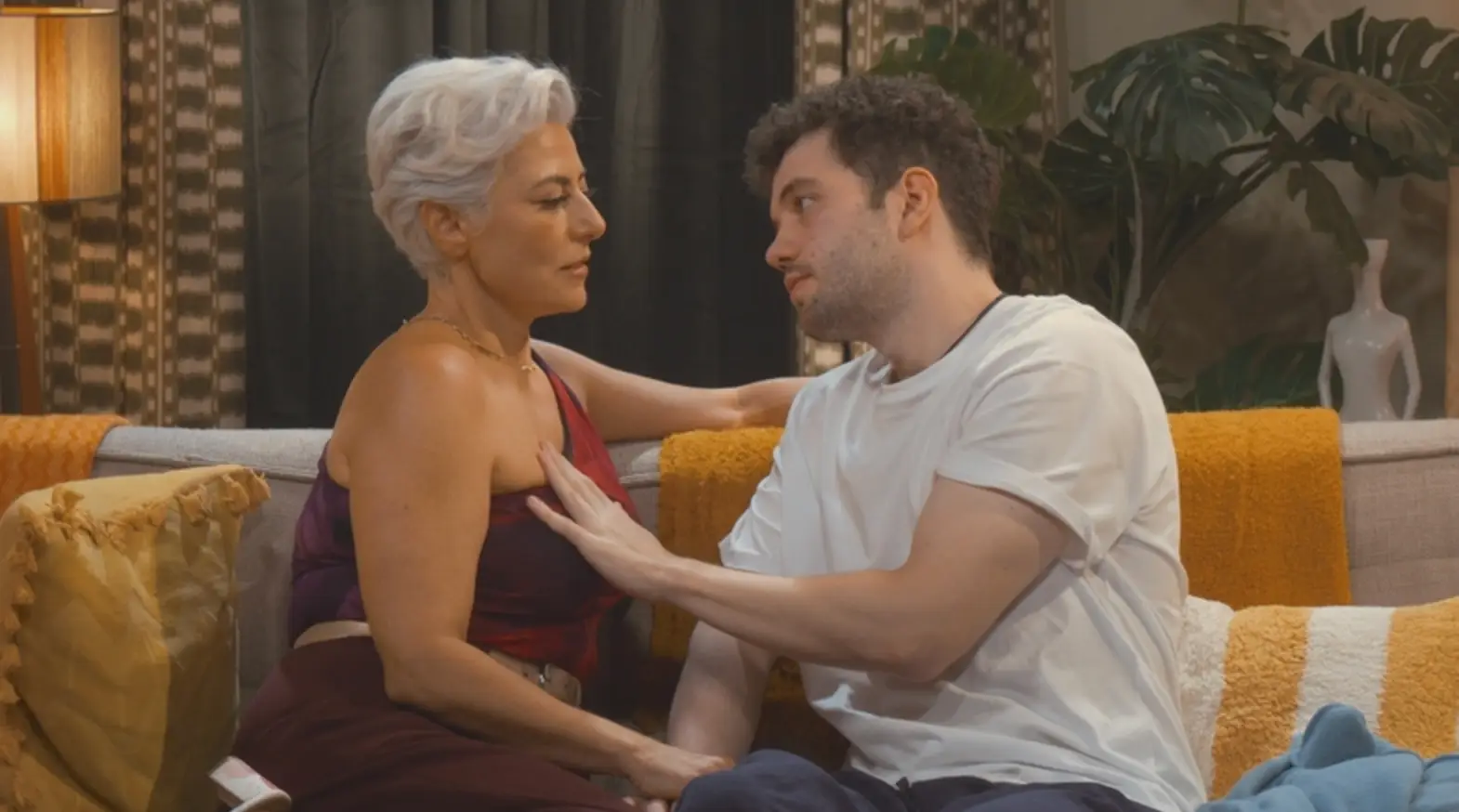
What is spectatoring?
The 'spectatoring' phenomenon that Alex referred to is the act of involuntarily stepping outside of yourself during a sexual experience and becoming a third-party observer rather than an active participant.
It's essentially when you allow doubts and distractions to interfere with your sexual activity, preventing you from focusing on the moment.
Driven by anxiety, as per Blue Heart, those who find themselves spectatoring may find sex less enjoyable and even begin to avoid it.
The term, which was coined by sex researchers in the 60s, refers to someone being distracted by a critical internal dialogue that doesn't allow you to relax, and instead leaves you closely monitoring your actions and looking for reactions from your partner to work out how they’re feeling or what they’re thinking.
You might even feel like you’re observing the intimate moment from the outside rather than being involved yourself and present in the moment.

Alex told The Times: "It really hit me for six. I realised I needed to do something about my sexual insecurities. She reassured me the whole time that it was all fine, but I was still so insecure that every action that she did I would evaluate under a microscope.
"The best form of apology I can give to this poor girl is getting help and not letting anyone else experience that.”
As a type of performance anxiety, spectatoring is a major psychological contributor to erectile dysfunction, which is often described as a 'silent' issue because of the immense stigma, embarrassment, and shame that prevent many men from seeking help.

As for how to stop spectatoring, Carolina Pataky, Dr, LMFT, a sexologist and co-founder of South Florida's Love Discovery Institute, told Women's Health that 'reducing the risk of spectatoring starts with cultivating habits outside the bedroom that promote relaxation, mindfulness, and self-acceptance'.
This can include yoga, meditation, deep breathing, grounding, gratitude journaling, and so on.
"These practices train individuals to focus on the present moment, a skill that translates directly to intimacy," she added.
It's also important to speak to a therapist about any insecurities, trauma, or shame surrounding your gender, sexuality, desires, and anything else that may be impacting your enjoyment of intimacy.
Narrowing in on thoughts like where you want to be touched and what you're enjoying can also help you avoid overthinking the experience.
Topics: Sex and Relationships, TV And Film, Virgin Island, Reality TV, Real Life, Health
 Madison Burgess