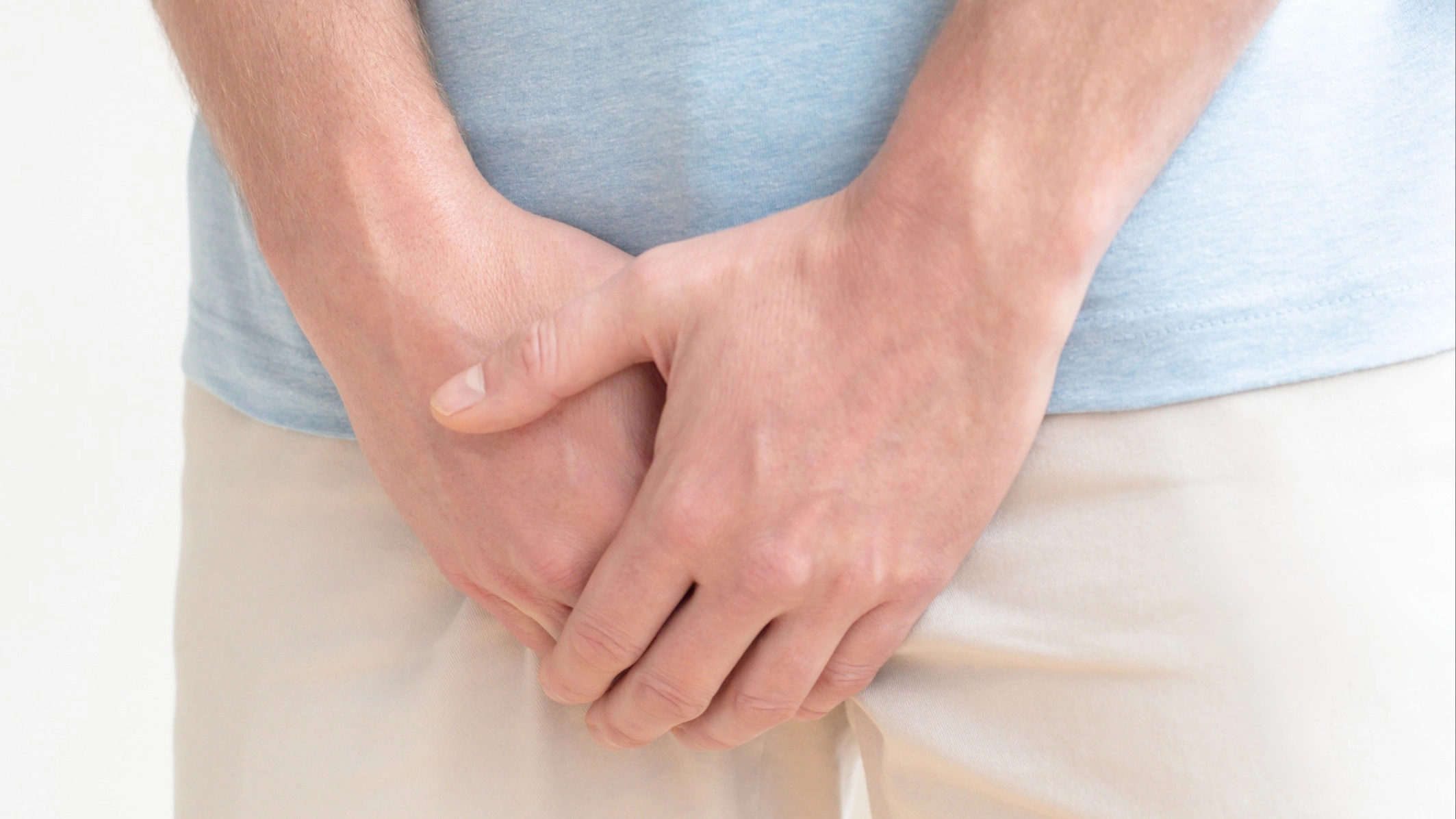
Early warning signs of erectile dysfunction - a 'silent' sexual health issue that men often ignore

An alarming new study recently found that one in four men under 40 battle erectile dysfunction on a regular basis.
This figure, cited by Science Direct, sits on top of the 50 per cent of men aged between 40 and 70 that the British Association of Urological Surgeons predicted will experience this 'embarrassing' enigma at some point.
Despite this, a group of top GPs have said there are several ways to combat erectile dysfunction long before it begins wreaking havoc on a person's mental and sexual well-being.
Apparently, it's all about keeping an eye on the early indicators that the complex condition could prove a chronic issue down the line, of which there are said to be five.
Advert
"Erectile dysfunction doesn't happen overnight," Dr Donald Grant, a Senior Clinical Advisor at The Independent Pharmacy, told The Mail. "In many cases, there are plenty of early warning signs that can indicate a potential issue with achieving or maintaining an erection."

Apparently, a concerning proportion of ED sufferers are putting these early indicators down to things like stress, fatigue, or 'getting older', however.
"Recognising the warning signs early and seeking advice can make a significant difference, not just for sexual health, but for overall wellbeing," he added.
1) Fewer morning erections:
Waking up with 'morning wood', or nocturnal penile tumescence, has long been an indicator to doctors that a man is sexually healthy, being a normal part of his sexual function. It's caused by the switching off of parts of the nervous system that normally control blood flow to the penis during sleep, as well as the fluctuation of several hormones.
Studies show that most men experience erections around four times during the course of a night's sleep without even knowing it.
If this amount decreases, or morning erections begin growing fewer and farther between, it could be cause for concern.
"When they become weaker or less frequent, it can often be a sign that circulation isn't working as efficiently as it should," Dr Grant explained.

"Erections rely on strong and consistent blood flow, so a reduction in morning erections could be an early indication of the body's vascular changes.
"Occasional changes are completely normal and can be influenced by stress, poor sleep, or alcohol."
He added: "However, if someone notices a persistent decline over weeks or months, it's important to seek medical advice from your GP."
2) Reduced sex drive:
The long-held belief that libido reduces with age was recently dispelled by researchers, who found that most men's sexual appetites actually peak in their early 40s, and then decline very gradually.
If someone in an age group younger than this finds their libido dipping, it might indicate that erectile dysfunction could become a longer-term issue later down the line.
"With so many potential contributing factors, men often ignore or dismiss them as stress, ageing, low testosterone, or temporary lifestyle changes such as increased alcohol consumption," Dr Grant continued.

"ED can cause reduced libido because sexual desire and sexual performance are closely linked. When a man begins to experience difficulty with erections, it can lead to anxiety around intimacy, lowered confidence, and a fear of repeated problems, reducing sexual interest over time."
3) A struggle to achieve an erection after round No. 1:
If you found yourself lucky enough to land one round between the sheets and are met with the exciting prospect of another, but can't seem to get it up again, this could prove to be an issue.
"It's completely natural for recovery time after orgasm to increase gradually with age," Dr Grant explained. "However, a sudden or significant change in the amount of time it takes to achieve an erection after having sex can sometimes indicate hormonal shifts, reduced blood flow, or underlying health concerns.
"Many men put this sign down to age, but this sign should never be ignored."
He added: "If recovery time has increased alongside other symptoms such as reduced firmness or lower libido, it may be an early sign of erectile dysfunction and is worth discussing with a GP."
 It is taking longer to achieve a second erection after sex? (Getty Stock Images)
4) Reduced sensitivity 'down there':
Difficulty maintaining an erection during intercourse or struggling to respond to the sexual touch of a partner might also indicate the possibility that erectile dysfunction could prove a longer-term health battle.
In some cases, reduced penile sensitivity can be easily explained away with tiredness or stress, but Dr Grant says regular sufferers should give the matter some further thought before dismissing the sensation.
"Finally, it can be normal for men experiencing ED to notice reduced sensitivity," he explained. "This may mean that stimulation feels less intense than it once did, making it more difficult to achieve or maintain a firm erection,' says Dr Grant.
"Changes in sensitivity can be attributed to many different potential factors, including reduced blood flow, heightened stress, or lifestyle habits such as smoking or excessive alcohol consumption."
Dr Grant added: "Like all of these signs, it's important to monitor this symptom closely."
 These warning signs might be worth a conversation with your GP (Getty Stock Images)
5) Inconsistent erections:
If one day, your manhood can stand strong all night, but the next, it fails to respond to any sexual stimulation, this could indicate a likelihood of frustration later down the line.
"Occasional erectile difficulty is completely normal and can happen to any man," Dr Grant concluded. "However, if issues begin occurring more frequently, even if not every time, this inconsistency can signal the early stages of ED.
"Due to stigma or fear of embarrassment, men often wait until the problem becomes constant before seeking help, but recurring issues are usually the body's way of highlighting an underlying issue that shouldn't be ignored."
Topics: Sex and Relationships, Health, True Life, Real Life, Advice
 Rhianna Benson