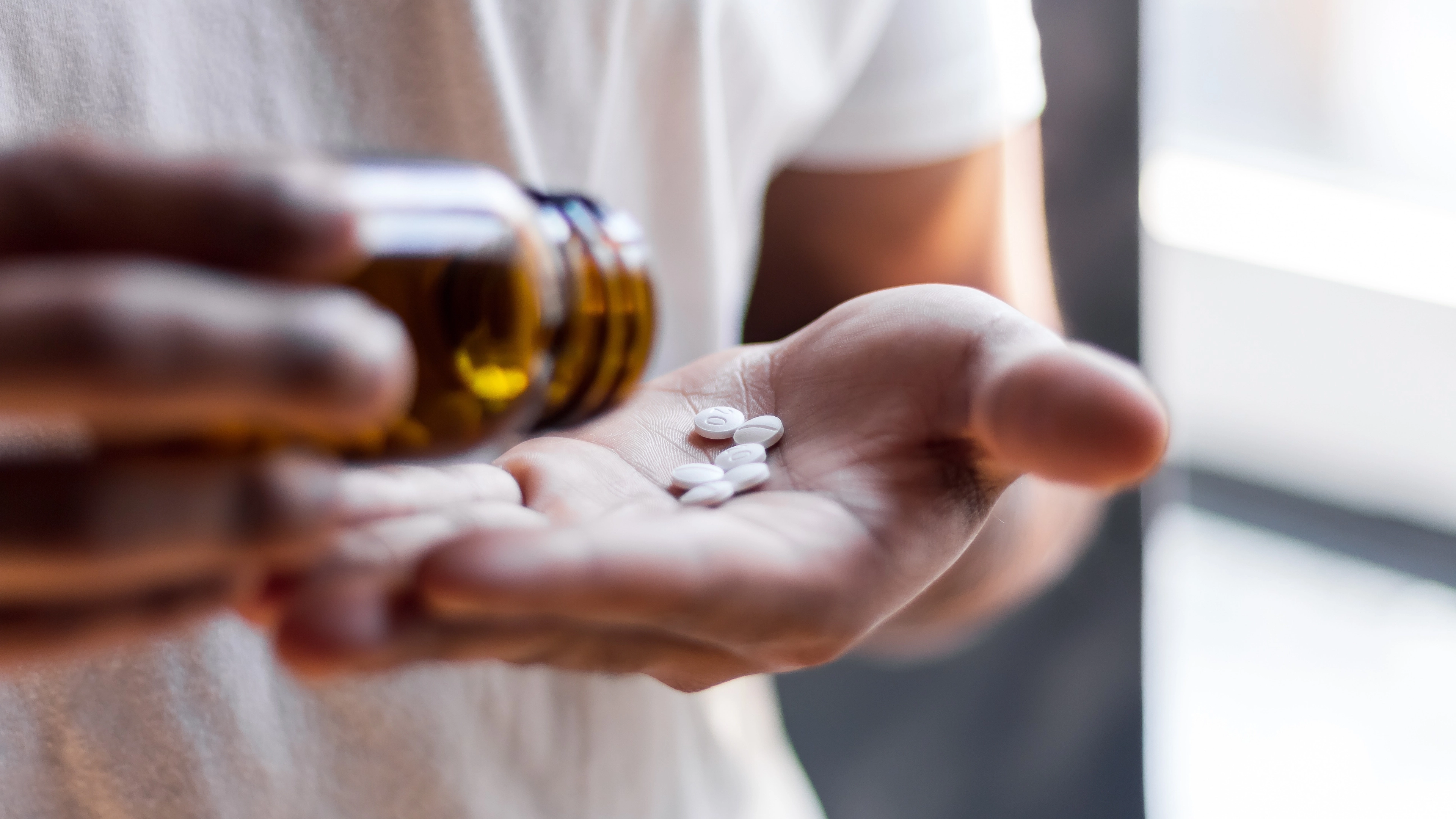
Common household medicine could help reduce risk of cancer

Groundbreaking research has revealed that a common everyday painkiller could be helping reduce cancer risks.
As per BBC Future, scientists are compiling evidence on how Aspirin appears to reduce the risk of colon cancer among those with a high genetic risk.
The NHS outlines that Aspirin is an everyday painkiller for aches and pains such as headache, toothache, and period pain, as well as being used to treat colds and flu-like symptoms.
But, it turns out it has some impressive hidden benefits, such as preventing certain tumours from forming and spreading across the body.
Advert
In the last year, numerous trials have strengthened this evidence, and in some places around the world, medical guidelines have been altered to include the pill as a first line of protection for those who are most at risk.

Although previous scientific studies looked into how Aspirin can reduce both the incidence and spread of cancer, Geneticist John Burn, who is the professor of Clinical Genetics at Newcastle University and a senior leader in England's NHS, conducted research that had shocking results.
He conducted a controlled trial of 861 patients with Lynch Syndrome, which is an inherited genetic condition that significantly increases the risk of colorectal and other forms of cancer.
Burn followed the participants for a decade and discovered that those who had taken a daily 600mg dose of aspirin for at least two years effectively halved their risk of colorectal cancer.
Since then, his team have conducted a second trial on the subject, which is currently under peer review.
However, as per the BBC, the early results are already hugely promising, suggesting that a much lower dose of aspirin, 75-100mg, is just as effective.

The expert said: "The people who took aspirin for two years had 50% fewer cancers in the colon. What we want to do is keep on going for a few more years because the data is going to get better as time goes on.”
He added: "In the UK, guidelines have been changed as a result of our findings," referring to how it's now reccomended that people with Lynch Syndrome should start taking the drug at about 20 years of age.
Doctors can also prescribe low dose aspirin for some people with cancer who have heart and blood vessel (vascular) problems.
At the moment, although many other studies are underway and emerging, it's still unclear whether aspirin could protect patients from other cancers as well.
In 2021, researchers published a systemtatic review and meta analysis that icluded 118 observational studies, which included people with 18 different cancer types.
About 250,000 people with cancer in the review were taking aspirin and as per Cancer Research UK, it showed that anytime after diagnosis about 20 out of every 100 (20%) more people with cancer who take aspirin are likely to be alive.
The review also found that aspirin can help to reduce the risk of cancer spreading, but researchers can’t say yet that all people with cancer should start taking aspirin.
As outlined by the charity, there are risks with taking aspirin, as there are with all medicines.
It can cause serious side effects for some people, such as internal bleeding and there also other reasons why why some people can’t take aspirin, for example, due to other health conditions.
Some people with cancer already have a higher than normal risk of bleeding, while might have a higher risk of developing blood clots.
There are a lot of unanswered questions and more research needs to be conducted. Every case is different and if you have cancer, you should consult your doctor before taking any new medications daily.
Topics: Health, Cancer, Bowel cancer, Science, News, World News
 Madison Burgess