Unexpected reason your antihistamines aren’t working

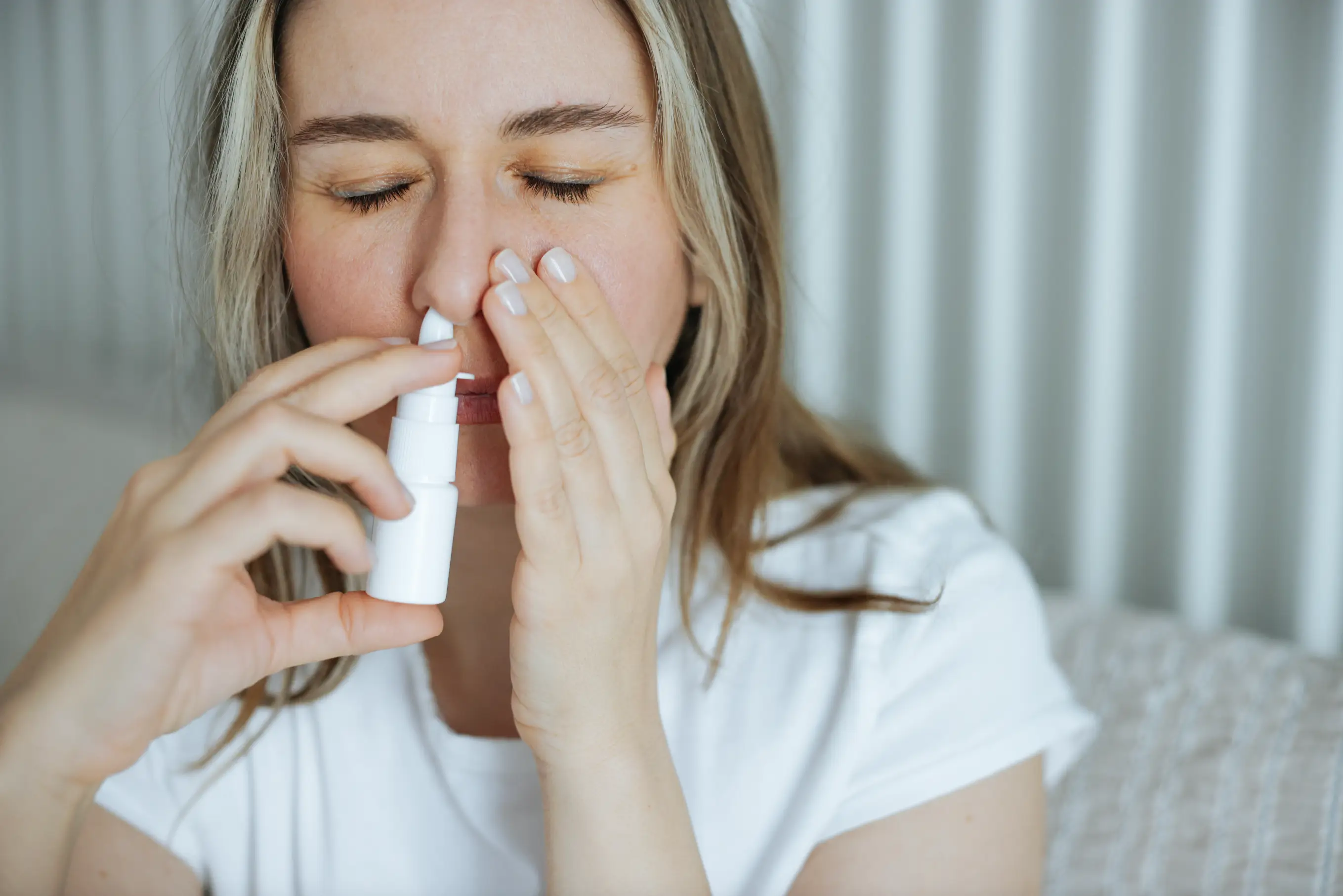
If you're a hay fever sufferer in the UK, you'll have likely woken up this morning sneezing, coughing, and feeling a bit worse for wear.
That's because the dreaded time of year is back, when the pollen count is on the rise again.
Despite springtime bringing lighter evenings and mornings, sunny days, and more outdoor plans, it also comes with an annoying health issue for millions of Brits.
This weekend, the Met Office has labelled the pollen count as 'very high' in numerous regions, including the North West and East of England, Wales, and Northern Ireland.
Advert
Meanwhile, the West Midlands, Yorkshire and the Humber, Strathclyde, the Highlands, London, and the South West of England all have 'high warnings,' to name just a few.
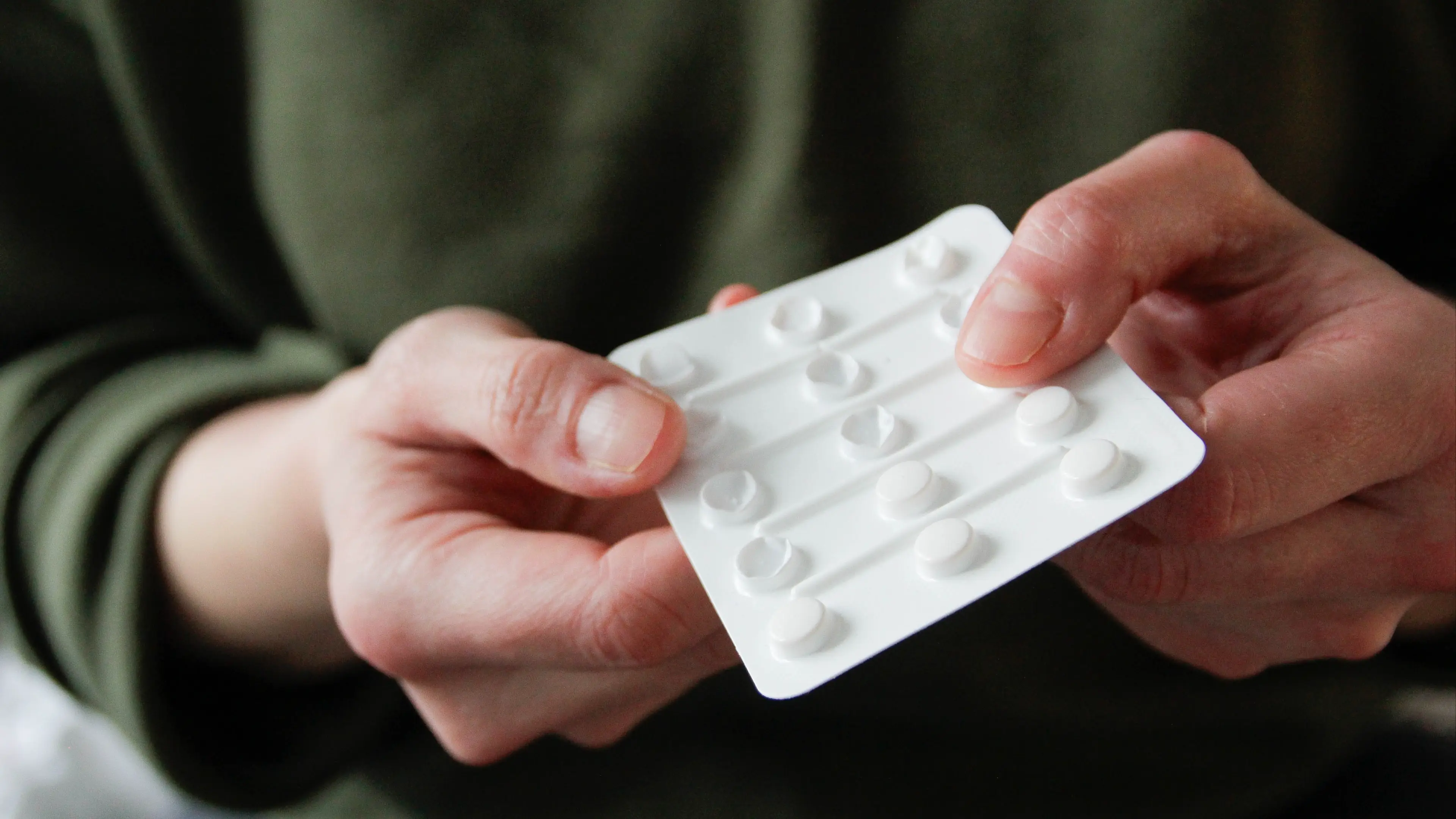
Even if you've prepared by keeping topped up on antihistamines, a doctor has revealed that there's one little-known reason why they may not be working.
Speaking on BBC's Morning Live today (24 April), Dr Punam Krishan revealed the huge mistake you could be making without realising - and it's all to do with what you're drinking.
The expert explained: "I think this is lesser known. There's a very common antihistamine called Fexofenadine, which people take."
Dr Punam explained that drinking certain fruit juices can reduce the effectiveness and the absorption of the antihistamine, so you might want to skip your morning OJ.
She advised: "Now, what people don't know is that there's a transporter in the gut that Fexofenadine is absorbed via. Now, there are certain fruit juices like orange juice, grapefruit juice, apple juice, that can actually block that transporter, so it means that the absorption of Fexofenadine is affected - significantly reduced by about 70%.
"So I would always say when you're taking that, take it with water and avoid any fruit juices a few hours before or a few hours after."
The doctor went on to remind people that antihistamines can interact with other drinks and medications too, such as alcohol.
Dr Punam warned: "Of course, when it's nice and sunny, you might want a wee glass of wine or a beer, but alcohol could increase histamine in the body, which can make your hayfever symptoms worse.
"But alcohol's also a sedative, so if you're combining that with antihistamines, it can potentially make you feel more drowsy. You know, it affects your alertness, your reaction times, et cetera. So just be wary of that."
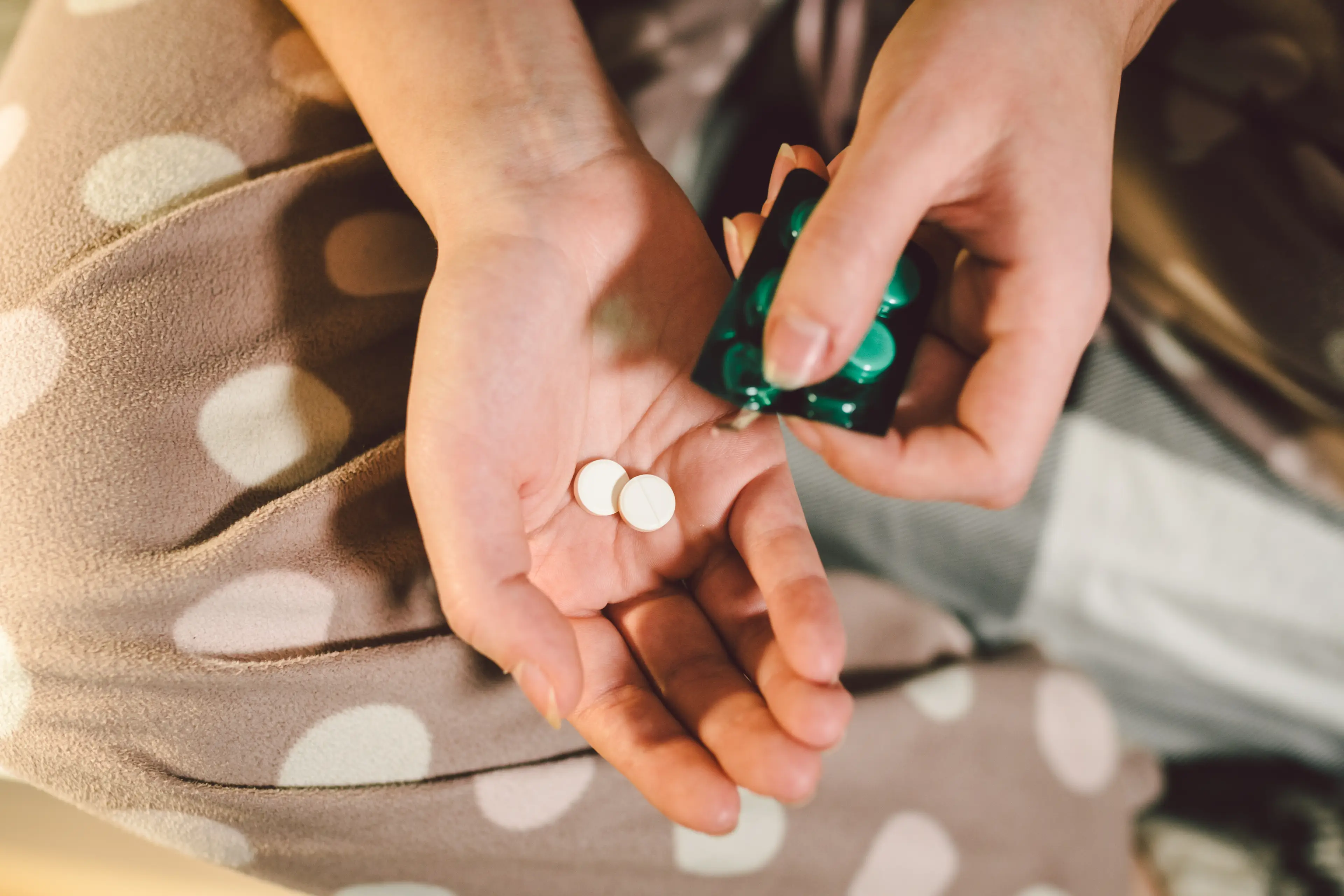
She also shut down reports that antihistamines are linked to weight gain and urged sufferers not to stop taking the tablets because of this rumour.
The doctor said, "I think that there have been some headlines about that, which I feel can maybe make people pause and maybe even stop taking their antihistamines - I don't want people to do that.
"The science bit is that histamine can affect things like your hunger and your energy levels, so, of course, antihistamines that come in can affect that.
"Sometimes I hear people saying 'it makes me feel a bit hungrier, a bit more sluggish', but this isn't a common phenomenon."
She reassured that it's not a side effect that's listed, and there's 'not a huge amount of evidence that suggests that antihistamines - especially the newer ones that are non-drowsy - cause any significant weight gain'.
Dr Punarm urged: "So I don't want anyone panicking, I don't want anyone stopping their antihistamines. If you notice that you are a bit hungrier, just be mindful of that and, of course, if something's significantly affecting your fatigue, then speak to your GP, and we can always change which one you're on."
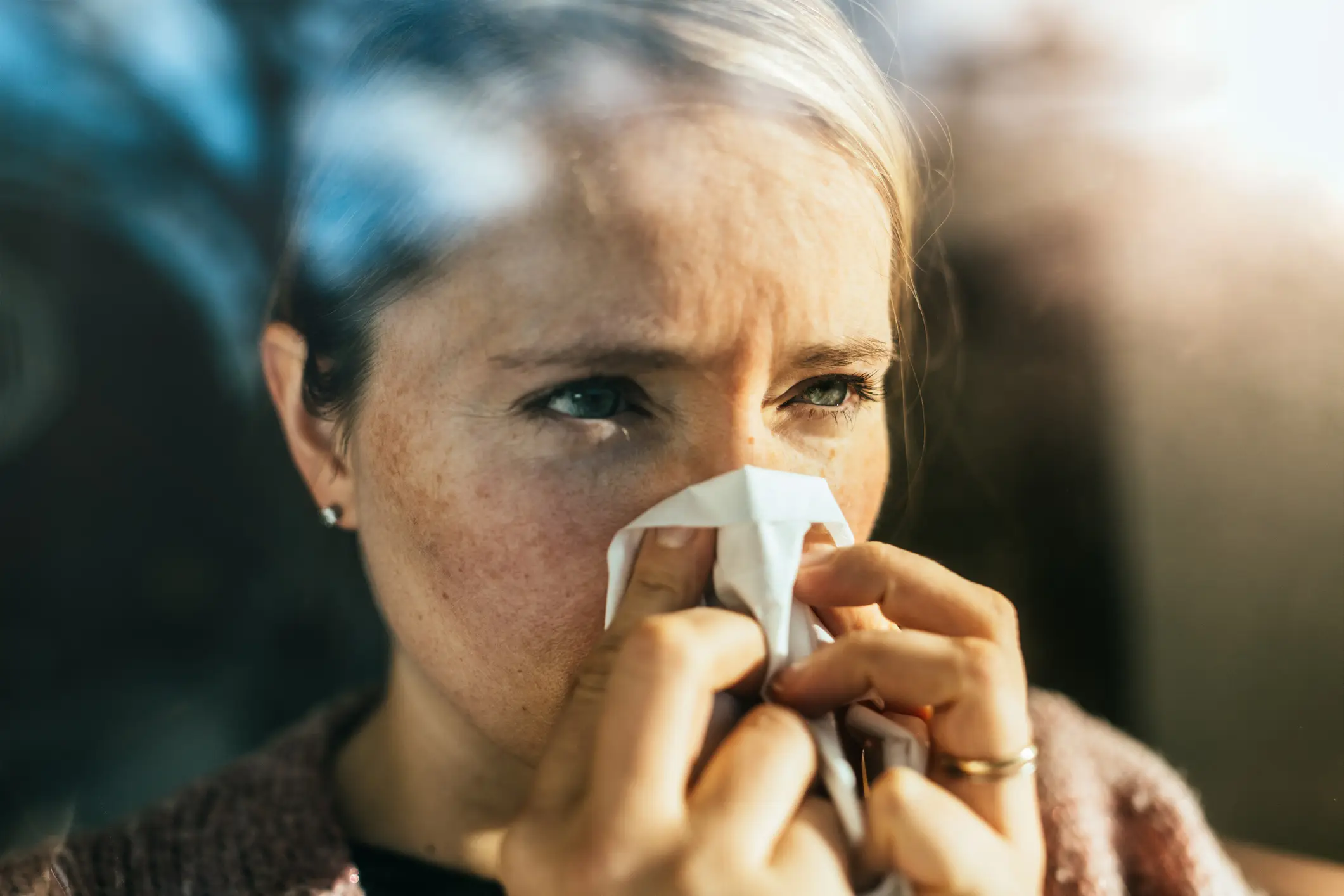
Elsewhere, Dr Suzanne Wylie, GP and medical adviser for IQdoctor told Tyla that although itchy eyes are one of the most 'frustrating symptoms,' repeatedly rubbing them can actually make things worse.
The expert said:" One of the key signs that symptoms are likely to be hay fever rather than a cold is the presence of itching, particularly around the eyes and nose, alongside clear watery mucus rather than thick congestion, and importantly, hay fever does not usually cause a fever or significant aches and pains.
"Although itchy eyes are one of the most frustrating symptoms, repeatedly rubbing them can actually make things worse by increasing inflammation and irritation, as well as potentially damaging the surface of the eye or increasing the risk of infection, particularly for contact lens wearers. Using cold compresses, lubricating eye drops or antihistamine eye drops is usually a better option for relief."
She added, "When it comes to antihistamines, they generally work best when taken consistently throughout periods of high pollen rather than waiting until symptoms become severe.
"For people who know they are affected by high pollen counts, taking an antihistamine the night before may help because the medication is already active in the system by the following morning, although regular daily use is usually more important than the exact timing.
"People should seek medical advice if they develop wheezing, chest tightness, shortness of breath, significant facial pain, swelling around the eyes, or symptoms that are not improving despite treatment, as these may suggest something more serious than straightforward hay fever."
Topics: Health, UK News, Explained, News, Food and Drink
 Madison Burgess