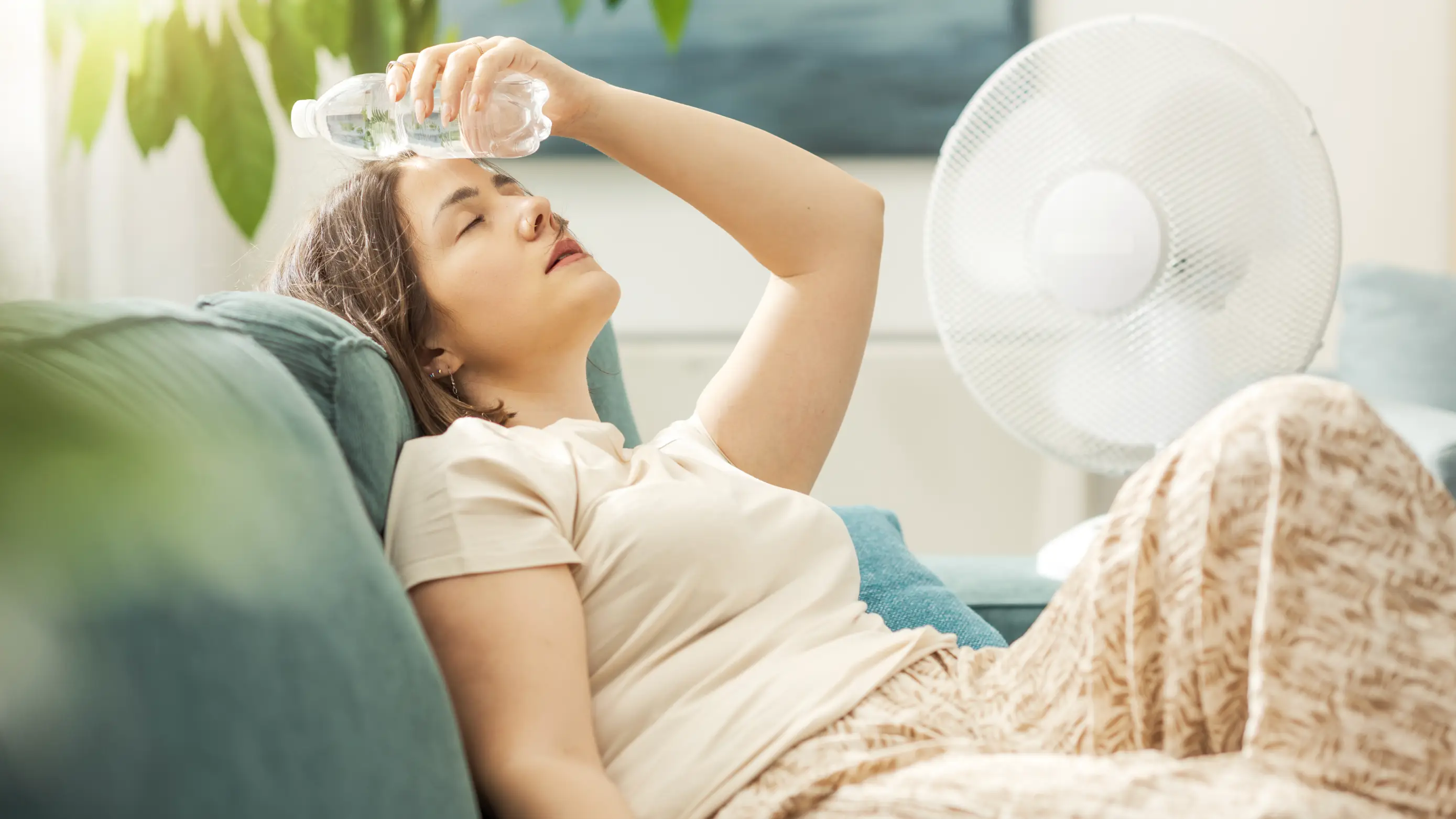
Truly gross heatwave side effect no one wants to talk about

We’re now days into the scorching UK heatwave, with Brits up and down the country feeling its sweltering effects.
The Met Office said temperatures reached a humid and sweaty 36.4C at Yeovilton, Somerset, on Thursday afternoon (25 June), which provisionally made it the UK’s hottest June day on record.
From working from home, to buying paddling pools or staying indoors with the blinds closed, it’s safe to say that everyone is doing all they can in an effort to keep cool.
As outlined by The Independent, Currys has reported that searches for fans have gone up by a whopping 1,500 per cent compared to last weekend, while air conditioning product searches have also risen by a staggering 3,500 per cent.
Advert
But there’s one particular side effect of the baking temperatures that not everyone is keen to talk about, as it’s a bit TMI.
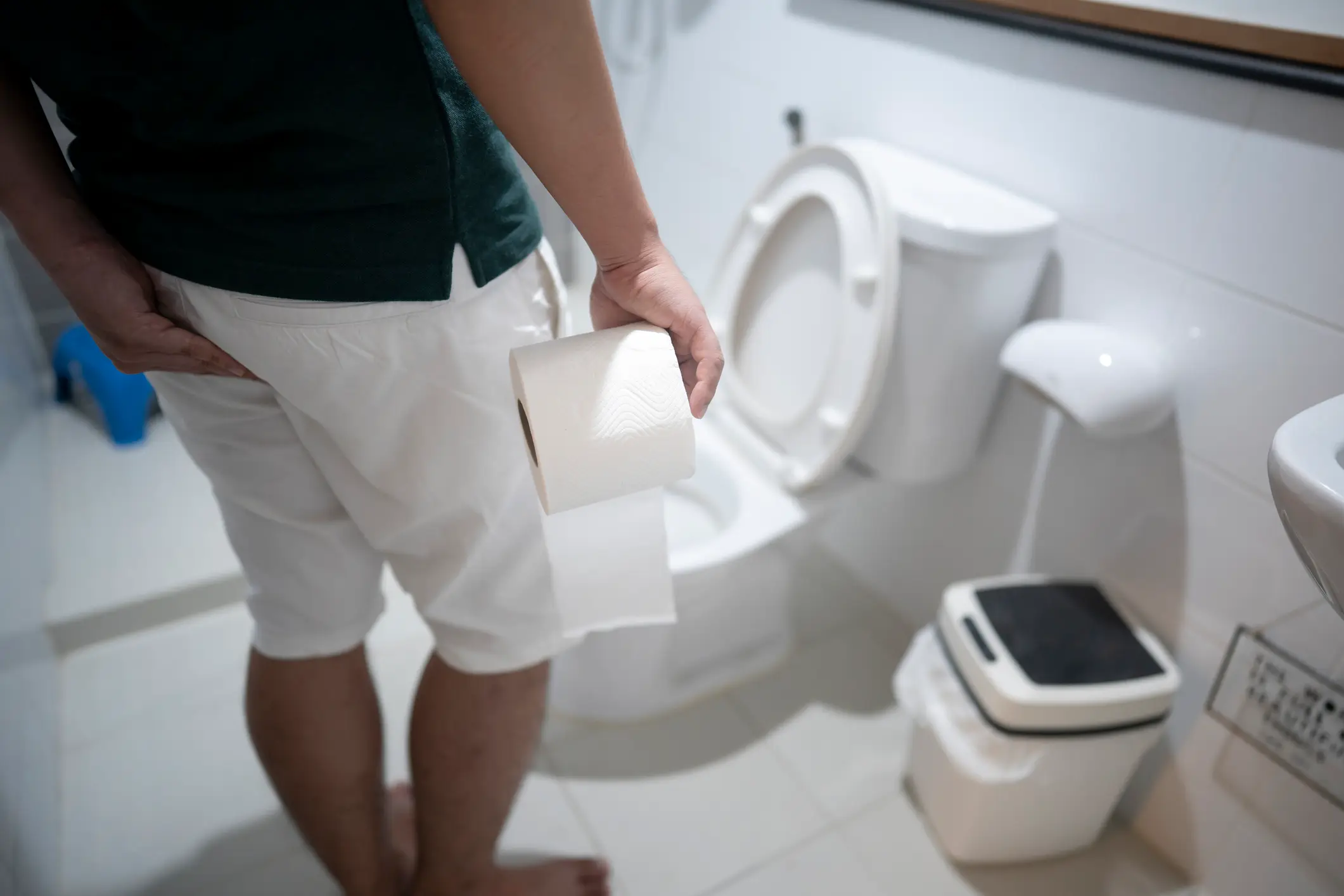
We’re talking about toilet habits, as apparently, you can’t even escape the sizzling conditions while sitting on the loo.
That’s right - the humidity can unfortunately wreak havoc on your gastrointestinal health.
Some people have reported needing to go to the bathroom more, while others have been struggling with looser stools and even constipation.
Speaking to Tyla, Dr Suzanne Wylie, GP and medical adviser for IQdoctor, explained that the impact is usually indirect, rather than the heat itself directly causing diarrhoea or increased bowel movements.
The expert said: “During a heatwave, people tend to lose more fluid through sweating, and even mild dehydration can alter the way the gut functions, sometimes speeding up bowel movements in some individuals while leading to constipation in others.”
Dr Wylie outlined that during warmer weather, people also often change what they’re eating and drinking, consuming more iced coffees, alcohol, sugary drinks, or rich barbecue foods, all of which can stimulate the bowel or irritate the digestive system, particularly in people who already have sensitive guts or conditions such as irritable bowel syndrome.
For those of us living with gastrointestinal conditions such as irritable bowel syndrome or inflammatory bowel disease, the hot weather can actually make symptoms feel more noticeable because dehydration can affect normal bowel function, while heat itself places additional stress on the body.
Dr Wylie explained: “If someone is already prone to diarrhoea, losing both fluids and electrolytes through frequent bowel motions during a heatwave increases the risk of dehydration much more quickly, creating a cycle where they feel increasingly unwell unless they replace fluids adequately.
“There is also an increased risk of gastrointestinal infections during periods of hot weather because bacteria multiply much more rapidly in food that has been left out in the heat."
She added: “Food poisoning commonly causes diarrhoea, abdominal pain and vomiting, so ensuring food is stored, prepared and chilled correctly becomes particularly important during a heatwave, especially at picnics and barbecues where refrigeration may be limited.”
The doctor advises staying well hydrated by drinking water regularly rather than waiting until you feel thirsty, moderating your alcohol and caffeine intake if they tend to trigger bowel symptoms, and finally, being mindful of food hygiene.
Dr Wylie warns that anyone who develops severe or persistent diarrhoea, passes blood, experiences significant abdominal pain, or shows signs of dehydration such as dizziness, confusion, reduced urination, or extreme thirst should seek medical advice promptly, as dehydration can become serious much more quickly during periods of extreme heat.
You can find out more about dehydration on the NHS website.
How to cool down in a heatwave
We’re all aware of the basics of keeping cool during the warmer weather, such as avoiding the sun between 11am and 3pm, staying hydrated, wearing light clothing, taking cold showers and avoiding physical activity, but have you tried these little-known hacks to beat the heat? (Thank us later).
The correct way to sleep with a fan on
A good night's sleep is almost never guaranteed during a heatwave, leaving many of us turning to our trusty fan to get through the night. However, it could be having a hidden impact on your health.
But rest assured, as Dr Anis Khalaf has explained how to overcome this, the correct way.
"The key is to not have any of the wind blowing on you,” he said. “So try facing it away from your body, and the air will still circulate around the room."
Though bear in mind that electric fans only tend to work when the temperature is below 35 degrees.
Drinking milk
Thanks to the sugars, proteins and fats in milk, Dr Natasha Fernando claimed that a glass of the liquid ‘may be more hydrating than water’.
She told Metro: “Milk also contains sodium which allows your body to hold onto water for longer, aiding hydration levels.”
The Egyptian sleep method
Forget the Military sleep method, because this hack claims to keep you cool as well as help you nod off.
Psychiatrist Alex Dimitriu, MD, told VeryWellMind: "The Egyptian sleep method involves sleeping under a damp sheet, which cools off from evaporation.”
Just make sure the sheet is damp and not drenched, and the room is well-ventilated.
Keeping windows shut during the day
While it may sound counterproductive, you’re essentially inviting the hot air inside by leaving them open. And since most houses in the UK are designed to keep the heat in, you could be making the situation a whole lot worse.
Instead, wait until temperatures have dropped (such as in the late evening) to open your windows to allow cooler air to circulate. Keeping your blinds and curtains shut can also help.
Topics: Health, Summer, Weather, UK News, Food and Drink, Life
 Madison Burgess