
'Heatwave belly' explained as hot weather leaves Brits with unusual symptom

Brits have been well and truly put through the wringer by the weather this week, with Thursday 13 August crowned the hottest day of the year so far.
And honestly, our bodies are starting to have some serious questions.
As temperatures soared towards the high 30s, the nation reached peak summer mode, which meant ice creams were being demolished at record speed, fans were working overtime and absolutely everyone sweated cobs.
But while we might associate a heatwave with sunburn, humid commutes to work and desperately trying to sleep with one leg in and one leg out, there are plenty of less glamorous ways the heat can affect us.
Advert
Social media users have been sharing some of the weird and wonderful things they've noticed happening to their bodies as the heatwave continues, and one particularly common complaint has left people wondering why they suddenly feel so bloated.
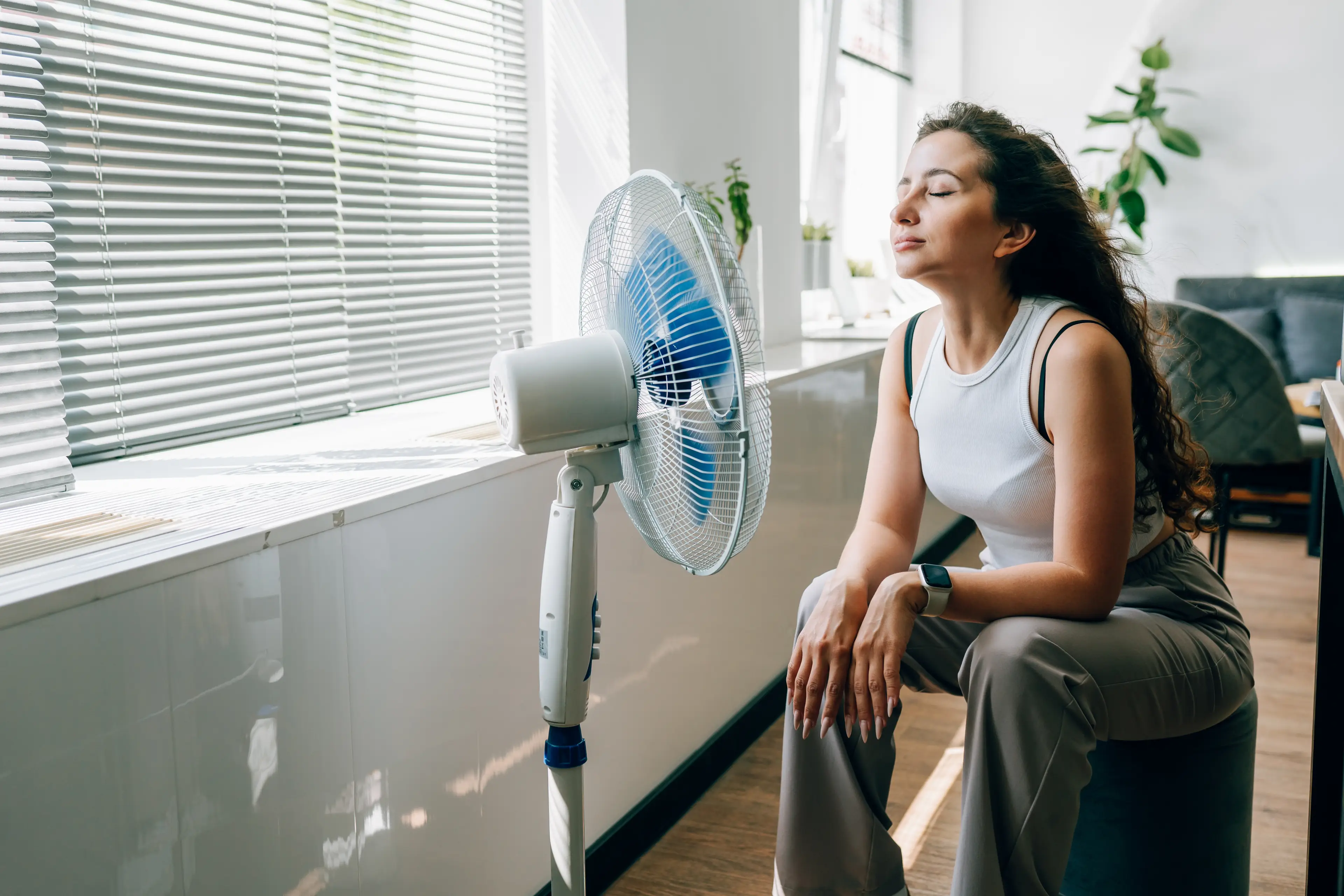
Whether you've already demolished your third ice lolly of the day, downed litres of ice-cold water or simply spent hours feeling like you're slowly melting, you might notice you're not feeling quite like your usual tip-top self. And apparently, we're not alone.
One social media user asked: "Has anyone else felt really bloated and large in this heat?"
Another echoed the sentiment, writing: "Does this heat make anyone else bloat up a bit?"
People were quick to weigh in with their theories, with one suggesting: "I think it's water retention," while another had a rather more unexpected explanation: "Yes but that could be down to me being 28 weeks pregnant."
So, is the scorching weather actually responsible for that puffy, swollen feeling, or is something more sinister going on?
We spoke to a medical expert to find out exactly why you might feel more swollen in the heat.

Why do we bloat in hot weather?
Women’s health expert Dr Shirin Lakhani told Tyla: "When temperatures rise, our blood vessels naturally dilate to help the body cool itself, which allows more fluid to move from the blood vessels into the surrounding tissues, which can leave people feeling puffy, particularly in the hands, feet and ankles."
She said it's not just the heatwave to blame though, but our love of a sunshine bevvy or two might add to it: "Even though rising temperatures can be a factor, usually when it comes to bloating, it’s not just the hot weather that’s causing it, but rather the lifestyle changes that usually happen with hotter weather.
"For example, we often become more dehydrated and may drink alcohol more frequently, which can all cause fluid retention or digestive issues contributing to bloating."
If your stomach is feeling sluggish, it could be down to your digestion.
Dr Lakhani explained that staying hydrated is vital: "Hot weather can affect digestion, and dehydration may slow bowel movements, increasing feelings of fullness or discomfort. Carbonated drinks, alcohol and changes to eating habits during the summer can also increase gas production."
When should you seek medical attention?

The doctor advised: "Heat-related swelling is usually mild, affects both sides of the body equally, usually accumulates around the legs, feet, ankles or fingers and hands, develops gradually over the course of a hot day and improves overnight or after cooling down, elevating the legs and staying hydrated."
"However, swelling that comes on suddenly, affects only one leg, is painful, red or warm to the touch, or is accompanied by chest pain, breathlessness or dizziness could be a sign of something more serious and should never be ignored," she insisted.
"Persistent swelling that doesn't improve after the weather cools, or is becoming progressively worse, may also be worth exploring with a medical professional as it could indicate an underlying problem with the heart, kidneys, liver or circulation."
How can you reduce bloating?
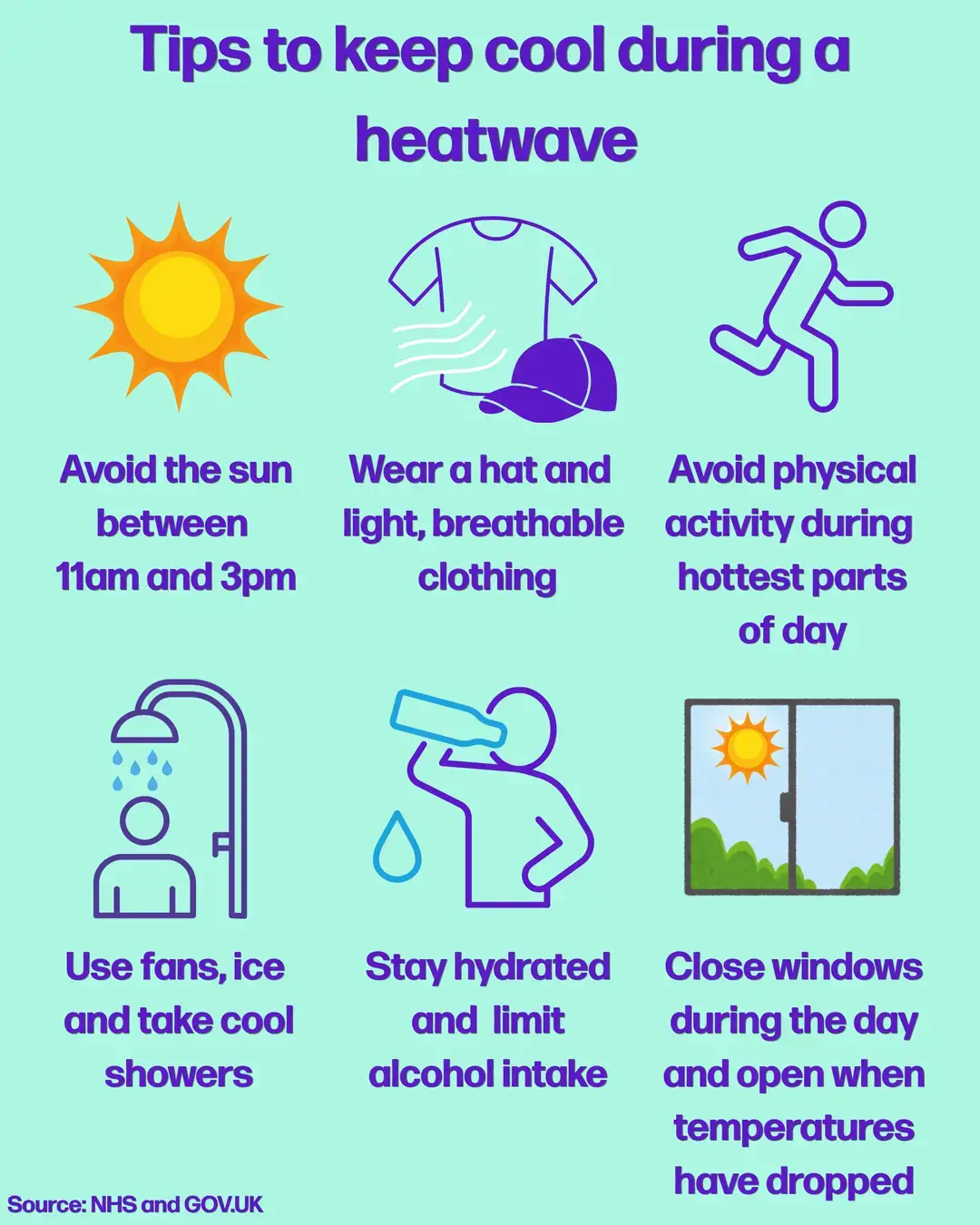
Dr Lakhani suggested: "Number one would be staying well hydrated throughout the day because dehydration actually encourages the body to retain fluid. Drink plenty of water throughout the day rather than just waiting until you feel thirsty."
"Reducing excessive salt intake can also help minimise water retention. Eating potassium-rich foods such as bananas, tomatoes and leafy greens supports healthy fluid balance for most people," she added.
Unfortunately, lying prone on the sofa all day isn't the best option, with the expert adding: "Gentle movement, even a short walk or regular ankle exercises if you're sitting for long periods, helps the muscles pump fluid back towards the heart. If digestive bloating is the main issue, eating smaller, lighter meals and limiting fizzy drinks and excess alcohol can also be beneficial."
Dr Lakhani continued: "Some people are more likely to experience it, with women in particular battling with their hormones, and pregnancy can cause more pressure.
"Older adults are also more vulnerable because circulation becomes less efficient with age. People with obesity, chronic venous insufficiency, lymphoedema, heart disease, kidney disease or liver disease may experience more significant swelling, particularly during heatwaves.
"Taking certain medications can have an impact, too. These include some blood pressure medications, particularly calcium channel blockers, corticosteroids, hormone replacement therapy, oestrogen-containing contraceptives and some anti-inflammatory medicines."
If in doubt, ask your GP for advice.
Topics: Weather, Health, Women's Health, UK News
 Jen Thomas