Unusual food craving that could be a sign of little-known condition that can cause 'ferritin face'

An unusual urge to eat things that are not food, including soil, ash, soap or even stones, could be a warning sign of iron deficiency, the same condition linked to the viral TikTok trend known as 'ferritin face'.
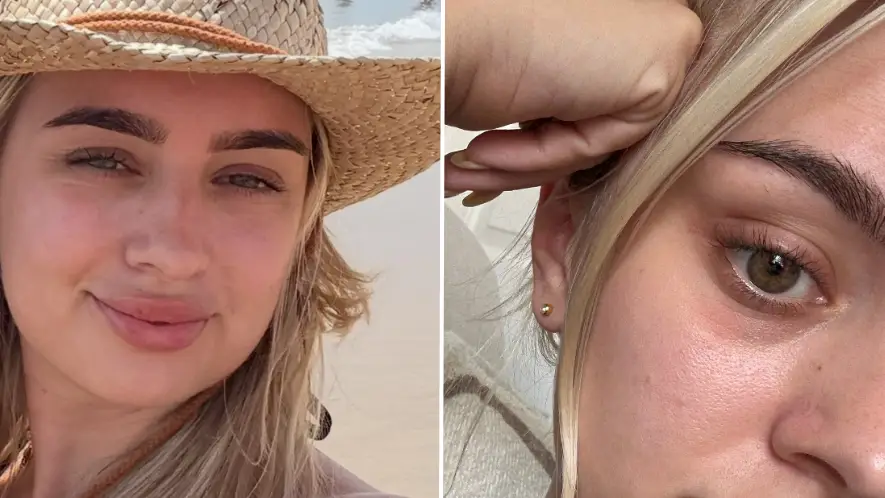
The social media term has been used to describe changes in appearance that some women say disappeared after treating low iron stores.
While 'ferritin face' is not a recognised medical diagnosis, experts say iron deficiency can sometimes affect the skin, hair and nails, alongside a range of other symptoms.
Now, doctors are highlighting another lesser-known clue that could point to the condition. The craving, known medically as pica, involves a compulsive desire to eat non-food substances and is strongly associated with iron deficiency anaemia.
Advert
Dr Rebecca Mwakichako, a haematologist at Moi County Referral Hospital in Kenya, says the behaviour is one of the most distinctive signs she sees in patients.
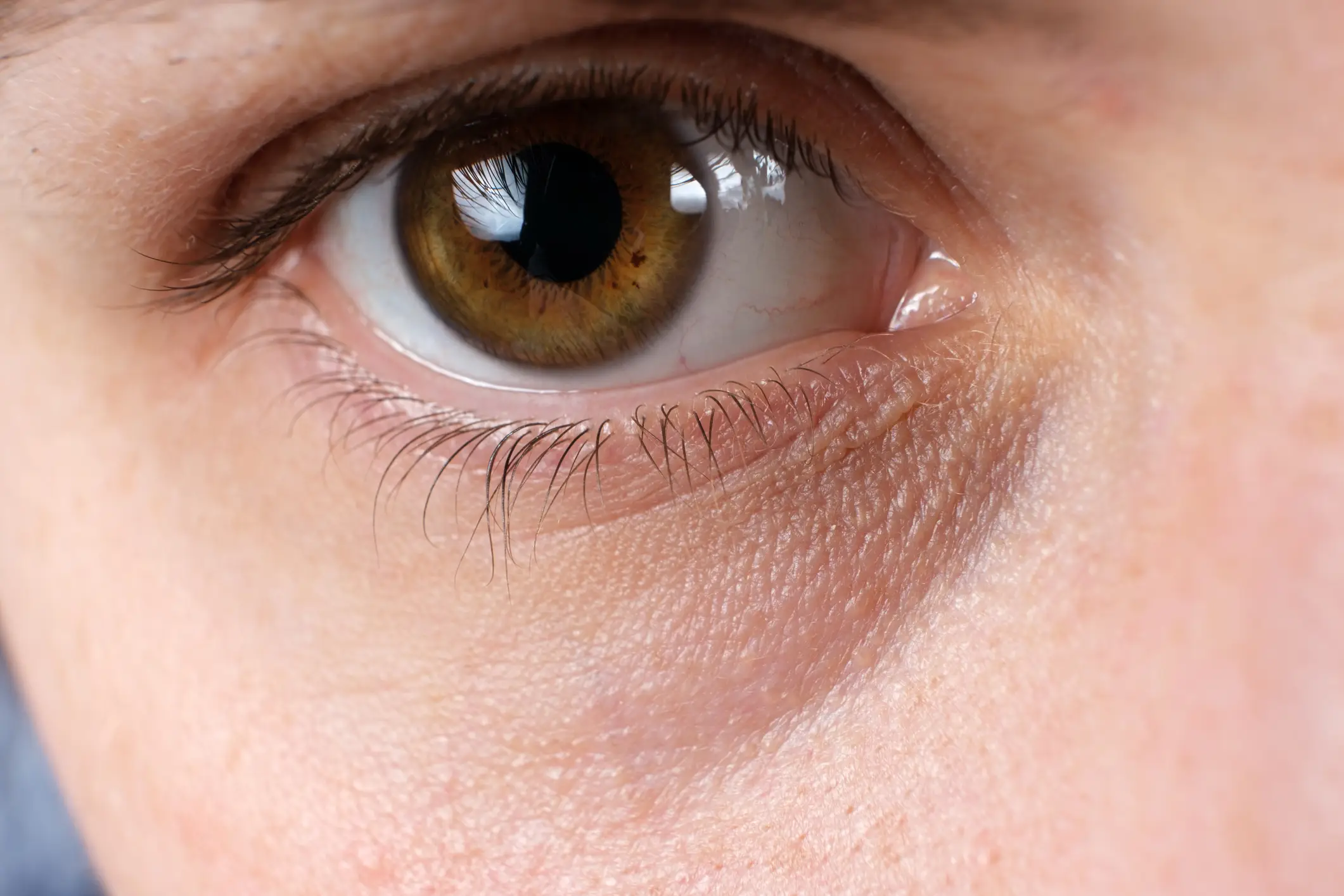
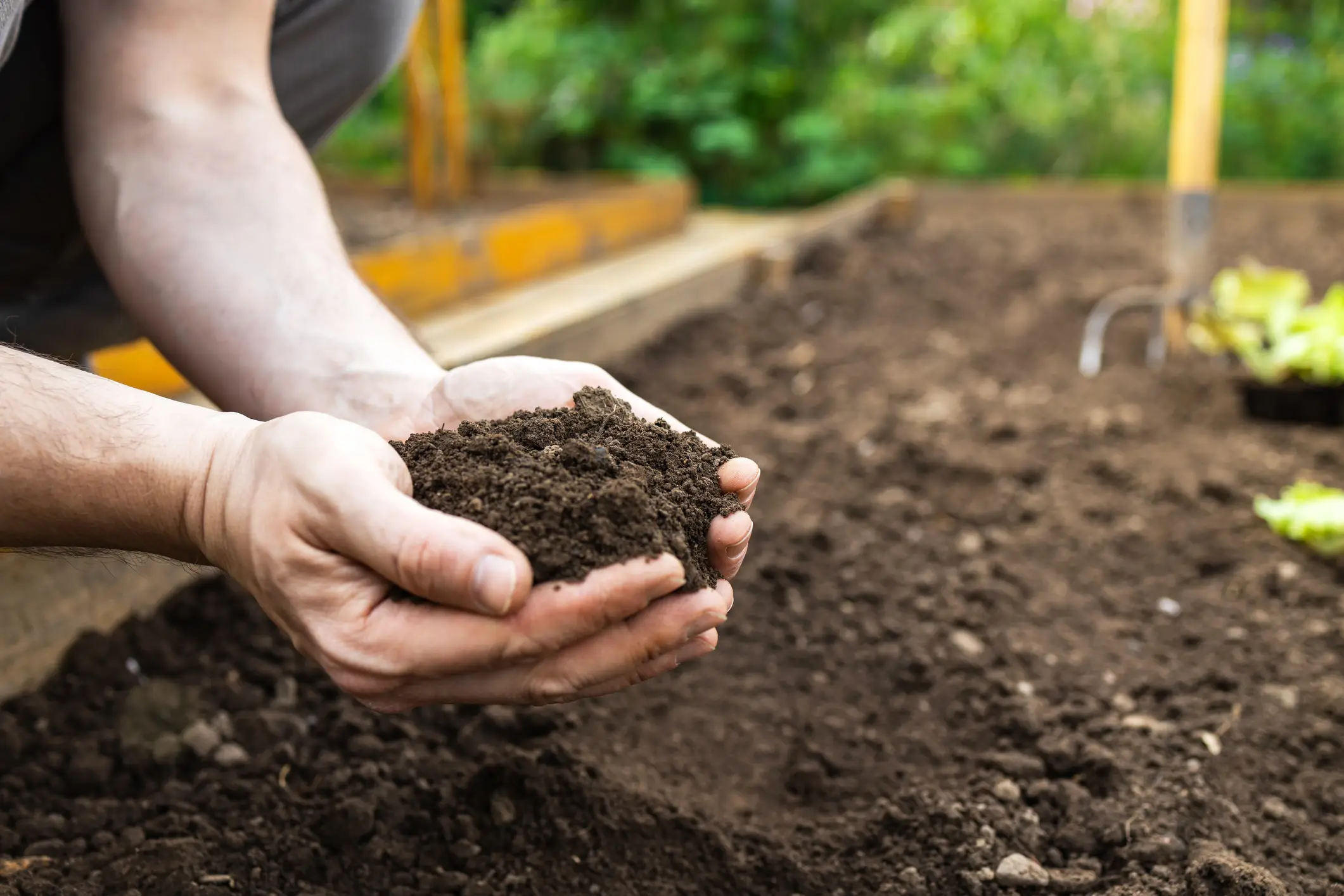
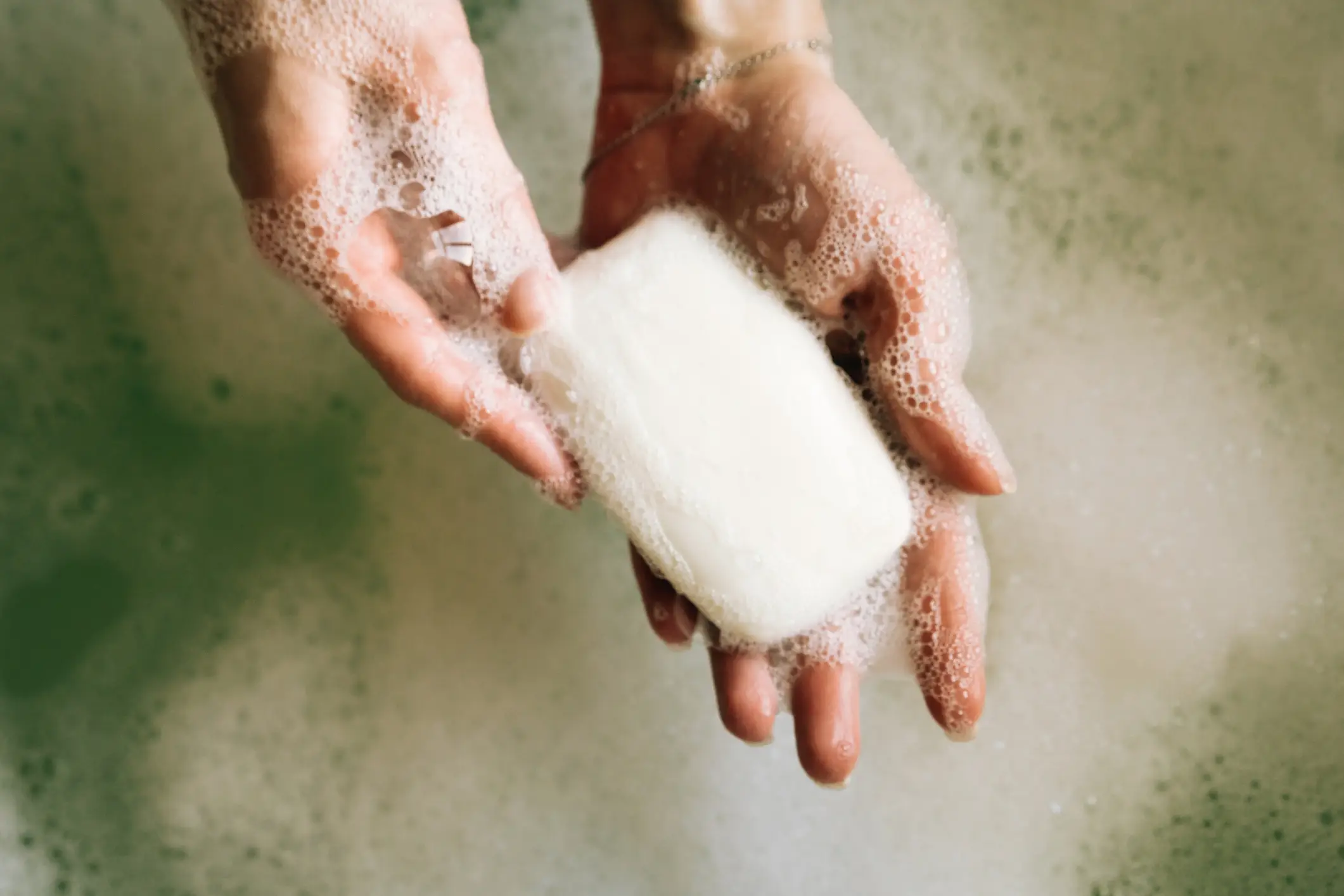
"They tell you that they have a desire to eat some funny things," she told Daily Nation. "They say they want to take ash, plastic, soap, soil or udongo. Those are some of the things that can tell you this is probably an iron deficiency, and when you look at their lab results, you confirm indeed it is."
Iron deficiency occurs when the body's iron stores, measured by ferritin, become depleted.
If left untreated, it can progress to iron deficiency anaemia, where there is not enough iron to produce healthy red blood cells and carry oxygen around the body.
Dr Subramaniam Ramakrishnan, a consultant gastroenterologist, previously explained that anaemia develops as a consequence of untreated iron deficiency.
"Anaemia is one of the consequences of iron deficiency," he explained. "If left uncorrected, iron deficiency results in a drop in haemoglobin which carries our blood to different organs."
Although many people associate iron deficiency with tiredness, doctors say the symptoms can be much broader.
Alongside persistent fatigue, dizziness and breathlessness, people may notice hair thinning, brittle nails and changes in your complexion – from a grey or washed-out appearance to dark under-eye circles.
Dr Ramakrishnan said appearance alone should never be used to diagnose the condition.
"Low iron / iron deficiency without anaemia may not be recognised as the general appearance of people with this condition may not be different to their normal selves," he explained.
"Iron deficient anaemia on the other hand may result is a few changes to the appearance. For example people may look paler in general, the inside of the eyes may look less red than usual, and some people with severe deficiency can develop changes to their nails. Hair loss is a potential problem related to this condition."
Women's health expert Dr Shirin Lakhani added to Tyla that ferritin plays an important role beyond red blood cell production.
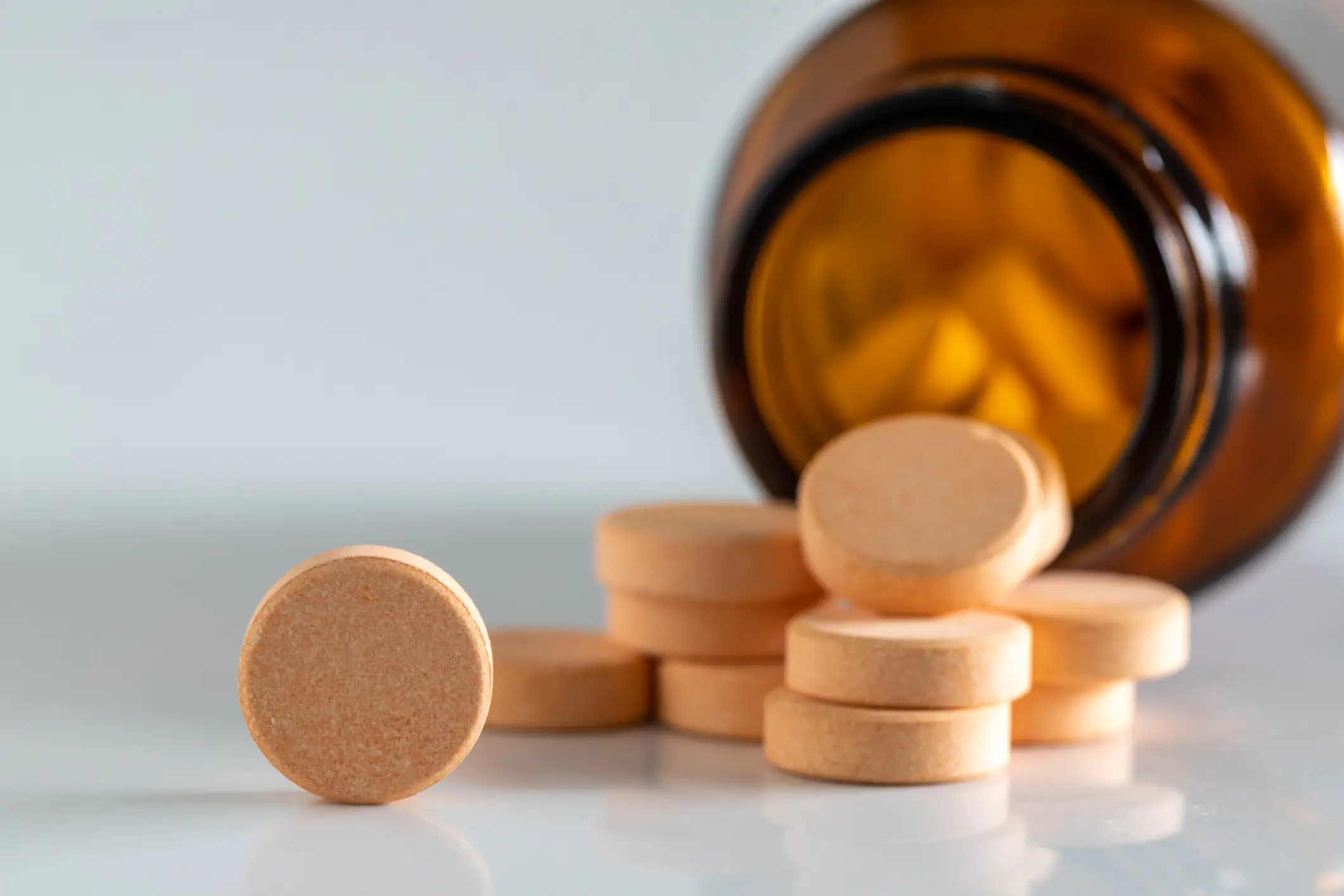
"Iron, stored as ferritin, is essential for oxygen transport via haemoglobin, meaning our oxygen levels can be impacted if our ferritin is low. It is also important for energy production, brain function and concentration, hormonal balance and even hair growth and skin health," she outlined.
Women of reproductive age are particularly vulnerable because of menstruation, pregnancy and childbirth, all of which increase iron demands or lead to blood loss.
Dr Mwakichako warned that severe iron deficiency is often overlooked because symptoms can be mistaken for other conditions or dismissed altogether.
In men and post-menopausal women, iron deficiency may also signal an underlying cause such as gastrointestinal bleeding, making medical assessment particularly important.
Experts advise anyone experiencing persistent fatigue, unexplained hair loss, heavy periods, breathlessness or unusual cravings for non-food items to speak to their GP rather than self-diagnosing or relying solely on iron supplements.
Topics: Food and Drink, Health, Women's Health, Life
 Rhiannon Ingle