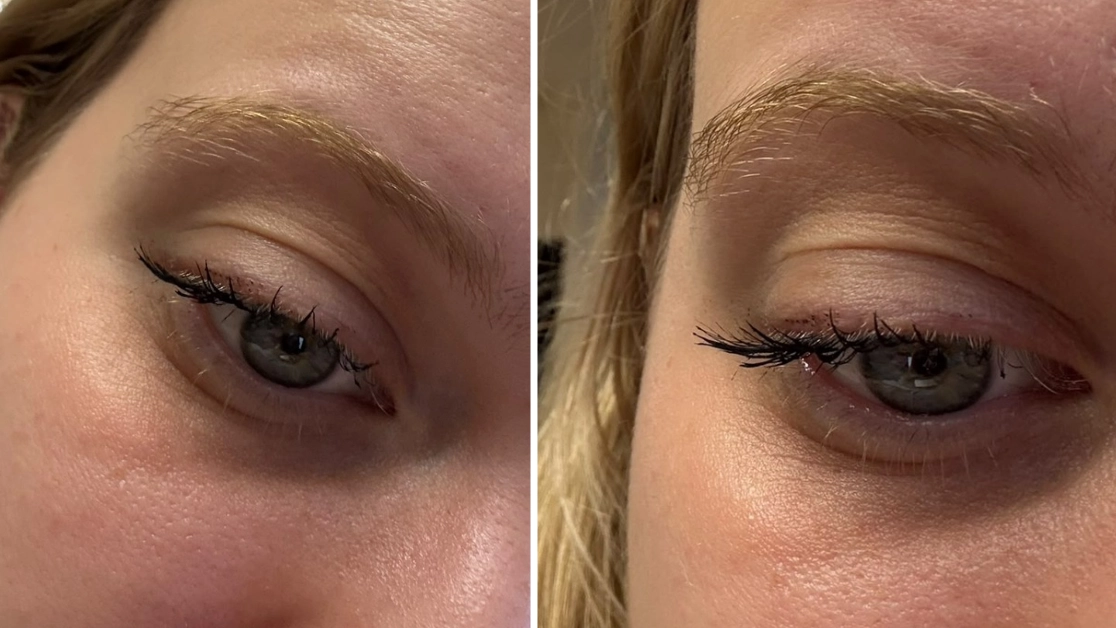
Doctor shuts down the biggest misconception about 'ferritin face'

‘Ferritin face’ is the latest Gen Z buzzword to sweep TikTok, prompting women to inspect their faces for dark under-eye circles or changes in their complexion.
People are claiming that outward symptoms like this, such as a grey or washed-out appearance and brittle hair, can be indicators of low ferritin, the protein that stores iron in the body.
While ‘ferritin face’ isn't an actual medical term, videos about the phenomenon have been popping up left, right, and centre on social media as women are resonating with the symptoms and realising they might have it.
However, a doctor has shut down the biggest misconception in the trend - that you can diagnose it by looking at someone’s face.
Advert
Speaking to Tyla, Dr Luke Pratsides, Chief Medical Officer at Ohas, warned that this is simply a myth and these symptoms can point to a number of different conditions.
He explained: “The hallmark features of 'ferritin face', such as pale skin, dry lips, dark circles around the eyes and thinning hair, can be signs of significant iron deficiency that may be causing anaemia.

“However, very similar signs can appear with other nutrient deficiencies that cause anaemia, such as low vitamin B12 or folate. Many of them are also really common for everyday reasons.
“Dark circles are often down to genetics, poor sleep or allergies, and lighting, and dehydration can all change how a face looks on camera.”
He warned: “So, you can't be sure someone has low ferritin just by looking at them. The only way to know is a blood test.”
Dr Pratsides added that if you think you have signs of 'ferritin face', you shouldn’t just assume your ferritin is low.
He advised: “See a doctor for a proper clinical assessment to understand what's really behind it. That would usually start with a detailed medical history, looking at things like your diet, your periods if you are a woman, any medication you take, and other lifestyle factors specific to you.
“Then a set of blood tests, including haemoglobin to check for anaemia, ferritin, and other common nutrients that can cause anaemia, such as vitamin B12 and folate.”

The doctor pointed out that finding the cause matters just as much as finding the deficiency.
“Heavy periods and diet are common reasons for low iron, but anaemia can also be caused by slow bleeding from the gut or elsewhere, autoimmune conditions such as coeliac disease, or blood disorders,” he explained.
The doctor also warned against taking iron supplements without confirmation that you actually need them.
He urged: “That's also why I'd advise against starting iron supplements without a test. They can cause side effects such as constipation and stomach upset; too much iron can be harmful, and treating the symptom without finding the cause means something important could be missed.”
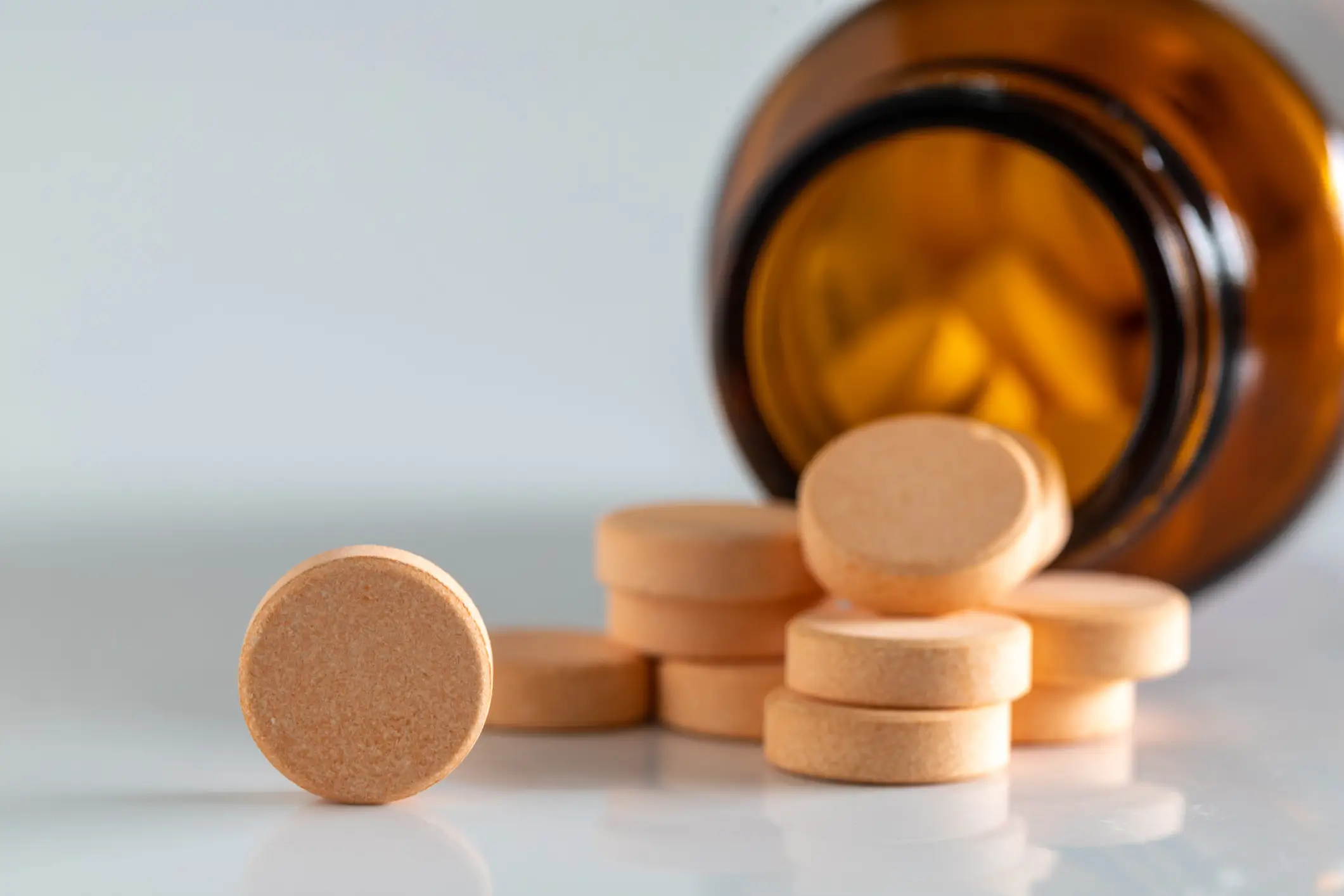
As per the NHS website, the amount of iron you need is: 8.7mg a day for men aged 19 and over, 14.8mg a day for women aged 19 to 49, and 8.7mg a day for women aged 50 and over.
Side effects of taking high doses (over 20mg) of iron include:
- Constipation
- Feeling sick
- Being sick
- Stomach pain
The NHS urges that very high doses of iron can be fatal, particularly if taken by children, so you should always keep iron supplements out of the reach of children.
Taking 17mg or less a day of iron supplements is unlikely to cause any harm, but you can continue taking a higher dose if advised to by a GP.
Topics: Health, Women's Health, TikTok, Life, Real Life, Social Media
 Madison Burgess