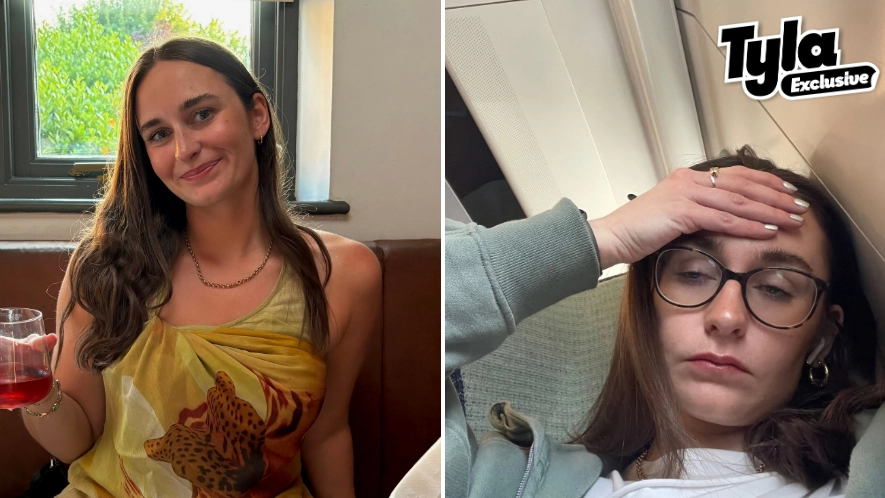
Woman, 27, put into medical menopause because of ‘excruciating’ pain says it’s ‘one of the best things’ she’s done

For most people, the words menopause and 27-year-old probably don't belong in the same sentence.
But after years of living with endometriosis and experiencing pain so severe she was unable to walk, one woman says being put into a medically induced menopause has been 'immeasurably' better than the alternative.
Endometriosis affects an estimated 1 in 10 women (around 190 million people) of reproductive age worldwide. Yet, despite the severity of it, funding unfortunately remains limited and a significant number of patients can be left undiagnosed for an average of nine years and four months.
Jess Battison, who has previously spoken to Tyla about her endometriosis journey, underwent surgery in 2024 after years of debilitating symptoms.
Advert
Following her recovery, she had around a year where life felt 'relatively normal' again.
Then the flare-ups began creeping back.
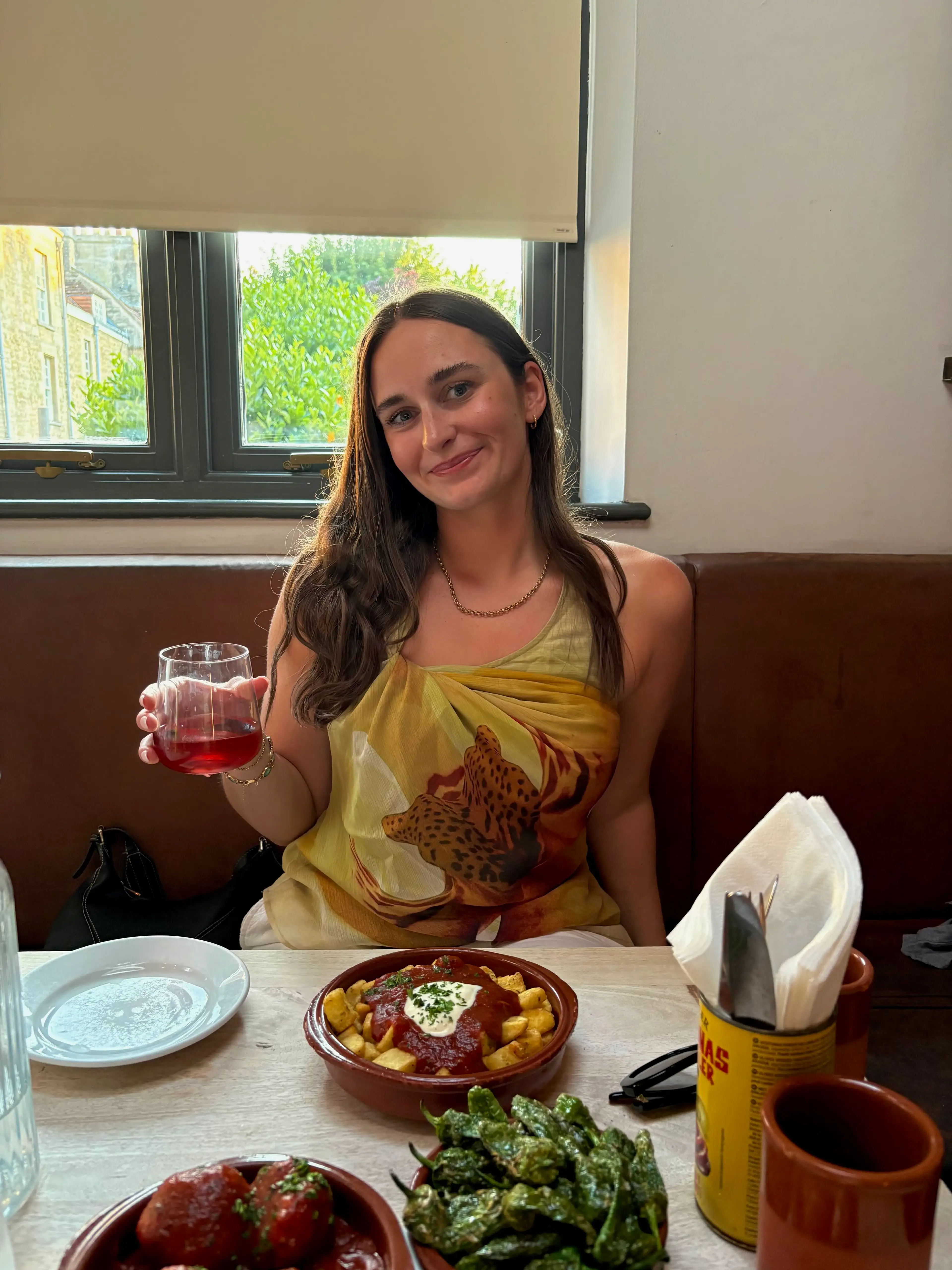
"I'd say for at least a year, the flare-ups I was getting each time started to get a bit worse again," the London-based journalist exclusively tells Tyla.
By January 2026, the pain had become so intense that she ended up at A&E in the middle of the night.
'I was like, what if it’s not cramps?'
She had initially tried to sleep through the pain, but as the evening wore on, things became unbearable.
"I started getting really intense cramps," she recalls.
Eventually, she called NHS 111 because she began wondering whether something more serious could be happening.
"Maybe it’s not cramps. Maybe, what if this off chance I've had a cyst or worse?" Jess wondered.
She was told to go to A&E at around 3am and, for someone with a phobia of hospitals, the experience was particularly difficult.
When she explained how much pain she was in, she was asked: "What do you expect A&E to do about that at three o'clock in the morning?"
"I just started crying," she recalls.
Eventually, Jess was given pain relief and later received a repeat prescription for stronger painkillers.
Her annual check-up followed in the spring, where an internal ultrasound helped establish that there was nothing else obviously wrong.
The likely explanation was her endometriosis returning and, after already having surgery just two years earlier, she was reluctant to go through it all again.
'I’m a 27-year-old going into menopause'
In May 2026, Jess' specialist discussed linzagolix, a relatively new treatment available through the NHS for people with endometriosis who have already tried other treatments.
The medication suppresses ovarian hormone production, reducing oestrogen. In practical terms, she describes the result as a medical menopause.
"Just hearing 'shutting down your ovaries' sounds super intense," she shares, recalling how she was first introduced to the treatment.
Thankfully, a nurse gave her leaflets and information about the treatment, helping her understand what she was being offered.
At that point, though, she admits she was willing to try almost anything: "I’d gone into this appointment with the mindset of 'she’s going to give me something, she’s going to say I need surgery again'.
"I was close to going cowboy and starting Mounjaro because I'd heard so much about its anti-inflammatory [effects] and a lot of people with endometriosis have been using it."
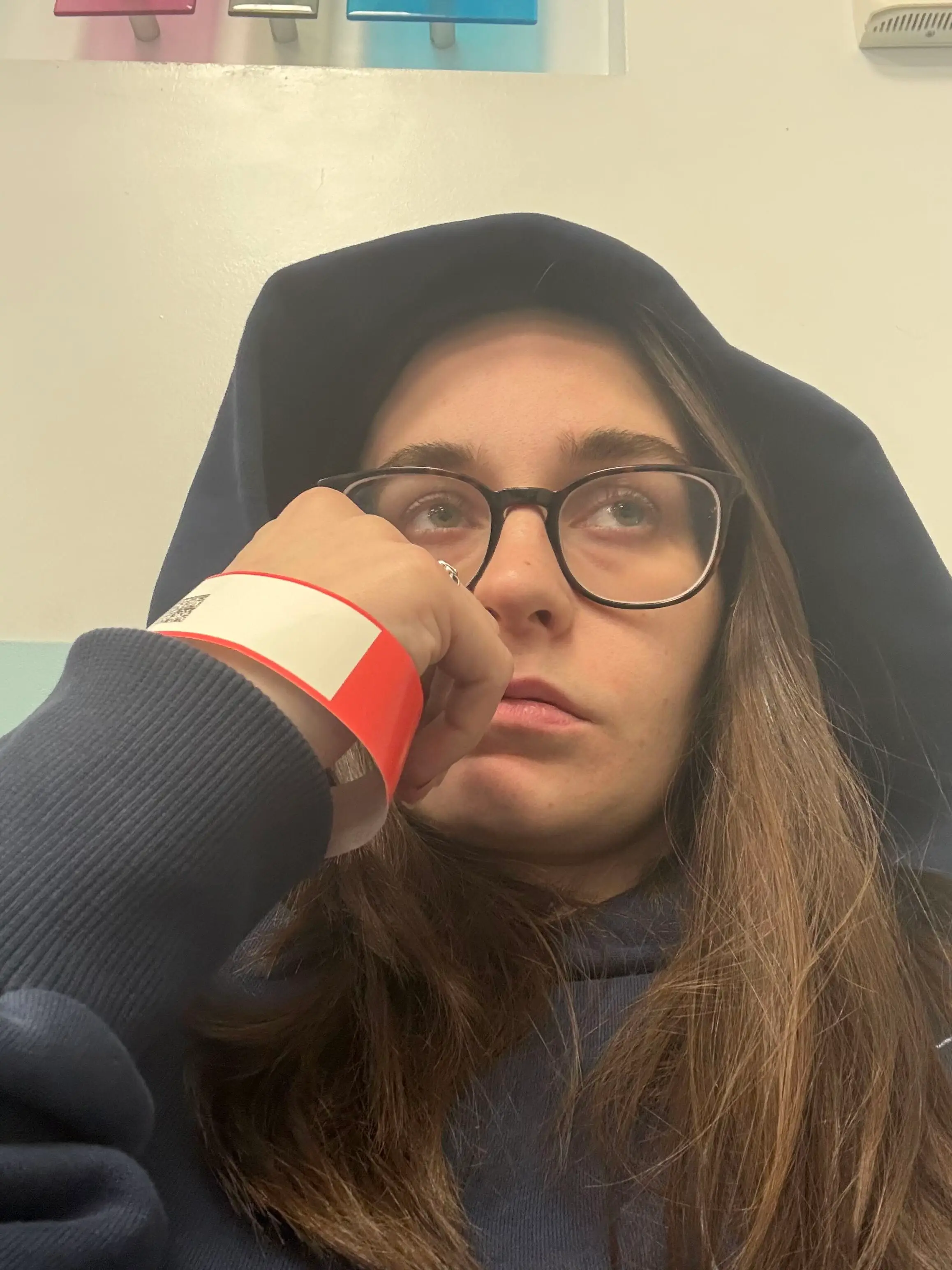
The fact that she was only 27 also made the prospect of menopause feel surreal.
"Of course, like, of course I'm now a 27-year-old going into menopause," she says with a nervous laugh before admitting: "I was quite scared."
Her friends initially reacted with sympathy when she told them, but Jess saw things slightly differently.
"This is really positive," she explained to them. "My doctor has told me this is life-changing for a lot of people. I'm getting treatment."
Even so, starting the medication was an emotional moment: "I just keep on having to put medication into my body, and I don't like that.
"I think I was just really emotional. I knew it was a good thing and it could really help. It's just... I'm almost fed up. It's always something."
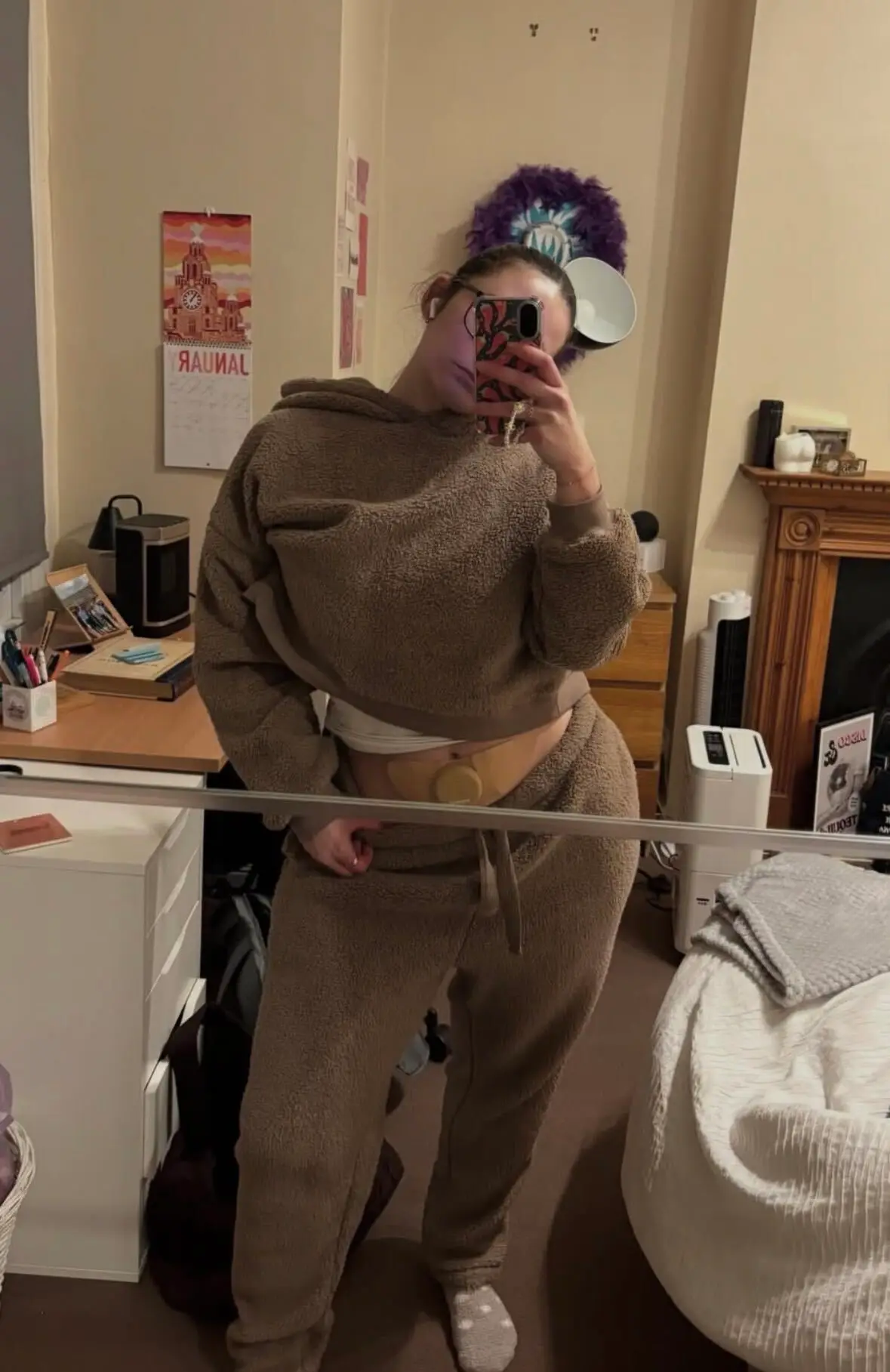
The medical menopause kicked in 'quite quickly'
Jess started the medication and oestrogen patches earlier this year in June, and the changes were nearly instant.
"I would say they kick in quite quickly," she says, adding that she has barely had a proper period since, with only occasional light bleeding and spotting.
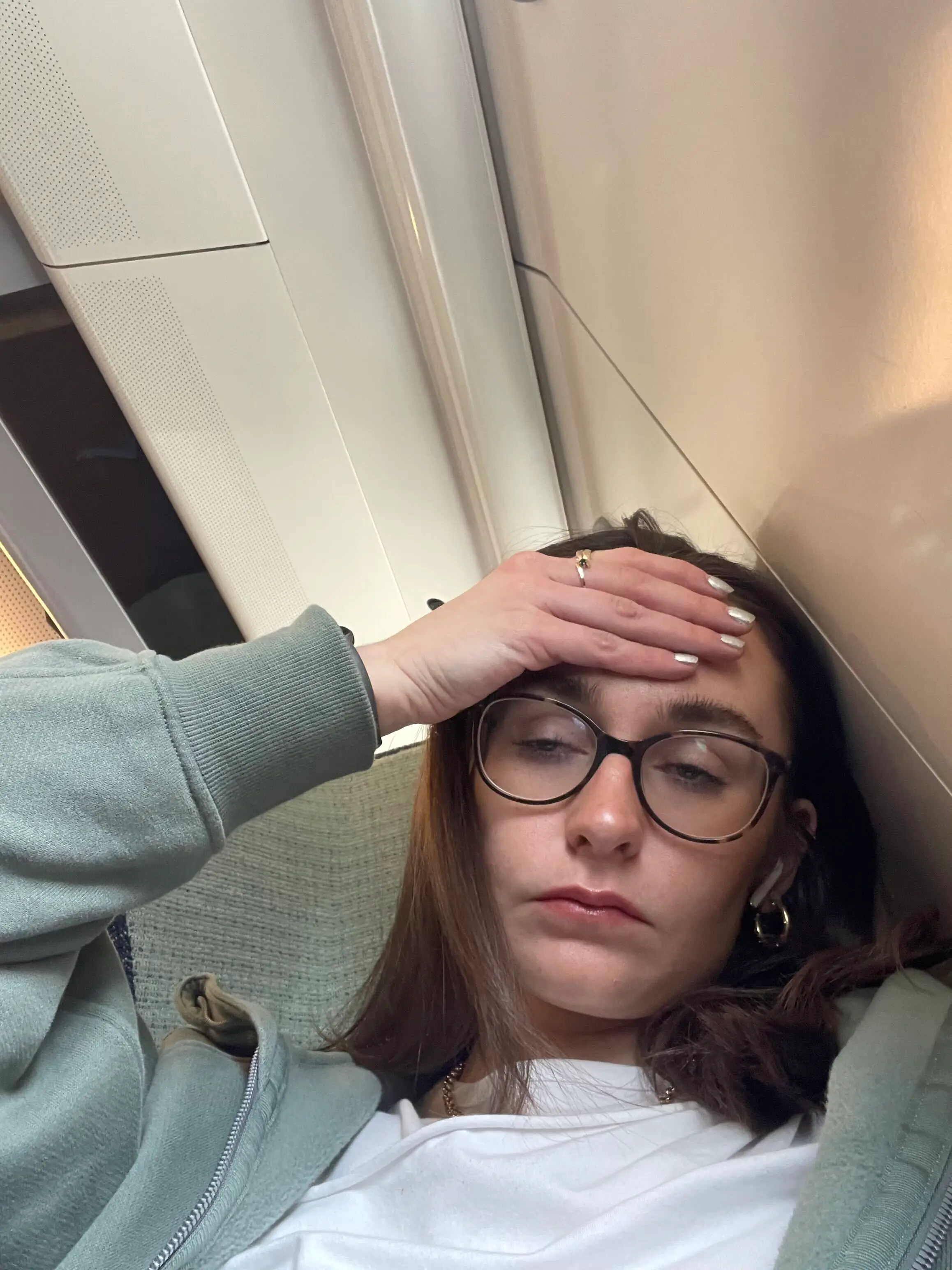
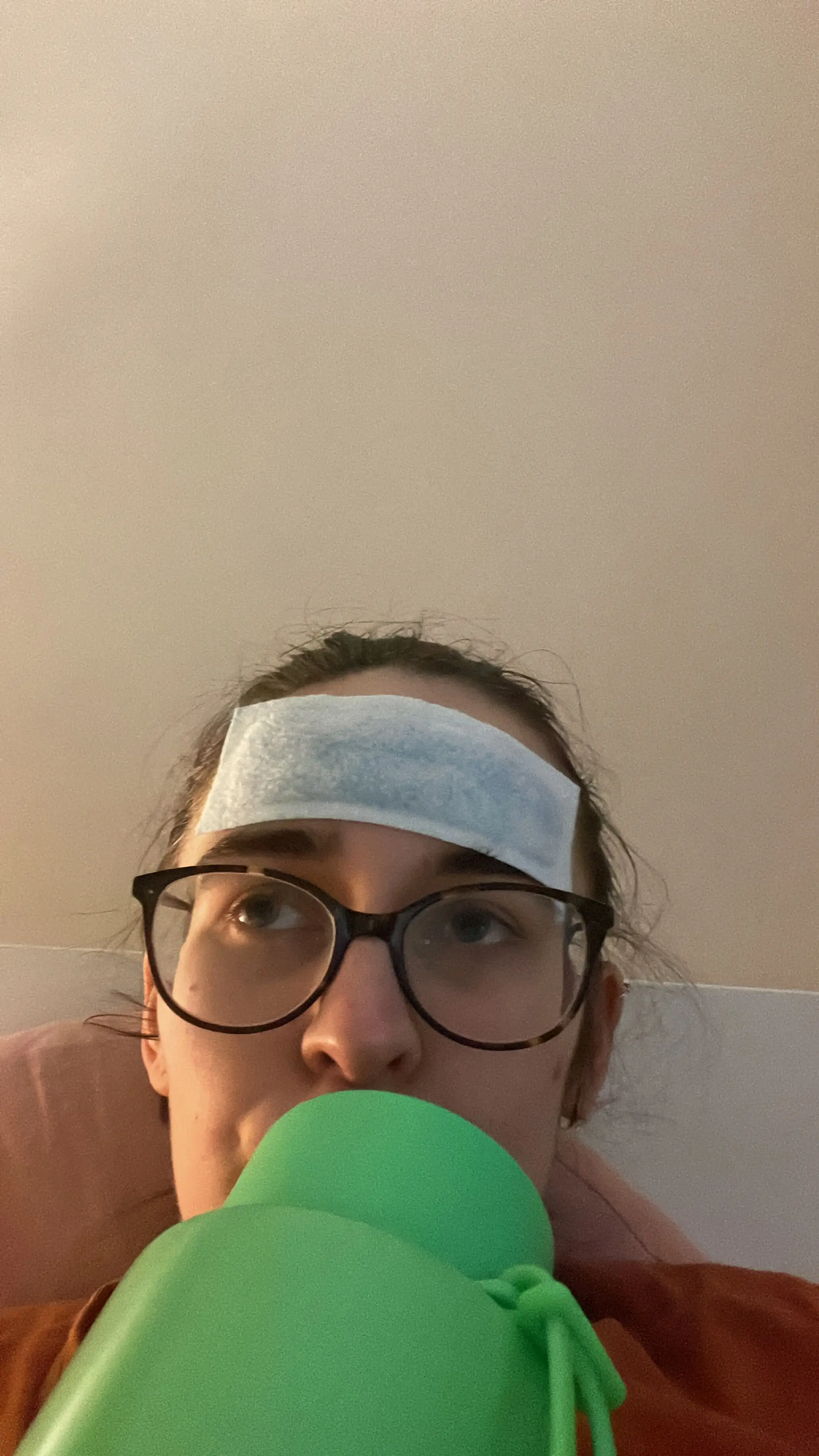
The treatment has also brought symptoms associated with menopause, including fatigue, nausea, dizziness, brain fog and mood changes.
Starting during a heatwave did not exactly help, as Jess explains: "My internal temperature is apparently slightly hotter.
"The fatigue was really difficult. It was like feeling dehydrated. I'd just have these random days of feeling quite nauseous and really dizzy."
She has also noticed some weight gain and struggles with concentration and changes in mood too.
"Some days, if something upsets me, it really upsets me," she says. "I feel a bit more sensitive a lot of the time."
The fatigue has been particularly difficult: "I had a day where just going from my bedroom to the kitchen felt like a marathon."
Jess also notes that working and maintaining plans has become harder.
Just as with her endometriosis, she has had to think carefully about how much she can realistically do.
"If I'm doing these two things two days in a row, that third day I'm not going to have it in me," she shares.
'The endometriosis is worse'
Despite the side effects, Jess says there is no real comparison between the medical menopause and the endometriosis pain she was experiencing earlier this year.
"I just need to try it, and then I'll weigh up what's worse," she says of her initial thinking.
Now, she doesn't hesitate: "The endometriosis is worse.
"I can deal with feeling a bit fatigued. I can deal with having these odd spells of nausea and dizziness and struggling with work.
"Any of that is better than not knowing if I'm going to be out with my friends or out and about and suddenly just hit by a truck."
For her, that change has been enormous.
"It's immeasurably a better situation for me," Jess rejoices. "I've always said I would do anything to go back to when I was in Year 10 and my doctor stopped my periods for my GCSEs. I would do anything to go back to that.
"This is the closest I can get."
However, with all that said, Jess knows the treatment isn't necessarily stopping her endometriosis from growing.
Instead, she hopes it can buy her time before she needs surgery again.
"As far as I know, my endometriosis will still be growing right now," she explains.
"But while it is potentially growing in the background, I'm not suffering because of it."
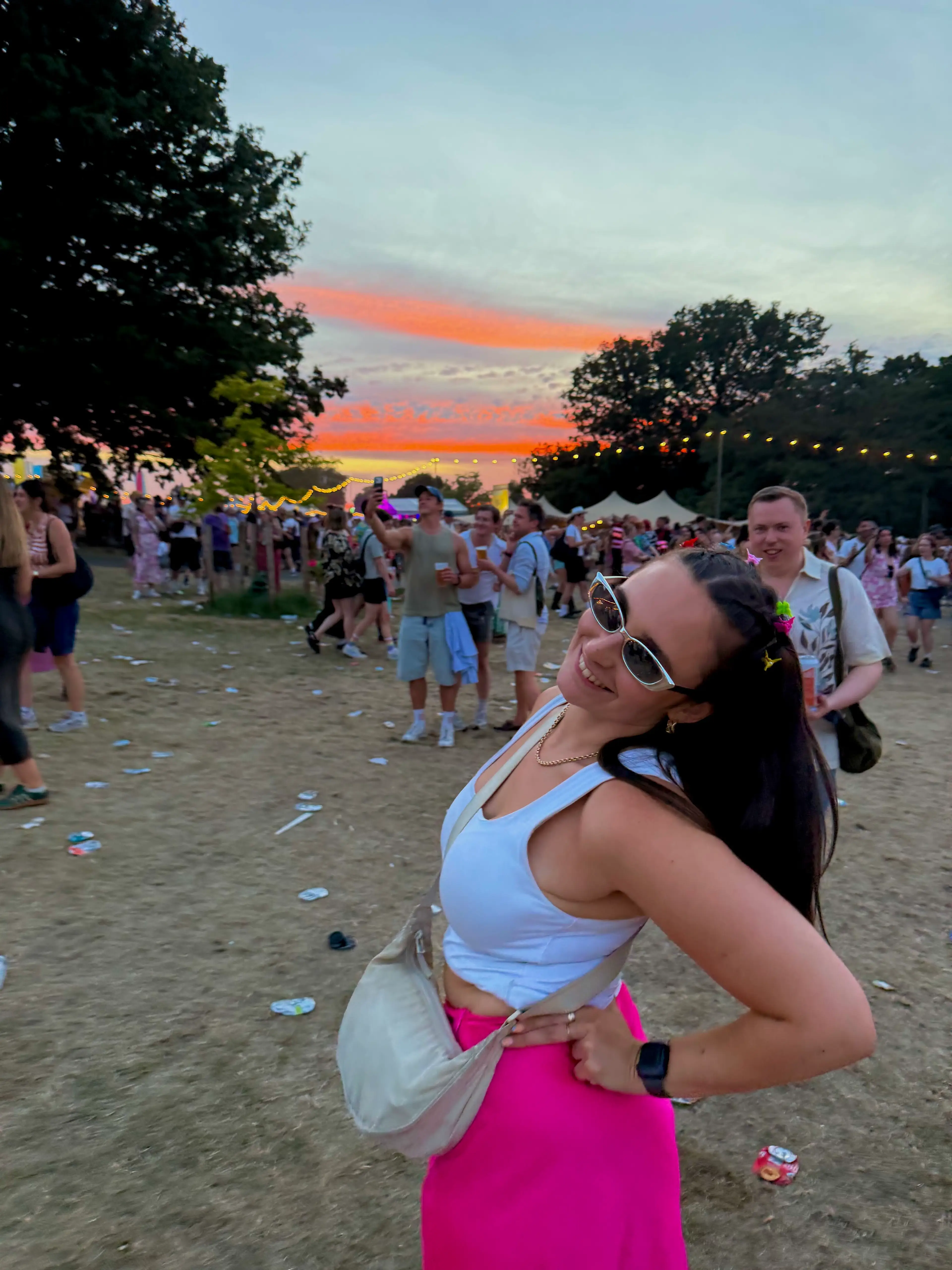
'It is not just when you’re on your period - it is every single day of your life'
Jess explains that while the treatment has largely been a good experience so far, there are definitely trade-offs as it can affect bone density, something she is conscious of and expects to be monitored.
She already strength trains and weight trains, which she says has helped her feel more prepared for that potential risk.
She also knows another operation may eventually be necessary.
But for now, Jess feels she has some control back: "It’s one of the best things I've done in years.
"The impact of it, I feel like, is pretty much the same as when I had my surgery. At least with surgery, you're getting rid of it, but then you've got recovery. With this, it just started."
Her experience has also reinforced something she wishes more people understood about endometriosis: "It is not just when you're on your period.
"It is every single day of your life."
Even when the pain isn't there, Jess says the possibility of it returning can hang over you.
"You might be thinking that the next day it's not going to be in some way bad," she explains.
"I think that's the bit people don't get."
'It took me way too long'
Jess' journey with endometriosis began when she was just 11, with her first period arriving at Christmas in 2009.
Looking back at old diary entries from 2011, she found herself confronted with just how much pain her younger self had been experiencing.
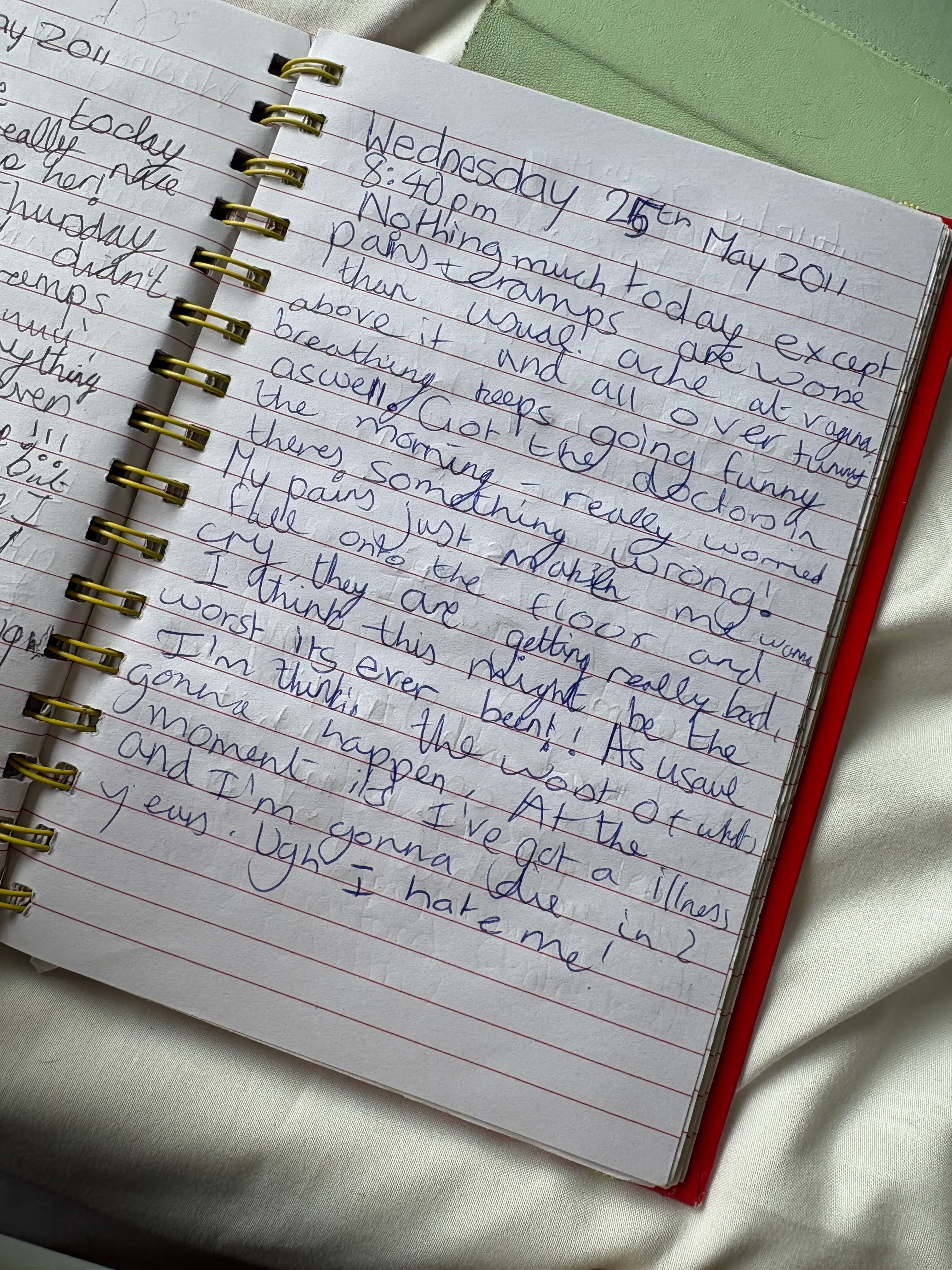
One entry described worsening cramps, aching, difficulty breathing and fears that something was seriously wrong.
"What do you wish you could tell the version of yourself who was first experiencing those endometriosis symptoms?" Tyla asks Jess.
Taking a moment, Jess replies: "I wouldn't want to tell myself 'it'll be better at some point' because of how long it actually took in reality. It took me way too long."
Jess' previous surgery eventually brought relief and confirmation that she wasn't imagining her symptoms. At the time, she described finally feeling 'justified' and 'heard'.
Now, she hopes sharing the less familiar reality of living with endometriosis, and of entering a medical menopause in your twenties, might help someone else feel less alone.
Her advice to any other women out there being offered the treatment is simple: "Read up and check up on it, but just do it.
"I think, as much as I don't want to be like, 'we have to take every opportunity we can get because there are so few of them', unfortunately that's my reality."
And as for her health?
"It's one of the best things I've done in years," Jess beams.
If you have been affected by the contents of this article, please find more information and support via Menopause Matters on their website, or email [email protected].
Topics: Tyla Exclusive, Women's Health, Periods, Endometriosis, Real Life
 Rhiannon Ingle