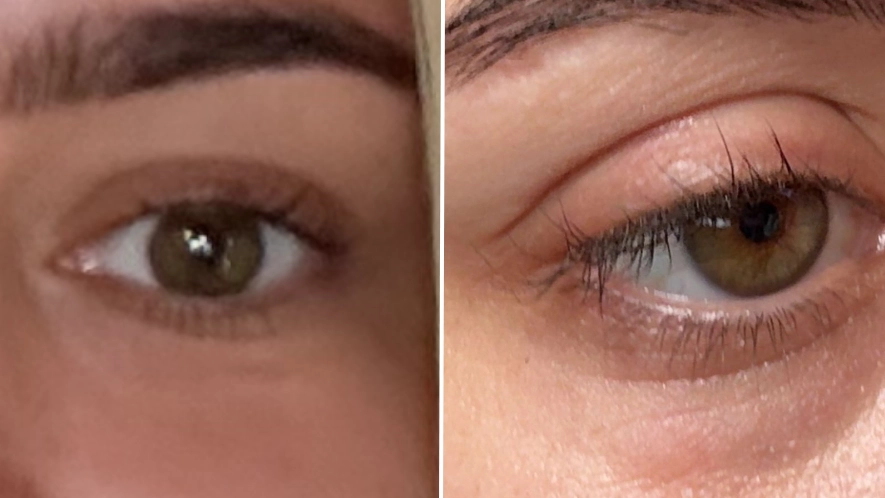
‘Ferritin face’ explained as TikTok trend prompts women with mystery symptoms to uncover little-known condition

Washed-out skin, brittle hair, and dark circles that you just can't seem to get rid of.
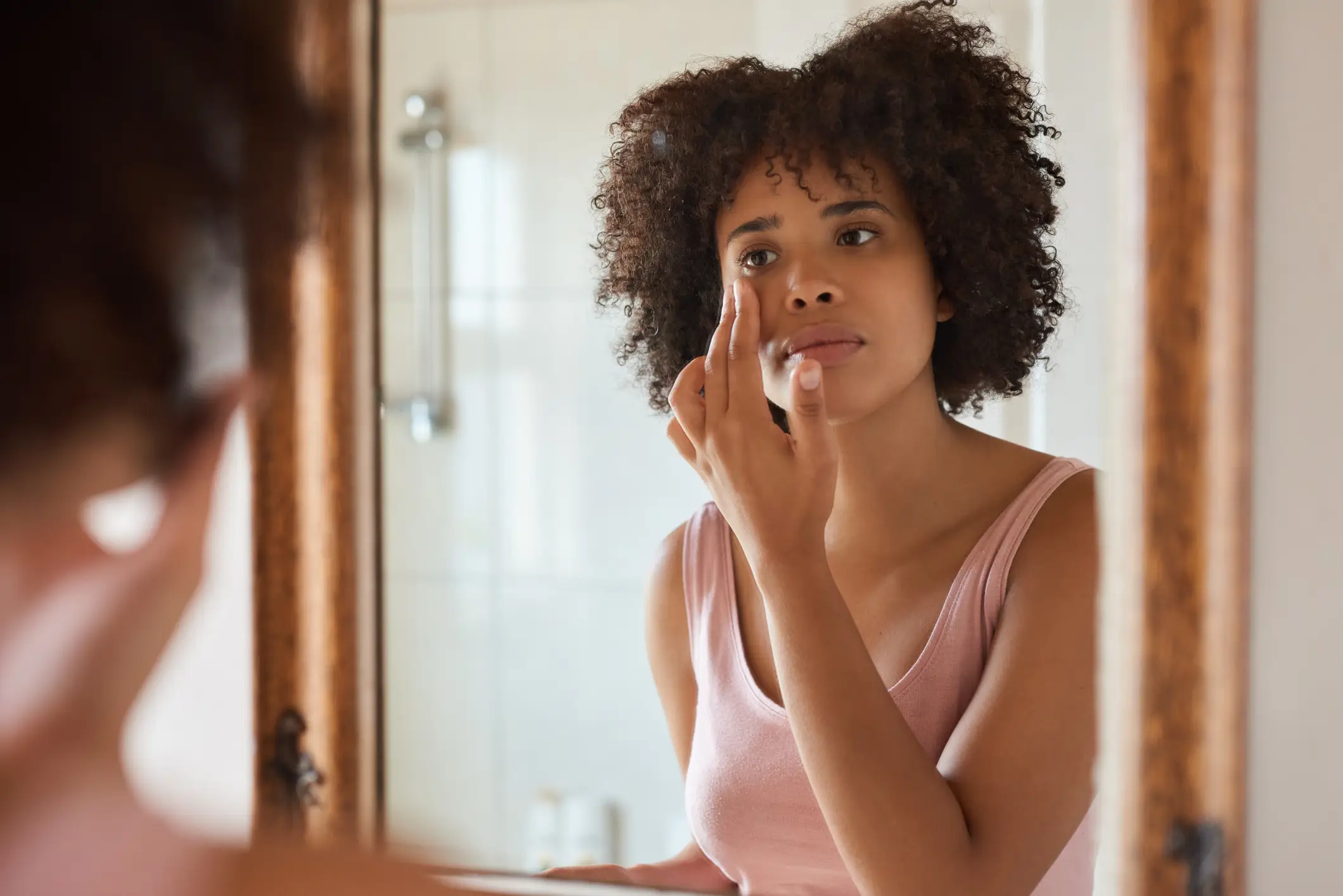
According to TikTok, these are all features of 'ferritin face' - a social media trend that claims that changes in your complexion, from a grey or washed-out appearance to dark under-eye circles, could be outward red flags of low ferritin, the protein that stores iron in the body.
While 'ferritin face' isn't a recognised medical term, it's been popping up everywhere in the past few months, as more and more women are resonating with the symptoms and realising they might have it.
Experts say the reason for the surge in awareness is that not only because iron deficiency is incredibly common in women, but also that many experience the signs long before they're diagnosed.
Advert
One creator told her audience: "You're not ugly, your ferritin is low," while another influencer boldly claimed that ferritin is 'the key to beauty'.
But is it really possible to diagnose someone just by looking at their face?
What is ferritin?
Iron deficiency is the world's most common nutritional deficiency and the leading cause of anaemia. But the two aren't the same thing.
Iron deficiency means your body's iron stores, measured by a protein called ferritin, are running low. Anaemia develops later, when there isn't enough iron available to produce healthy red blood cells.
"Anemia is one of the consequences of iron deficiency," explains Dr Subramaniam Ramakrishnan, a consultant gastroenterologist. "If left uncorrected, iron deficiency results in a drop in haemoglobin, which carries our blood to different organs."
You can be iron deficient without being anaemic, and many women are. A 2024 study published in JAMA Network Open estimated that around 34 percent of US women aged 18 to 49 have absolute iron deficiency.
Why are people talking about 'ferritin face'?
Women have been sharing their experiences on social media, linking low iron levels to noticeable changes in their appearance.
One woman wrote: "The difference in skin tone once u (sic) finally heal ur (sic) iron deficiency anemia is crazy. I was so pale at one point that people close to me started asking if I was okay, and I didn't realize anything was wrong until my hair literally started falling out and I started fainting."
Others have discussed having iron infusions, a medical procedure in which liquid iron is delivered directly into the bloodstream through an IV drip.
"I had an iron infusion a week before my wedding, and people thought I got a fake tan," one woman claimed.
Another commenter on TikTok shared: "Same! I was like omg I'm a whole different color!"
Can low ferritin affect the way you look?
Experts say that while some physical changes can happen, they aren't unique to low ferritin and definitely shouldn't be used to self-diagnose - the only way to truly know if you have iron deficiency anaemia is via a blood test.
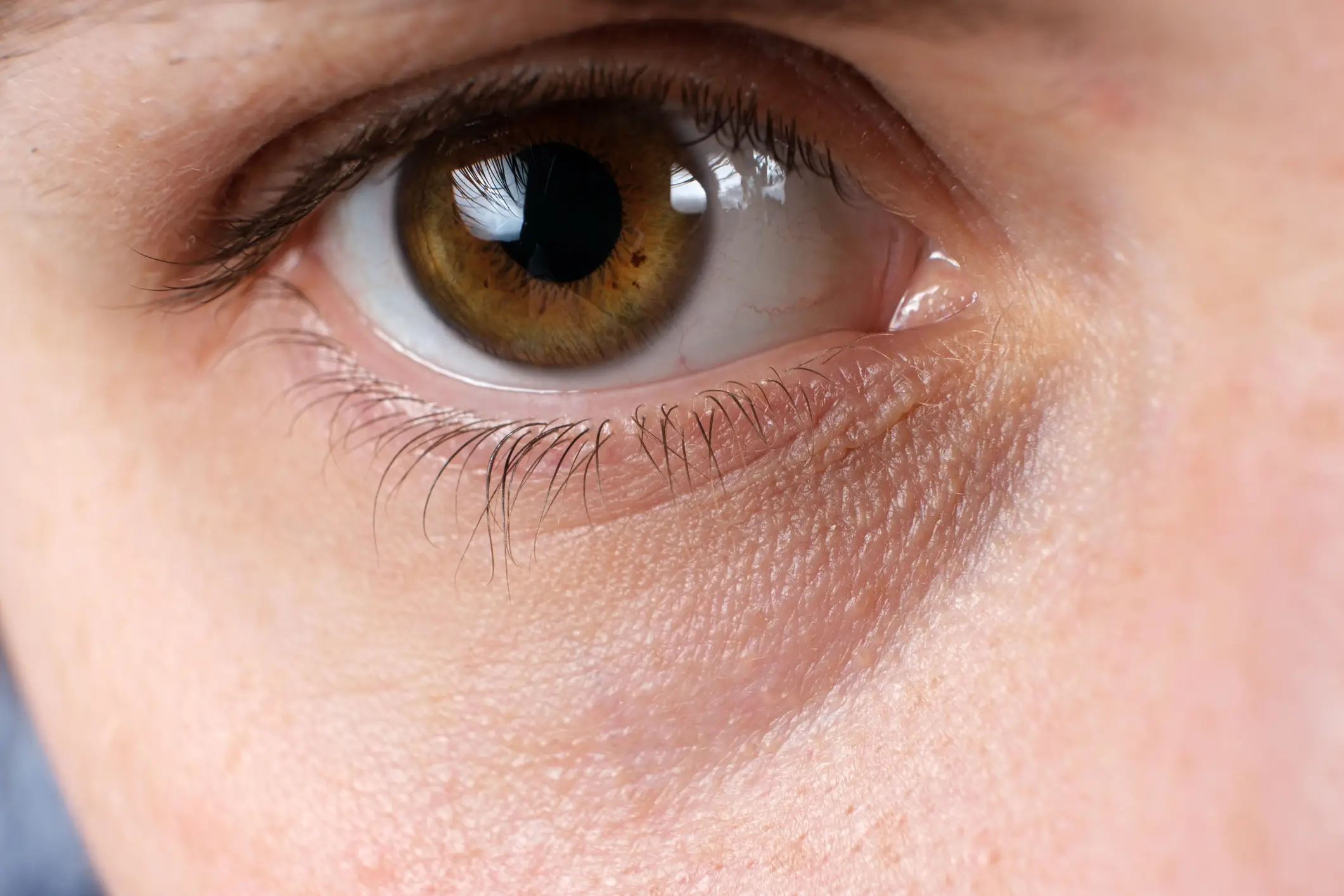
Dr Luke Pratsides, Chief Medical Officer at the preventative health clinic Ohas, told Tyla: "The hallmark features of 'ferritin face', such as pale skin, dry lips, dark circles around the eyes and thinning hair, can be signs of significant iron deficiency that may be causing anaemia.
"However, very similar signs can appear with other nutrient deficiencies that cause anaemia, such as low vitamin B12 or folate. Many of them are also really common for everyday reasons.
"Dark circles are often down to genetics, poor sleep or allergies, and lighting, and dehydration can all change how a face looks on camera. So, you can't be sure someone has low ferritin just by looking at them. The only way to know is a blood test."
Dr Ramakrishnan added: "Low iron/iron deficiency without anaemia may not be recognised as the general appearance of people with this condition may not be different to their normal selves.
"Iron deficient anaemia on the other hand may result is a few changes to the appearance - for example people may look paler in general, the inside of the eyes may look less red than usual, and some people with severe deficiency can develop changes to their nails - curved/concave nails rather than their usual flat/convex appearance.
"Hair loss is a potential problem related to this condition. Some may notice frizzy hair, and reduced hair growth."
Women's health and hormone health expert Dr Shirin Lakhani also told Tyla: "Iron, stored as ferritin, is essential for oxygen transport via haemoglobin, meaning our oxygen levels can be impacted if our ferritin is low. It is also important for energy production, brain function and concentration, hormonal balance and even hair growth and skin health."
Why are women more likely to have low ferritin?
Women and people who menstruate are at higher risk of low ferritin at reproductive age for several reasons.
"Menstruating monthly, especially if you have heavy periods, can cause iron loss," Dr Lakhani says. "During pregnancy, you have an increased demand for iron for both the baby and placenta, which can cause iron or ferritin deficiency during this time.
"During postpartum recovery, you can experience low ferritin as well due to blood loss during childbirth. If you suffer from certain hormonal conditions such as menorrhagia, endometriosis or fibroids, you will have a higher chance of low ferritin levels."
What are the symptoms of low ferritin?
According to Dr Lakhani, low ferritin can cause a range of symptoms before it progresses to anaemia.
"Physical symptoms include persistent fatigue (even with adequate sleep), shortness of breath, dizziness or lightheadedness, cold intolerance and pale, dry skin. Your hair may thin or shed and your nails get more brittle. You can experience poor concentration and brain fog, headaches, and low mood or irritability as well as restless legs, especially at night."
When should you see a doctor?
Dr Ramakrishnan says iron deficiency should never be ignored.
"If left undiagnosed or untreated, iron deficient anaemia can lead to breathlessness, heart failure, swelling of feet, and weight loss."
He advises seeing your GP if you notice blood in your urine or from your back passage, unusually heavy periods, unexplained fatigue, lethargy, brain fog, breathlessness, reduced exercise tolerance, or unusual appetite.
Can you boost your iron levels through diet?
Red meat is one of the richest dietary sources of iron. If you follow a vegetarian or vegan diet, leafy green vegetables, iron-fortified cereals and supplements may help.
"Always consult a qualified healthcare professional to ascertain cause," Dr Ramakrishnan explains. "Simply taking iron supplements may not be enough given the possible potentially serious conditions that can be missed."
Topics: Health, Social Media, TikTok, Women's Health, Tyla Exclusive
 Greg Harris