The cause of your UTIs could actually be hiding in your kitchen

Anyone who has ever had a UTI will know just how excruciating they can be.
Now, UTIs - or urinary tract infections, if you're fancy - occur when the urinary tract becomes infected, usually by bacteria. In most cases, bacteria from the gut enter the urinary tract through the urethra.
Common symptoms include a pain or a burning sensation when peeing (dysuria) as well as needing to pee more often than usual.
There are a whole bunch of reasons we get UTIs, with the most well-known causes being as a result of wiping your downstairs area incorrectly, having sex, dehydration and even menopause, but often, it's not exactly clear why it happens.
Advert
But now, there may be something else in the mix, too, as new research has interestingly found that the cause of your UTIs could actually be hiding in your kitchen without you even realising.

Researchers in Southern California have been analysing thousands of bacterial samples, and their work hints that everyday habits might be missing a crucial clue.
The study, published in Microbiology at ASM Journals, found that nearly one in five UTIs in the region may trace back to E. coli strains carried by food animals.
About 18 per cent of infections involved these zoonotic strains, with higher levels among women and residents of high-poverty neighbourhoods.
To track how raw meat ends up connected to a UTI, the experts focused on the quiet spread of bacteria long before symptoms appear.
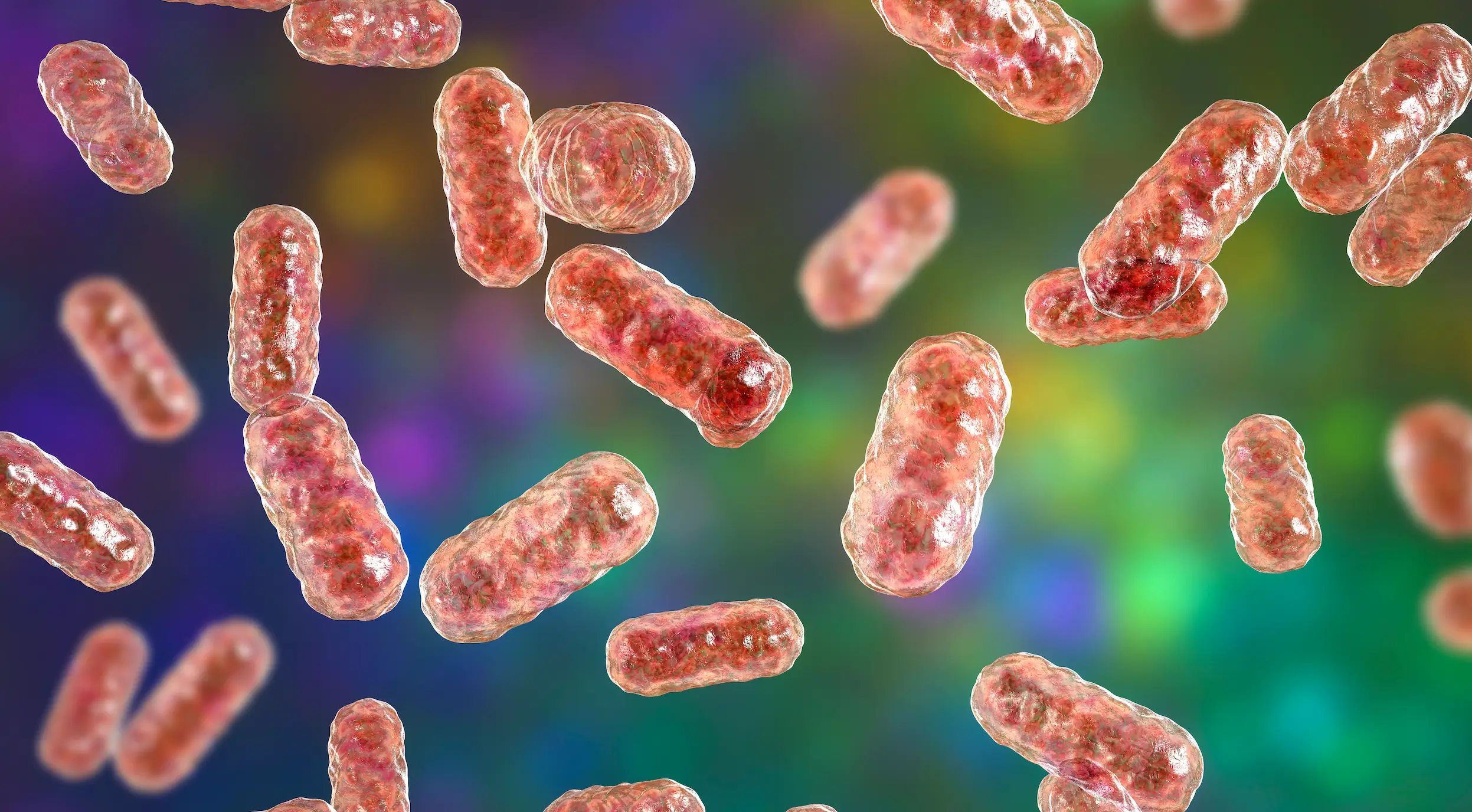
As reported by Food & Wine, Brian Helfand, M, said: "If humans come into contact or consume this meat, it’s possible that the E. coli could colonise the gut, where it can then spread directly from the gut or be shed through bowel movements to the perianal or periurethral region," from which point the bacteria can travel into the urinary tract.
The unsettling part is that the meats most likely to harbour these strains are staples in many kitchens with poultry ranking the highest.
Turkey showed 82 per cent contamination, and chicken at 58 per cent, followed by pork at 54 per cent and beef at 47 per cent. Because E. coli can’t be seen, smelled or tasted, shoppers have no easy way to know whether their meal prep has brought a risk into the house.
It's important to note that the researchers stress that the study does not show that eating contaminated meat directly triggers a person's UTI.
Urologist Siri Drangsholt, MD, makes the same point and highlights the gaps in the data. The study offered little detail about individual patients, so some may have carried bacteria without any symptoms.
"A UTI means that you have bacteria [in the urinary system] and symptoms from that bacteria," she said. Even so, the work points to a route of exposure that has slipped past attention.
So, what are you supposed to do?
Well, for now, experts advise sticking to simple measures - be sure to cook your meat properly, keep raw and ready-to-eat foods apart, chill items promptly and wash hands and surfaces with care.
You can find out more about UTIs on the official NHS website here.
Topics: Health, Food and Drink, Women's Health, Life, Explained, Advice, Science
 Rhiannon Ingle