
Warning over ‘trendy’ supplements that could be doing more harm than good

A doctor has issued an important warning about taking certain supplements because they’re ‘trendy’ when your body doesn’t really need them.
In recent years, it’s no secret that dietary supplements have become a huge health and lifestyle trend, and taking them daily appears to be becoming the norm.
A new Pew Research Center survey has shown that nearly eight in 10 (about 79%) US adults currently take at least one supplement; meanwhile, in the UK, a survey by W-Wellness found that almost two-thirds of Brits (60.5%) take supplements every single day.
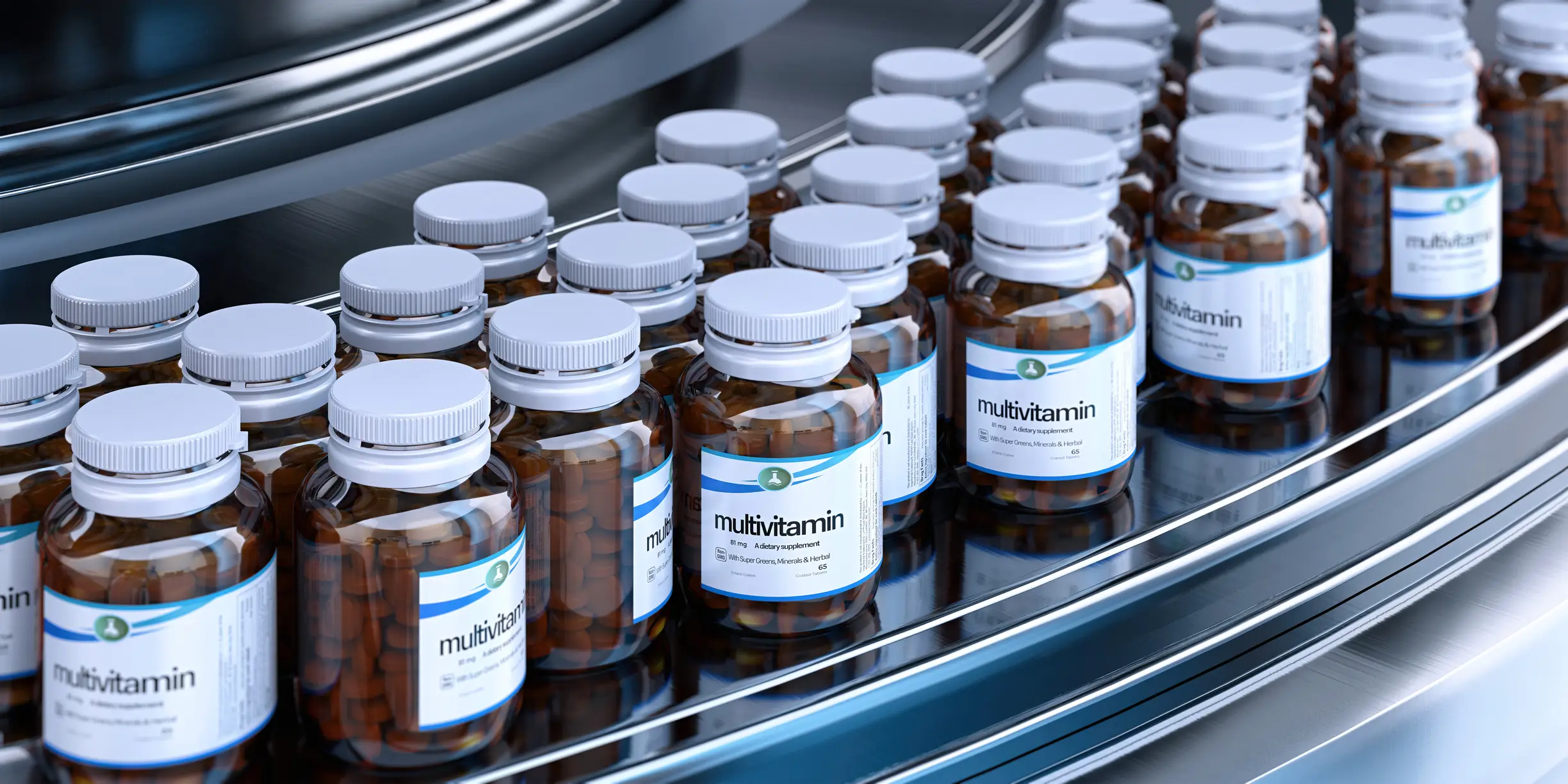
However, speaking to Tyla, Dr Asiya Maula, a private GP at The Health Suite, has warned that taking several products at once can mean the same ingredient appears in a multivitamin, wellness blend and individual tablet, causing doses to quietly add up.
Advert
The expert explained that while supplements can be essential when treating a diagnosed deficiency or supporting particular life stages, they shouldn’t automatically be treated as harmless simply because they’re available without a prescription.

Dr Maula said: "Just because a supplement is fashionable or appears in an influencer’s morning routine does not mean you need it or that it is safe for you.
“More is not always better with vitamins and minerals. Some accumulate in the body, some cause harm at high doses, and others can interfere with important medicines.”
Shr added: “Before copying somebody’s supplement routine, check what each product contains and whether you actually need it. Always include supplements when telling your doctor or pharmacist what you take.”
Six supplements you should check before taking
Vitamin B6
First on the list is Vitamin B6, which is also known as pyridoxine, and helps the body to use and store energy from protein and carbohydrates in food.
It also helps the body form haemoglobin, the substance in red blood cells that carries oxygen around the body.
Dr Maula explained that it’s often found in ‘multivitamins, B-complex tablets and products marketed for energy’.
However, the NHS warns that taking 200mg or more daily can cause peripheral neuropathy, producing numbness or loss of feeling in the arms and legs. Symptoms usually improve after stopping, but damage can sometimes be permanent.
The NHS also advises against exceeding 10mg daily through supplements unless directed by a doctor, and the higher figure should not be interpreted as a safe threshold.
Dr Maula said: “People may unknowingly combine several products containing B6. Persistent tingling, burning or numbness should not be ignored.
“There is insufficient evidence to say how long doses between 10mg and 200mg can be taken safely, so people should follow the NHS advice.”
The amount of vitamin B6 adults (aged 19 to 64) need is about:
- 1.4mg a day for men
- 1.2mg a day for women

Iron
Secondly, while iron can be valuable if you have a diagnosed deficiency, tiredness alone doesn’t prove somebody needs it.
Adult men and women aged 50 and over need 8.7mg daily, while women aged 19 to 49 need 14.8mg.
However, it’s important to note that treatment for diagnosed deficiency may legitimately involve higher doses under medical guidance.
Supplement doses above 20mg can cause constipation, nausea, vomiting and stomach pain. Very high doses can be fatal, particularly in children, so products must be kept out of their reach, the expert warns.
Dr Maula said: “Speak to a healthcare professional rather than self-diagnosing. Iron deficiency may require tests and its underlying cause may also need investigating.”
Vitamin A
Vitamin A, another popular supplement, appears as retinol in multivitamins and fish liver oil.
But because the body already stores it, repeatedly taking too much may negatively affect bone health.
The NHS advises against averaging more than 1.5mg, or 1,500 micrograms, daily from food and supplements combined over many years because this may increase fracture risk later in life.
Dr Maula advises that pregnant women specifically should avoid supplements containing vitamin A unless specifically advised otherwise.
They should also avoid liver and liver products because excessive retinol can harm an unborn baby.
High-dose vitamin D
As for vitamin D, adults and children aged four and over are advised by the NHS to take 10 micrograms, or 400 IU, daily during autumn and winter.
While some groups do need supplementation throughout the year, the GP warns that taking excessive amounts over time can cause calcium to accumulate in the body, potentially damaging the kidneys and heart and weakening bones.
Adults should not exceed 100 micrograms, or 4,000 IU, daily unless medically directed.
Dr Maula said: “The message here is not to stop taking vitamin D. It is to check the strength on the bottle. Some prescribed high-dose courses are taken weekly, so confusing that with a daily instruction can be dangerous.”
Vitamin K helps activate proteins involved in bone health, but evidence does not establish that everyone taking vitamin D needs additional K2.
Anyone taking warfarin should speak to their clinician before starting vitamin K.
St. John’s wort
St. John’s wort is a popular over-the-counter herbal supplement that’s often used to treat mild to moderate depression.
However, some users don’t realise that it can interact with numerous medicines and make some hormonal contraceptives, including pills and implants, less effective.
Dr Maula said: “Natural does not mean interaction-free. St John’s wort can also interact with antidepressants, blood thinners and some medicines used for epilepsy, heart conditions and cancer.”
Biotin
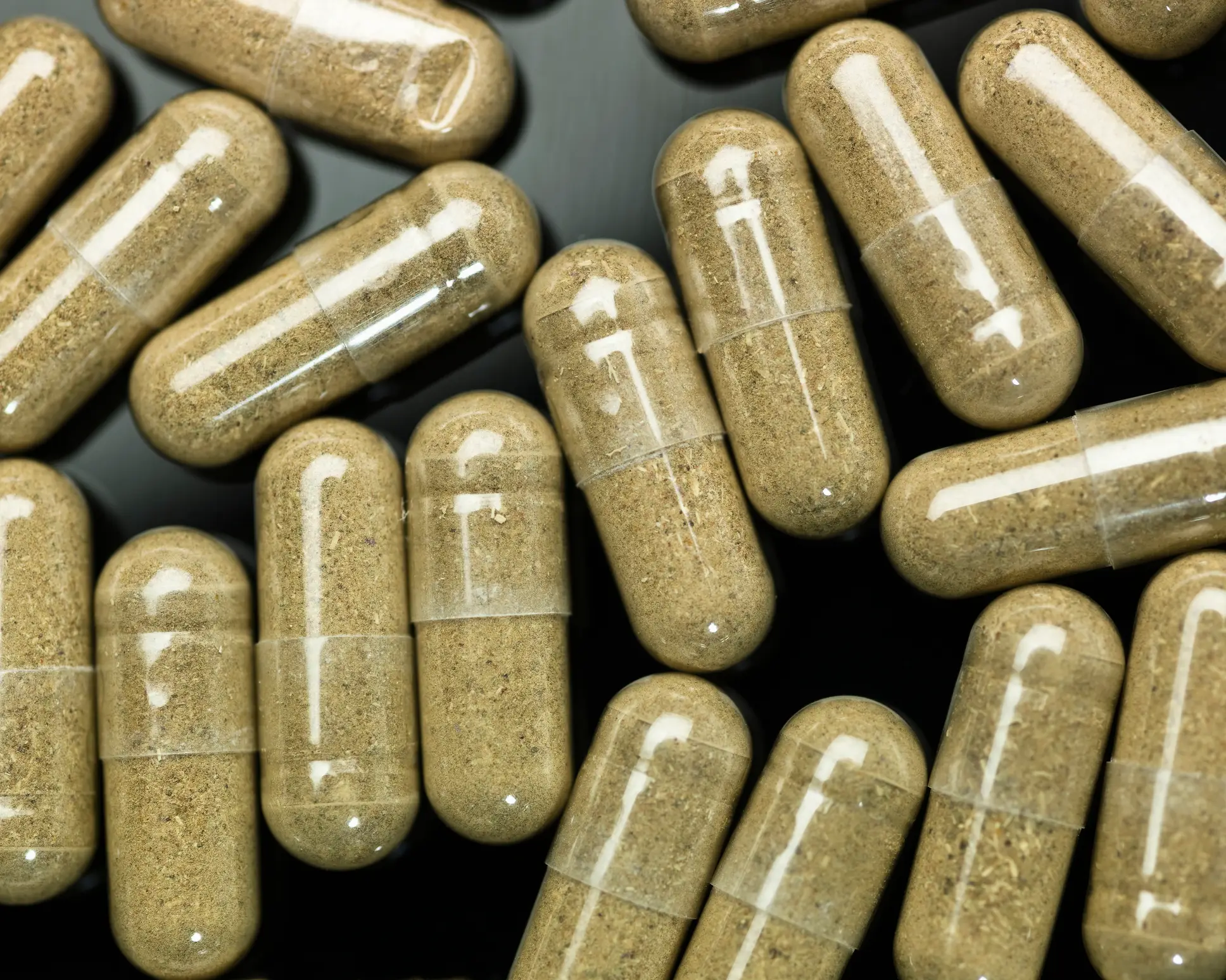
Finally, high-dose biotin, which is widely sold for hair and nails, can interfere with certain laboratory tests, including some thyroid tests and tests measuring troponin, a marker used when investigating a suspected heart attack.
The doctor explained that depending on the test, it can produce falsely high or low results. Falsely low troponin could contribute to a missed diagnosis, while misleading thyroid results could lead to inappropriate treatment.
Dr Maula said: “The concern here is that the supplement can distort the test result. Tell the clinician taking your blood about any hair, skin or nail supplements, including the dose and when you last took them.”
Patients should follow the testing team’s instructions about whether to pause biotin. Emergency care should never be delayed to allow a supplement to leave the body.
But, despite all of this advice, people are advised not to suddenly stop a prescribed supplement or medicine. Those who are pregnant, vegan, living with absorption problems or treating a confirmed deficiency may have a genuine clinical need.
Dr Maula advised: “The safest approach is not to bin everything. It is to understand why you are taking each product, check the combined dose, and ask a pharmacist or doctor if you are uncertain.”
Topics: Health, Life, Real Life, Food and Drink, Women's Health
 Madison Burgess