
Women issued life-saving advice on 'silent killer' heart disease as risks explained

It can creep up without women realising, with warning signs hidden in routine health checks - or missed altogether.
And by the time heart disease becomes impossible to ignore, the damage may already have been done.
Cardiovascular disease is the leading cause of death among women and girls around the world, despite long being considered something of an 'older man' problem within the medical profession.
The sad reality is, however, that cases are projected to rise to alarming rates in the coming decades.
Advert
Thankfully, though, new, coordinated guidance has finally been released highlighting the warning signs that women need to know about when it comes to protecting their hearts.
And astonishingly, some can be observed as early as during their teenager years.
When it comes to female health, periods, pregnancy and menopause, these occurrences are often discussed as separate chapters of life. But experts are urging women to look at the bigger picture, as each stage can offer important clues about a risk that could affect them for decades to come.

As we say a number of major US medical organisations recently teamed up to issue coordinated guidance on women's cardiovascular health, emphasising the importance of identifying risk factors throughout life rather than waiting until it's too late.
The guidance highlights five key stages when women and their healthcare professionals can take a closer look at cardiovascular health - adolescence, the reproductive years, pregnancy, perimenopause and menopause, and postmenopause.
Dr Lucy Hooper, private GP and co-founder of Coyne Medical, says the central message is that women need to take their heart health seriously long before they reach middle age.
"The most important overall message is that women's cardiovascular health needs much more attention throughout every stage of their lives, not just when they reach middle or older age," she exclusively explained to Tyla.
"Cardiovascular disease is the leading cause of death in women worldwide, but we still tend to think of heart disease as a male problem."
So, what should women actually look out for - and what practical steps can they take to protect their health?

Stage 1: Perimenarche (Puberty)
Heart disease might feel like a distant concern during childhood and the teenage years, but the foundations of cardiovascular health are laid much earlier than many people realise.
The transition around a girl's first period is an important time to pay attention to hormonal health, menstrual patterns and emotional wellbeing.
The new life-stage approach encourages healthcare professionals to consider these factors alongside more familiar measures of health, such as blood pressure and physical activity.
Periods can provide useful clues. While cycles can naturally take time to settle after menstruation begins, heavy or persistently irregular bleeding is worth discussing with a healthcare professional rather than simply putting up with it.
These patterns do not automatically mean someone has a heart problem. However, menstrual irregularities can sometimes be associated with underlying conditions that affect longer-term cardiovascular risk.
Dr Hooper highlights polycystic ovary syndrome (PCOS), which can be associated with insulin resistance and other metabolic risk factors.
d

"This may largely be explained by shared cardiovascular risk factors, including insulin resistance, diabetes and raised LDL cholesterol," she noted.
Emotional health matters, too. Anxiety, depression and eating disorders can affect overall wellbeing and may have implications for cardiovascular health, making it important that concerns are recognised and supported rather than dismissed.
Building healthy habits during childhood and adolescence can also help establish a strong foundation for the years ahead. Regular movement, a balanced diet, adequate sleep and supportive conversations about health are all part of the picture.
According to Dr Hooper, the message is not that teenagers should worry about heart disease, but that early health concerns deserve attention.
Stage 2: Ovarian Cycling
Once regular menstrual and hormonal cycles become established, women enter the stage known as ovarian cycling, which broadly covers ages 15 to 44.
This phase can include major life changes, from contraception and fertility decisions to pregnancy and the years after giving birth. The new framework encourages healthcare professionals to consider these experiences alongside more familiar cardiovascular risk factors.

Irregular or heavy menstrual bleeding should not automatically be dismissed as something women simply have to live with. Depending on the cause, it may be associated with hormonal conditions that influence metabolic health. Heavy bleeding can also lead to iron deficiency, which can affect energy levels and wellbeing.
Some women experience pronounced mood symptoms linked to their menstrual cycle, including premenstrual dysphoric disorder (PMDD). Emotional health, stress and sleep are also part of the wider picture of cardiovascular wellbeing.
This does not mean every menstrual symptom signals a heart problem. It means that patterns in reproductive health can provide useful information and should be considered as part of a woman’s overall medical history.
Dr Hooper says it is important to know the numbers that can reveal cardiovascular risk, even when someone feels perfectly well.
"I would love women to know their blood pressure and cholesterol numbers as well as they know their weight or BMI," she told us. "Blood glucose and diabetes risk shouldn’t be forgotten either."
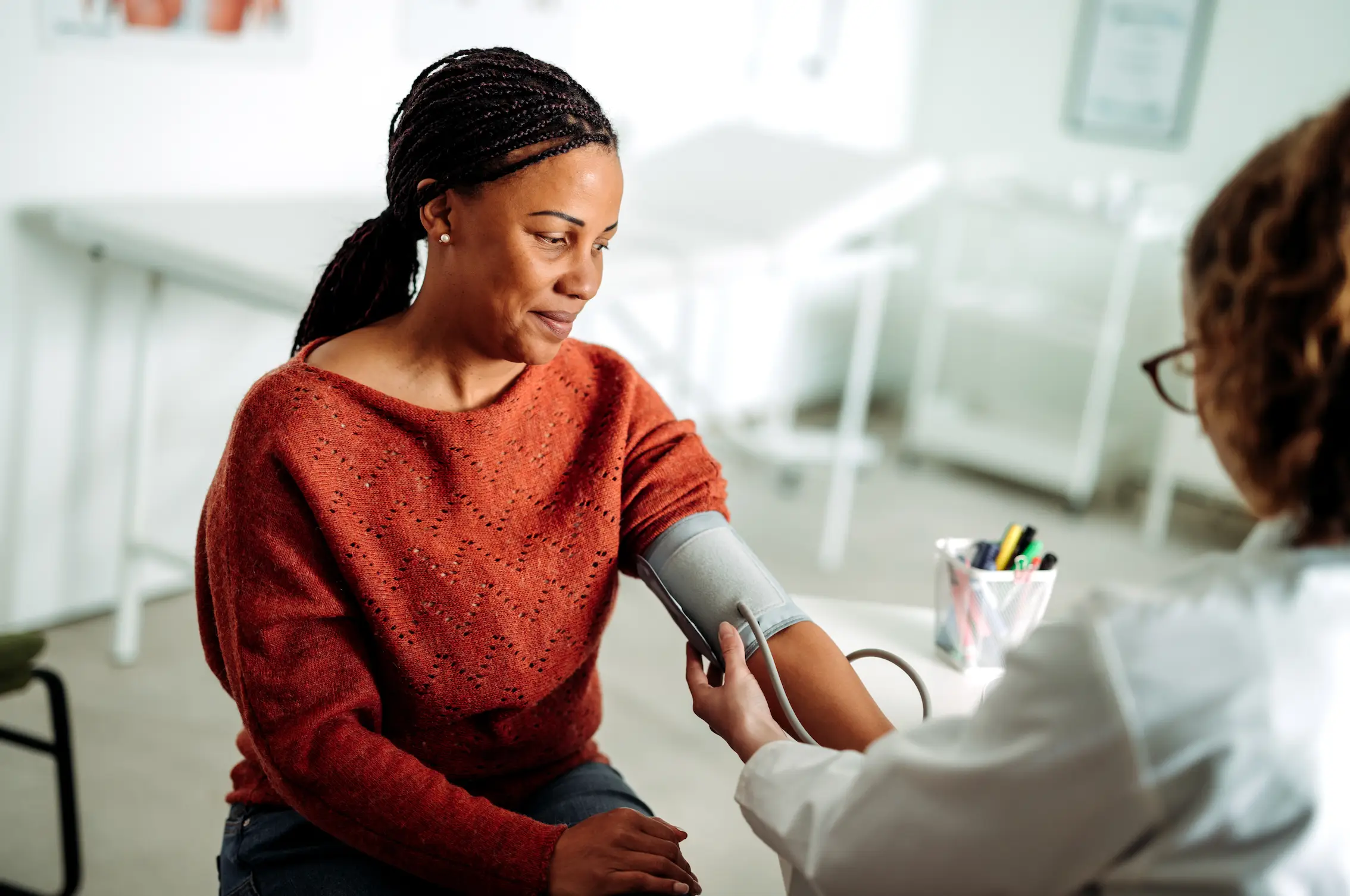
High blood pressure and raised LDL cholesterol can develop without obvious symptoms, so appropriate checks can help identify problems before they cause more serious complications.
Dr Hooper also highlights lipoprotein(a), or Lp(a), a largely inherited blood particle associated with an increased risk of cardiovascular disease. She says adults should consider having their Lp(a) level checked at least once in their lifetime.
Stage 3: Pregnancy
Pregnancy is not a separate age bracket in the framework, because it can occur during the reproductive years and has implications that can continue long after birth. Instead, it is recognised in new research as a particularly important period for assessing cardiovascular risk, given that it's now the leading cause of death among pregnant women in the America.
Dr Hooper describes pregnancy as 'another really important stress test for the cardiovascular system' due to the substantial changes the body undergoes in terms of circulation and metabolism.

For some women, this can reveal vulnerabilities that may not have been apparent before.
Complications such as pre-eclampsia, high blood pressure during pregnancy, gestational diabetes and preterm delivery have been associated with a higher risk of cardiovascular disease later in life. Other adverse pregnancy outcomes, including stillbirth, may also be relevant to a woman’s longer-term risk assessment.
Mental health matters during this period, too. Anxiety and depression during pregnancy and after birth can affect overall wellbeing and have been associated with adverse cardiovascular outcomes.
These complications do not mean a woman will inevitably develop heart disease. However, they should not be forgotten once the pregnancy is over.
Even if blood pressure or other test results return to normal after birth, a history of pregnancy complications can still be important. Women who have experienced them should make sure their GP knows about their pregnancy history and ask what follow-up checks may be appropriate.
This is particularly important when postnatal care is understandably focused on the baby, leaving mothers with less time to consider their own longer-term health.

Stage 4: Perimenopause
The stage of a woman's life that preludes the menopause, the perimenopause - which usually occurs between 45 and 51 - is a phase defined by either skipped or longer menstrual cycles and hormonal changes
But because perimenopause is not determined by a hormonal test, medics can only tell if a woman is in perimenopause by asking what her symptoms are.
This is vital due to this period being a key inflection point for cardiovascular health.
One of the research's key authors, Dr C. Noel Bairey Merz, director of the Barbra Streisand Women’s Heart Center at Cedars-Sinai in Los Angeles, explained: "Age 50 is a very determinant age to assess a person’s health, in both women and men."
Agreeing that perimenopause is 'a cardiovascular inflection point', Dr Hooper explained: "As oestrogen levels decline, LDL cholesterol tends to rise, alongside increases in visceral fat and changes in metabolic health."
"Visceral fat is stored around the internal organs, and changes in body fat distribution and metabolic health can influence cardiovascular risk."

This makes perimenopause an important opportunity to review heart health.
It's therefore important for women to discuss their blood pressure and blood sugar with their GP, as well as evaluate their dietary and exercise habits.
"If you miss that, you will miss out on improving that trajectory around age 50," Merz added.
It's also worth mentioning if you've experienced an early menopause, as this may be relevant to your individual cardiovascular risk assessment.
Menopause doesn't mean heart disease is inevitable, and not every woman will experience the same changes.
But it's a useful reminder that hormonal health and cardiovascular health are connected, and that this stage of life deserves attention beyond symptom management alone.
Stage 5: Postmenopause
Despite what we've just said, looking after your heart doesn't stop once menopause is over.
In fact, continuing to monitor cardiovascular risk factors is an important part of maintaining long-term health, particularly as factors such as blood pressure, cholesterol and blood glucose can change over time.

"The fundamentals of a healthy lifestyle remain the same at every stage of life," Dr Hooper continued. "Regular exercise, but also movement throughout the day, a healthy Mediterranean-style diet that's low in salt, avoiding smoking and keeping an eye on the things we can't easily feel, particularly high blood pressure and raised LDL cholesterol."
She believes women should give these numbers as much attention as the measurements they may already be familiar with.
"I would love women to know their blood pressure and cholesterol numbers as well as they know their weight or BMI," she says. "Blood glucose and diabetes risk shouldn't be forgotten either."
The practical steps don't have to be complicated. Regular movement, a balanced diet, avoiding smoking and keeping up with appropriate health checks can all form part of a long-term approach to cardiovascular health.
Dr Hooper also reiterates her recommendation that adults consider an Lp(a) test at least once in their lifetime, given the role elevated levels can play in inherited cardiovascular risk.

And rather than thinking only about whether you're likely to develop heart disease in the next ten years, it's worth discussing your lifetime risk with your healthcare professional.
Your age, family history, medical background and other risk factors can all help inform that conversation.
The bottom line - don't wait until something feels wrong
The new guidance is a reminder that women's cardiovascular health deserves attention throughout life, rather than becoming a priority only when they reach a certain age or develop symptoms.
From menstrual health in adolescence to pregnancy complications and the hormonal changes associated with menopause, different stages of life can provide important information about future cardiovascular risk.
But the message isn't to panic about every change in your body. It's to recognise where your medical history may matter, understand the risk factors you can monitor and have informed conversations with your GP about prevention.

As Dr Hooper explains, women should focus on regular exercise, movement throughout the day, a healthy Mediterranean-style diet, avoiding smoking and monitoring blood pressure, cholesterol and blood glucose.
She also stresses that cardiovascular health needs to be considered over a lifetime, rather than simply looking at the next decade.
Ultimately, knowing your numbers, sharing relevant medical history and asking questions about your individual risk can help you make more informed decisions about your health.
Heart disease remains the leading cause of death among women worldwide. The aim of this new approach is to help women and healthcare professionals identify risks earlier and take steps to reduce them - long before a serious problem develops.
Topics: Women's Health, Health, Real Life, Advice
 Rhianna Benson