Little-known ‘Nordic diet’ could help you live a lot longer

With January 1st right around the corner, it's clear many people will be making a whole bunch of New Year's resolutions to kick off 2026 with a bang.
From vowing to use your phone less and promising yourself you'll read more books to starting a gym membership and swearing to eat healthier, it's clear that, for lots of us, the start of a new year is a great opportunity to shake some things up in the lifestyle department.
Now, while the heavily marketed 'New Year Diet' fads may start popping up, it's important, if you are curious about trying out a new diet, to think of one that is achievable, safe and, above all else, healthy for both your mind and body.
And the 'Nordic diet' may be exactly that.
Advert
What is the Nordic diet?
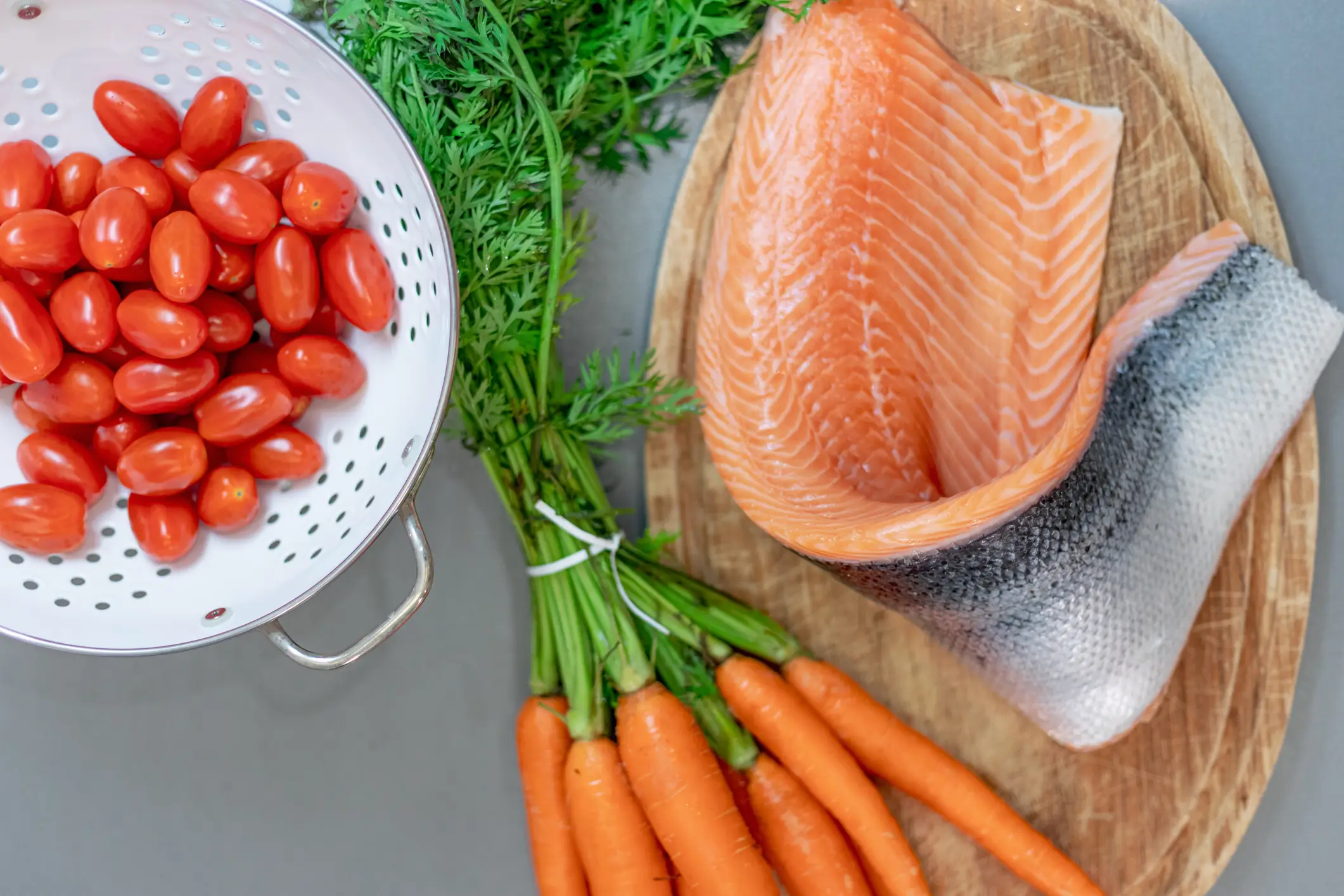
While the 'Mediterranean diet' may be way more well-known, which emphasises fresh fish, seasonal produce and extra virgin olive oil as the main cooking fat, the Nordic diet follows, as expected, the traditional eating patterns of people living in Denmark, Iceland, Finland, Norway, and Sweden and it offers many of the same health benefits.
"It’s basically the Mediterranean diet’s colder-climate cousin," explained registered dietitian nutritionist Dawn Jackson Blatner to National Geographic. "It’s very similar, but it includes more foods that grow in cold climates."
The 'new Nordic diet' was first created by a group of nutritionists, scientists, and chefs back in 2004 and is based on locally sourced, seasonal foods, with a strong emphasis on healthiness, flavour, and sustainability.
"The Nordic diet is not an epiphany about healthy eating - it has a lot in common with other health-promoting diet plans," noted David L. Katz, a preventive medicine specialist, past president of the American College of Lifestyle Medicine.
"All good diets are made up of real food, mostly plants. The Nordic diet is a variation on the same theme. Its health benefits translate to overall vitality and longevity."
A review published in October 2025 in the European Journal of Nutrition looked at 47 studies on the Nordic diet and found some pretty illuminating results.
People who followed it closely had a 22 percent lower risk of dying early from any cause, a 16 percent lower risk of death from heart disease, and a 14 percent lower risk of dying from cancer compared with those who stuck to it less.
The diet’s strength comes from its mix of anti-inflammatory, antioxidant-rich foods, plenty of fibre, and healthy oils. In short, it is a smart, well-rounded way of eating that really delivers, as Katz puts it.
"It’s a high-quality diet that’s firing on all cylinders," he said.
What foods are included in the Nordic diet?
According to the outlet, the Nordic diet primarily includes:
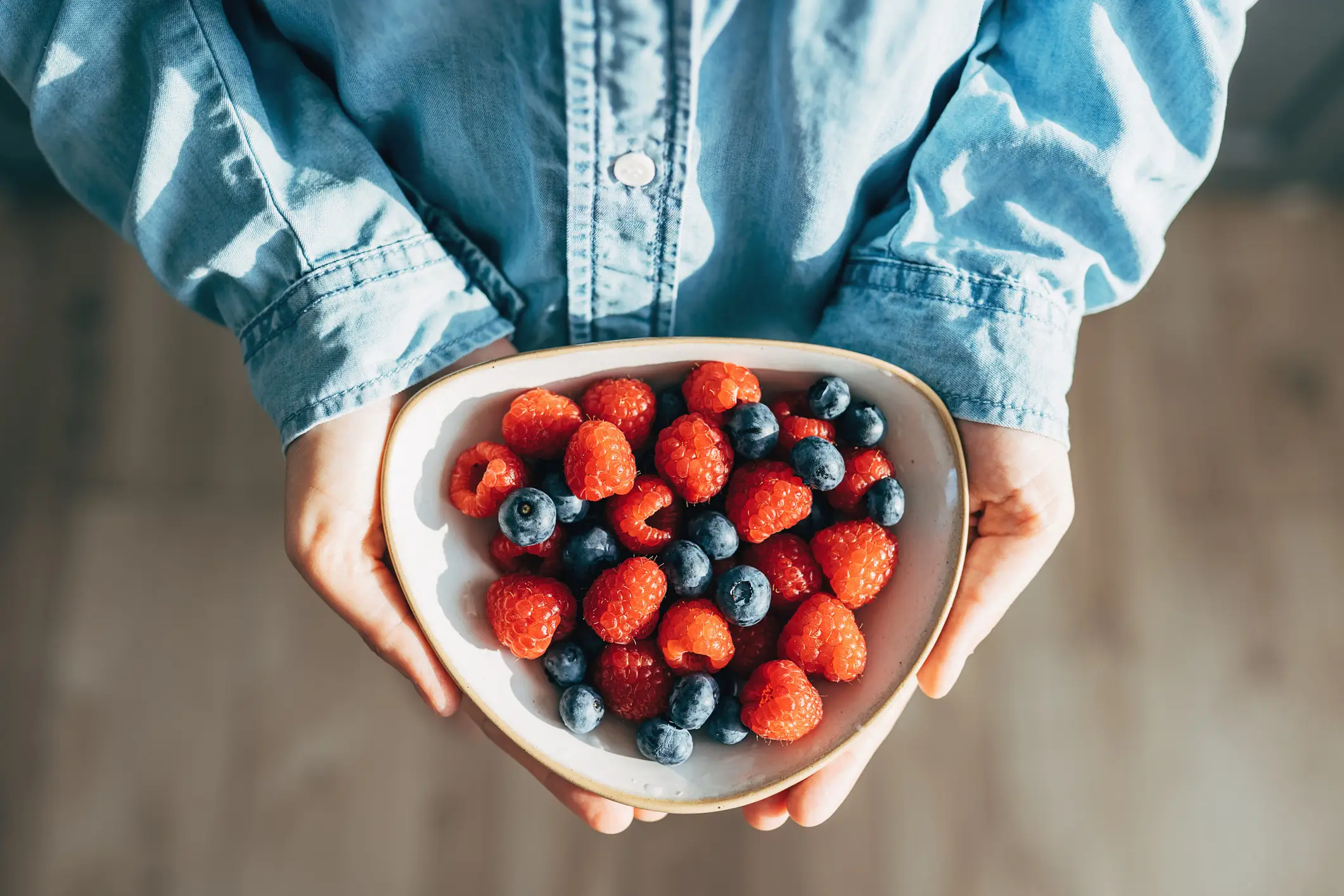
- Plenty of plant foods like berries, apples and pears
- Root vegetables like beetroot, potatoes, parsnips, turnips and carrots
- Cruciferous veg such as cabbage and cauliflower
- Whole grains, especially rye, barley and oats
- Fatty fish like salmon, herring, sardines and mackerel
- Legumes, including beans, peas and lentils
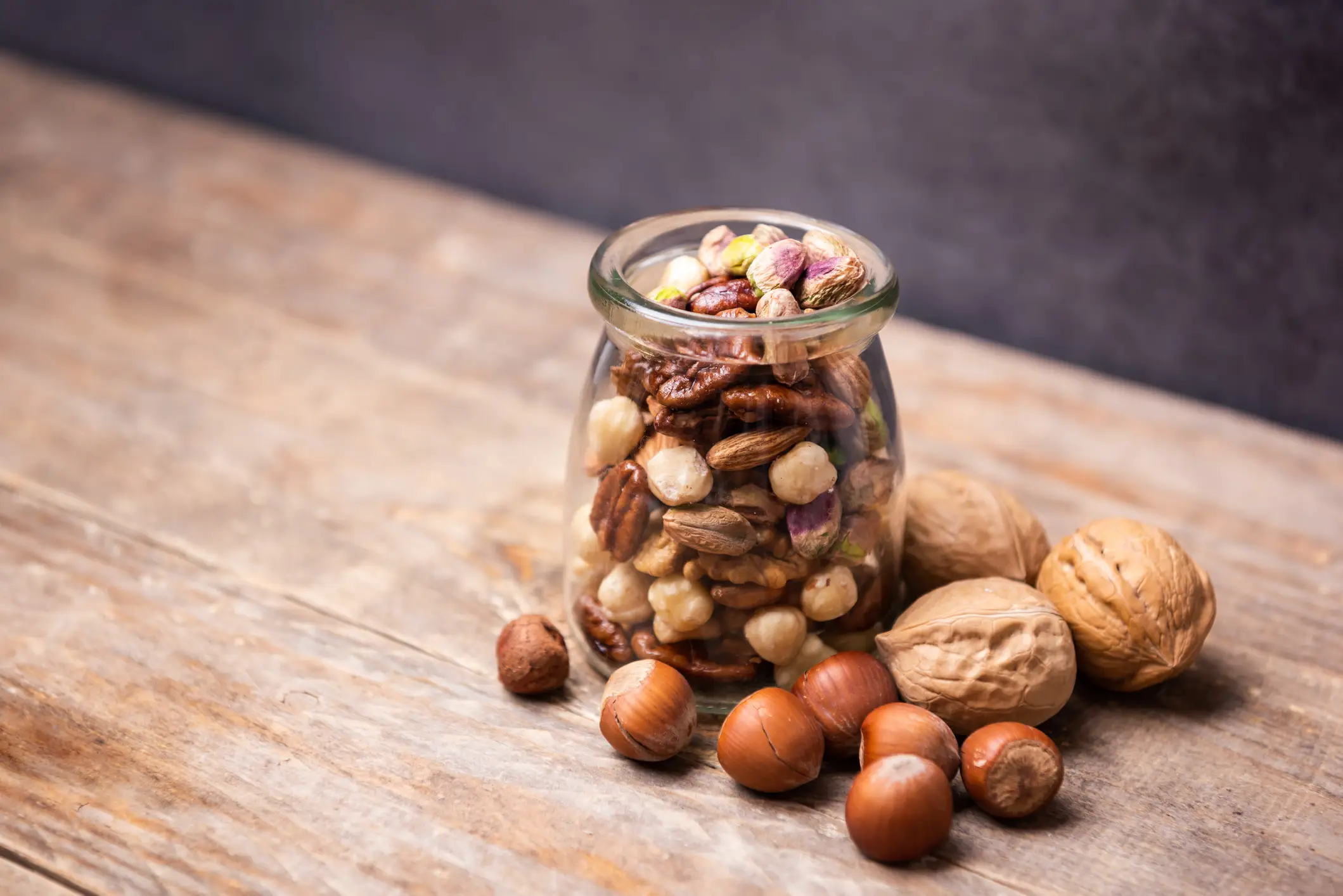
- Nuts and seeds for healthy fats and fibre
- Fresh herbs and flavourings like dill, parsley, mustard, horseradish, vinegar and chives
- Heart-healthy rapeseed (canola) oil for cooking
It also allows:
- Low-fat dairy such as skyr and kefir
- Eggs and lean game meats in moderation
- Minimal sugar-sweetened or highly processed foods, without strict bans, keeping the whole thing flexible rather than rigid
As always, it's important you do your own research on any diet you try out and be sure you're doing it safely.
Topics: Food and Drink, Life, Explained, Advice, Health
 Rhiannon Ingle