
Glazed donut skin and skin flooding: Do they work? A skincare expert debunks

Doomscroll through TikTok and you’ll quickly find a new skincare trend promising to transform your complexion.
From ultra-glowy 'glazed doughnut' skin to elaborate hydration routines and claims about stress changing your face, social media has a habit of turning skincare science into something that sounds both very convincing but nonetheless slightly alarming.
But how much of it actually stacks up?
Well, we asked Dr Memee of SkinCouture Clinic to separate the skincare fact from the TikTok fiction, and she's helpfully explained to Tyla all we need to know on the subject.
Advert
Glazed doughnut skin
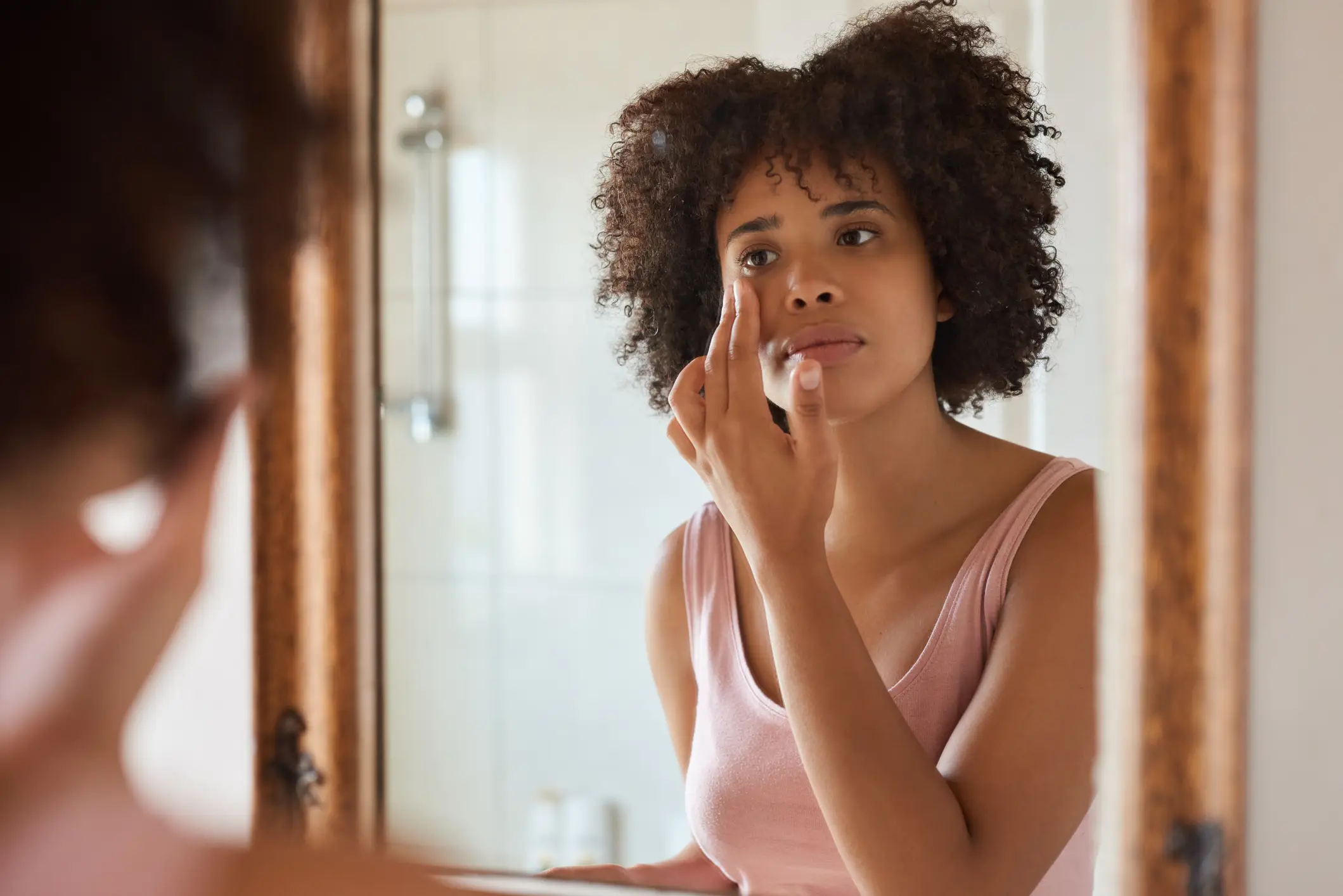
Dr Memee confirmed that this trend is very much so real, telling Tyla: "The glow comes from humectants pulling water into skin plus an occlusive sealing it in!"
Humectants such as hyaluronic acid and glycerin attract water, while occlusives help keep that hydration locked in. The result can be that juicy, reflective finish social media has dubbed 'glazed doughnut' skin.
Read more: Adult acne: why it happens and what actually helps
However, she outlined that there is some dodgy marketing at play when it comes to the 'glazed doughnut' hype, outlining: "Heavier layering doesn’t mean more glaze, and on oily or acne-prone skin it usually means breakouts instead."
The expert recommends checking the ingredient list for a genuine humectant, such as hyaluronic acid or glycerin, alongside an occlusive such as ceramides or squalane rather than trusting the glossy packaging.
"Match the routine to your skin type, not the trend," Dr Memee urged.

Skin flooding
According to the skincare expert, the 'real' part of the skin flooding trend is that a humectant on damp skin, sealed with moisturiser, is 'great for hydrating the skin'.
The marketing idea, however, differs from this as it claims that more steps mean more results.
"Extra layers mostly raise your odds of a reaction like perioral dermatitis!" Dr Memee warned.
Read more: I wrecked my skin barrier with acne treatment - this £16 La Roche-Posay Balm fixed it
In other words, your bathroom shelf doesn’t need to become a small branch of Boots! A couple of products with clear jobs can be enough.
"Patch test before introducing a stack of new products at once," the expert added.
Cortisol face
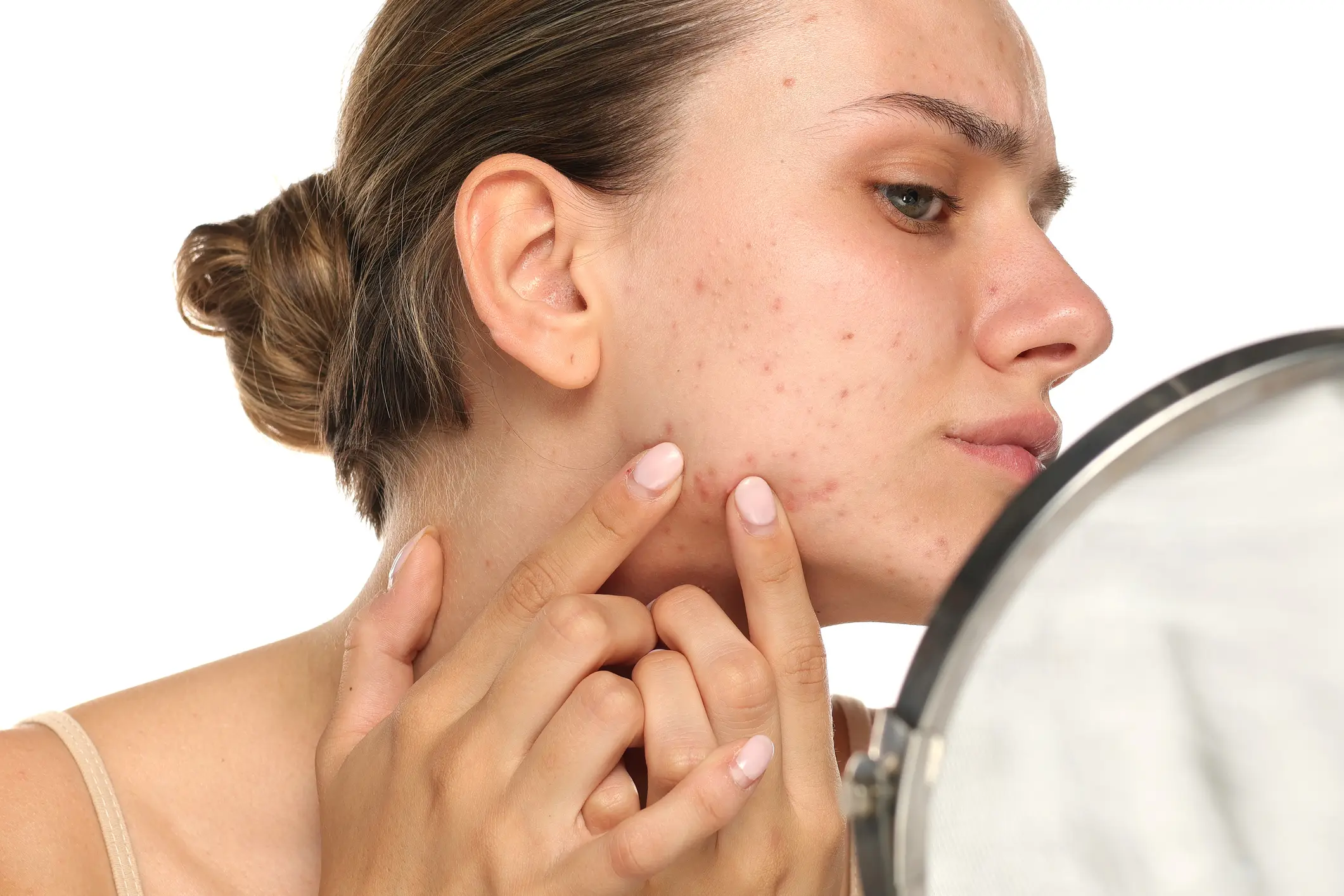
Dr Memee tells Tyla that cortisol can reshape a face, but only with sustained excess, as in Cushing’s syndrome, diagnosed by blood tests over months.
While everyday stress raises cortisol briefly, it doesn’t visibly change your face overnight.
That morning-after puffiness is far more likely to be fluid retention. Salt, alcohol, poor sleep and your menstrual cycle can all play a part, and it should settle within a day.
Because of that, the expert advises beauty fanatics to be wary of skincare promising to lower circulating cortisol.
"No skincare product lowers circulating cortisol, so treat that claim as a red flag," Dr Memee said.
So, before buying the latest viral serum, be sure to check what’s actually in it, what your skin needs and whether the promise goes beyond what the ingredients can realistically deliver.
 Rhiannon Ingle