I wrecked my skin barrier with acne treatment - this £16 La Roche-Posay Balm fixed it

If you also rely on TikTok to tell you what skincare to buy next, you're in the right place.
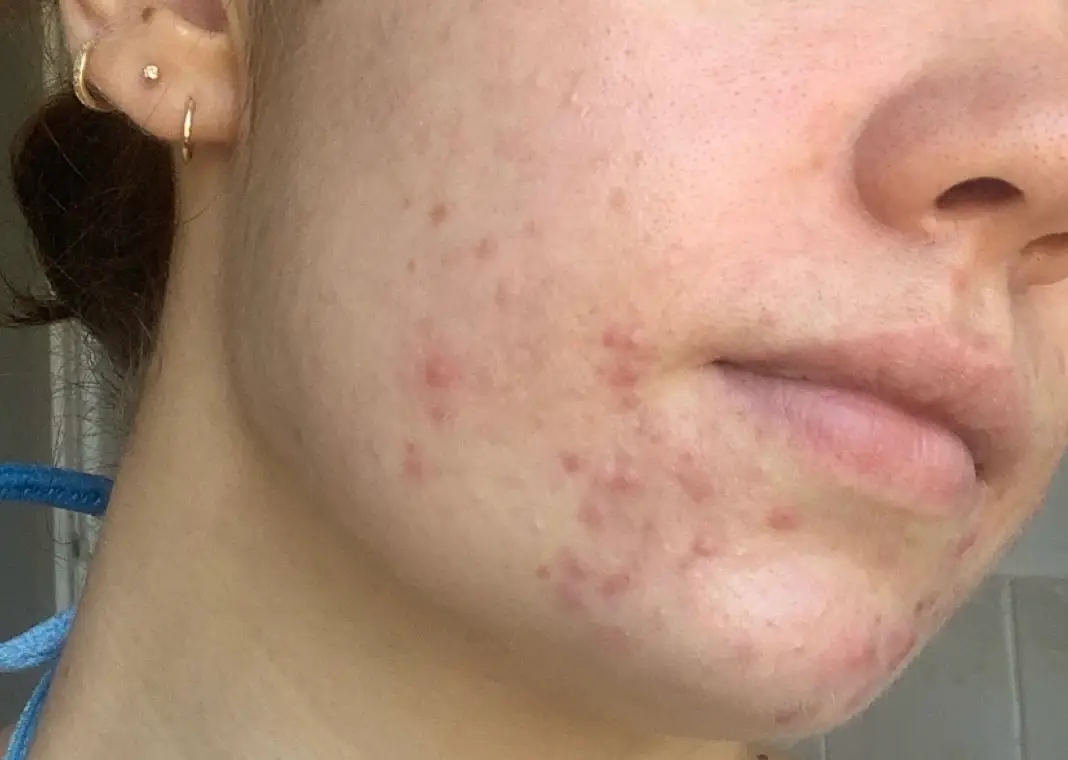
I spent my high school, college and university years battling hormonal acne. I tried everything to get rid of it too; from the toothpaste trick to countless spot creams and diets.
Contrary to what they tell you about acne, it didn't suddenly disappear when I entered my late twenties either - no matter how much I ramped up the skincare routine.
The only thing that worked? A year's course of Isotretinoin (Roaccutane), and I haven't looked back since.
Buy La Roche-Posay Cicaplast now:
Following the treatment, my skin seemingly went from oily to incredibly dry overnight, so I had to learn how to look after it all over again.
Advert
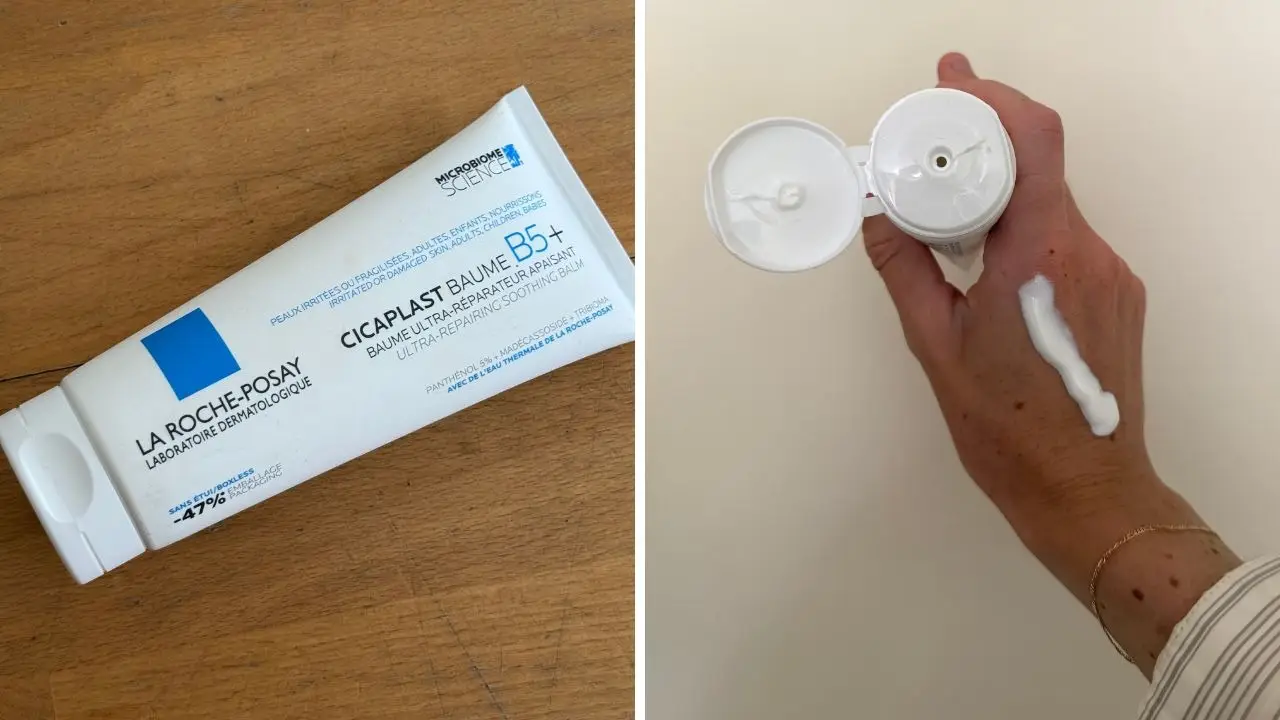
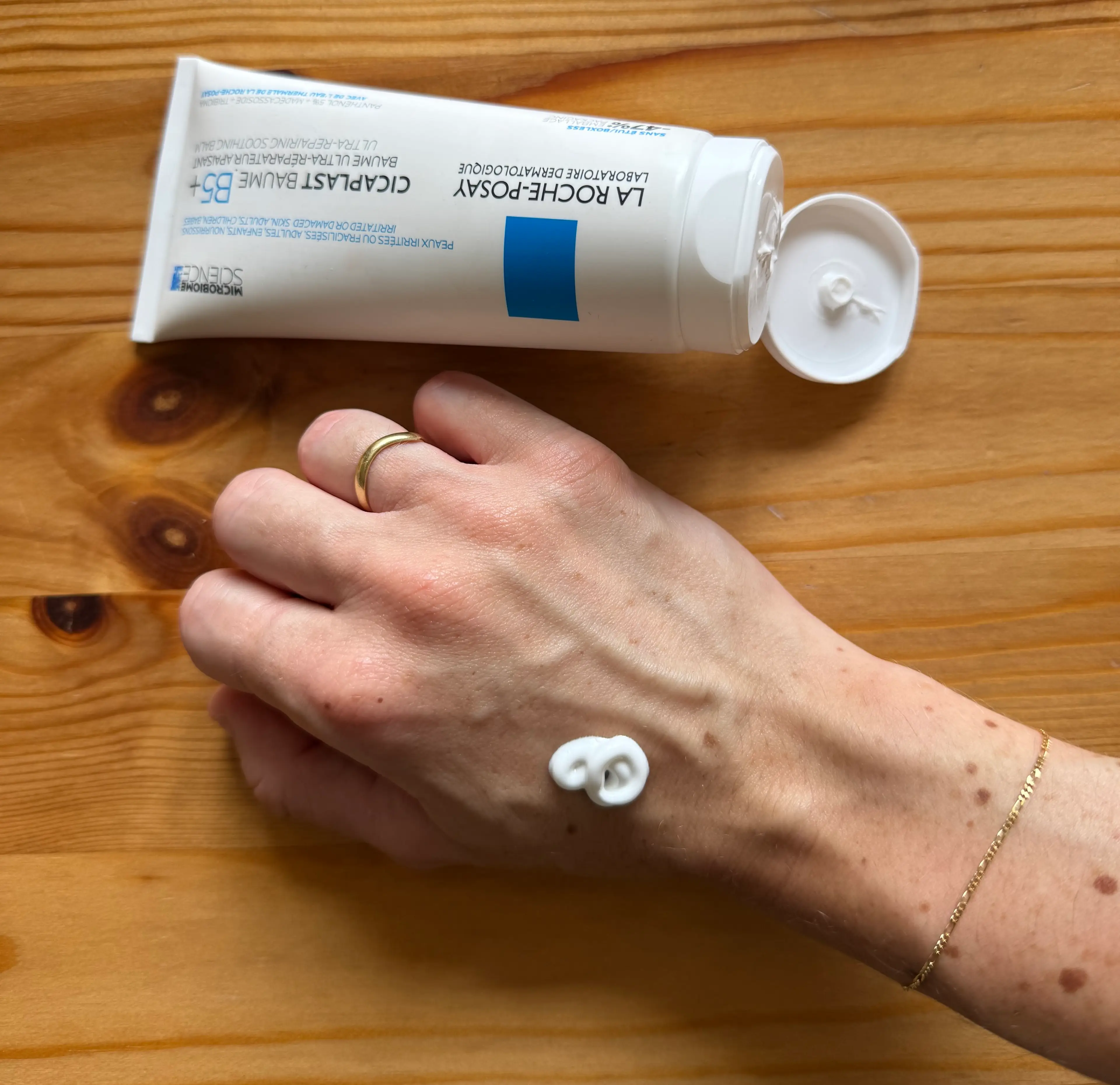
That's when I discovered a French pharmacy product on social media and haven't stopped buying it since: La Roche-Posay's Cicaplast Balm.
What is La Roche-Posay's Cicaplast Baume and how do you use it?
Believe the hype, Cicaplast really is one of those products that you'll be grateful is sitting in the bathroom cabinet.
Anyone who has taken acne medication will know that there are endless rules on what you can and can't do during treatment.
Your skin type will inevitably change beyond recognition, and you'll need to relearn how to look after it, especially as it will be sensitive for up to six months post treatment.
That's why protecting your skin barrier becomes the priority, as a healthy barrier helps lock in moisture, keeps irritation at bay and supports your skin as it recovers.
Overwhelmed by the options in the local pharmacy, I decided to keep ingredients minimal, and reached for Cicaplast.
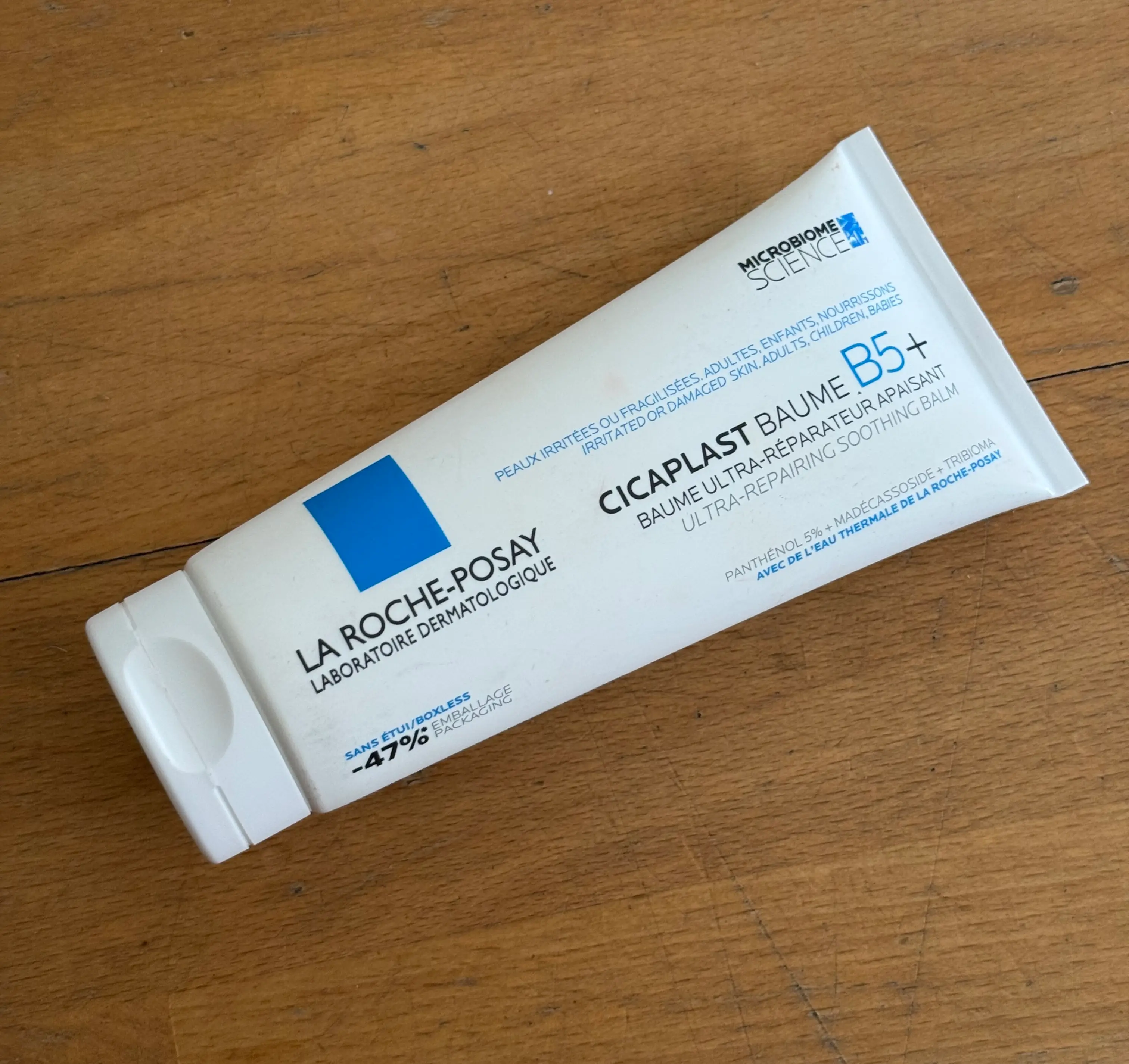
Designed for babies over the age of three months, it's fragrance free, ridiculously soft and a solid option for sensitive, irritable skin.
It helped to calm my dry skin while giving my compromised barrier the extra support it needed.
I'm now in my early thirties and have continued to repurchase Cicaplast time and time again.
I've used the multi-purpose balm for just about everything too, from irritable razor bumps and redness to dry patches.
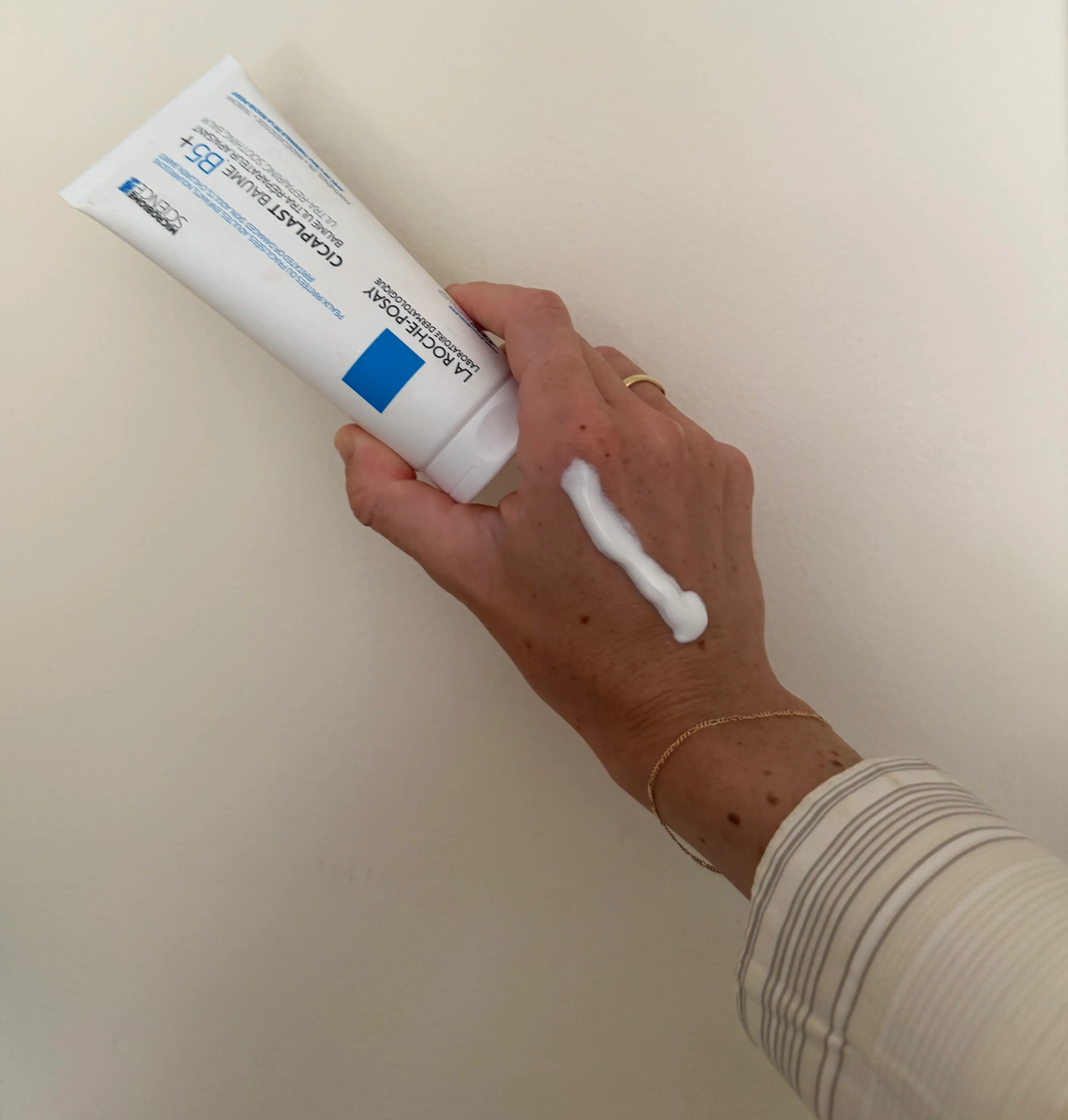
"It's essentially a soothing, barrier-supporting balm designed for dry, irritated or compromised skin," Dr Sabika Karim, founder of Skin Medical, explains.
"The formulation helps create a protective environment that supports the skin's natural repair process. This makes it particularly useful for dry, cracked or irritated skin and for supporting the skin barrier following certain aesthetic treatments, where appropriate.
"It can also be helpful for eczema-prone skin as part of a barrier-supporting routine, although it isn't a replacement for medical treatment during a significant eczema flare. Similarly, while it can support skin recovery, it shouldn't be described as a treatment for existing scars or sun damage."
La Roche-Posay Cicaplast 101:
- Suitable for people with eczema and sensitive skin
- Clinically proven to soothe irritated or damaged skin whilst respecting the skin microbiome
- Forms an invisible protective barrier
- Allegedly helps to support faster skin barrier repair from day one
- Suitable for the face and body
Can I use Cicaplast every day on my face?
In short, yes you can.
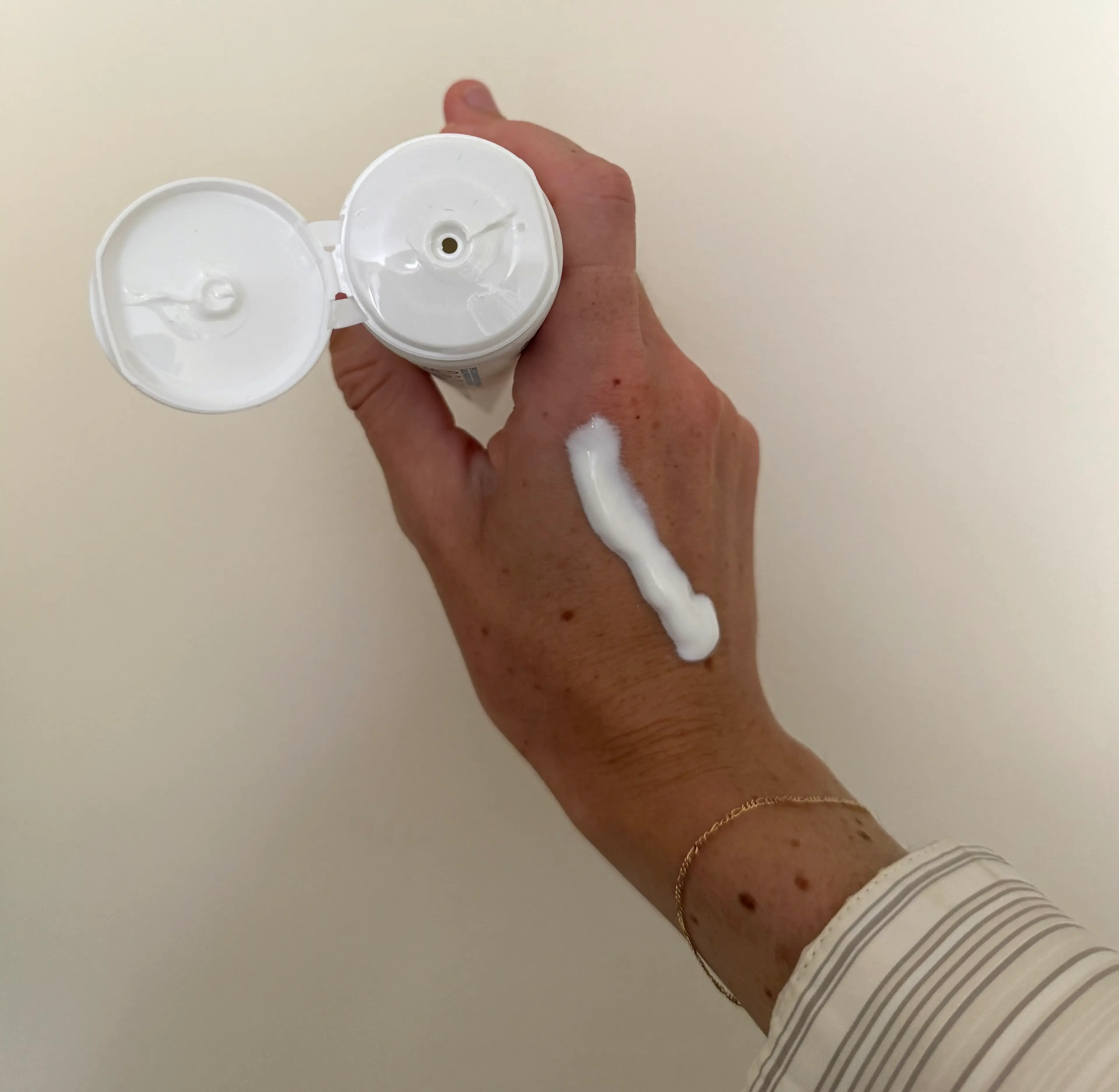
However, the French pharmacy essential boasts a thick consistency similar to that of Embryolisse so might not work well on oily or acne-prone skin.
Because of this, I only use the balm every few days as an overnight mask or targeted treatment.
If you like a sheer finish, it can be worn under make-up or even to prime the lips if they're chapped in the winter months.
What is your skin barrier and how can you fix it?
You might have heard of skin barrier protection, but what exactly does it mean?
It's the outermost layer of your skin, known as the stratum corneum. Essentially, it's on hand to protect against daily irritants such as pollution, the weather and bacteria.
"The skin barrier is located primarily within the stratum corneum, the outermost layer of the epidermis, and acts as our first line of defence against the outside world," Dr Karim says.
"It's a healthy barrier helps protect us from irritants, allergens and microorganisms while limiting excessive water loss from the skin."
She goes on to explain that if that barrier becomes compromised, water escapes more readily through a process known as transepidermal water loss (also known as TEWL). Skin can consequently become dry, tight, sensitive and more susceptible to irritation.
"Barrier-supporting products such as La Roche Posay's Cicaplast can help by providing humectant, emollient and protective ingredients that increase hydration, reduce water loss and create an environment that allows the skin's natural barrier-repair mechanisms to function effectively."
 Danielle Fowler