
Skin barrier repair: the complete guide

Skin barrier repair has become a trending topic in skincare lately. The good thing about this awareness is that knowing your skin barrier helps you make informed choices for your skincare routine.
If something’s off with your skin, it’ll show you. Reactive, irritable skin. Dry, flaky patches. Breakouts, redness or acne. These can all be signs of a damaged skin barrier.
But, what causes a damaged skin barrier, and how exactly do you repair it?
This guide explains what your skin barrier is, how to tell when it is damaged, and the steps you can take to repair and restore it.
Advert
We’ve enlisted some advice from skincare expert, Fiona Brackenbury, as well as from founder of Skin Medical, Dr Sabika Karim.
 Your skin barrier requires care and maintenance (Aleksandar Nakic/Getty Images)
What is the skin barrier?
Your skin barrier is the outer layer of skin, and it’s there to protect you from pollutants, bacteria and irritants.
Its job is also to retain moisture to stop your skin from drying out.
Read more: Skin barrier repair on a budget: affordable skin barrier repair under £15
The structure of the barrier is made up of cells, as well as lipids such as ceramides, cholesterol and fatty acids.
Dr Sabika Karim explains further: "The skin barrier is the outermost layer of the epidermis, called the stratum corneum. I often describe it as being like bricks and mortar: the corneocytes, or dead skin cells, are the bricks and the lipids surrounding them are the mortar. Together they help keep water in and irritants, allergens and microorganisms out."
How do you know it’s damaged?
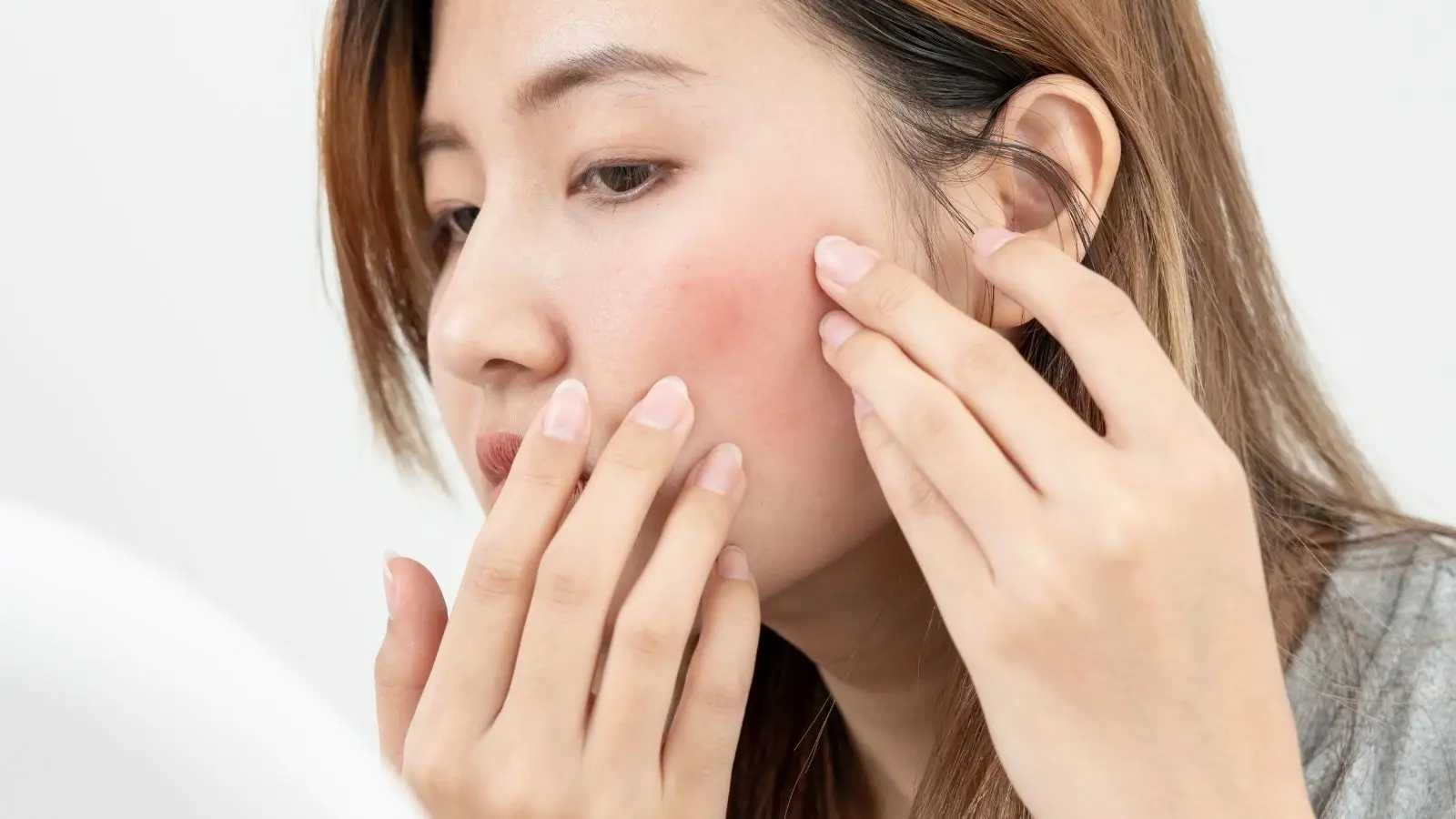
One of the clearest signs of a damaged skin barrier is increased sensitivity.
This can show up as redness and inflammation, or you might even notice a stinging, burning or itching sensation when applying your normal skincare.
It can also show up as tightness, dryness or flaky texture, as well as acne or breakouts that don't seem to go away.
Cleveland Clinic outlines that the symptoms of a damaged skin barrier include:
- Acne
- Dry, scaly and/or flaky skin
- Infection
- Inflammation and irritation
- Itchiness
- Rough patches
- Stinging, especially when you apply skincare products
- Tenderness or sensitivity
How to actually repair it
Repairing your skin barrier requires a targeted moisturiser, much like the barrier repair cream.
They’re formulated with ingredients that specifically help restore and repair any damage to your skin.
Fiona reveals: "Using a good barrier-supporting moisturiser consistently every evening can make a huge difference to how the skin feels and behaves."
SHOP NOW: Glowery Butter Balm Barrier Restore Balm, £40 on Sephora
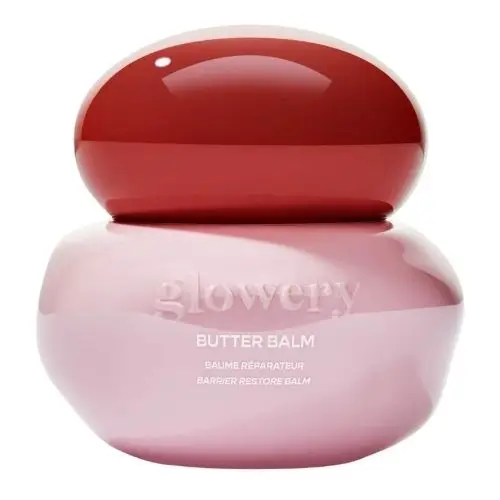 Glowery Butter Balm Barrier Cream, Sephora
Restoring plumpness and bounce to dry, dehydrated skin, this buttery balm from Glowery practically melts on application.
It's supercharged with biomimetic pro-collagen tech, which allows a compromised barrier to lock in long-lasting moisture and get to work on restoring the skin. It might be rich, but it absorbs pretty fast.
SHOP NOW: Kiehl's Ultra Facial Advanced Repair Barrier Cream, WAS £38 NOW £30.40 on Boots
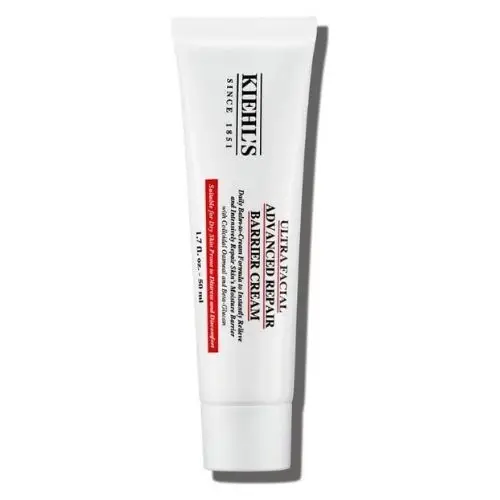
This fast-absorbing, breathable and lightweight repair cream from Kiehl's is a brilliant moisturiser as part of your daily routine.
Formulated with Advanced Barrier Technology, this moisturiser mimics the skin’s lipid structure to help support barrier recovery. The hard-working barrier cream makes the skin feel calm and smooth after use, making short work of dry skin.
SHOP NOW: CeraVe Advanced Repair Ointment for Very Dry and Chapped Skin, £15 on Boots
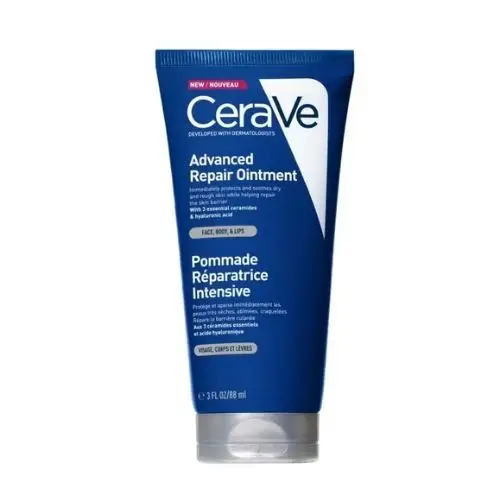
Recommended by dermatologists, this ointment from CeraVe is made from a unique gel texture, coating the skin in hyaluronic acid and three essential ceramides, in order to repair a compromised skin barrier.
The multi-purpose balm can be used on the face, body and lips, creating lasting hydration on dry, cracked or damaged skin. Best used when the skin is in need of an extra shot of moisture.
SHOP NOW: La Roche-Posay Cicaplast Balm B5 Multi-Purpose Repairing Balm, £11 on Lookfantastic
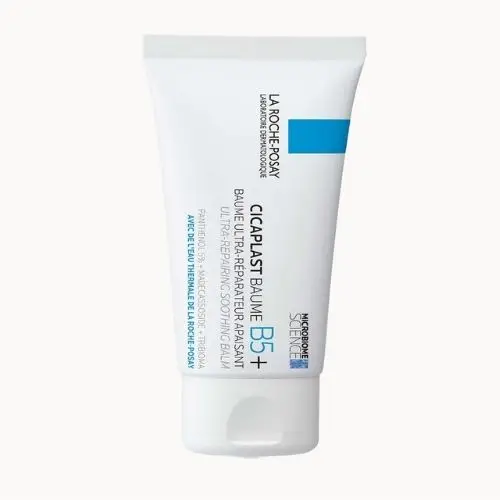
Containing Vitamin B5, glycerin and prebiotics, this repairing balm is jam-packed with skin-loving ingredients.
This cream even went viral on TikTok, where beauty reviewers swore by slugging their face in the product before bed to heal a damaged skin barrier.
Affiliates Writer, Danielle Fowler is a big fan: "It helped to calm my dry skin while giving my compromised barrier the extra support it needed."
SHOP NOW: Embryolisse Lait-Crème Concentré Multi-Purpose Moisturiser, £13.99 on Lookfantastic
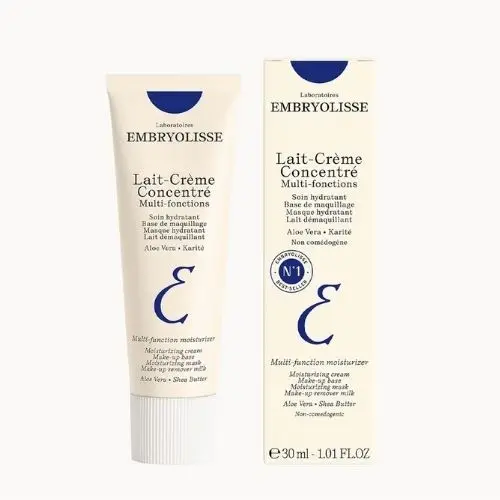
A rich, nourishing cream which repairs the skin while giving it a glass-like shine, this barrier cream has been used by countless make-up artists and celebrities - including Michelle Keegan. It can be used as a primer, moisturiser, make-up remover or as a repairing mask.
Containing essential fatty acids, vitamins and nutrients, its simple ingredients work to leave your skin satin soft and free from dryness.
SHOP NOW: Aestura ATOBARRIER365 Cream, £26 on Sephora
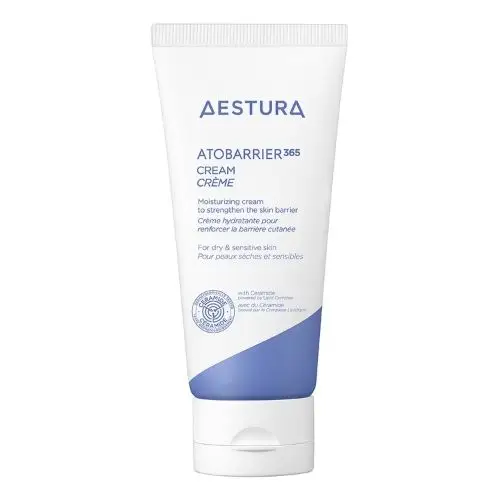
Trending on social media right now, this barrier support cream from Aestura has been formulated with some targeted ingredients in mind.
Its patented barrier-boosting ceramides retain within the skin barrier for up to 18 hours, and its Triple Lipid Complex of ceramides, fatty acids, and cholesterol mimic the skin's natural lipids. An incredibly effective formula for skin barrier repair.
The ingredients that matter: ceramides and beyond

Ceramides
Dr Sabika Karim says: "Ceramides are one of the most important ingredients to look for when your skin barrier is compromised. They’re vital for maintaining the skin’s barrier function and keeping skin hydrated and supple. Research shows that topical application of ceramides can improve skin barrier function, enhance moisture retention and support the repair of a damaged skin barrier.
Read more: Adult acne: why it happens and what actually helps
Applying well-formulated ceramides topically can help replenish these essential lipids, reduce water loss and restore a healthier skin barrier."
Skincare expert, Fiona Brackenbury adds: "Ceramides are naturally occurring lipids, so the skin can produce them, but UV exposure and age, amongst many things, can deplete production. Alongside cholesterol and free fatty acids, they form the organised lipid layers that reduce water loss and help prevent irritants and other external substances from penetrating the skin.
Without ceramides, the barrier cannot function properly."
Cholesterol and fatty acids
"Ceramides don’t work alone." Dr Karim reveals.
"Cholesterol and free fatty acids are also naturally present in the skin barrier and together these three groups of lipids form the protective matrix surrounding our skin cells.
I particularly like formulations that combine ceramides with cholesterol and fatty acids because they more closely replicate the lipids naturally found within healthy skin."
Fiona says: "Cholesterol accounts for 25% of the lipids and works together to create the organised structure responsible for an effective barrier.
When the skin feels tight this is often a sign that cholesterol levels are low. Topical cholesterol used in skincare is skin-identical and safe. It does not affect blood cholesterol levels."
She went on to say: "Essential fatty acids and non-essential acids makeup around 10–15% of the skin barrier lipids. Cleansing the skin can often remove some of these lipids, and the skin can be particularly susceptible to strong surfactants. Fatty acids are vital for maintaining barrier flexibility and supporting repair."
Glycerin and Hyaluronic Acid
"Humectants attract and hold water within the outer layers of the skin," explains Dr Karim.
"Glycerin is one of my favourites for a compromised barrier because it is an excellent humectant and helps improve hydration. Hyaluronic acid can also increase skin hydration, but remember that hydration and barrier repair aren't quite the same thing: humectants provide the water, while your skin barrier helps keep it there."
Fiona reveals: "Hyaluronic Acid is an ingredient that is naturally found in the skin and declines from the age of 30, its role is to help attract and retain hydration.
A compromised barrier is like a leaky bucket, and unless the skin barrier is repaired, the skin will continue to lose water; so whilst Hyaluronic Acid won’t repair it, it can help bring temporary hydration while the skin barrier is repaired. Unfortunately, Hyaluronic Acid won’t rebuild the intercellular matrix like ceramides, cholesterol, and fatty acids.
"Glycerin, like Hyaluronic Acid, is an excellent humectant. This is particularly good for skin barrier recovery after cleansers that leave the skin feeling stripped."
Peptides
Skincare expert, Fiona, explains: "Think of these as barrier-supporting ingredients; however, there are hundreds of different peptides, each with different functions depending on their amino-acid sequence.
Some peptides may support epidermal signalling for collagen production, skin renewal, or other processes relevant to healthy skin, but they're not structural components of the intercellular lipid matrix, so they don't really make the A-list barrier-supporting and strengthening ingredients for a compromised skin barrier.
Dr Karim supports this, by saying: "Peptides are signalling molecules that can support processes such as skin repair, hydration and extracellular matrix production.
They can be a useful addition to a barrier-supporting routine, but if my priority is specifically repairing a damaged barrier, I would reach for ceramides, cholesterol and fatty acids first."

Niacinamide
Dr Karim says: "Niacinamide, or vitamin B3, is a great multitasker for barrier-compromised skin. It can support the skin’s own production of ceramides and other barrier lipids, reduce transepidermal water loss and also has anti-inflammatory properties, making it particularly useful for dry, sensitive or irritated skin."
While, Fiona refers to niacinamide as a 'barrier-supporting ingredient'. She reveals: "Niacinamide is really clever as it can support the skin's own synthesis of ceramides."
SPF
Many experts agree that SPF is incredibly important in protecting the skin. In fact, Dr Karim told us: "For me, SPF is non-negotiable at every age, whether your barrier is damaged or not."
She went on to say, "SPF doesn't rebuild your skin barrier, but it protects it while it repairs. UV radiation causes oxidative stress and inflammation and can disrupt normal skin function, so daily broad-spectrum sun protection helps prevent further damage."
Fiona offered her expert advice, saying: "While you are trying to repair your compromised barrier, you can’t leave the skin exposed to more stressors. SPF will help protect the skin whilst the barrier is repaired, however, depending on the level of damage to the skin barrier, some sunscreens will irritate and sting the skin, so mineral filters may be best."
Collagen
As for collagen, its effects on a compromised skin barrier are not nearly as important as we assumed. Fiona reveals that collagen is simply a 'hydrating ingredient' and one that 'creates a film of hydration over the skin'. However, she also told us that: "Collagen isn't a major component when it comes to the role of the skin barrier."
Therefore, when you have a damaged skin barrier, this might be an ingredient that you can comfortably skip.
Does your age or life stage change what you need?
Dr Karim says: "Absolutely. Our skin changes throughout our lives, so our skincare should change with it. Younger skin tends to produce more sebum, so the focus may be on managing oil and breakouts without damaging the skin barrier."
"As we age, collagen declines, skin renewal slows and changes in ceramides and other barrier lipids mean the skin becomes less able to retain moisture. During perimenopause and menopause, falling oestrogen can accelerate these changes, making skin drier, thinner and more sensitive."
"Skincare should therefore evolve with your age, hormones and skin needs, but antioxidants and daily broad-spectrum SPF remain important at every life stage."
Fiona agrees, also adding: "Changes in our skin barrier can also come from UV exposure. We often think about UV in relation to collagen, pigmentation and premature skin ageing, but prolonged UV exposure can also disrupt barrier function and affect important barrier lipids, including ceramides. It’s worth remembering that whilst away on holiday or during the summer months, you may have exposed your skin to prolonged sun exposure, which can leave the skin barrier more vulnerable."
Common mistakes that make it worse
When skin feels dry, rough and flaky, that’s when we’re most tempted to use scrubs, exfoliants and peels. However, this is likely causing your skin more harm than good.
Harsh and perfumed products can strip the skin of moisture, which is what keeps the barrier healthy and hydrated.
If you feel as though your skin barrier is damaged, hold off using actives such as retinoids or harsh exfoliants.

Maintain a simple routine rather than 'skin cycling', and reach for a barrier-supporting cream instead.
Fiona reveals, "The biggest mistake I see people make is assuming that because their skin feels better after a day or two, their barrier is completely repaired and they can immediately reintroduce all their active ingredients. How the skin feels and the complete repair of the barrier are linked, but not strongly aligned."
FAQs:
How long does it take to repair your skincare barrier?
In regards to how long it takes to heal your skin barrier, experts are usually in agreement about one thing: the answer isn't straightforward.
Dr Karim says: "How long it takes to repair, depends on the level of barrier damage. Mild barrier disruption can start to improve within a few days with the right skincare, while a more significantly damaged or chronically impaired barrier may take several weeks or longer to recover. The important thing is to remove whatever is continuing to disrupt it and give the skin what it needs to repair itself."
Skincare expert, Fiona agrees: "When it comes to repairing your skin barrier, there isn't an exact number of hours or days that applies to everyone. It depends heavily on how disrupted the barrier is, what caused the disruption, whether irritants or stressors are continuing to impact the skin without being identified, and, of course, the health of the skin barrier to begin with."
"With mild skin barrier disruption, you may see signs of recovery between 24 hours and 48 hours."
"However, if the skin has become red, inflamed, irritated, tight, flaky, or starts stinging when you apply skincare, this can indicate a more significant level of barrier disruption and inflammation. In these circumstances, I would expect recovery to take at least seven to 14 days. I have seen it take up to a month; however, this depends on the severity."
Most experts agree that the best course of action when repairing a damaged skin barrier is simplifying your routine, being consistent and refraining from changing your skincare products.
Quiz: Is my skincare barrier damaged?
Answer the questions below, then add up how many A, B and C answers you choose. This quiz is a guide, not a diagnosis, but it can help you understand whether your skin barrier might need a bit of extra attention and care.
1. How does your skin feel after cleansing?
A) Comfortable and balanced
B) Slightly tight or dry
C) Tight, itchy, stinging or uncomfortable
2. How does your skin react to products it usually tolerates?
A) It reacts as normal
B) It feels a little more sensitive than usual
C) Products sting, burn or cause redness more often
3. What does your skin look like at the moment?
A) Clear, calm and even
B) A little dull, dry or uneven in places
C) Red, flaky, inflamed, rough or irritated
4. How often do you experience dryness or flaking?
A) Rarely
B) Sometimes, especially after cleansing or active ingredients
C) Often, even when I moisturise
5. Have you recently used strong exfoliants, retinoids or multiple active ingredients?
A) No, my routine is simple and consistent
B) Yes, but only occasionally
C) Yes, and my skin has felt more sensitive since
6. How quickly does your skin feel dry again after moisturising?
A) It stays comfortable for most of the day
B) It feels dry again after a few hours
C) It still feels tight or dry soon after applying moisturiser
Your results:
Mostly A answers: Your skin barrier is likely in good condition. Keep your routine consistent and avoid using too many active ingredients at once.
Mostly B answers: Your skin barrier might be under a bit of stress. Think about simplifying your routine and focusing on gentle, hydrating and barrier-supporting products.
Mostly C answers: Your skin barrier may be compromised. Strip your routine back to the basics, prioritise moisturiser and SPF, and pause strong active ingredients until your skin feels calm again.
 Samantha Price