
What is the skin barrier and how do you know if it's damaged?

If you've spent any time on TikTok lately, chances are you've heard wellness influencers going on about their 'skin barrier'.
From Korean beauty to 'glass skin', 'skin cycling' to the 10-step routine, and the seemingly endless stream of new serums being churned out, wellness has become increasingly obsessed with understanding exactly what we're putting on our skin, and whether we're helping or hindering it.
The phrase 'skin barrier' might sound like yet another skincare buzzword, but it is a very real part of your skin's health.
And, according to Dr Bernard Ho, Consultant Dermatologist and spokesperson for the Skin Health Alliance, sometimes the best thing you can do for your skin barrier is take a step back from your jam-packed routine.
Advert
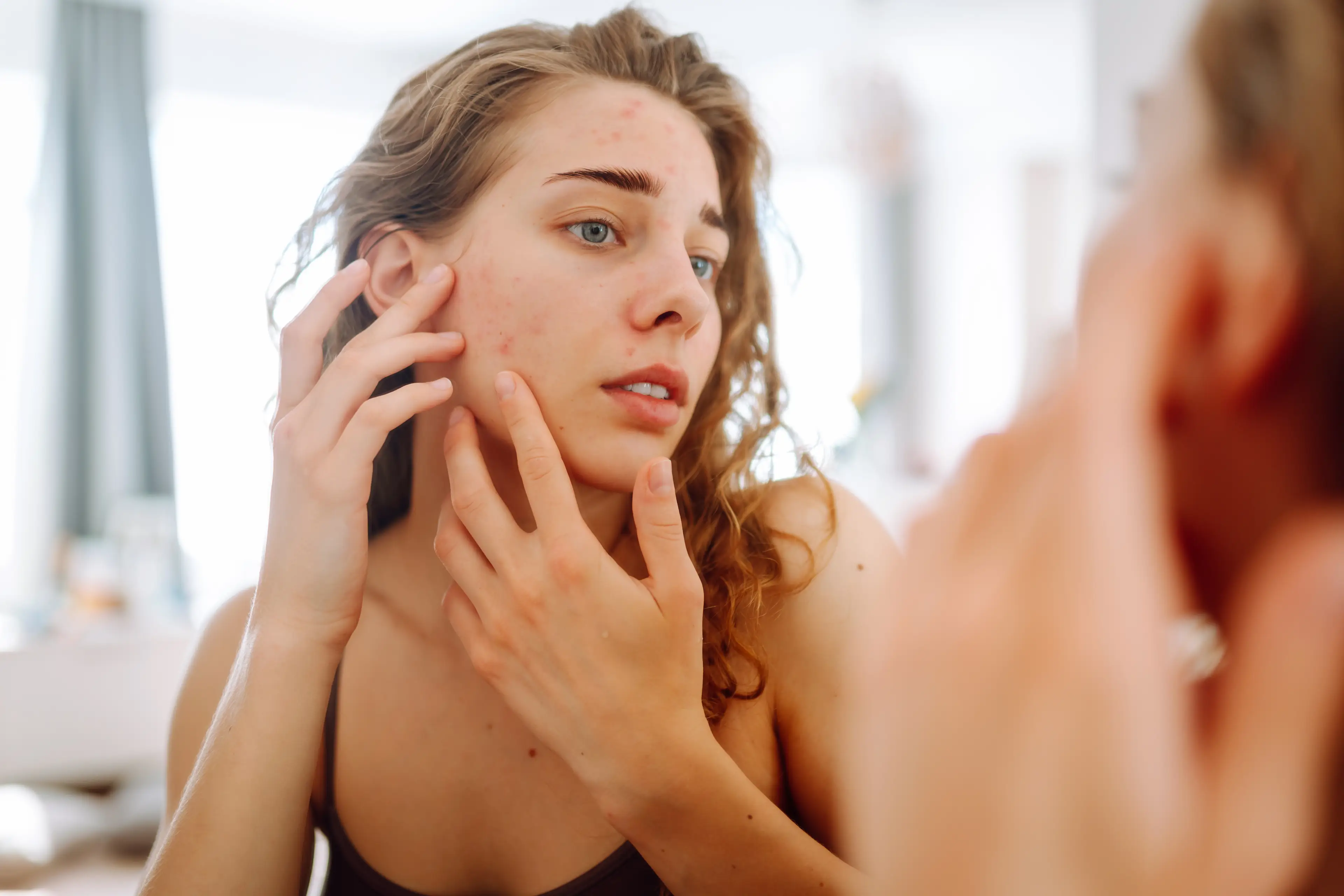
If you're reading this, however, wondering why you've never spotted a physical boundary surrounding your skin cells, or circling your face, it's because the term is simply used to describe the outermost layer of skin.
What is the skin barrier?
Technically speaking, this is known as the stratum corneum, which acts as a protective armour against environmental irritants, microbes and water loss. Dr Ho told Tyla to think of the skin barrier 'as a brick wall'.
"The corneocytes (skin cells) are the bricks, and a lipid matrix of ceramides, cholesterol and fatty acids is the mortar holding them together," he continued, explaining that a healthy barrier is successful in keeping moisture in and irritants out.
Read more: I wrecked my skin barrier with acne treatment - this £16 La Roche-Posay Balm fixed it
But when that lipid matrix becomes disrupted, the barrier can become 'leaky'.
This results in water escaping from the skin - a process referred to as increased transepidermal water loss - allowing irritants to enter more easily.
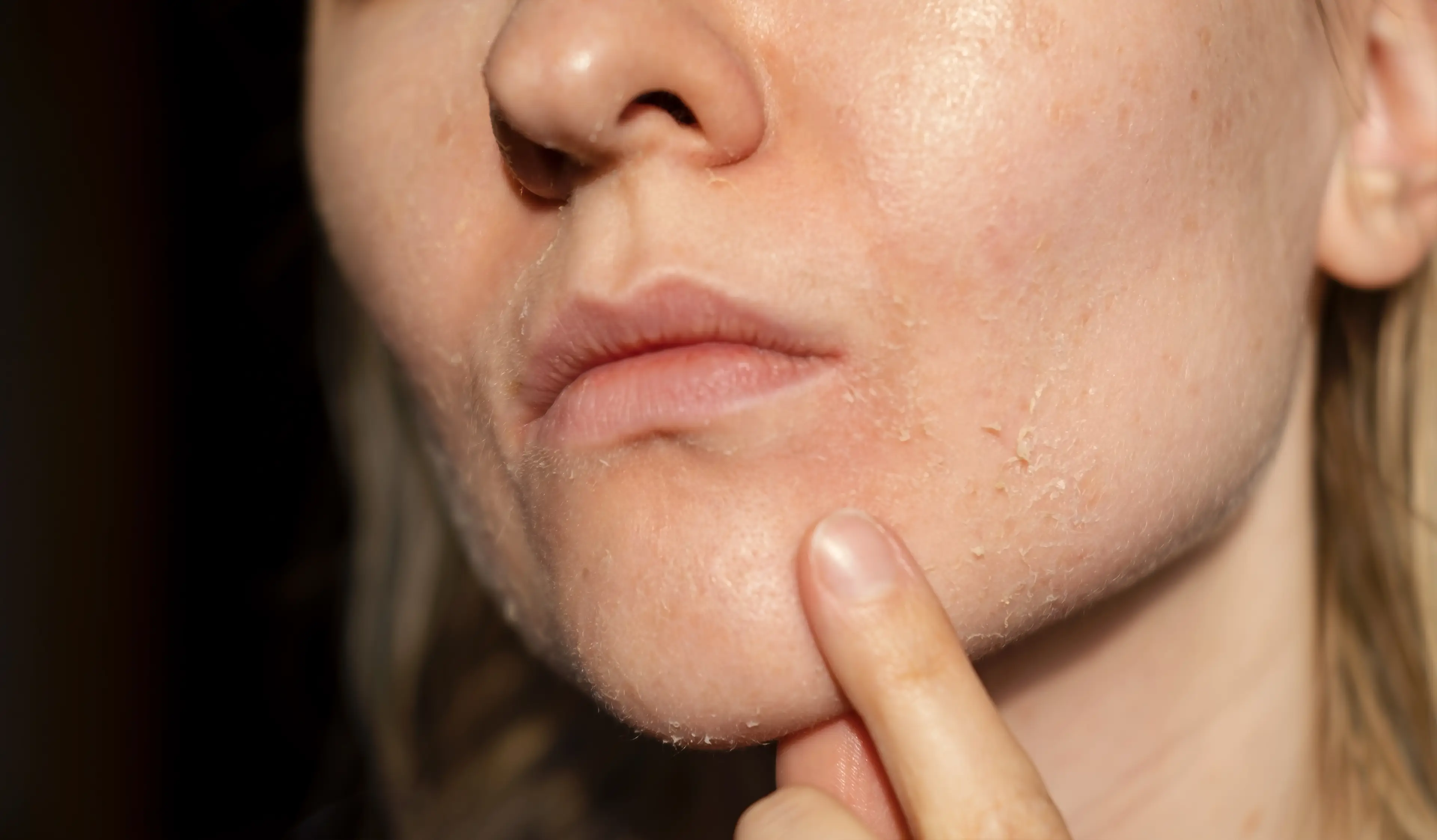
And that's when you can start noticing dryness, tightness, redness and increased sensitivity.
How does a skin barrier become damaged?
Ironically, sometimes trying to improve your skin can be what causes the problem.
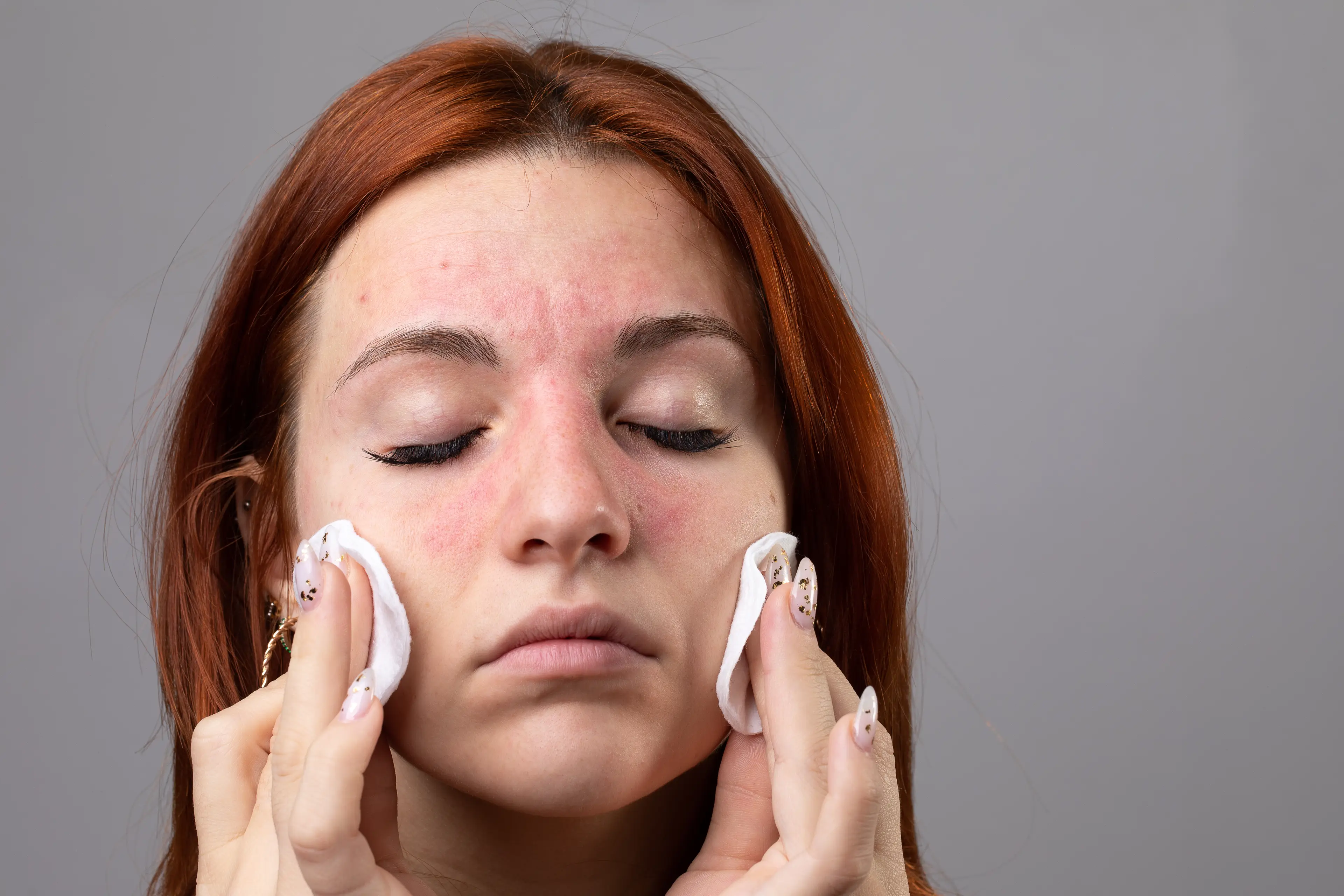
"Overzealous skincare is a frequent culprit," Dr Ho continued, pointing out that layering too many active ingredients, harsh or stripping cleansers, and over-exfoliation could erode the skin's protective lipid 'mortar'.
Read more: Glazed donut skin and skin flooding: Do they work?
So, if your routine currently involves multiple acids, retinoids, exfoliating products and serums all fighting for attention, your skin might not necessarily thank you for it.
There's also the risk of sun exposure contributing to barrier damage over time, with UV radiation degrading barrier lipids and collagen.
Other factors, meanwhile, include low humidity, ageing - as ceramide production declines over time - and underlying skin conditions such as eczema.

Can you tell if your skin barrier is damaged?
Depending on whether you see it as a pro or con, the signs of a damaged skin barrier can be fairly easy to spot.
"A damaged barrier typically shows as dryness, flaking, tightness, redness, or increased sensitivity and breakouts," says Dr Ho, adding that once you've removed the irritant and switched to a gentle, hydrating routine, these symptoms should gradually settle.
He pointed out, however, that you might still experience some mild dryness or tightness while the lipid matrix rebuilds, but there is one important thing to watch out for.
"The skin should not get progressively worse," Dr Ho said. "If redness, stinging or irritation is worsening rather than improving, stop the current routine and seek medical review, as this suggests ongoing irritation rather than normal healing."
Are there ways to repair a damaged skin barrier?
The good news is that you don't necessarily need to buy another 15 products to fix it.
Dr Ho says barrier repair rests on three principles - 'rehydrate, replace lipids, and remove the irritant causing the damage'.
He advises starting with the application of a gentle, non-stripping cleanser, before adding a light moisturiser to slightly damp skin twice a day.
When it comes to moisturiser, Dr Ho recommends looking for one containing ceramides, ideally alongside cholesterol and fatty acids.
Together, these help replenish that lipid 'mortar' we talked about earlier, which resides between your skin cells.
You can also apply a humectant such as hyaluronic acid or glycerin first to draw water into the skin, before sealing it in with a ceramide moisturiser.
Dr Ho cautions against leaving humectants as the final step in dry conditions, however, as they can draw moisture out of the skin if they're not sealed in.
Oh, and don't forget the SPF, which our medic says is 'essential, both to prevent further damage and to support repair'.

How long does it take to repair your skin barrier?
Unfortunately, there isn't a magic overnight fix.
According to Dr Ho, it depends on the severity of the damage and what caused it in the first place.
"Mild disruption from over-exfoliation or a new reactive product often settles within days to two weeks once the irritant is withdrawn and hydration is restored," he explained. "Moderate barrier damage typically takes two to four weeks, in line with the skin’s natural turnover cycle."
More serious or chronic disruption - such as long-term overuse of active ingredients, cumulative sun damage or an underlying skin condition - can take six to 12 weeks or longer.
And your age can make a difference, too.
Dr Ho noted: "Repair also slows with age, as epidermal turnover lengthens from roughly 28 days in young skin to 40 to 60 days or more in older skin."
Skin products to avoid during barrier repair
This is where it can be tempting to panic-buy another 'barrier repair' product, but Dr Ho says it's essential to slim down your routine.
Pause anything that could potentially irritate your skin, including retinoids, exfoliating acids such as AHAs and BHAs, vitamin C serums, physical scrubs and heavily fragranced products.
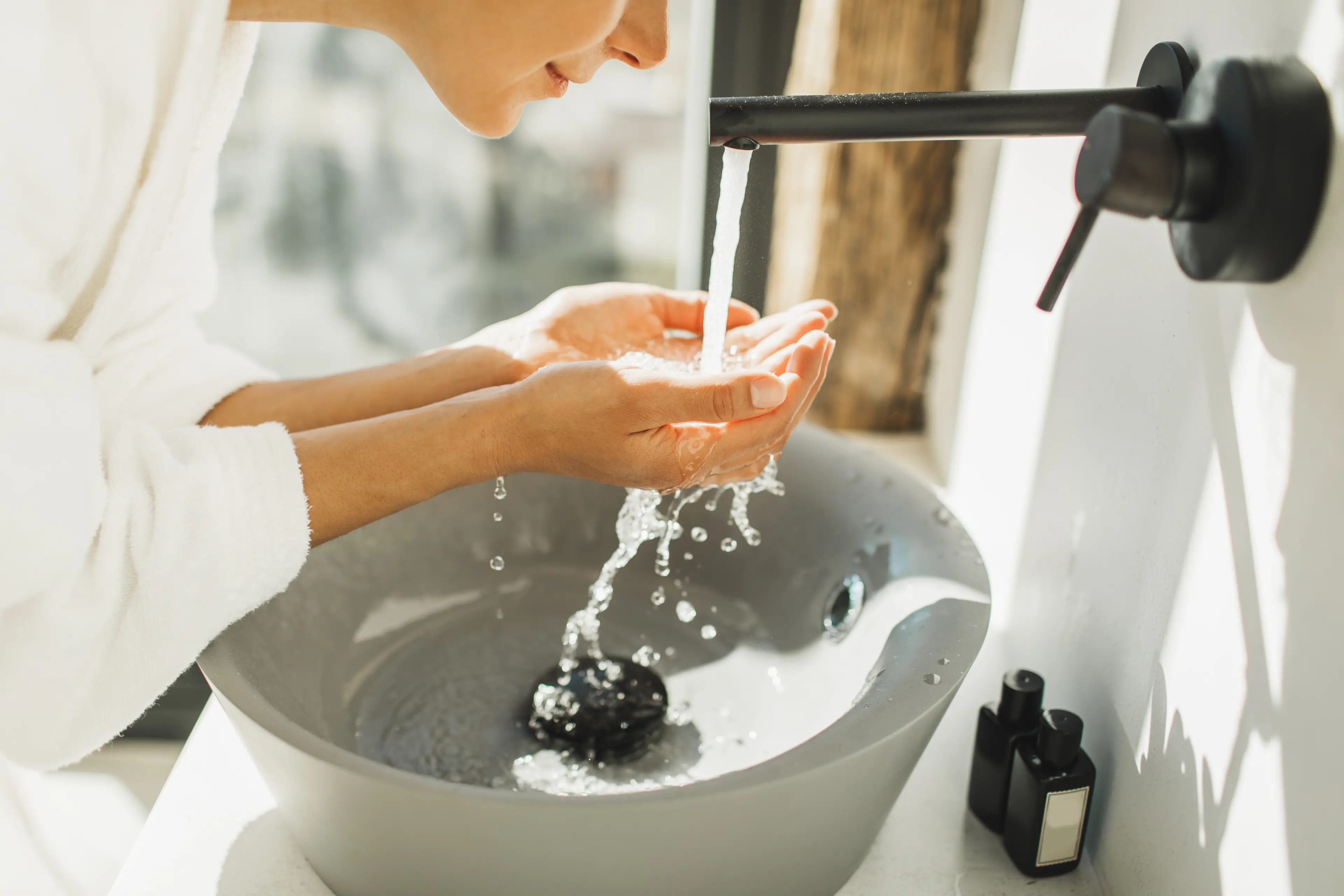
Hot water and over-cleansing should also be avoided, as these can strip away even more of the skin's protective lipids.
Instead, he says to focus on the basics - a gentle cleanser, a ceramide-based moisturiser and daily SPF.
Once your skin has settled, reintroduce active ingredients one at a time and gradually, rather than throwing everything back into your routine at once.
 Rhianna Benson