
How long does it take to repair your skin barrier: A dermatologist's guide

At the moment, the world of skincare feels pretty overwhelming - it seems like there are a million terms floating around, as well as the never-ending stream of products we ‘need to buy’.
From ‘glass skin’ to ‘slugging,’ there are heaps of Gen Z trends that have done the rounds this year alone.
However, it turns out there is such a thing as ‘too many products’, which can lead to something called a damaged skin barrier.
If your TikTok For You Page looks anything like mine, you’ll have seen all of the videos popping up, warning you of what to do and not to do when it comes to your barrier, and it can be hard to separate the facts from the noise.
Advert
So, Tyla spoke to dermatologists to find out everything you need to know about your skin barrier, including how you can tell if it’s damaged, what to do if it is, and how long the process will take.

What is your skin barrier?
Dr Susie Gawler, Acne and Skin Lead at Boots Online Doctor, explained to Tyla that the skin barrier is the ‘skin’s outermost layer, responsible for keeping moisture locked in, and providing protection against external irritants and infections’.
She added: “When the skin barrier is disrupted, the skin can become dry, tight, flaky, red and more sensitive than usual, and is at greater risk of infection.”
While Dr. Anna Andrienko, Dermatologist & Aesthetic Doctor at Dr Ducu Clinics outlined that. When the barrier is damaged, ‘the skin loses water more easily and becomes more vulnerable to irritation’.
Read more: Skin barrier repair on a budget: affordable skin barrier repair under £15
As per Healthline, the outermost layer is called the stratum corneum, which some people describe as a ‘brick wall’.
It’s made of tough skin cells known as corneocytes that are bound together by mortar-type lipids.
Inside the skin cells, you’ll find keratin and natural moisturizers, while the lipid layer contains cholesterol, fatty acids, and ceramides.

How does your skin barrier get damaged?
There are a number of ways your skin barrier can get damaged, ranging from the environment around you to the types and amounts of products you’re using.
Dr Gawler said: “Over-exfoliating, using harsh products, cleansing too frequently, very hot water and dry weather can all contribute to skin barrier disruption. Introducing too many ingredients into a skincare routine at once can also trigger irritation.”
Harsh or fragranced products and skin conditions such as eczema can also affect your barrier.
Cleveland Clinic outlines that the symptoms of a damaged skin barrier include:
- Acne.
- Dry, scaly and/or flaky skin
- Infection
- Inflammation and irritation
- Itchiness
- Rough patches
- Stinging, especially when you apply skincare products
- Tenderness or sensitivity

How can you repair your skin barrier and how long does it take?
Dr Gawler advised that if your skin barrier feels compromised, the best approach is to ‘simplify rather than add more products’.
The skincare expert said: “Use a gentle cleanser and moisturiser, ideally choosing fragrance-free products formulated for dry or sensitive skin. Ingredients such as ceramides can also help support the skin barrier.
“Daily broad-spectrum SPF is important too, as UV exposure can further stress the skin.”
As for how long it takes, it’s not quite a simple question.
Dr Andrienko explained: “There isn't one exact timeframe because it depends on how damaged the skin is and what caused it in the first place.
Read more: Adult acne: why it happens and what actually helps
“Mild irritation can improve within a few days, while a more significantly disrupted barrier may take several weeks to settle. The important thing is to be consistent rather than constantly changing products in the hope of seeing an immediate result.”
Dr Gawler agreed: “It depends on how disrupted the barrier is and what caused the damage. With mild irritation, you may notice improvements within a few days after removing the trigger and supporting the skin.
“More significant disruption can take several weeks to settle, so consistency is more important than looking for a quick fix.”
She advised: “As the barrier recovers, symptoms such as dryness, tightness, redness, flaking and sensitivity should gradually improve. If these symptoms persist or worsen, it is worth speaking to a healthcare professional, as conditions such as eczema, rosacea or contact dermatitis can cause similar symptoms and may need specific treatment.”
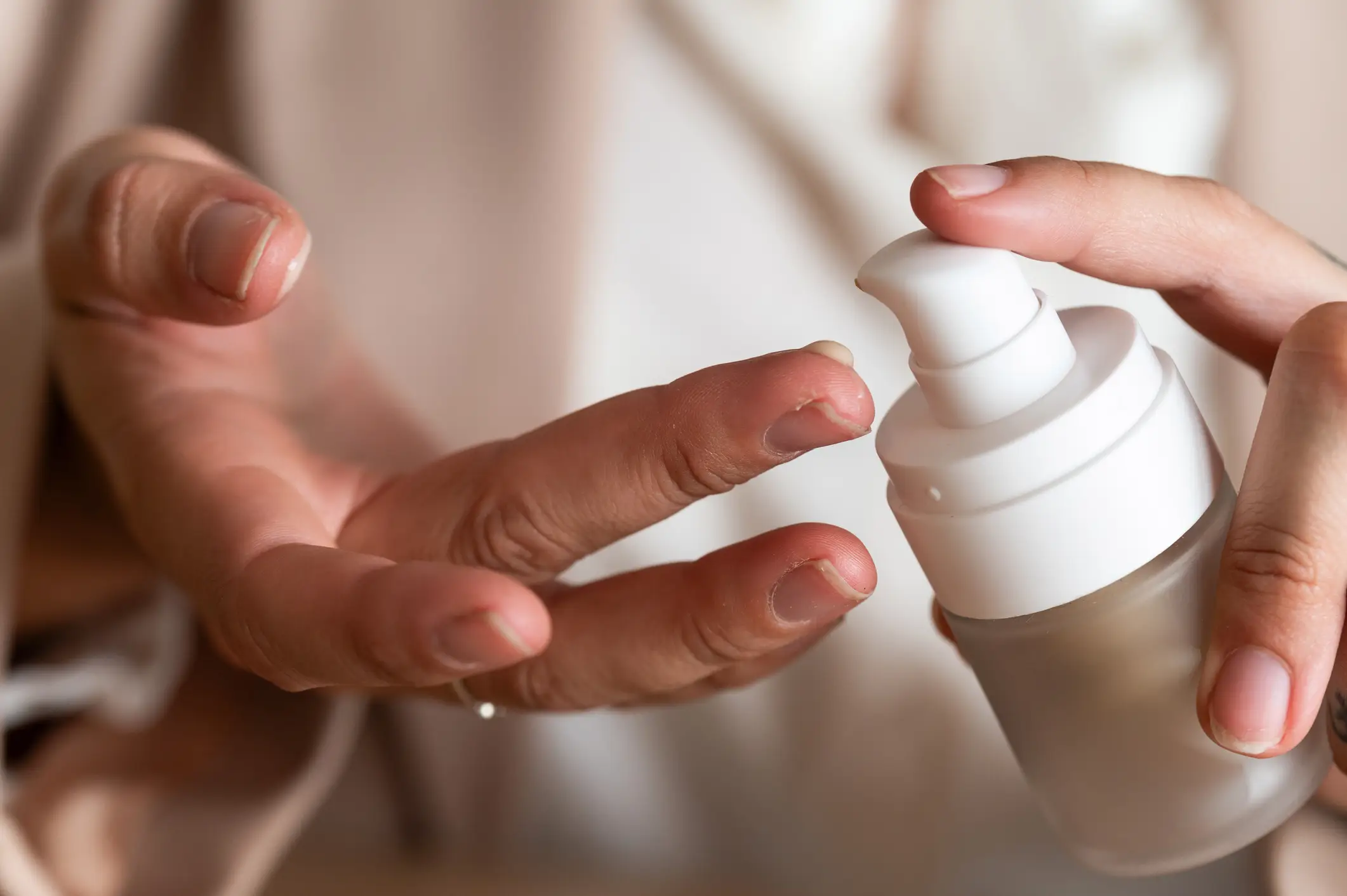
Products to avoid while repairing your skin barrier
As for what to avoid, Dr Gawler advises staying away from products or treatments that cause ‘skin tightness, stinging or burning, particularly strong exfoliating acids, scrubs, peels and other potentially irritating ingredients’.
She added: “If you regularly use a cosmetic product that contains a retinoid, you may also need to pause or reduce its use until your skin has settled.
“It’s also best not to introduce lots of new products at once, as this can make irritation worse and make it harder to identify what’s causing problems.”
Skin barrier myths debunked
As we say, there’s a lot of noise out there when it comes to skincare, especially on social media, and not all of it is true.
Dr Gawler explained: “A common misconception is that skin needs to feel ‘squeaky clean’ after cleansing. In fact, that tight feeling can be a sign that the skin has been stripped of some of its natural oils.
“Another is that one ‘barrier repair’ product can fix the problem overnight. A moisturiser can support recovery, but removing the cause of the irritation is equally important.”
While Dr Andrienko added: “One common misconception is that you need a complicated routine with lots of different products to repair your skin. Often, the opposite is true. Keeping things simple and giving the skin time to recover can be much more helpful.
“Another misconception is that some stinging or burning means a product is working. Irritation isn't something you need to experience for a skincare product to be effective.”
 Madison Burgess