The combined oral contraceptive pill and your skin: what nobody tells you

From hormonal acne to dryness, sensitivity and pigmentation, the combined oral contraceptive pill can affect your skin in ways you might not expect
If you’ve ever started taking the combined contraceptive pill and suddenly noticed your skin behaving differently, you’re not imagining things.
While the pill is often talked about in relation to periods, pregnancy prevention and hormones, its potential impact on your skin can be a little less obvious.
For some women, the combined pill can help clear hormonal acne. For others, it can bring changes including dryness, sensitivity or pigmentation.
Advert
So, what exactly is going on?
Tyla spoke to women’s health expert and advanced aesthetics doctor Dr Shirin Lakhani about how the combined oral contraceptive pill can affect your skin, why some formulations may help acne and what to do if your complexion starts playing up after changing contraception.
How does the combined contraceptive pill affect your skin?
According to Dr Lakhani, it all comes down to hormones.
"The combined oral contraceptive pill can have a significant impact on your hormones, which in turn can impact your skin. For some women, it can have a negative impact on their skin, whereas for others, it can actually have a positive effect, particularly if they’ve experienced hormonal acne. Others may notice changes such as increased dryness, sensitivity or pigmentation," she explains.
Read more: Adult acne: why it happens and what actually helps
"Certain combined pills can reduce the effect of androgens on the skin, which can decrease sebum production and, in turn, reduce blocked pores and inflammatory breakouts. This is why the combined pill is sometimes prescribed as part of an acne treatment plan."
In other words, the same medication can affect different people in very different ways.
Why can the pill help hormonal acne?
Without getting too science-y, hormonal acne is often linked to androgens, hormones that can increase oil production in the skin.
More oil can contribute to blocked pores, which can then lead to spots and inflammatory breakouts.
The combined contraceptive pill contains both oestrogen and a progestogen, and these hormones can influence the activity of naturally occurring androgens, which can have a knock-on effect on sebum production.
Read more: Skin barrier repair on a budget: affordable skin barrier repair under £15
Dr Lakhani explains: "Combined pills contain oestrogen and a progestogen, and these hormones influence the levels and activity of naturally occurring androgens, which can reduce the skin’s sebum production. This can lead to less clogged pores and therefore less acne.
"Oestrogen can increase a protein called globulin, which binds to circulating testosterone and reduces the amount of free testosterone available to act on the skin. This can mean less stimulation of the sebaceous glands and therefore less oil production."
That reduction in oil can mean fewer clogged pores and, for some people, fewer breakouts.
It’s one reason the combined pill may be used as part of an acne treatment plan.
Can the pill make acne worse?
The short answer is: potentially.
There isn’t one universal reaction to the contraceptive pill, and different formulations contain different types of progestogen.
Dr Lakhani says: "However, not every progestogen behaves in exactly the same way, so different formulations can have different effects on the skin. This is why for some people, the combined pill can help their acne, whereas for others it can actually make it worse."
That means noticing spots after starting or switching the pill doesn’t necessarily mean something has gone wrong. Your individual response to the hormonal changes matters, as does the specific formulation you’re taking.
If your acne becomes persistent or particularly troublesome after starting contraception, speak to a healthcare professional rather than stopping or switching your contraception without advice.
Other than acne, some women may notice their skin feels drier or more sensitive while others may see changes in pigmentation.
These changes can be frustrating, particularly if your skin was previously behaving itself.
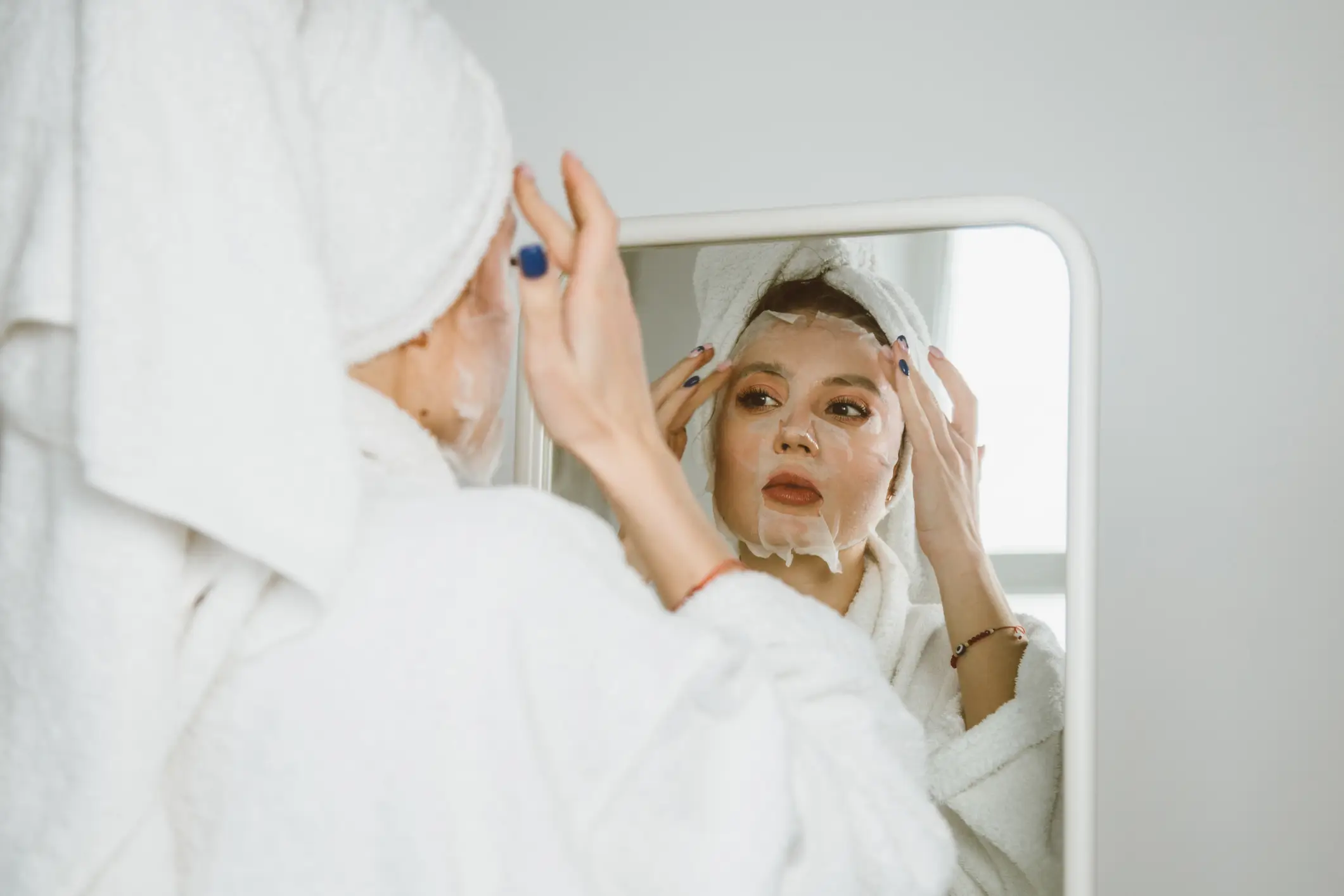
How long does your skin take to adjust to the pill?
If your skin changes after starting or switching contraception, try not to freak out immediately.
Dr Lakhani says: "If you're experiencing changes in your skin after starting or switching contraception, don't immediately panic, as your skin may just need some time to adjust to the hormonal changes. This can take several weeks or months to settle.
"Try not to adjust your skin care routine during this time so that you’re not blaming the pill for the change in the skin when it could be due to a change in products.’
That last bit is particularly worth remembering."
It can be tempting to respond to a sudden breakout by throwing every new serum, cleanser and exfoliant at your face.
Unfortunately, your skin may not appreciate such experimenting.
Keeping your skincare routine consistent while your skin adjusts can make it easier to work out what's actually causing the change.
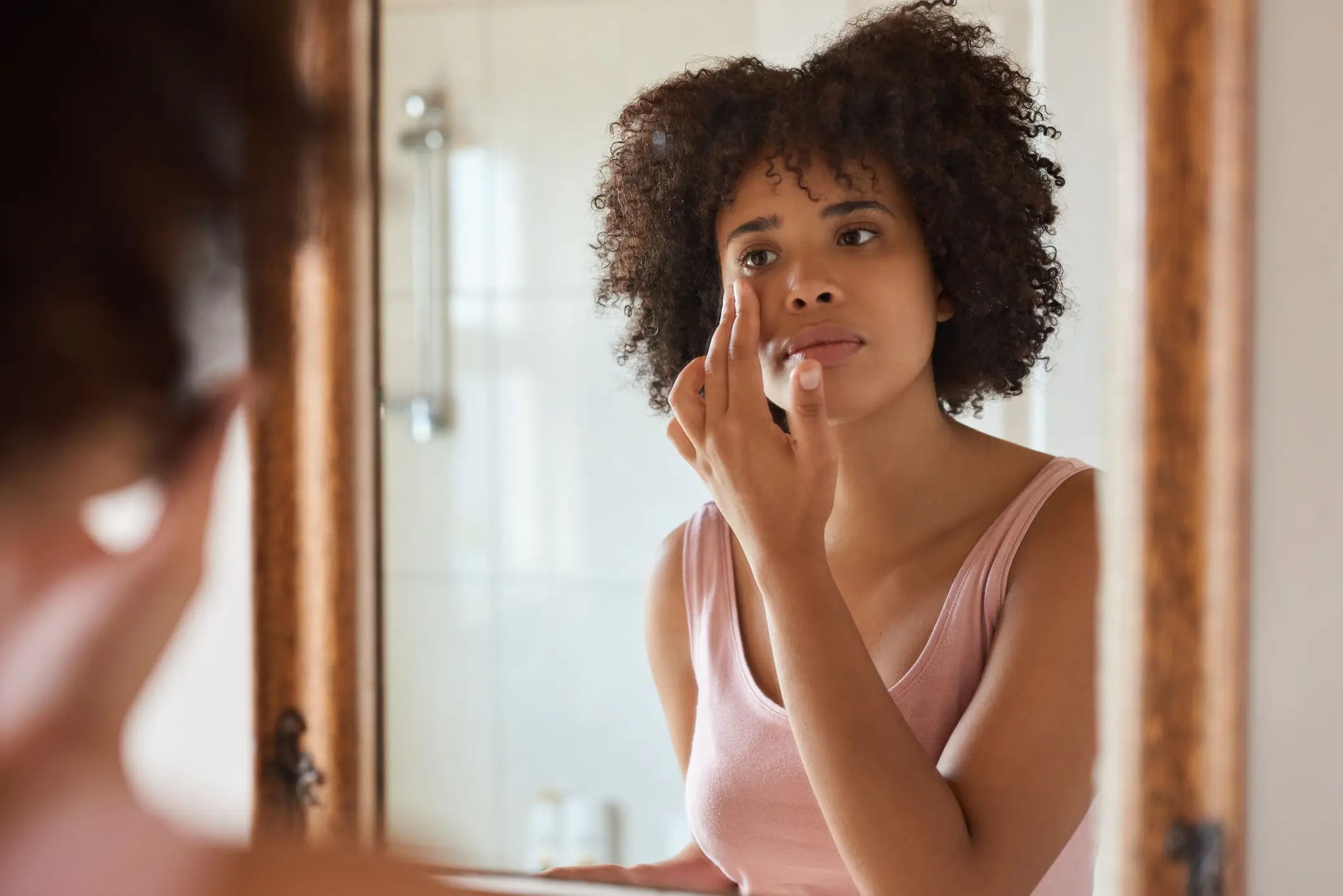
The bottom line on the pill and your skin
The combined oral contraceptive pill can affect your skin because it changes the hormonal environment in your body.
For some women, that can mean fewer breakouts and an improvement in hormonal acne. For others, it may mean acne, dryness, sensitivity or pigmentation changes.
There’s no single skincare outcome that applies to everyone, and the type of pill can matter too.
 Rhiannon Ingle