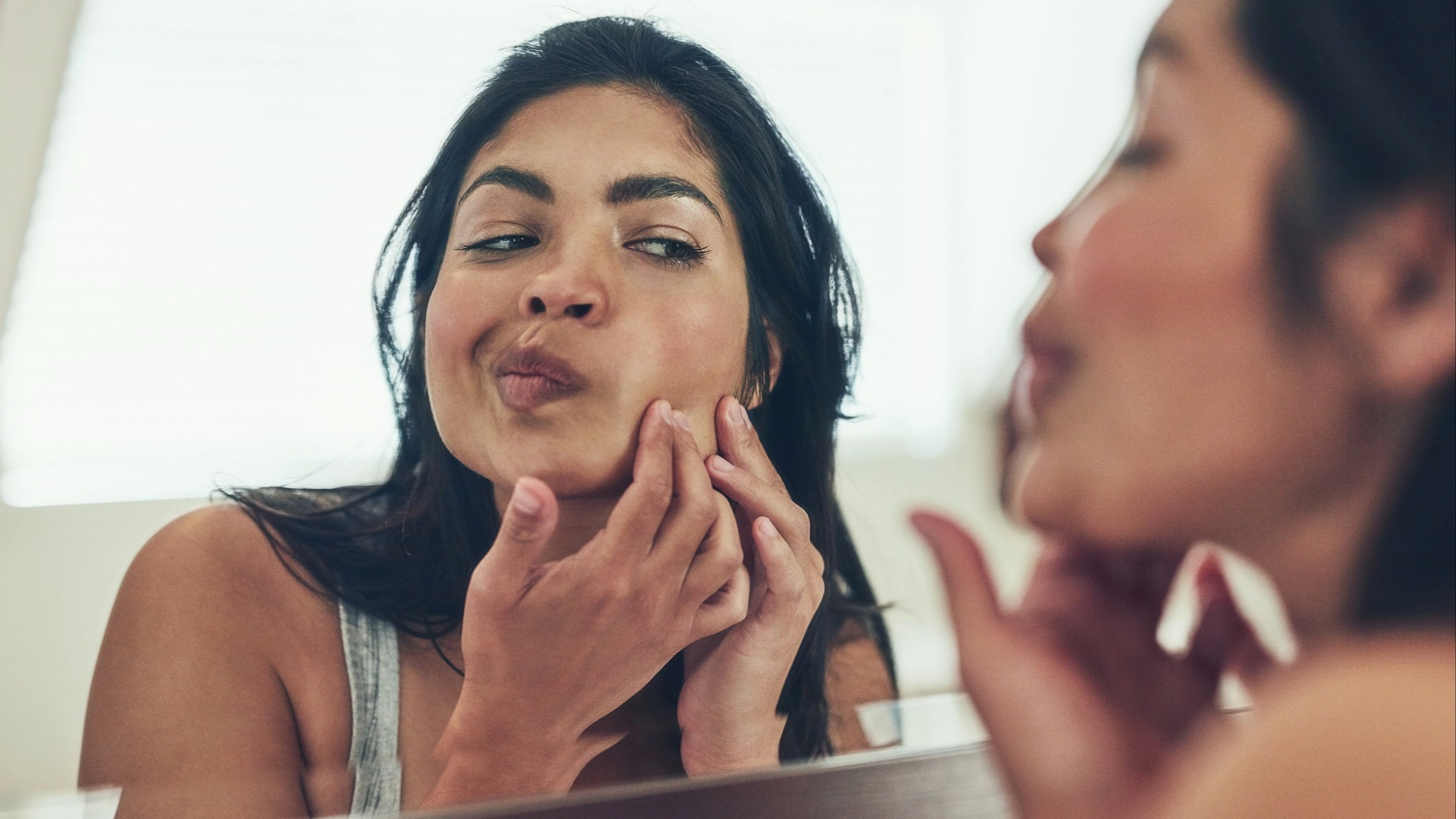
Adult acne: why it happens and what actually helps

As a teenager, I tried absolutely everything to get rid of my acne.
Toothpaste, countless spot creams, cutting out sugar and whatever else the internet claimed was responsible for my breakouts - you name it, I tried it.
But despite being told I would eventually 'grow out of it', my skin didn’t magically clear up when I became an adult.
Instead, I continued to experience hormonal breakouts well into my late twenties.
Advert
The only thing that finally made a difference for me was a year-long course of Isotretinoin (Roaccutane).
And I'm far from alone.
Buy topical treatments below:
- Beauty of Joseon Glow Serum, £10.40 on Amazon
- The Ordinary Azelaic Acid, £21.92 on Amazon
- Medicube Zero Pore Pad 2.0, £23.99 on Sephora
- Medik8 Crystal Retinal 3, £50 on Sephora
According to the NHS, acne affects around 95 percent of people aged 11 to 30. While it tends to calm down with age for many people, for others, acne can continue well into adulthood.
And it's completely normal. But what are the main causes of adult acne and how can you treat it? We spoke to Dr Sabika Karim of Skin Medical to find out more.
Why am I breaking out in my 20s and 30s?
If you also assumed spots were something you would leave behind with your teenage years, discovering a breakout in your twenties or thirties can be difficult.
But adult acne is more common than you think, especially for women during menstruation, pregnancy, perimenopause or menopause.
Contraception and external factors such as stress can also play a role.
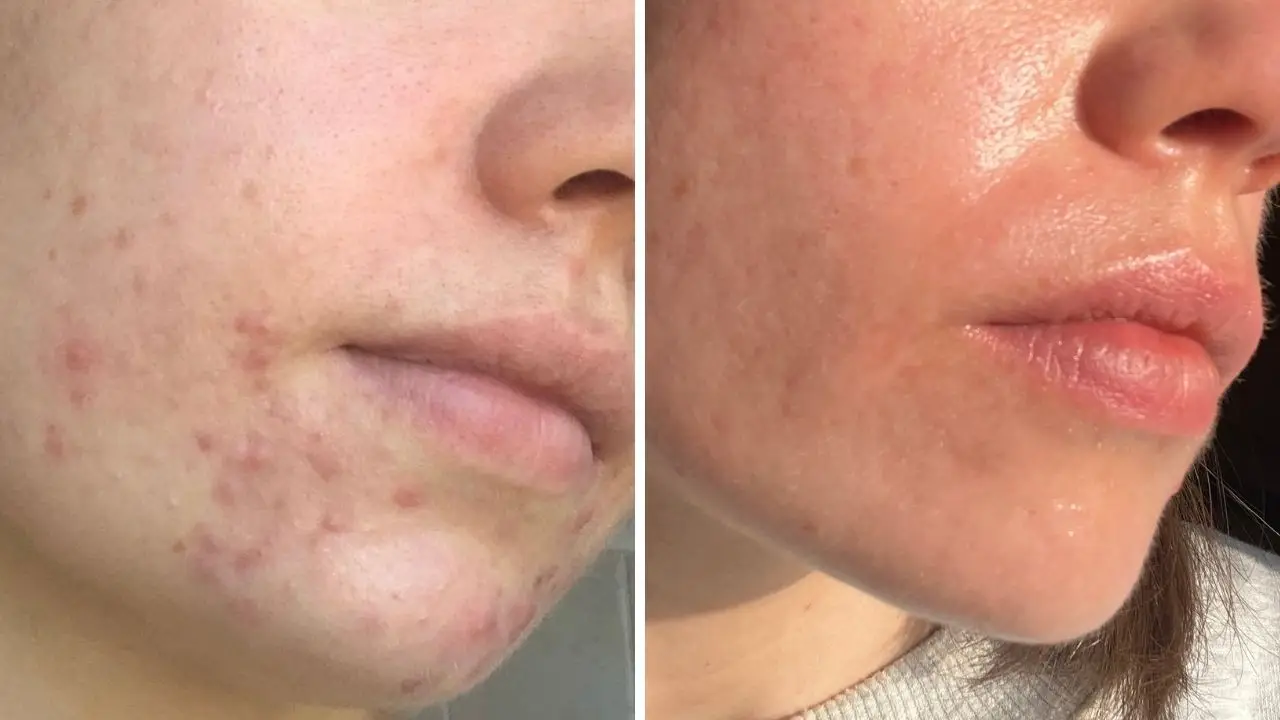
"Acne is an inflammatory condition affecting the pilosebaceous unit, which is essentially the hair follicle and its associated sebaceous, or oil, gland," Dr Sabika Karim of Skin Medical explains.
"The exact triggers of acne vary from person to person, but genetics and hormones are particularly important," she continues. "Some people find their acne becomes worse around menstruation, during pregnancy, perimenopause or menopause, or at times of increased stress.
"Certain medications and skincare or cosmetic products that clog the pores can also contribute. However, it’s important to remember that acne isn’t caused by poor hygiene or simply having 'dirty skin'."
Why adult acne happens: the real triggers
Unfortunately, adult acne isn't straightforward.
Like millions of other women, I discovered that my stubborn spots didn't suddenly disappear when I turned 20, and actually became more difficult to control as I got older.
Part of the problem is that there isn’t always one clear cause. Hormonal changes associated with the menstrual cycle, pregnancy, contraception and perimenopause can all contribute to breakouts, as can conditions such as PMOS.
Read more: La Roche-Posay Cicaplast review: the TikTok balm, tested
"There can be a number of reasons why someone suddenly develops acne in their thirties, but hormonal changes are particularly important in women," Dr Karim explains.
"If someone suddenly develops acne alongside other symptoms such as irregular periods, increased facial or body hair or thinning of the hair on the scalp, I would recommend seeing a doctor. Sometimes the skin is giving us a clue that there may be an underlying hormonal issue, such as PMOS, that needs investigating."
Other external stressors can be responsible, too.
If you have noticed that you only have breakouts now and then, it could be down to stress (androgen production drives sebum overproduction) or lifestyle changes such as the weather or diet.
What actually helps tackle acne, by severity
Once you've identified the type of acne you're dealing with (and what's causing it), you can make an action plan.
Unfortunately, there's no instant cute and most effective acne treatments take several weeks to produce meaningful improvement so consistency is key.
"To treat adult acne effectively, it’s important to assess its severity, pattern and likely contributing factors first," Dr Karim says. "There is no single acne treatment that works for everybody, and persistent or more severe acne often responds best to a combination approach."
Topical treatment
Once you understand what's causing your acne, the best place to start is your skincare routine.
Dr Karim recommends looking into ingredients such as salicylic acid (which helps exfoliate within oily follicles and reduce blocked pores), and retinoids such as retinol, adapalene or prescription tretinoin, which help normalise cell turnover, prevent pores from becoming blocked and reduce inflammation.
Other key ingredients include azelaic acid, which can help acne and post inflammatory pigmentation that spots can leave behind, while niacinamide has anti inflammatory and skin barrier benefits and may also help with sebum regulation.
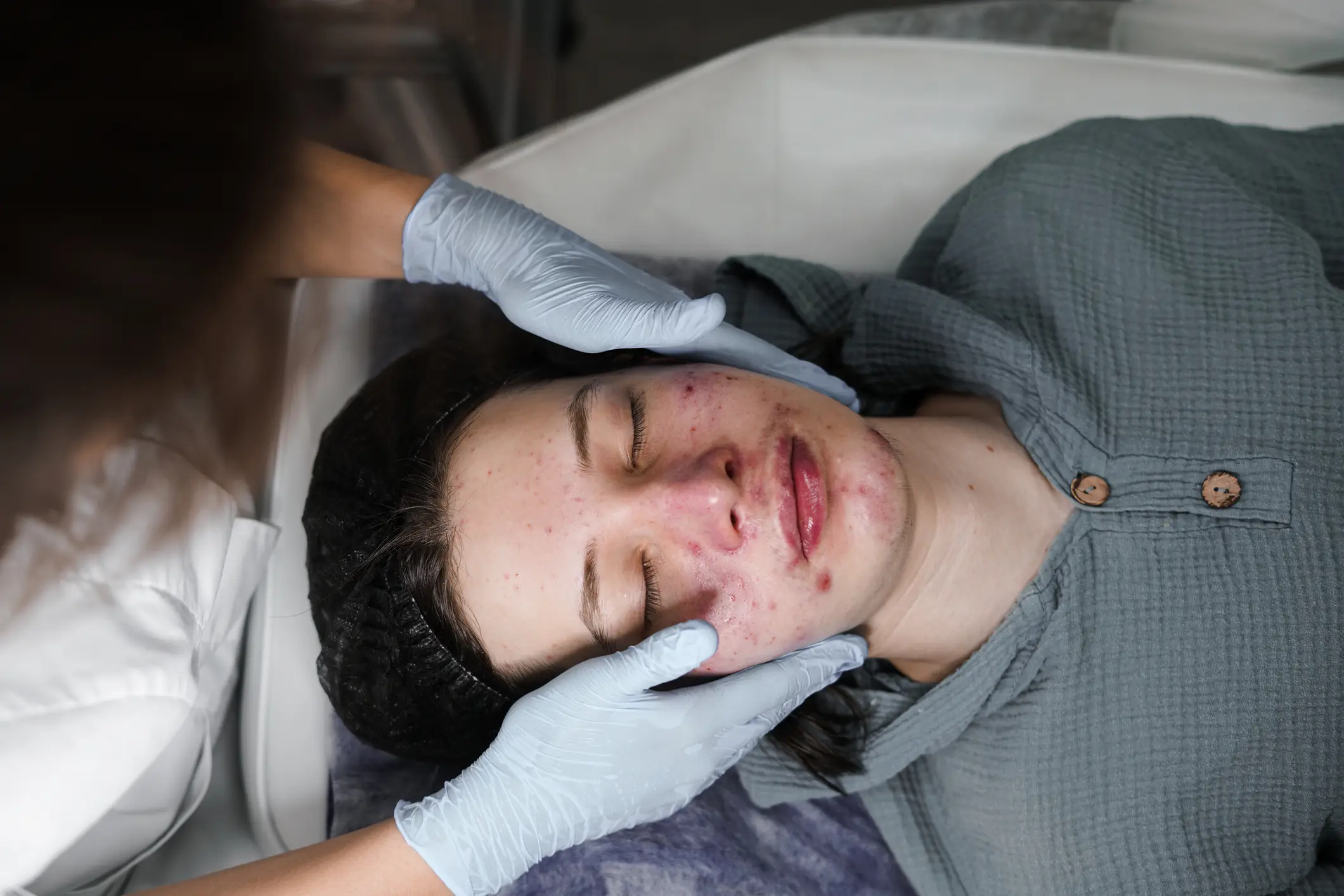
In the clinic, Dr Karim uses treatments such as salicylic acid peels and Dermalux Triwave LED therapy for clients dealing with adult acne.
Buy topical treatments below:
- Beauty of Joseon Glow Serum, £10.40 on Amazon
- The Ordinary Azelaic Acid, £21.92 on Amazon
- Medicube Zero Pore Pad 2.0, £23.99 on Sephora
- Medik8 Crystal Retinal 3, £50 on Sephora
Hormonal acne medication
If you feel like you have tried everything and want to get your acne under control, it might be time to see a dermatologist.
For example, I decided to undertake isotretinoin for six months. It's a big decision and can come with side effects, so it's important to speak to your doctor about the options available first.
"More severe, persistent or scarring acne may require prescription medication," Dr Karim says.
"Depending on the individual, this might include combination topical treatments, a limited course of oral antibiotics alongside appropriate topical therapy, hormonal treatment for suitable women, or Isotretinoin for severe, scarring or treatment resistant acne."
Lifestyle changes
If you have occasional acne or have decided to undergo treatment, Dr Karim emphasises the importance of also maintaining a consistent routine that works for you.
"I recommend gentle regular cleansing, avoiding products that clog the pores, cleaning make-up brushes regularly and eating a balanced diet," she advises.
"There is some evidence that reducing a high glycaemic diet may benefit certain people, but I’m cautious about blaming individual foods because acne is a complex medical condition.
"Persistent acne deserves evidence-based treatment rather than simply adding more and more products to the skin."
When to see a dermatologist
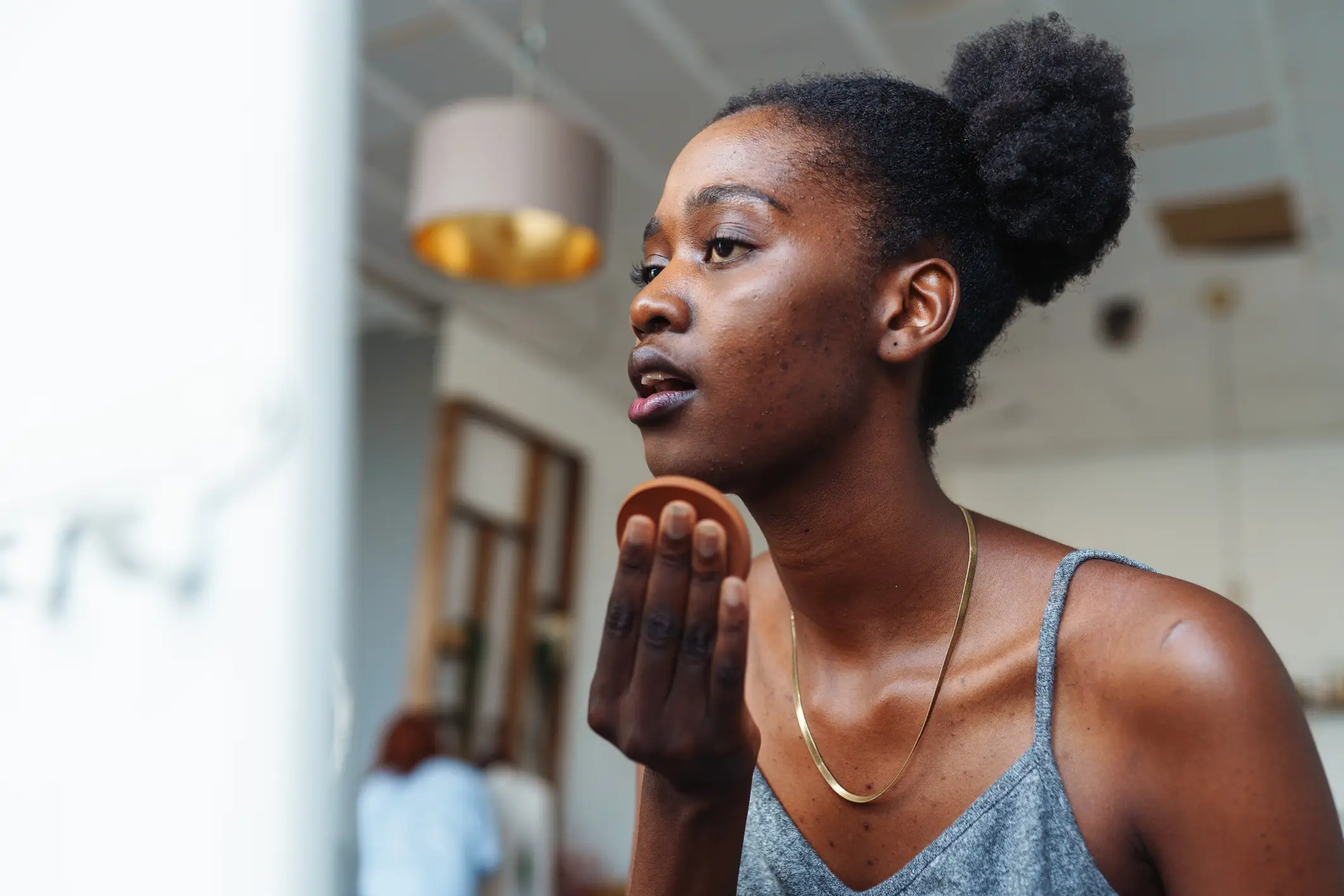
If you have been struggling with persistent acne for a long time and it's impacting your mental health, it might be time to see a dermatologist for advice.
"I would recommend seeking expert advice as soon as acne becomes persistent, troublesome or begins affecting your confidence," Dr Karim advises. "You certainly shouldn't feel that you have to wait until it becomes severe.
"Early treatment is important because while we can treat acne, preventing permanent scarring is much easier than trying to treat scars once they have formed," she continues. "We also shouldn’t underestimate the psychological impact. Acne can have a profound effect on confidence, self esteem and quality of life.
"As with most skin conditions, there is never a one size fits all solution. The key is seeking expert advice and working out what type of acne you have, how severe it is and whether there are underlying contributing factors, and then creating a treatment plan specifically for that individual."
FAQS:
What are the differences between adult acne and teenage acne?
Adult acne usually appears as inflammatory spots around the lower face, particularly on the chin and jawline.
It can be persistent with age and is usually caused by hormonal fluctuations associated with the menstrual cycle, pregnancy, menopause or contraception.
"Adult and teenage acne share the same fundamental biological processes, but the triggers, pattern and persistence can be different," Dr Karim explains.
"Teenage acne is strongly influenced by the hormonal changes of puberty, particularly increased androgen activity, which stimulates the sebaceous glands to produce more oil. Breakouts commonly affect the forehead, nose and cheeks as well as the chest and back.
How to know if it's hormonal acne
Hormonal acne is different to other types of spots because it's caused by hormone changes.
The best way to figure out if you have hormonal acne is to track when spots appear. For instance, is it during the countdown to your period? Is it in the same area?
It's also worth taking note of where the spots appear. Hormonal acne usually shows up on your face, chin and cheeks, but can also appear on your back, shoulders or chest.
Is adult acne normal?
Yes, adult acne is normal and impacts millions of people around the world.
According to the NHS, acne can continue into adult life and about three percent of adults have acne over the age of 35.
It can be caused by hormonal, lifestyle or genetic factors.
Depending on your type of acne, it can usually be treated with topical remedies, dietary changes, contraception or anti-androgen medications.
If you're concerned, please speak to your GP or dermatologist.
 Danielle Fowler