
Do I have acne or a damaged skin barrier? Difference explained by experts

Identifying why your skin is breaking out can feel like trying to find a needle in a haystack - especially if you have a complicated, multi-product routine.
And some conditions share similar symptoms, which can make it even more difficult to know what you’re struggling with.
Red bumps, inflammation, and irritated skin are all signs of both a damaged skin barrier and acne - but how do you know the difference between the two?
Tyla spoke with dermatologists, who have broken down the key distinctions you need to be aware of.
Advert
READ MORE: Skin barrier repair: the complete guide
To explain, your skin barrier is the outermost layer of your skin, which is known scientifically as the stratum corneum, and acts as a protective shield for your body.
It’s responsible for keeping moisture locked in and providing protection against external irritants and infections.
Using harsh products or very hot water, cleansing too frequently, and dry weather can all contribute to skin barrier disruption, as can introducing too many ingredients into a skincare routine at once.
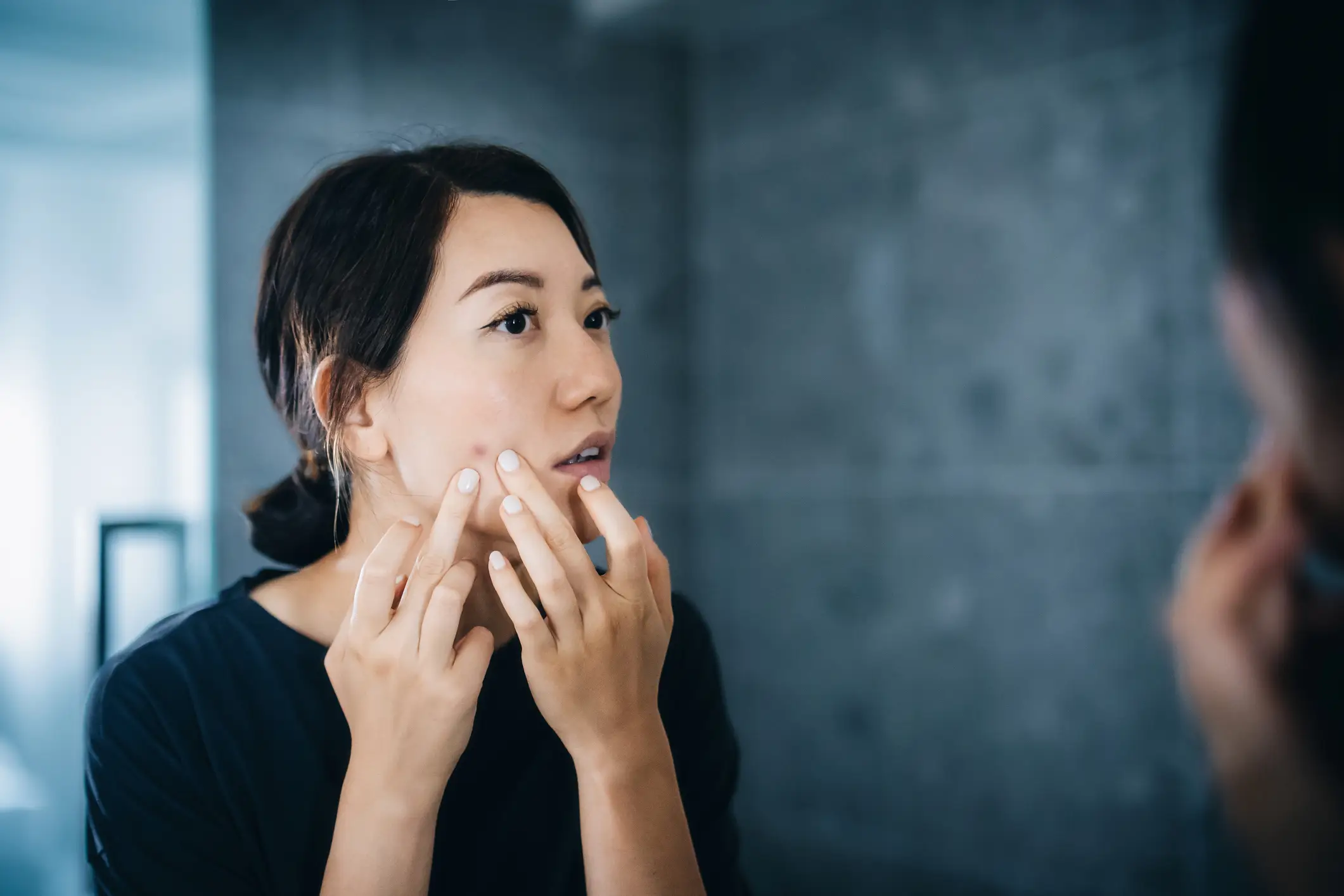
Acne, on the other hand, is a skin condition that occurs when your hair follicles become plugged with oil and dead skin cells.
Highlighting the links between the two, Dr. Anna Andrienko, Dermatologist & Aesthetic Doctor at Dr Ducu Clinics, explains to Tyla: “Acne and a damaged skin barrier can sometimes look very similar, particularly when the skin is red, bumpy or inflamed.
“However, there are a few key differences that can help you understand what may be happening.”
Acne produces more ‘defined lesions’
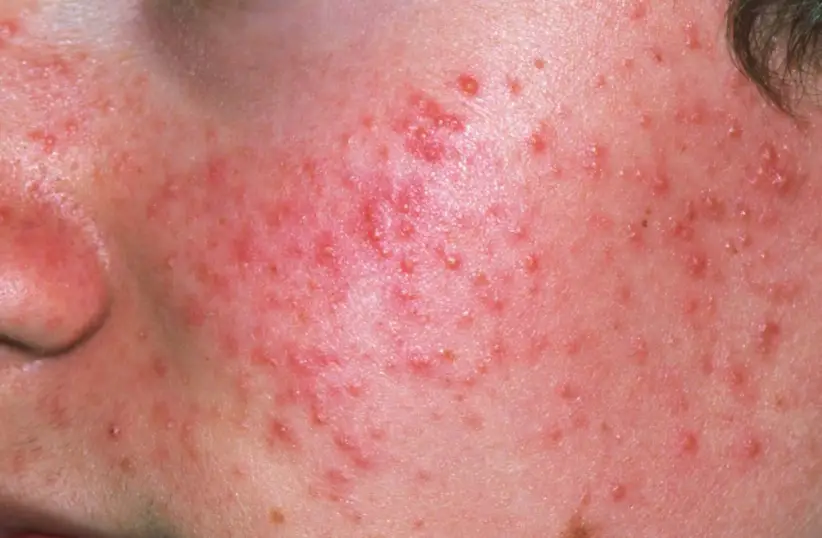
She advises: “Acne tends to produce more defined lesions, such as blackheads, whiteheads, inflamed spots or deeper, sometimes painful lumps beneath the skin.
“Breakouts may also occur repeatedly in familiar areas, such as the chin, jawline, cheeks or forehead.”
A damaged skin barrier, however, often ‘presents differently,’ and rather than distinct spots, the skin may instead develop ‘lots of small bumps alongside redness, dryness or a rough texture’.
Dr Andrienko continues: “One of the biggest clues is how the skin feels. If your skin is stinging, burning or feeling unusually tight, particularly after cleansing or applying products you would normally tolerate, this may suggest that the skin barrier has become compromised.”
The conditions can co-exist
Dr Susie Gawler, Acne and Skin Lead at Boots Online Doctor, agreed that the two conditions are ‘more closely connected than they might first appear’ and can actually influence each other.
The expert explained: “A disrupted skin barrier can contribute to skin inflammation (and skin conditions such as eczema, rosacea and acne), while acne itself - and some of the treatments used to manage it - in turn can cause irritation and disruption to the skin barrier.
Read more: Adult acne: why it happens and what actually helps
“Acne is characterised by blocked pores and inflammation, including blackheads and whiteheads, red or inflamed spots and, in some cases, deeper, painful lumps beneath the skin. Increasingly, it’s thought that skin barrier dysfunction can be a contributing factor to this process.”
Dr Andrienko agrees: “It is also important to consider what has changed in your skincare routine. Over-cleansing, excessive exfoliation, and using too many active ingredients, such as acids or retinoids, can irritate the skin and disrupt the barrier. Someone trying to aggressively treat acne may therefore unintentionally cause barrier damage, which can make the skin appear even more inflamed and reactive.”
What to do if you’re still unsure
If you’re still struggling to work out whether you’re dealing with acne, a damaged skin barrier, or both, there are a number of steps you can take.
Dr Andrienko suggests ‘simplifying your skincare routine and avoiding unnecessary exfoliation or multiple active ingredients until the skin has settled’.
She adds: “Focus on gentle cleansing, moisturising and supporting the skin's natural barrier.
“However, persistent, painful or widespread breakouts should always be assessed by a qualified dermatologist. Not every bump or breakout is acne, and an accurate diagnosis is important before introducing stronger treatments.”
READ MORE: I wrecked my skin barrier with acne treatment - this £16 La Roche-Posay Balm fixed it
Dr Gawler explains that it’s important to ‘pay attention to how your skin feels while treating acne’ as treatments can be irritating or drying, especially when you’ve just started using them.
She explains: “Side effects often settle as your skin gets used to the treatment, and a gentle skincare regime can help protect and repair your skin barrier during this process.
“However, persistent dryness, tightness, soreness, flaking or unusual sensitivity, as well as stinging or burning when applying products you would normally tolerate, can indicate that your skin barrier has become disrupted.
“This can happen when multiple active ingredients are used together, the skin is over-exfoliated, or treatments are introduced too quickly.”

If your skin is becoming increasingly irritated while you are trying to treat acne, it’s worth ‘reassessing which products, and how many, you are using’.
Simplifying your routine is always a good first step, as is focusing on gentle cleansing, moisturising and sun protection to help your skin barrier.
Dr Gawler adds: “You can help protect your skin barrier by sticking to gentle cleansers, avoiding over-exfoliation and applying a non-comedogenic moisturiser (one that won’t clog pores) regularly.
“Barrier-supporting ingredients such as ceramides, glycerin and hyaluronic acid can help improve hydration and support the skin's natural barrier, which may be particularly beneficial in acne-prone skin and during acne treatment.”
She concludes: “It is key to pay attention to the overall condition of your skin and whether your skincare routine is helping to protect your skin barrier and manage any skin conditions. Looking after your skin barrier can help support skin health and help you achieve better acne control.”
 Madison Burgess