Eight core human rights Afghanistan's women have lost since Taliban takeover

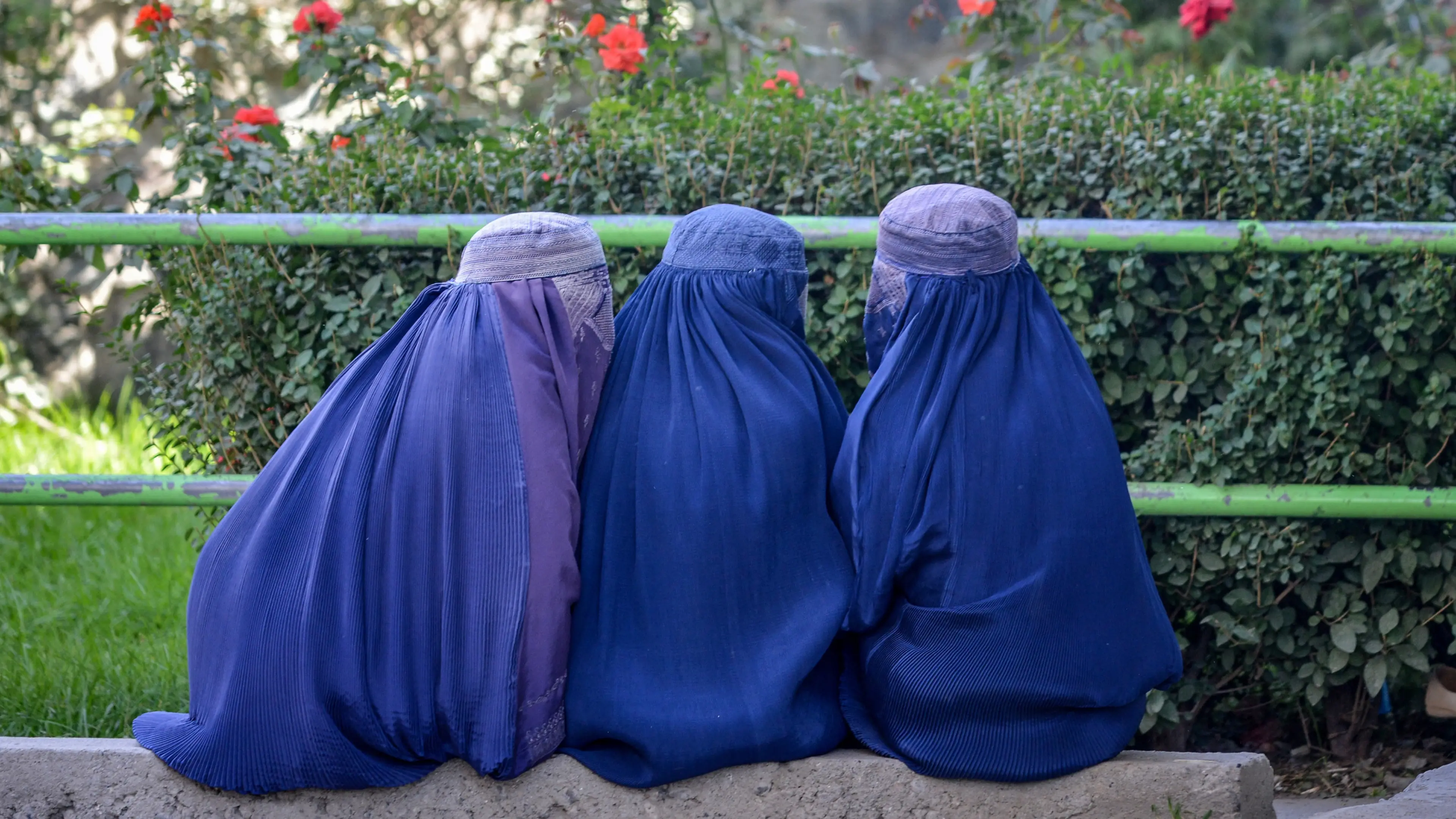
Afghanistan has reached five years under Taliban rule, which has seen the rights of women and girls systematically stripped back.
New data from UN Women has found that more than 100 decrees targeting women and girls have been issued since the Taliban returned to power in August 2021, affecting everything from education and employment to healthcare, movement and access to justice.
The UN has described Afghanistan as a 'global outlier with no parallel in the modern world', warning that the exclusion of women and girls has intensified over the past year.
Here are some of the biggest rights and freedoms Afghan women have lost or seen severely restricted.
The right to equal treatment under the law
Women are no longer legally equal to men in Afghanistan.
Advert
Decree No. 12, issued in January 2026, formally removes equality between men and women before the law.
UN Women says it places husbands in a position of authority over their wives and makes it harder for women to seek protection or justice.
The right to protection from domestic violence
Women facing abuse have also seen their legal protections dramatically weakened.
Under Decree No. 12, domestic violence is only criminalised in limited circumstances involving severe, visible physical injuries.
A woman must also be able to prove the abuse before a male judge, while accompanied by a male guardian.
The UN has warned that the decree 'authorises violence against women by allowing punishments – including physical violence – to be carried out by husbands in the home'.
The same decree can punish a woman for going to her father's home without her husband's permission, while a man who severely beats his wife can face just 15 days in prison if the required evidence is proven.
The right to leave a marriage on equal terms
Women have also been left with fewer options when trying to separate from their husbands.
Decree No. 18, published in May 2026, sets out rules for judicial separation. While men retain a unilateral right to divorce, women must navigate more complicated legal routes to leave a marriage.
UN Women said: "Decree No. 18, issued by the de facto authorities in Afghanistan, is another serious development that will further undermine the rights and safety of Afghan women and girls."
The decree also contains provisions around child marriage and sets no minimum age for marriage, according to UN Women.
The right to education
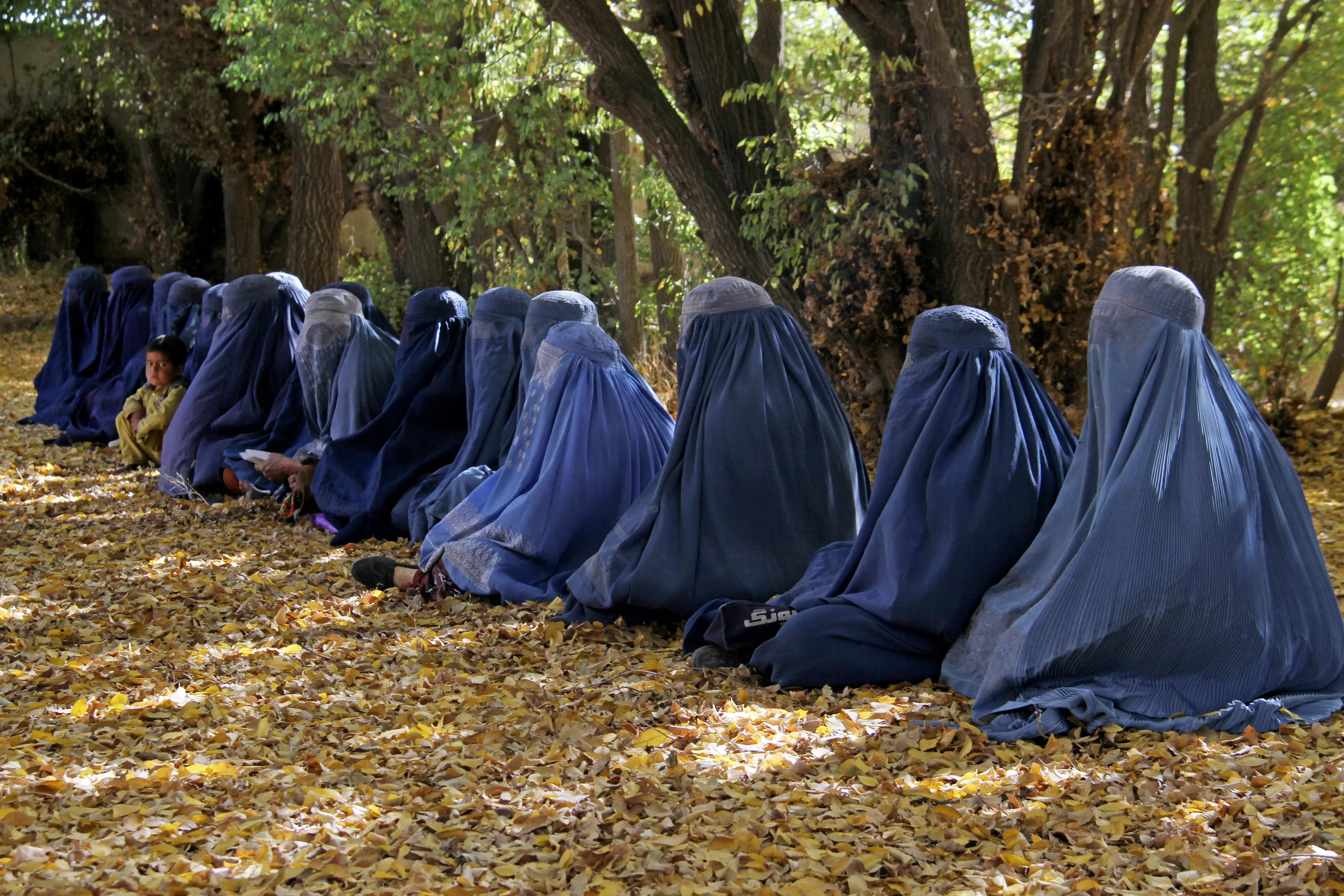
Girls in Afghanistan are still banned from attending secondary school, while women remain excluded from university.
Afghanistan is currently the only country in the world enforcing a systematic ban on girls' secondary education and women's university education.
And the consequences stretch far beyond the classroom as UN Women warns that Afghanistan could lose more than 25,000 female teachers and health workers by 2030 if current restrictions continue.
The right to work and earn an income
Women's participation in the labour market has also been severely restricted.
UN Women data cited in its fifth-anniversary report shows that just seven percent of women are employed, compared with 84 percent of men.
The economic impact is huge, with the continued exclusion of women projected to cause cumulative losses of around $920 million between 2024 and 2026.
Women working for NGOs have faced additional restrictions, making it harder for aid organisations to provide services to women and girls.
The freedom to move around freely
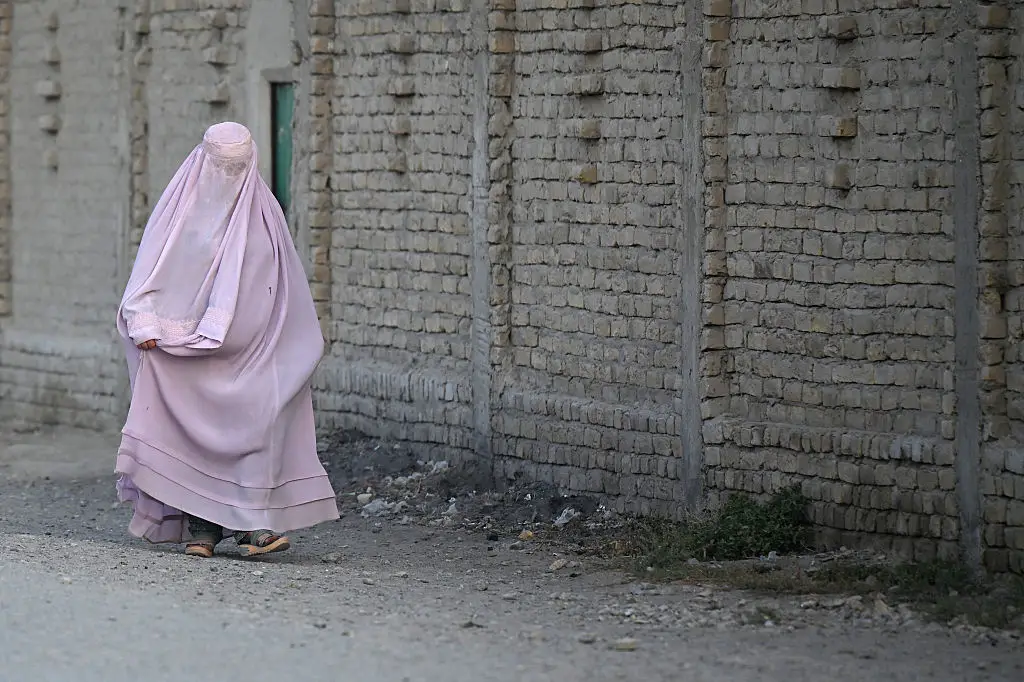
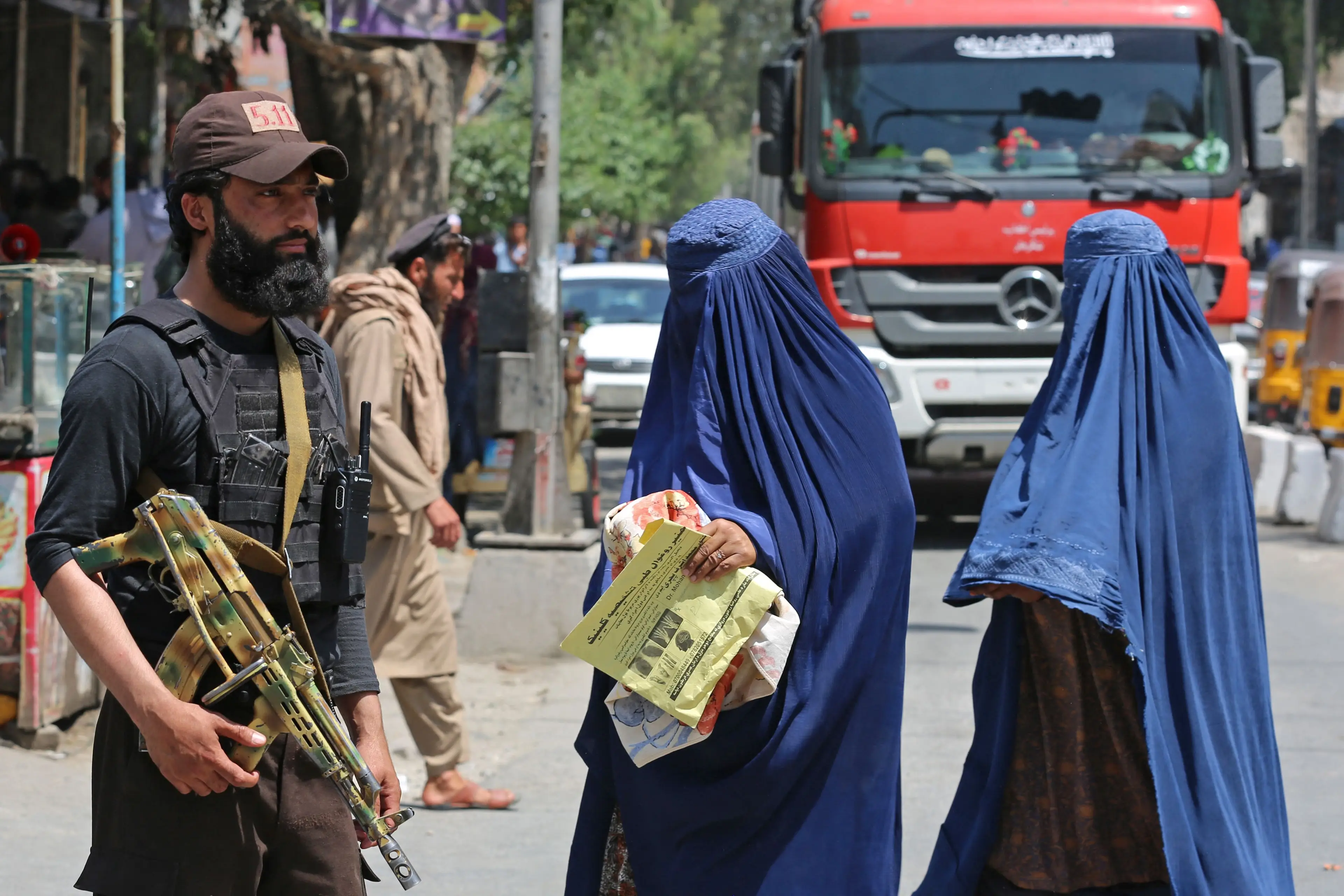
For many Afghan women, leaving the house has become an increasingly rare event.
More than half of women surveyed by UN Women now report leaving home only twice a month or less.
Nearly three-quarters say they feel unsafe leaving home without a male guardian, or mahram, while more than half avoid public spaces including markets and health facilities.
The restrictions have also been reinforced by surveillance and enforcement, creating what UN Women describes as a palpable sense of fear and insecurity.
The right to access healthcare safely
Healthcare has become harder to reach as movement restrictions and shortages of female healthcare workers collide.
Women and girls are increasingly unable to access services without navigating restrictions around movement and male guardianship.
Afghanistan already has one of the world's highest maternal mortality rates, with an estimated 638 maternal deaths per 100,000 live births in 2024.
UN Women says the confinement of women to their homes has also contributed to a growing mental health crisis.
Seven in 10 women now describe their mental health as 'bad' or 'very bad'.
The right to participate in public life
Women's exclusion extends beyond schools, workplaces and hospitals.
Restrictions have progressively pushed women out of public life, with access to public spaces, employment and decision-making severely curtailed.
UN Women says the latest restrictions have 'institutionalis[ed] discrimination and strip[ped] women and girls of their fundamental rights'.
The organisation has warned that the biggest danger now may be the world becoming accustomed to these restrictions.
As UN Women Special Representative Susan Ferguson put it in March: "Don't call this normal."
Five years after the Taliban takeover, more than 10.7 million women and girls in Afghanistan are expected to need humanitarian assistance in 2026.
Topics: Politics, Women's Health, World News
 Rhiannon Ingle