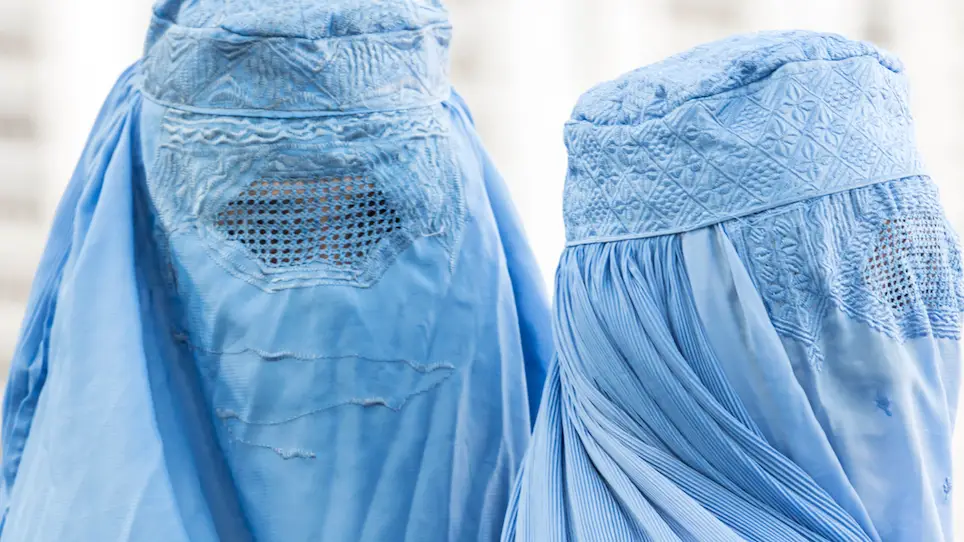
Afghanistan’s new laws give animals ‘more rights’ than women

Warning: This article contains discussion of domestic violence which some readers may find distressing.
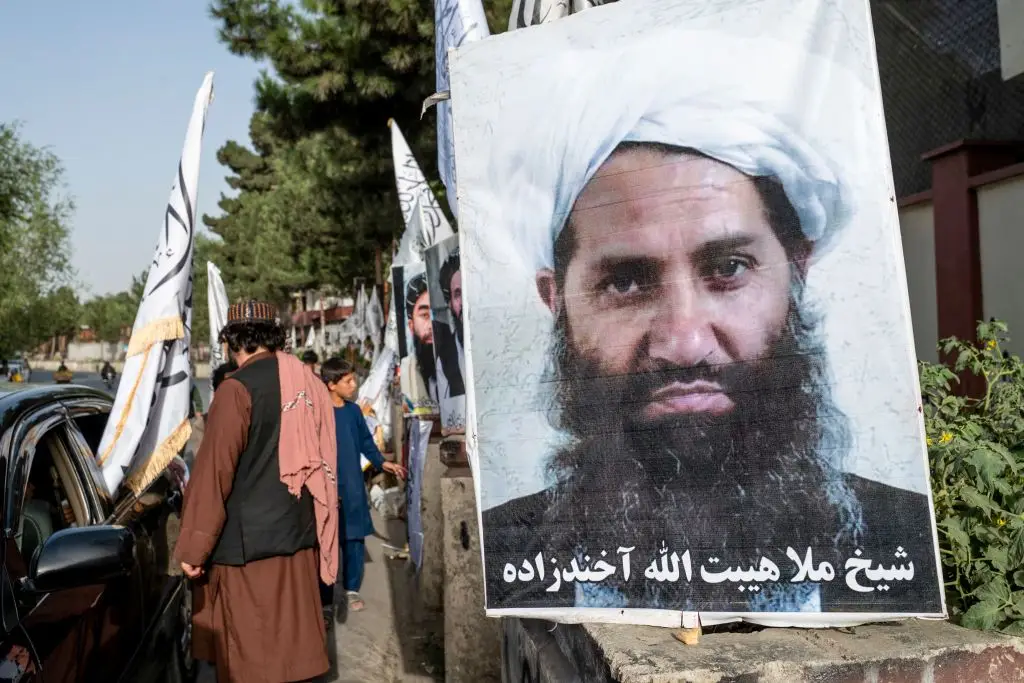
Last month, the Taliban’s emir endorsed a new Criminal Procedural Regulations for Courts and announced that it would take effect immediately upon signing.
Afghanistan's new regulations, which have effectively legalised domestic violence, see women's lives as being valued less than those of animals.
A copy of the new penal code, signed by the Taliban leader, Hibatullah Akhundzada, was obtained and published last month by the human rights group Rawadari.
Advert
As per Rawadari, Article 30 prohibits only certain forms of physical violence against children by teachers, limited to cases resulting in 'bone fracture', 'torn skin', or 'bodily bruising'.
It does not explicitly ban other physical harm, psychological abuse, or sexual violence.
In practice, the Criminal Procedure Code for Courts stops short of prohibiting violence and instead leaves space that indirectly legitimises other forms of abuse, maltreatment, and punishment of children.
This stance conflicts with the principle of special protection for children and their human dignity.
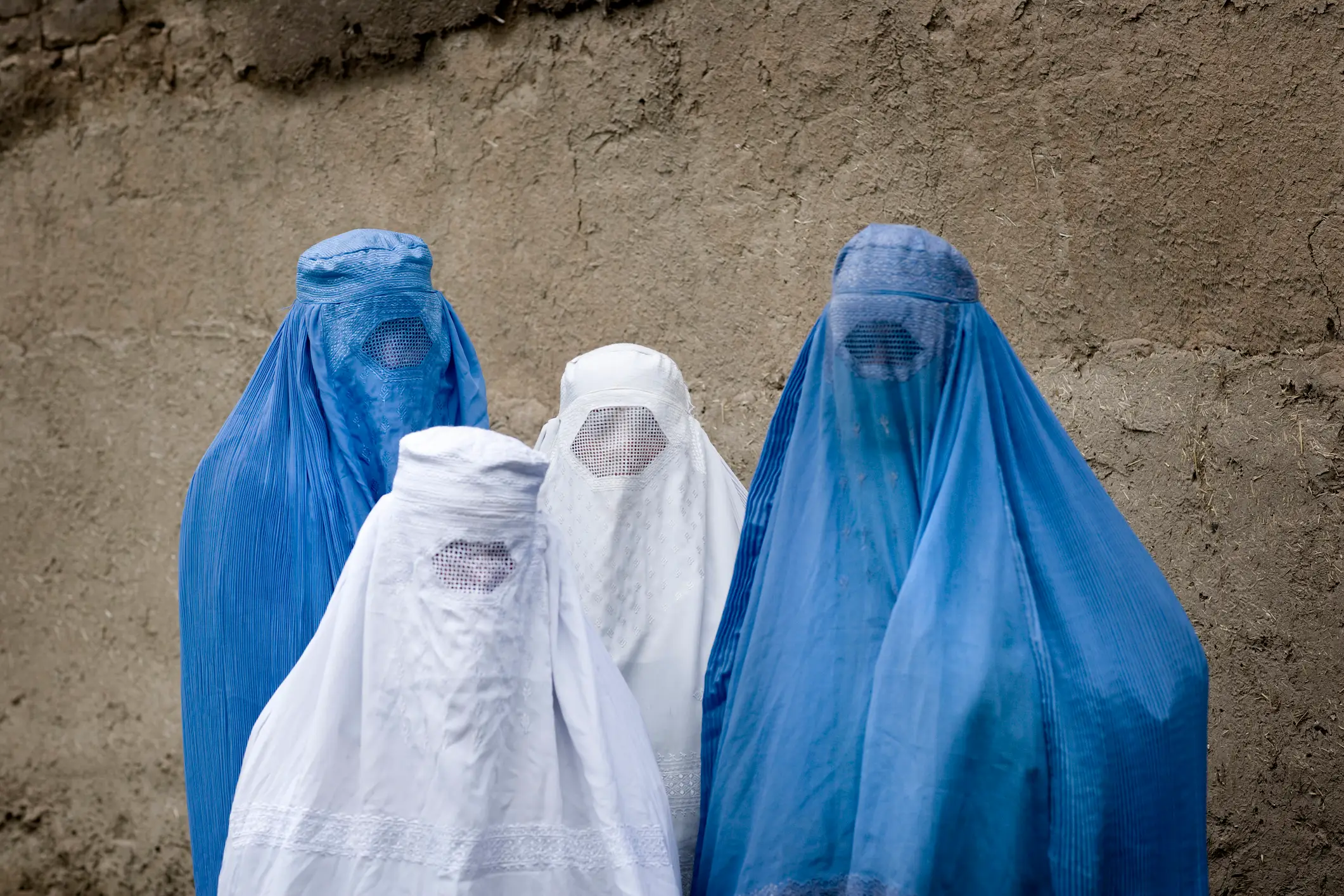
Article 48 reinforces this approach, stating that a father may punish his 10-year-old son if the child acts against his own interest, including abandoning prayer or similar matters.
The Code adopts a similarly discriminatory position on violence against women, with Article 32 stating that a husband will face 15 days' imprisonment only if he beats his wife with a stick and the act causes severe injury, such as 'a wound or bodily bruising', proven before a judge.
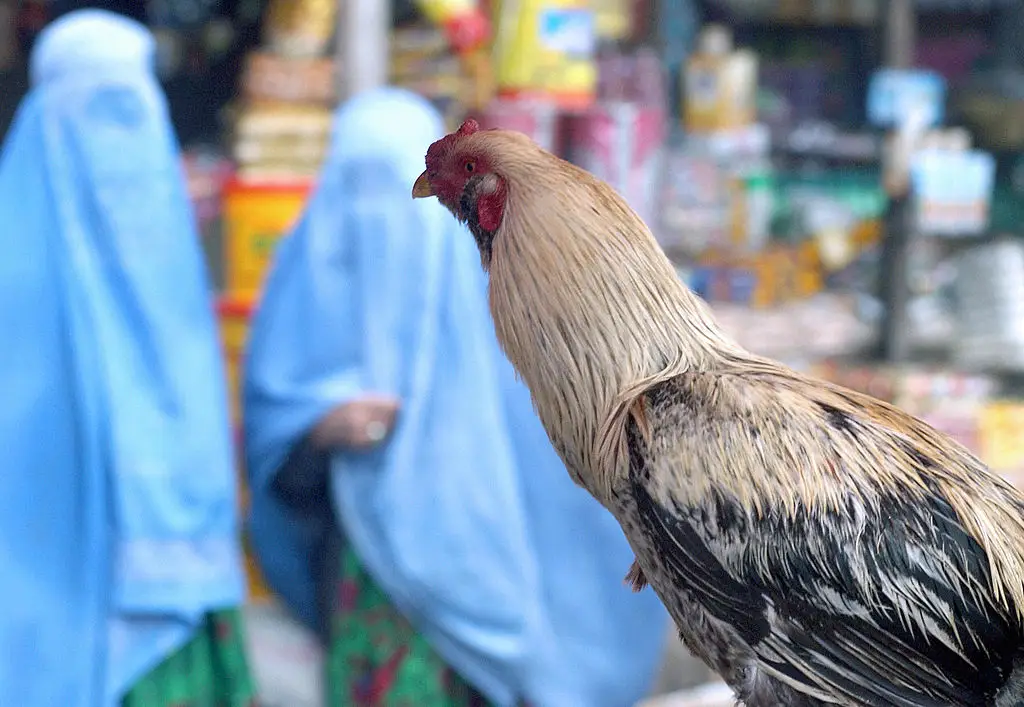
The Persistent reports that, under the code, men who abuse animals by organising fights - an Afghan tradition, whereby people bet on the winner - face a longer jail sentence than those who abuse women.
Article 70 criminalises forcing animals or birds to fight and mandates a sentence of five months' imprisonment for such crimes, the Georgetown Institute for Women, Peace and Security (GIWPS) outlines, with the law reading: "A person who causes animals - such as dogs, camels, sheep, and similar animals - or birds such as chickens, quail, or partridge to fight is deemed a criminal; the judge shall sentence him to five months of imprisonment."
GIWPS highlights that this disparity 'sends a message to society that under the Taliban’s legal system, violence against women is treated as less serious than cruelty to animals'.
Other forms of physical assault, psychological abuse, and sexual violence are neither explicitly prohibited nor meaningfully addressed.
Clause 5 of Article 4, distinguishing between 'hadd' and 'tazir', further entrenches this framework.
It states that 'hadd punishment can be executed by the Imam' and that 'tazir punishment' may be carried out by the 'husband' and the 'master', directly legitimising domestic violence by the husband.
Article 34 states that if a woman repeatedly goes to her father’s home or that of other relatives without her husband’s permission and refuses to return despite his request, she, along with any relative who prevents her return, is deemed criminal and subject to three months’ imprisonment.
For women seeking refuge from violence or maltreatment, this strips away family protection and exposes them to continued abuse, especially where no formal legal remedies exist.
"The totality of these provisions stands in clear contradiction to the principle of equality, the prohibition of gender discrimination, the prohibition of violence against women, and the right to human dignity, and seriously increases the risk of intensifying and institutionalising violence against women," Rawadari adds.
Meanwhile, GIWPS echoes: "Taken together, these provisions reduce women to dependents under male control, deny them autonomy over their bodies, movement, and beliefs, and institutionalise violence as a tool of social discipline.
"The regulation does not recognise women as rights-holders, but as subjects to be controlled, punished, and returned - by force if necessary."
The Taliban retook power in Afghanistan in 2021 during the US and NATO withdrawal, and while the previous NATO-backed government did criminalise forced marriage, rape, and gender-based violence, penalties varied widely and enforcement was often inconsistent.
If you are experiencing domestic violence, please know that you are not alone. You can talk in confidence to the national domestic violence helpline Refuge on 0808 2000 247, available 24/7, or via live chat, available 10am-10pm, Monday to Friday.
Topics: Animals, Explained, News, Politics, World News, Crime
 Rhiannon Ingle