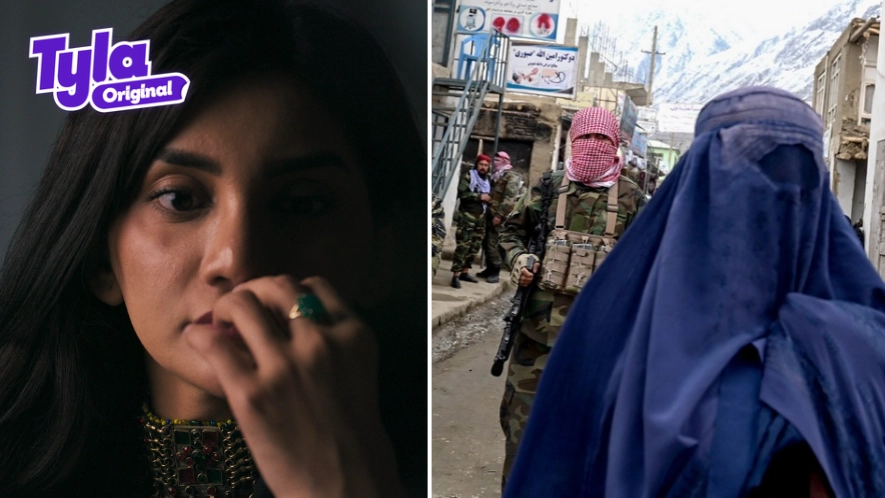
'I escaped the Taliban - now I'm risking everything to save other Afghan women from being killed'

Warning: This article contains discussion of sexual assault, rape and suicide which some readers may find distressing.
After surviving two assassination attempts and fleeing Afghanistan with her three children, Nilofar is now helping women escape Taliban persecution.
But as the world's rescue routes continue to close and the women she helps face torture, rape and even death, she says the responsibility is taking a devastating toll on her own health.
Her extraordinary mission is being followed in a new Channel 4 Dispatches documentary, The Taliban's War on Women, which exposes the devastating reality facing women and girls still trapped under the extremist regime.
Advert
Ahead of the programme's release on Monday (2 Nov), Nilofar spoke with Tyla, as she looks back on the moment the Taliban re-seized control of Afghanistan in 2021 and shares one memory that stands out above all others.
It wasn't the sound of gunfire, the chaos on the streets, or even the fear that she and her family might be killed. It was seeing young people go about their everyday lives and suddenly realising that everything they had come to know could be taken away.
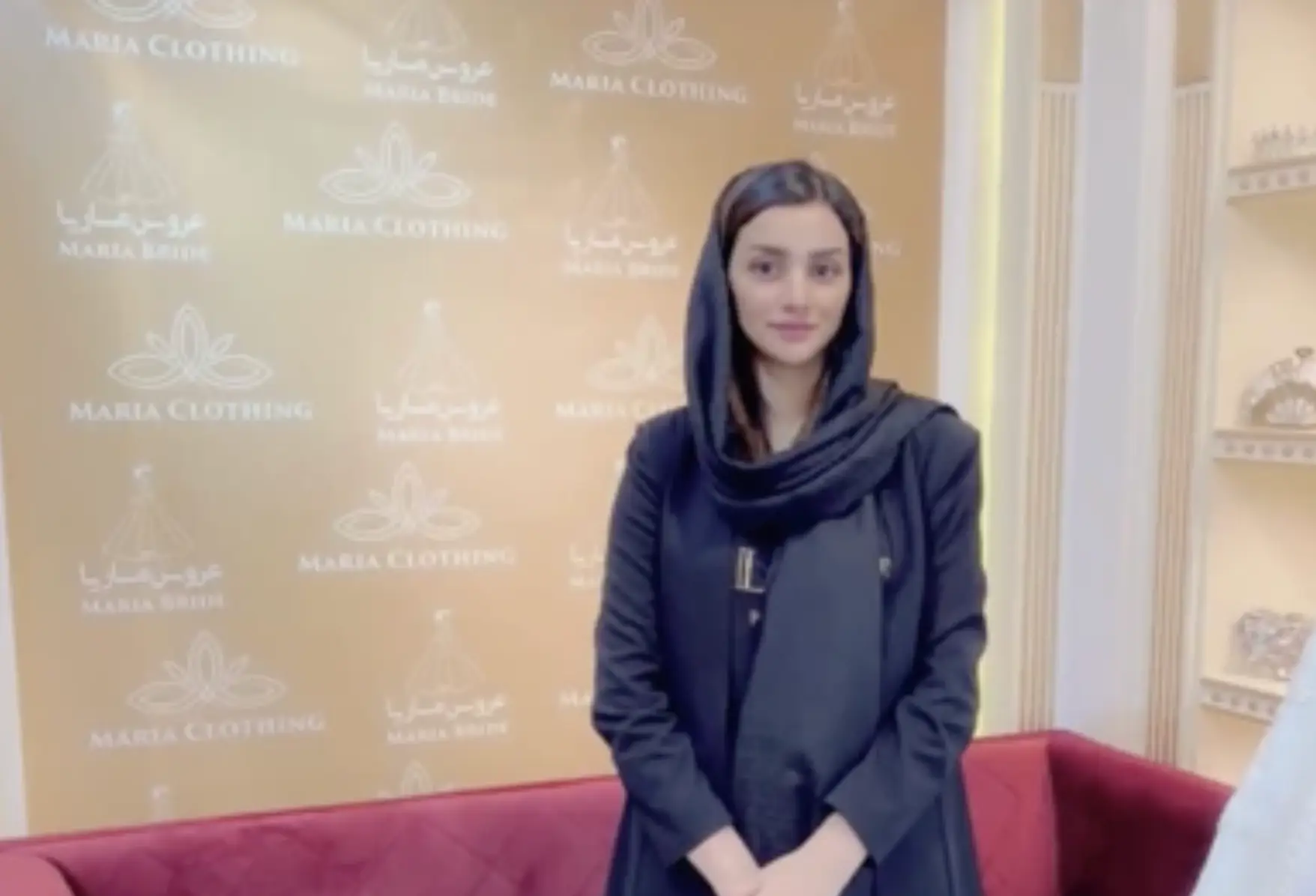
"I was shocked, devastated," she recalls. "I looked out onto the streets because we were based in quite a Gen Z area. I could see groups of young boys and girls walking around, talking, visiting coffee shops, some hand-in-hand, laughing.
"I thought to myself, 'Oh, my God, what's going to happen to society now? Are we going to lose all of this?'"
For Nilofar, a successful businesswoman and 24-year-old mother of three, who'd built a life and career for herself in her home country, the fear was particularly personal.
"I was on the Taliban's death list - but I still didn't think they'd take over"
She'd spent years speaking out against the Taliban's ideology, surviving two attempts against her life, all the while refusing to believe the Sunni Islamist political and extreme militant organisation would ever regain control of Afghanistan.
Her criticism of the group in conversations with the media had put her on what she describes as the Taliban's death list.
The group had been in power when Nilofar was a young girl. Her father, an educator, had ensured his young daughter continued to be schooled in secret under their rule; however, they banned educational rights for women and girls.
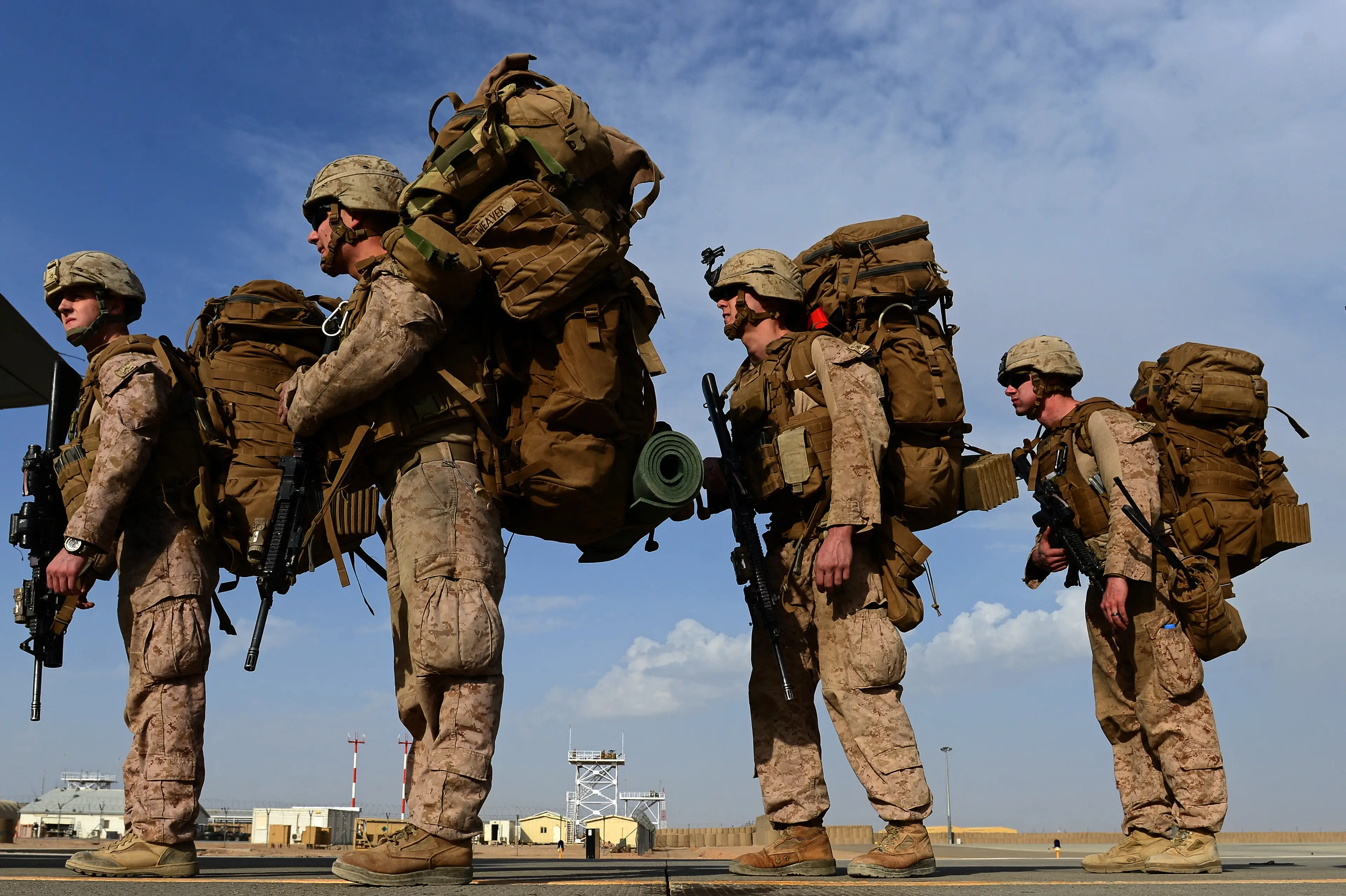
In 2001, the Taliban was overthrown following the United States' invasion of Afghanistan, which resulted in a war that dragged on for two decades.
18 years after the US' invasion, a peace deal was signed between the Taliban and the US, with the approval of Britain, whose troops had also been fighting alongside the Americans.
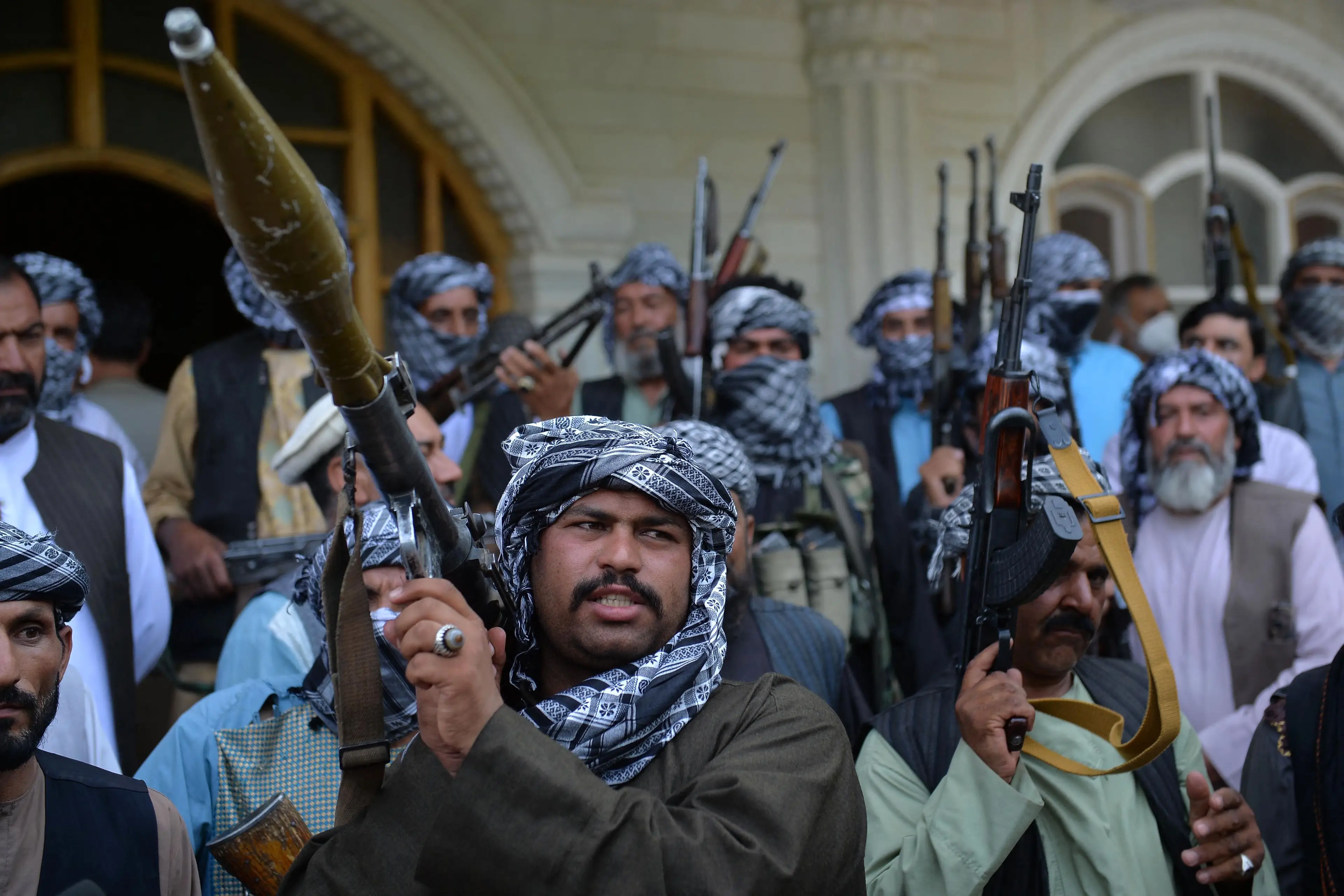
All US and UK soldiers withdrew from the country, allowing the Taliban to conduct a nationwide offensive, triggering the fall of Kabul and the collapse of the Islamic Republic.
"Whenever I'm asked about that day, it's so hard to revisit," Nilofar tells us. "I was one of those naive people who thought that the Taliban would never take over Afghanistan again. I thought maybe there would be a process that'd see them merge with the government, but everyone was even against that."
"Suddenly, I smelled war - I had to save my staff"
As provinces began falling one after another, Nilofar remembers sitting in the showroom of her business.
She heard that Mazar-i-Sharif - one of the country's biggest and most strategically important cities - had been taken, after which the reality of what was happening finally dawned on her.
"Suddenly, I smelled war," she says. "It was a smell I remembered from childhood, growing up in the 90s; I can't explain it. It's like a sixth sense, the smell of war, and you know something big is happening."
She considered how she'd be able to flee the country if her own province were to fall, but with three children to protect - including a baby daughter who was just 11 months old and didn't yet have an ID card or passport - Nilofar was terrified they would not get out in time.
"But still, at this time, the president was on the TV saying, 'Don’t worry, I’m not going to leave the country, Kabul is safe'," she claims. "That was a reassurance for us; we still didn’t fully know what was going to happen."
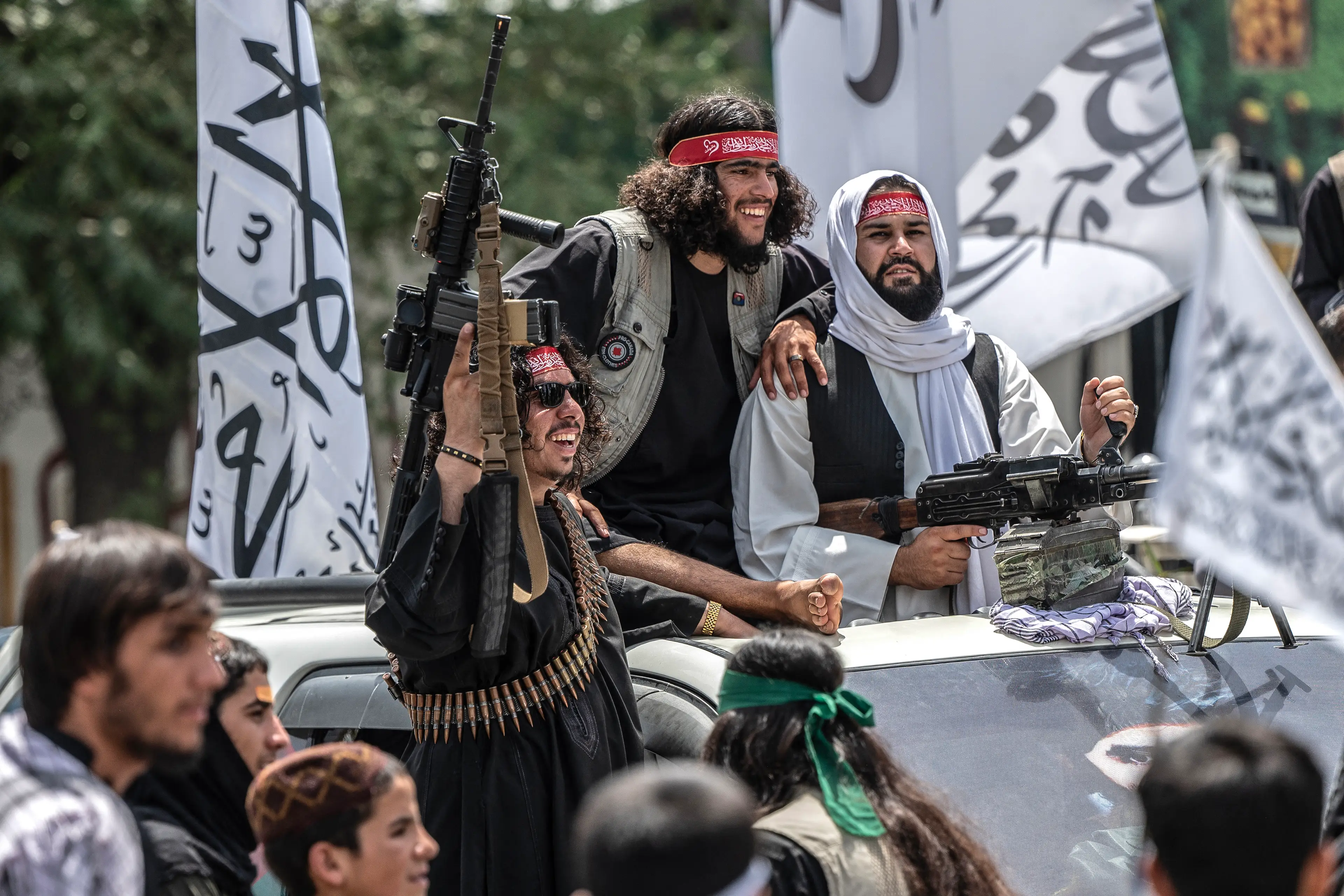
While working from her home office in the days following Kabul's fall, she received a phone call from the young women working at her showroom.
They were crying and screaming, terrified because they belonged to the Hazara minority group, which has historically faced horrific persecution and violence in Afghanistan.
Nilofar immediately sent her husband to destroy potentially incriminating documents, hard drives, and business records, told her nannies to prepare the children, and went to the showroom to get the women to safety.
"I asked the girls to cover themselves with hijabs, and I made my driver take them all to their families because no taxi drivers were willing to go to their region, because they thought the Taliban might already be there," she recalls.
"I remember the broadcast stopped, and then the Quran recitation came on"
By the time Nilofar reached home, having safely delivered her staff to their homes, she knew she had to get her own children away from the area, but the traffic was so bad she knew she couldn't leave immediately.
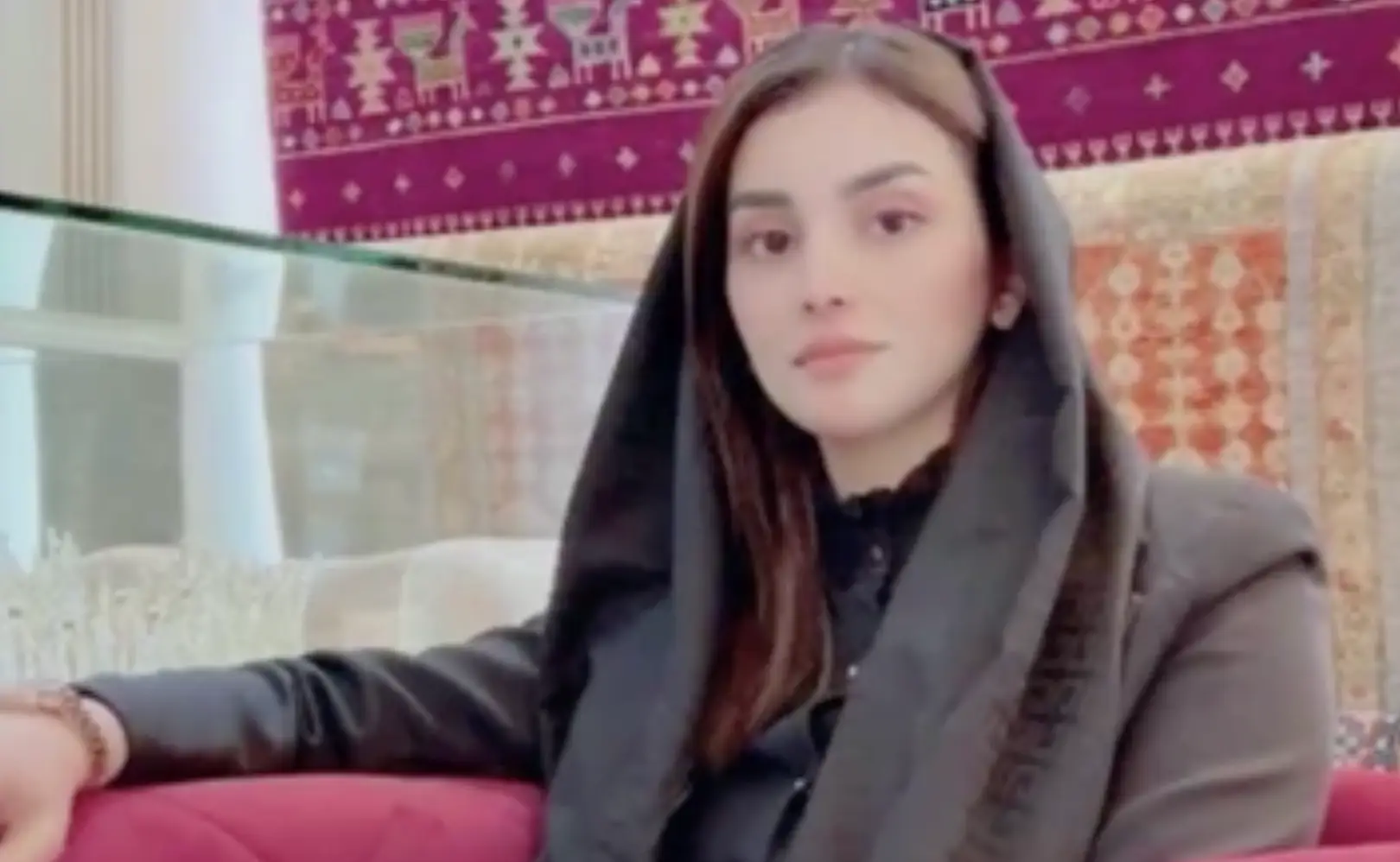
Instead, the family spent the night watching television as the situation deteriorated.
"I remember the broadcast stopped, and then the Quran recitation came on," she reflects. "I couldn't believe it; it was like a movie. I looked at my kids, especially the girls. I said, 'I'm so sorry, I chose a path that put you in danger'."
They eventually left their home in the middle of the night and made their way to an underground base - a place Nilofar still uses today to hide women whose lives are at risk.
"I had accepted my fate - I really thought that I would be killed"
But getting out of Afghanistan herself was far from straightforward. Nilofar had no connections to humanitarian evacuation programmes or foreign organisations, and had all but accepted that she would be killed.
"I had no thoughts about getting out of Afghanistan on any humanitarian planes," she explains. "I had no affiliation with any organisations or foreign entities. I had accepted my fate; I really thought that I would be killed."
Rather than deleting her social media accounts like many others, she decided to speak out.
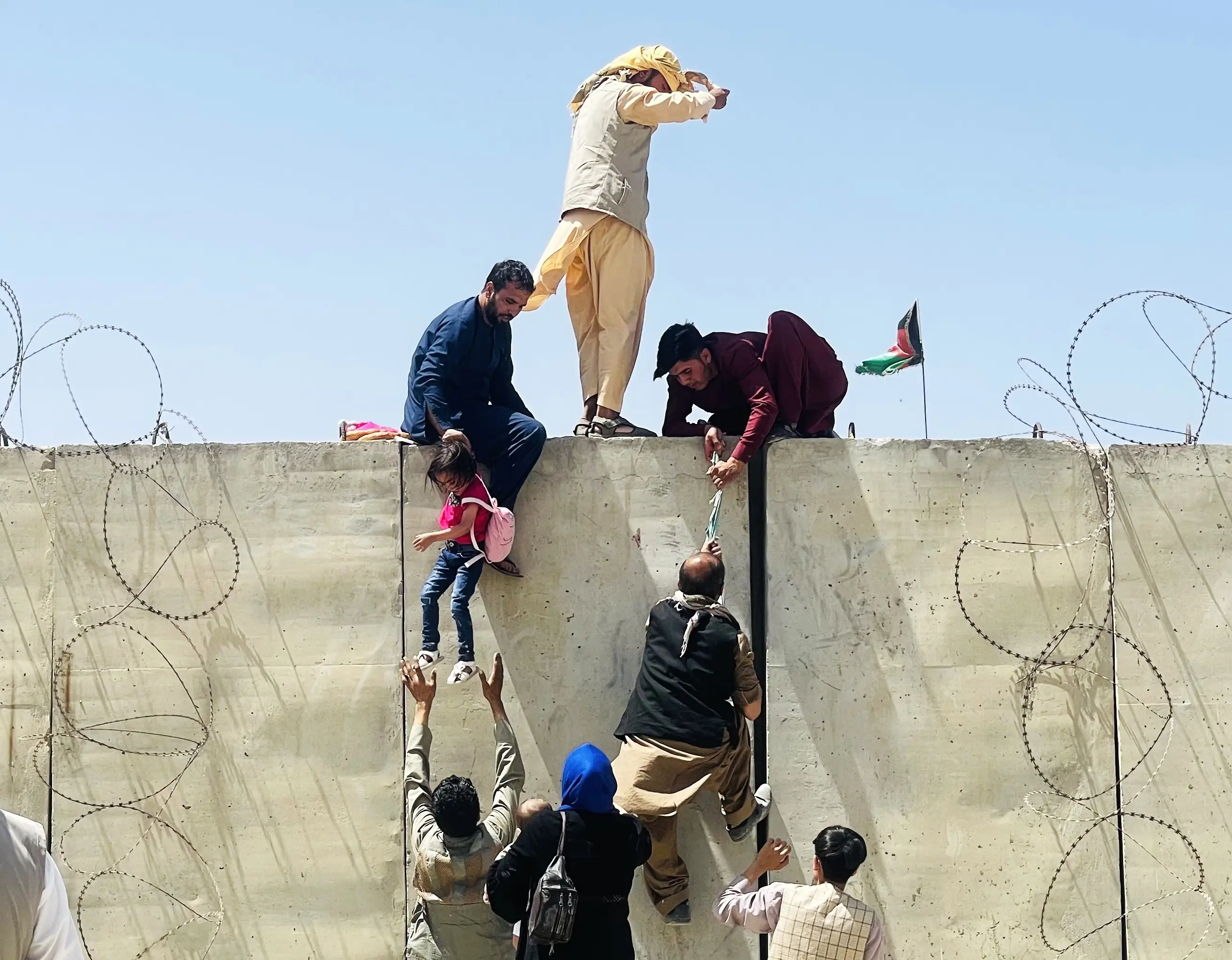
She posted on X, explaining that she had no idea what would happen to her family and that her youngest daughter did not have the documents needed to leave.
The post prompted people to reach out, and she began giving interviews to international media.
One conversation with a Polish radio station would ultimately change the course of her life.
The interviewer told her to give him an hour, returning to explain that he had contacted a number of people in Poland - a professor, an author, and a television producer - who might be able to help.
Nilofar was eventually added to a WhatsApp group and told to arrive at Kabul airport with her family at 4:00am on 21 August 2021 with just one backpack.
"What was I going to fit in one backpack?" she asks. "That wasn't even enough for my kids' diapers and milk."
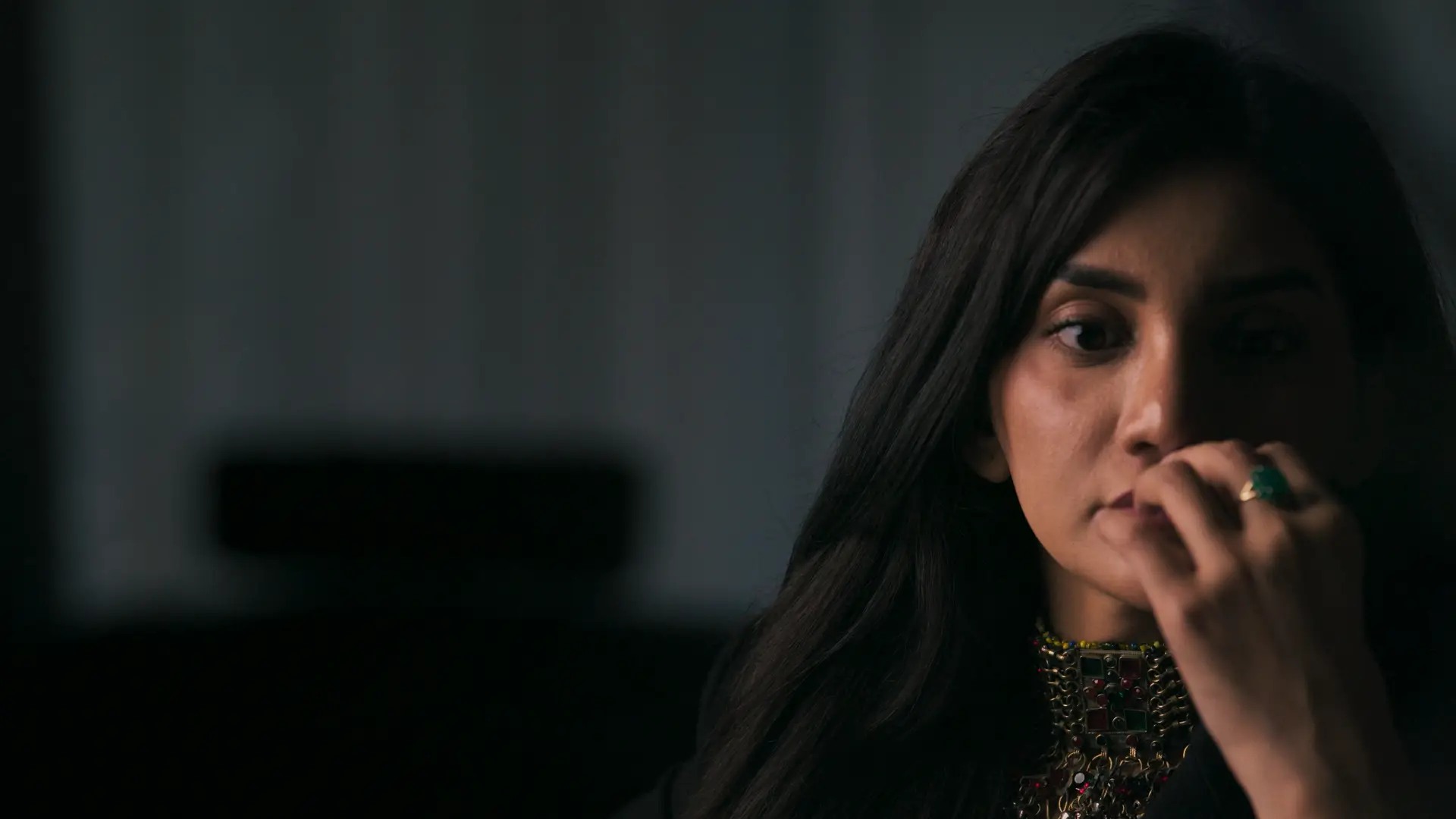
Knowing she would need money to survive wherever they ended up, she tried to squeeze as much jewellery into the bag as possible, hoping she could sell it to support her family.
Then, they headed to the airport, managing to escape the country by flying to Warsaw, where they've remained for the last five years.
Shortly after arriving in Poland, Nilofar reached out to several organisations supporting Afghan women protesters and activists, offering her services and knowledge of the country to help other girls make the same desperate journey to freedom.
Despite having refugee status herself, she helped to establish safe houses and organise evacuations, including a major operation that saw more than 60 women relocated to Spain, with many able to bring their families.
But as international evacuation routes began closing, she knew she had to find another way to get women out.
"Word travelled fast - women knew to reach out to me"
Through her work, she connected with a humanitarian aid worker named Naveed, who was based in Brazil. Their collaboration sees beneficiaries reach out to Nilofar, who kept her Afghanistan phone number after leaving the country.
"All of the women suffering know whom to reach out to," she explains. "Word travelled fast - if you helped one person, at least 20 other women would know you were able to help."
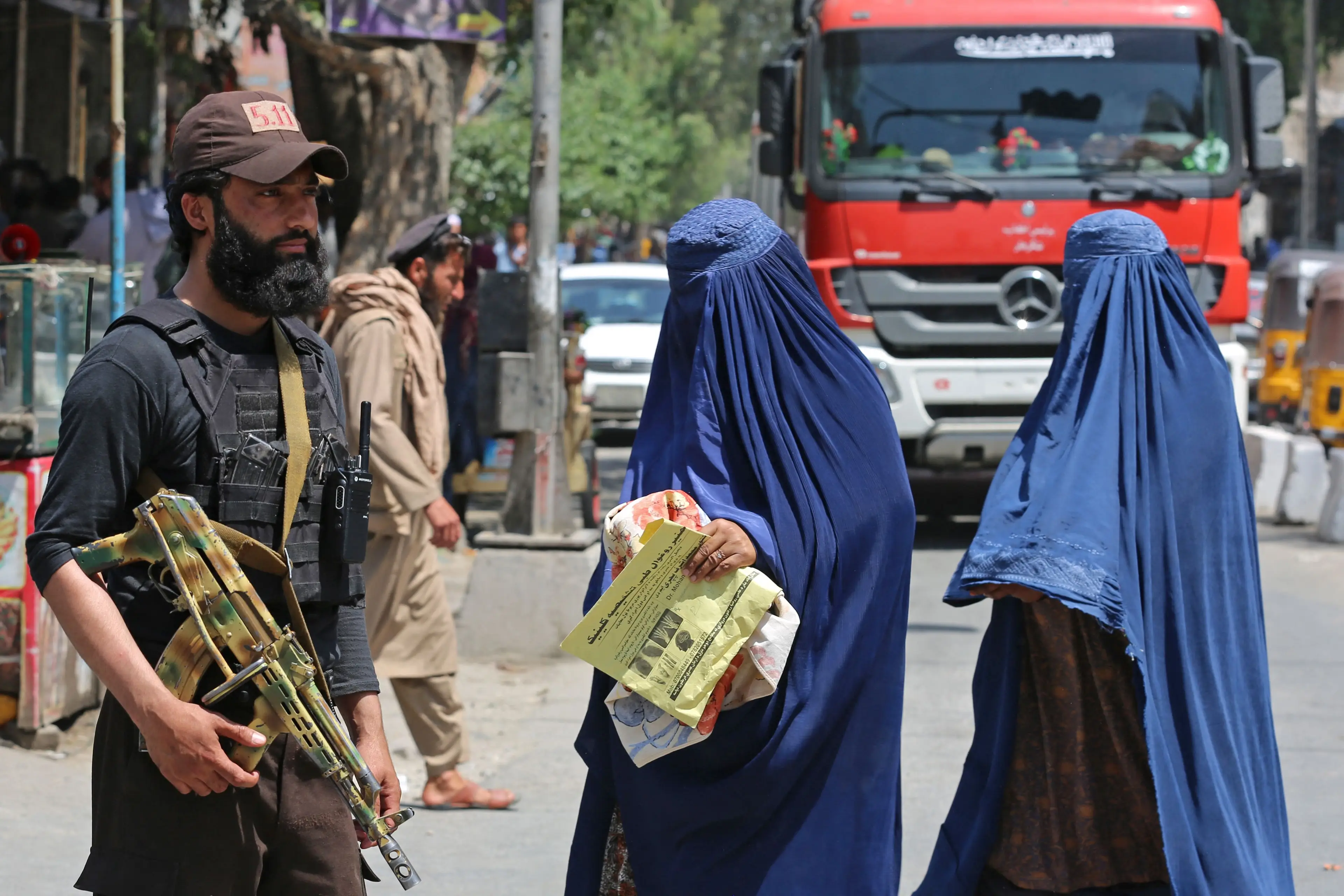
The cases she deals with are among the most vulnerable in Afghan society. They include women activists, human rights defenders, women who have protested against the Taliban, survivors of domestic violence and those who have been detained, tortured or sexually assaulted.
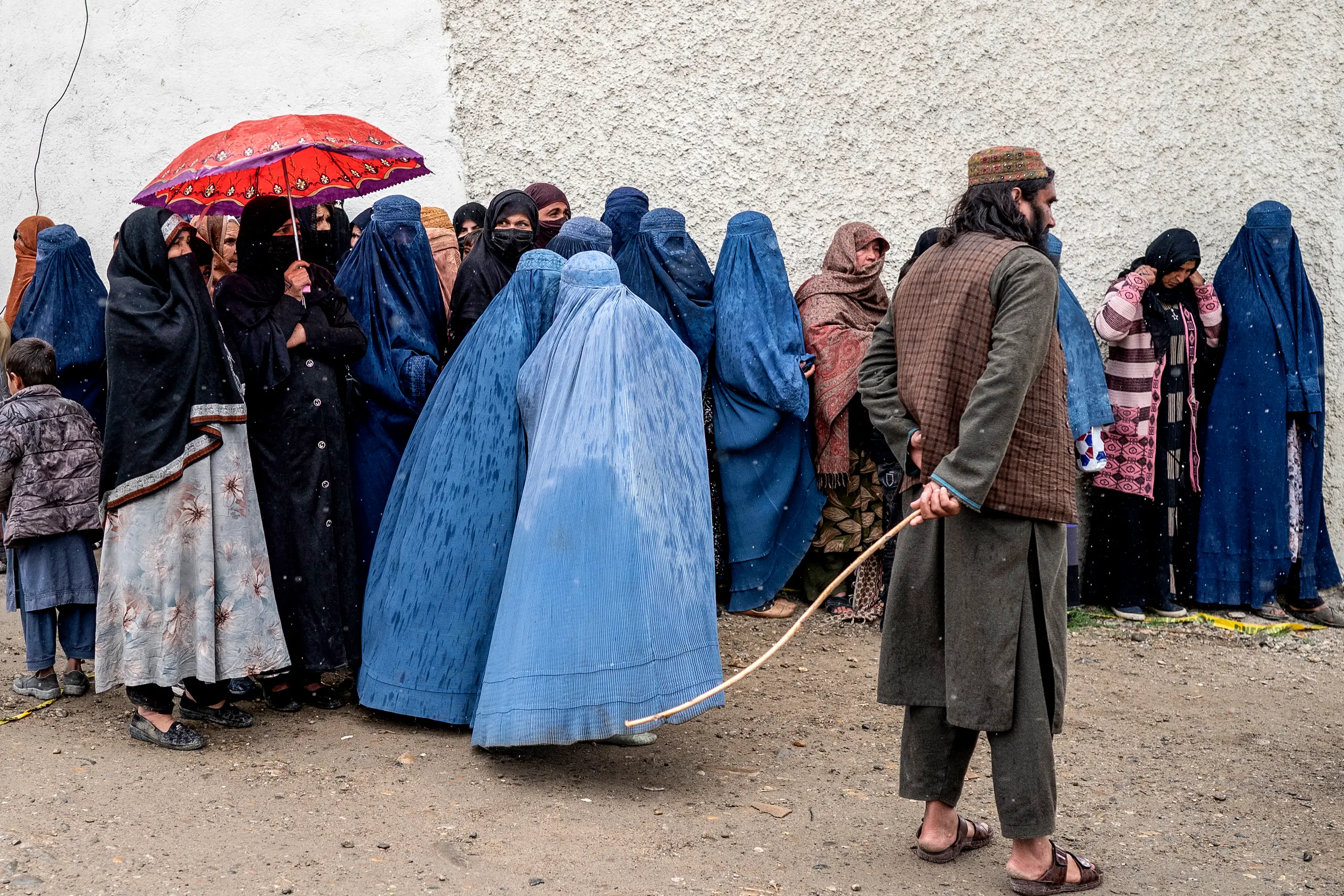
In the years since the Taliban's takeover, restrictions on women and girls have intensified, stripping them of almost all their fundamental rights, including access to education, employment, freedom of movement and public life.
"Escape is basically non-existent"
Nilofar says the outside world still does not understand the full extent of what women are experiencing.
"The number of corridors is shrinking," she says. "Escape is basically non-existent."
She is particularly angry at the countries that withdrew from Afghanistan and subsequently closed their doors to the people left behind.
"It's heartbreaking," she admits. "To be honest, it's infuriating for me; I get so angry and so frustrated with the situation. I am amazed by the entitlement of some countries. They're putting these women through hell because of their failed policies and lack of humanity."
She adds: "They could have done a better job in leaving Afghanistan; they could have given us the opportunity to prepare ourselves. But you didn't, so now, don't complain when we reach out for help."
For the women who remain trapped, the consequences can be devastating.
One of the women Nilofar helped escape to Brazil is Fariha, who was targeted by the Taliban after refusing to stop working in healthcare despite restrictions on professional women.
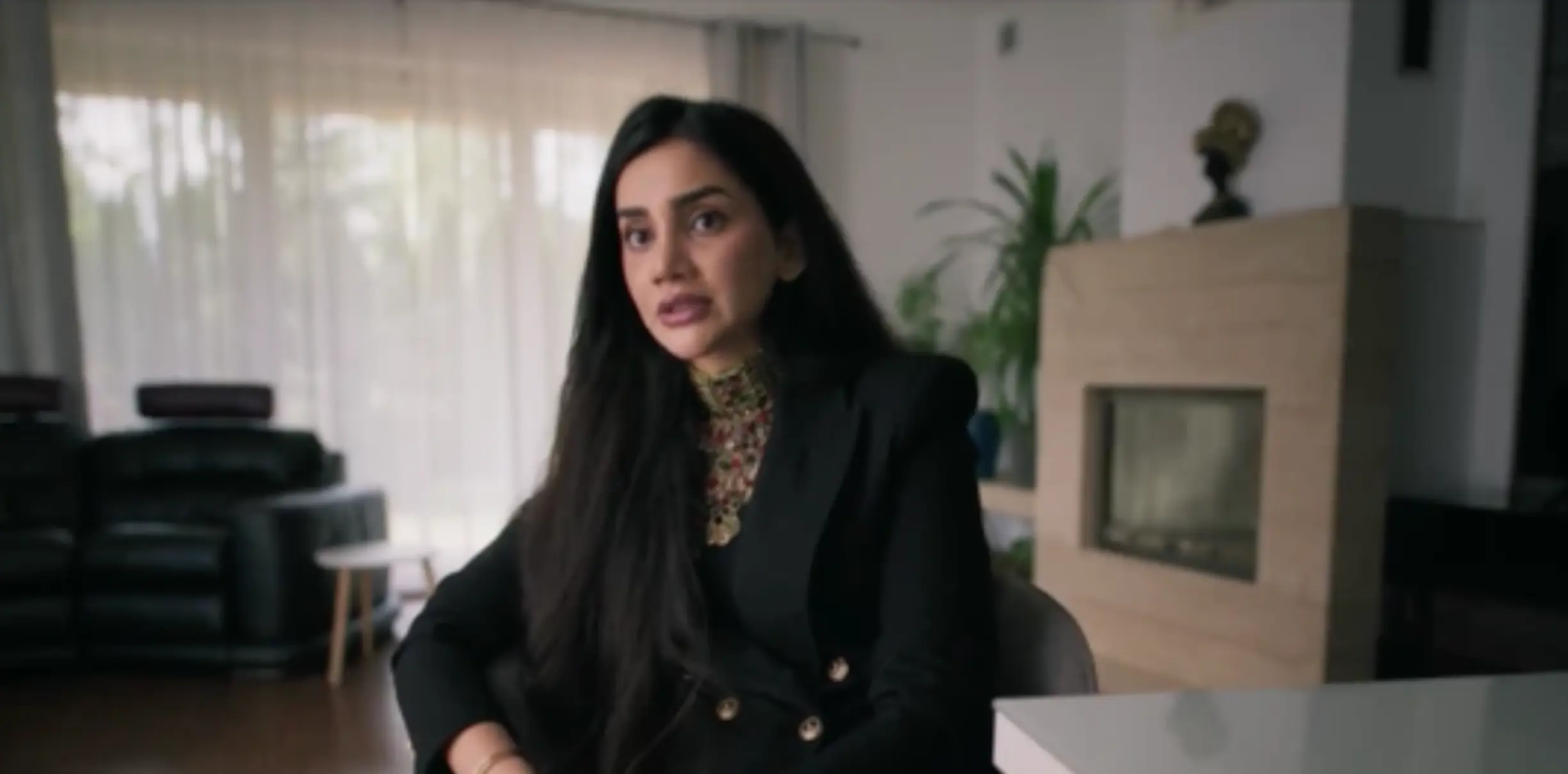
She was subsequently detained, beaten, whipped and raped, describing the physical horror of what happened to her in Channel 4's documentary.
"My body was covered in blood and hurt from all the whipping," Fariha recalls.
"Fariha endured physical torture - but dishonouring her father was worse"
According to Nilofar, one of the most heartbreaking aspects of Fariha's ordeal was not simply the violence itself, but the shame she felt about what had happened and the fear of how her father would look at her afterwards.
"In Afghanistan, daughters have an adoring respect for their fathers, and in our society, any ill gaze towards them - any harassment - is the girl's fault," Nilofar tells us. "This affects their father's and the family's honour."
"We grew up with the idea of never doing anything to bring shame to our fathers. It's a very heavy burden on women."
She continues: "When Fariha went through this horrific experience, she didn't mourn for herself. She didn't think of the disrespect, the physical torture, the mental toll. Instead of processing these things, she had to face her father's gaze.
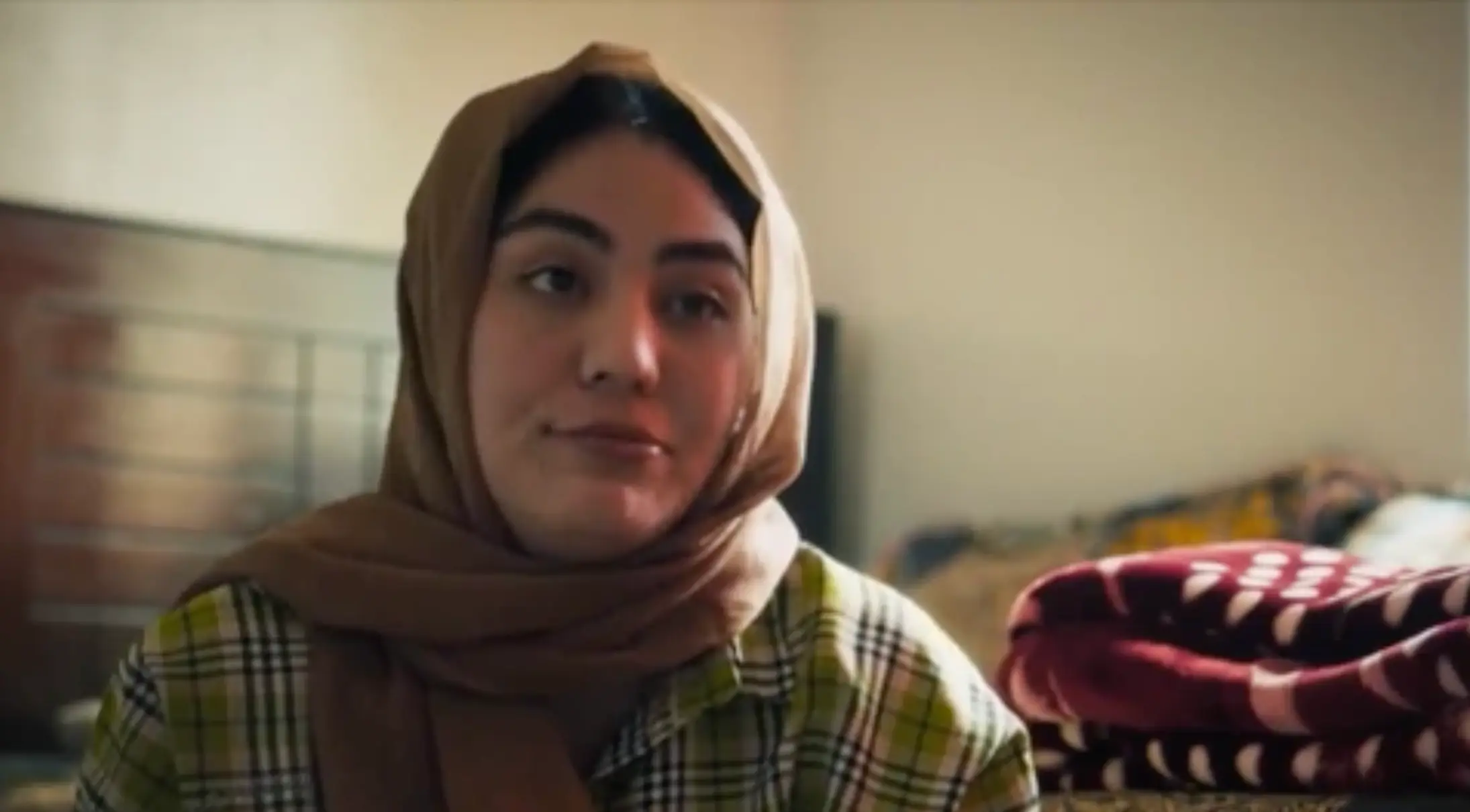
"I don't think any Taliban can break a woman like the feeling of bringing dishonour to your father. I know how many times Fariha thought of ending her life. She said to me, 'I wish I had given up my life'."
In Fariha's case, her father was supportive, something Nilofar says cannot be taken for granted.
"Not many fathers would have acted the way he did," she goes on. "In other households, she might have committed suicide or endured an honour killing. Her father was amazing, but it still doesn't take away the shame Fariha feels."
It's a gut-wrenching reminder that, even when women manage to escape the Taliban's physical reach, the psychological scars can be much harder to leave behind.
And not every woman who escapes is able to bring her loved ones with her.
"It's very difficult for women to leave their families behind"
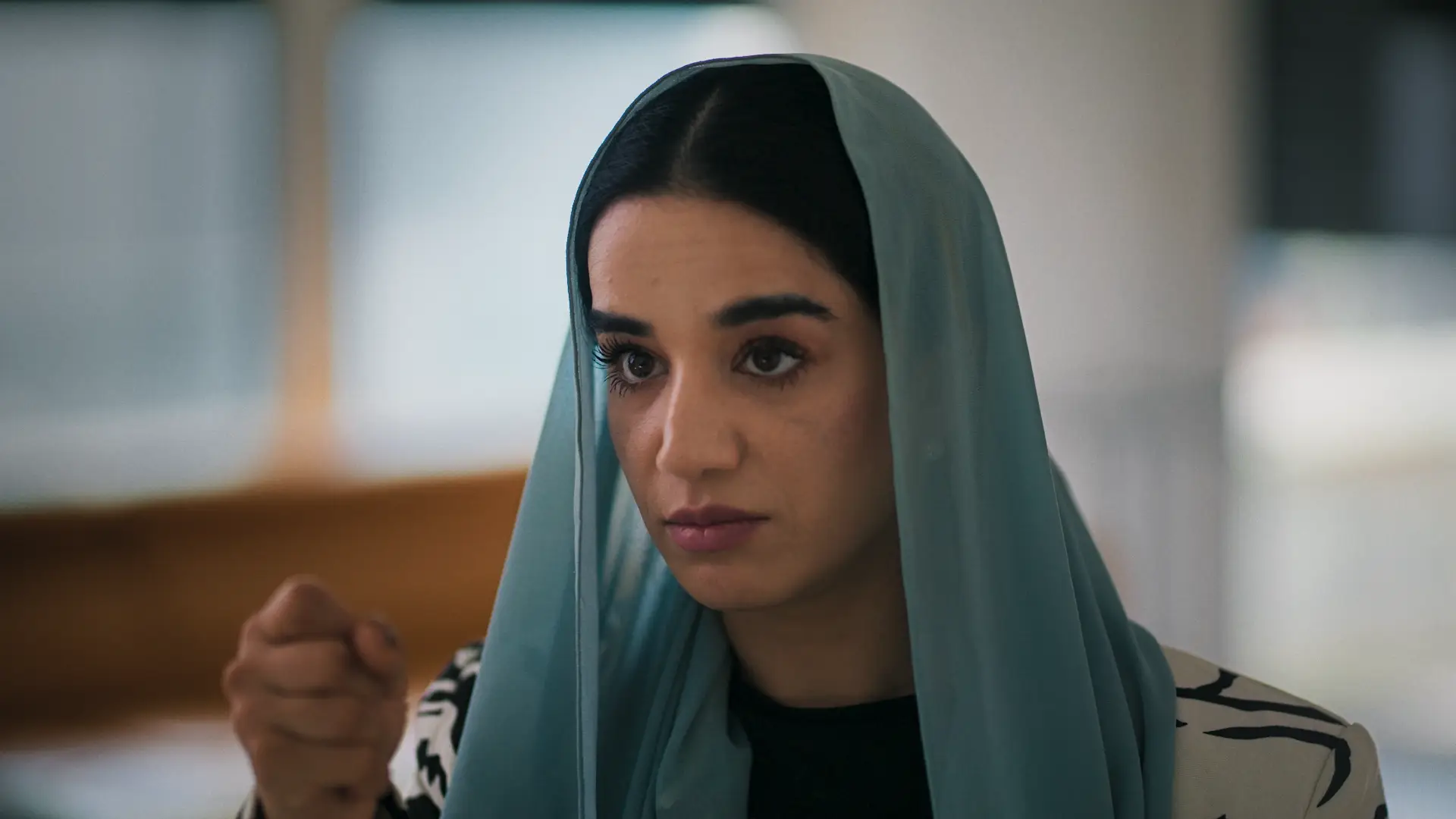
The documentary also follows a female dentist, Zahra, who fled to Germany after being arrested and tortured for protesting against the Taliban. Her husband and family remain in Afghanistan, and she has been separated from her husband for years.
Nilofar explains that those who remain in Afghanistan can face consequences for the actions of relatives who have escaped or continued speaking out from abroad, describing the unification process as 'horrible, and often, impossible'.
"It's very difficult for women to leave their families behind, especially if it's their husband," she goes on. "Life is 100 times harder if it's a husband, because the women don't want to create any misunderstanding for this man if he's staying in Afghanistan."
Even continuing their activism from abroad can put their families at risk.
"If you're escaping or protesting, you need to stay active on social media, but every move you make could cause trouble for the family left behind," Nilofar explains. "You have to keep the family satisfied and safe while not losing this form of activism."
"It feels like a constant ticking time bomb"
For Nilofar, the responsibility of helping women through these situations from so far away is relentless.
She says she cannot put her phone down, constantly checking messages and monitoring cases - often until 4:00am - because she knows a delay could have fatal consequences.
"It's not easy to be responsible for a life. It's a constant fear," Nilofar confesses. "People think I'm addicted to my phone, but I cannot put it down."
The pressure has begun to affect her physically, with Nilofar now making hospital visits every three months because of the stress, developing symptoms that make her feel as though her lungs are failing.
"There’s no reassurance that each woman is safe until she reaches her destination," she says. "For me, it feels like a constant ticking time bomb."
She admits she did not have the chance to process her own escape before throwing herself into helping others. But despite everything, she feels unable to walk away from her commitment.
For Nilofar, the danger is not just what is happening now, but what the next generation will grow up believing is normal - and as the escape routes out continue to shrink, she is left with a message for the women still waiting for someone to help them.
She cannot promise that every woman will get out, but she is determined to keep trying.
The Taliban's War on Women: Dispatches will air on Channel 4 at 11:00pm on Monday 2 November.
Topics: News, World News, Politics, Documentaries, Channel 4
 Rhianna Benson