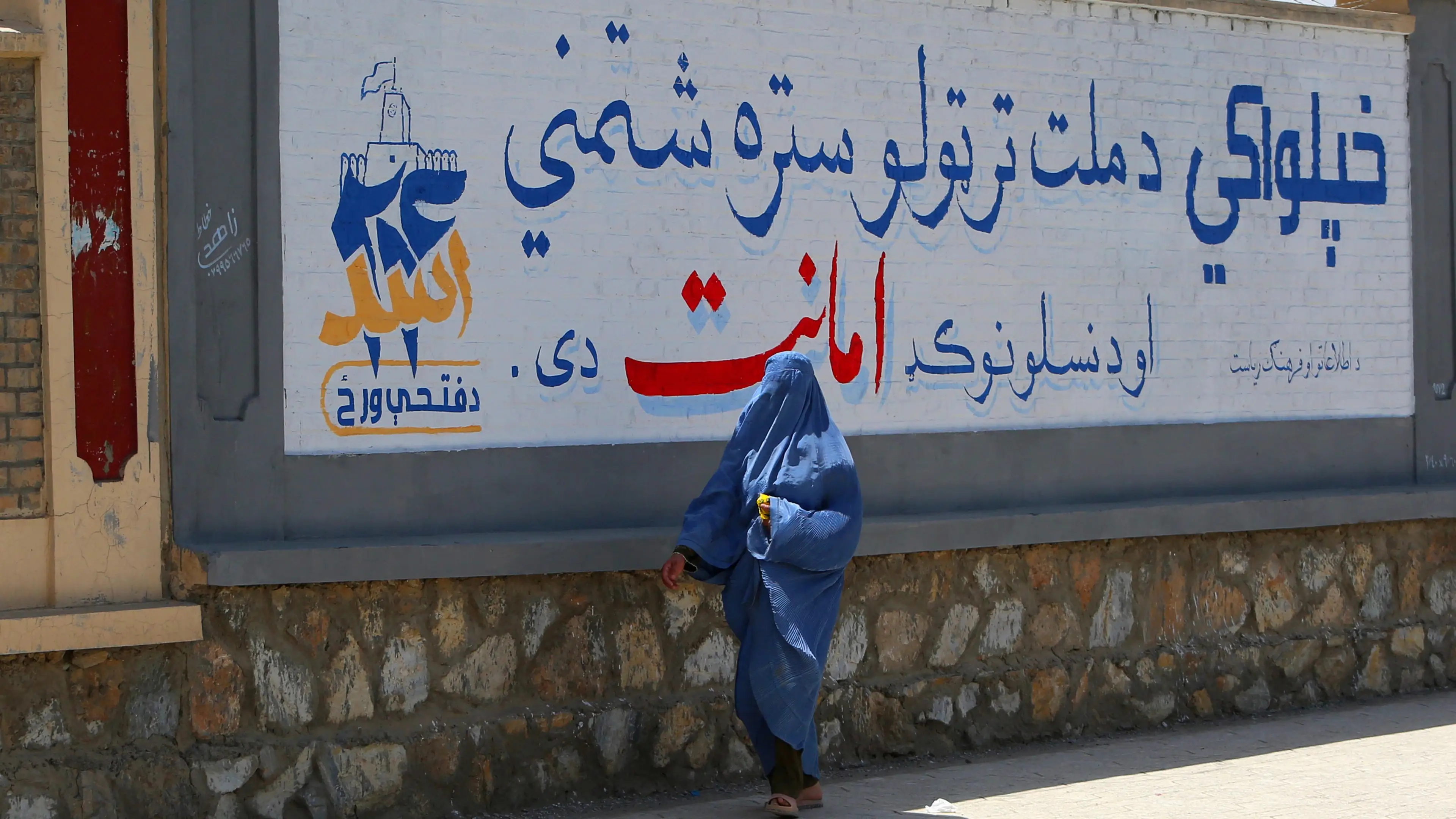
Afghan women barely leave their homes under Taliban rule

Afghanistan has spent five years under Taliban rule, during which the rights and freedoms of women and girls have been systematically eroded.
UN Women has found that more than 100 decrees targeting women and girls have been issued since August 2021, affecting all facets of life including education, movement, access to justice, employment and healthcare.
Data released by UN Women reveals that half of women leave home only once or twice a month because of the severe restrictions. It described the country as a ‘global outlier with no parallel in the modern world’.
The freedom of movement and access to public spaces has been severely restricted for women and this ‘intensified’ in 2025.
Advert
Nearly three-quarters of women have reported that they feel unsafe leaving home without a male guardian, known as a mahram. More than half say they avoid public spaces.
In addition, there is also an increasing system of surveillance with ‘wide-ranging’ powers used to detain people. This leads to an overwhelming sense of fear and insecurity felt by women and girls.
Restrictions on movement have made it harder to access healthcare. There is also a shortage of female healthcare workers.
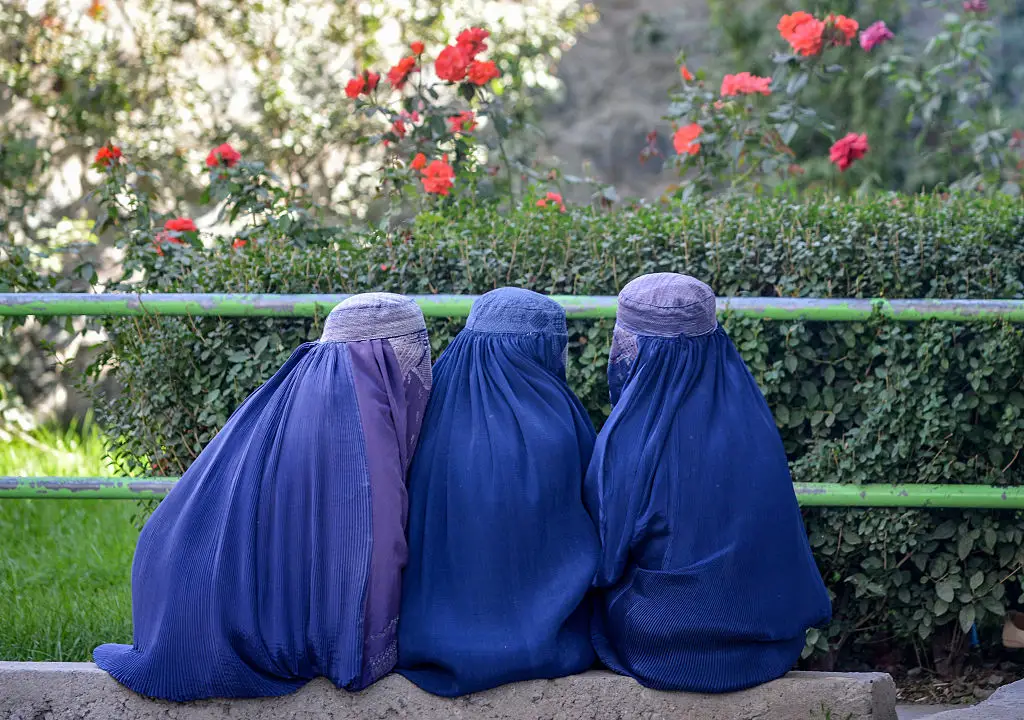
Women and girls are increasingly unable to access services without navigating restrictions around movement and male guardianship.
Afghanistan already has one of the world's highest maternal mortality rates, with an estimated 638 maternal deaths per 100,000 live births in 2024.
UN Women says the confinement of women to their homes has also contributed to a growing mental health crisis.
Seven in 10 women now describe their mental health as 'bad' or 'very bad'.
Women's exclusion extends beyond schools, workplaces and hospitals.
Restrictions have pushed women out of public life, with access to public spaces, employment and decision-making severely curtailed.
UN Women says the latest restrictions have 'institutionalis[ed] discrimination and strip[ped] women and girls of their fundamental rights'.
Girls in Afghanistan remain banned from secondary education, while women are barred from attending university.
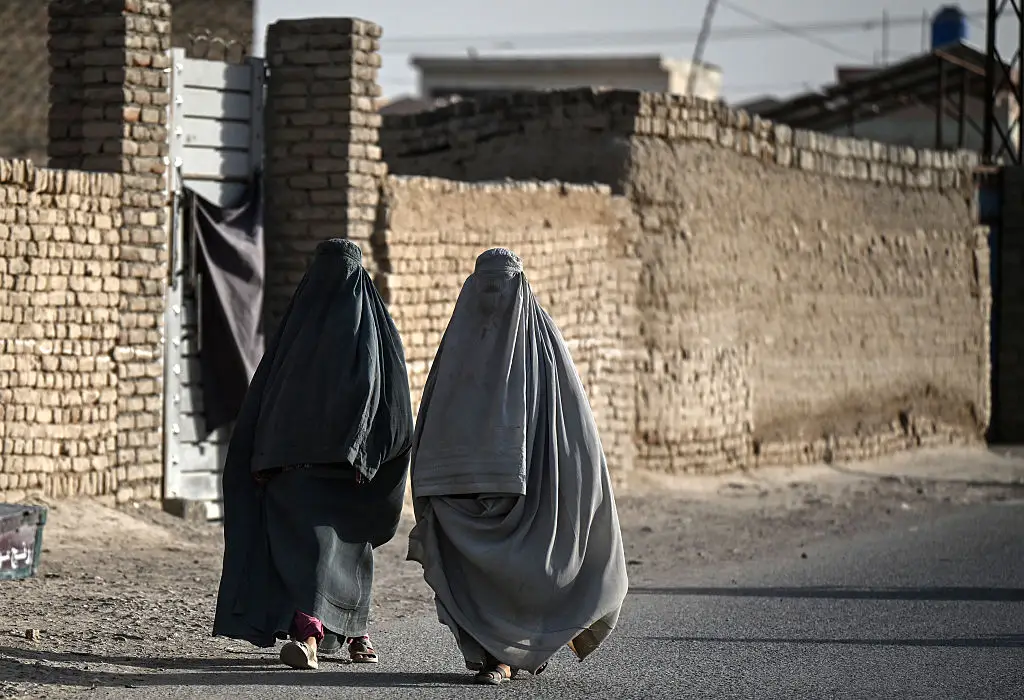
Afghanistan is the only country in the world where girls and women are systematically denied access to secondary and higher education.
The restrictions have consequences beyond education. UN Women has warned that Afghanistan could lose more than 25,000 female teachers and health workers by 2030 if they continue.
Healthcare is becoming harder to access as restrictions on women’s movement are compounded by shortages of female healthcare workers.
Women and girls can face additional barriers to accessing services, including restrictions on movement and requirements around male guardianship.
Afghanistan has one of the world’s highest maternal mortality rates, with an estimated 638 maternal deaths for every 100,000 live births in 2024.
UN Women says restrictions on women’s freedom and increasing isolation have also contributed to a growing mental health crisis.
Seven in 10 women surveyed now describe their mental health as 'bad' or 'very bad'.
Topics: News, World News
 Greg Harris