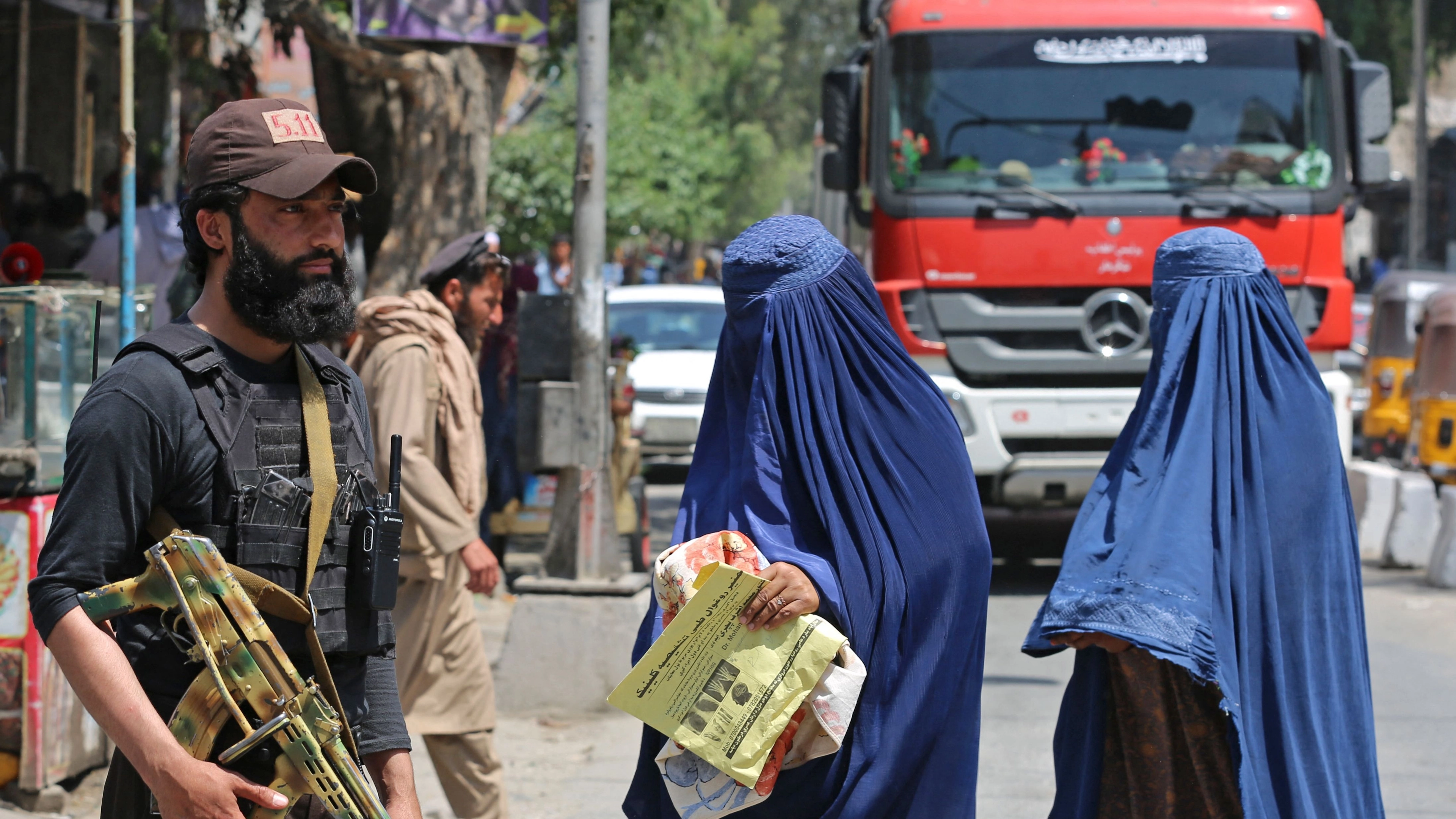
Afghan woman shares unsettling reality of new laws that include legalising domestic violence

Warning: This article contains discussion of domestic violence, which some readers may find distressing.
Taliban leaders in Afghanistan last month implemented a new criminal code, which, according to its text, defines female citizens as having the legal status of 'slaves' and formally authorises acts of physical punishment against them.
The 90-page legislation, titled the 'De Mahakumu Jazaai Osulnama' (translated as the Principles of Criminal Punishment), establishes penalties that differ depending on whether the recipient is classified as 'free' (an individual legally recognised as possessing full rights) or a 'slave' (a person with limited or no legal protections).
With Afghan women having long been considered the property of their husbands, the code effectively equated them to 'slaves' and their partners 'slave masters', codifying punishment against them as acceptable within the framework of the new law.
Advert
This physical penalty can be inflicted at the discretion of the husbands themselves or by Taliban judges for what are viewed as more serious grievances.
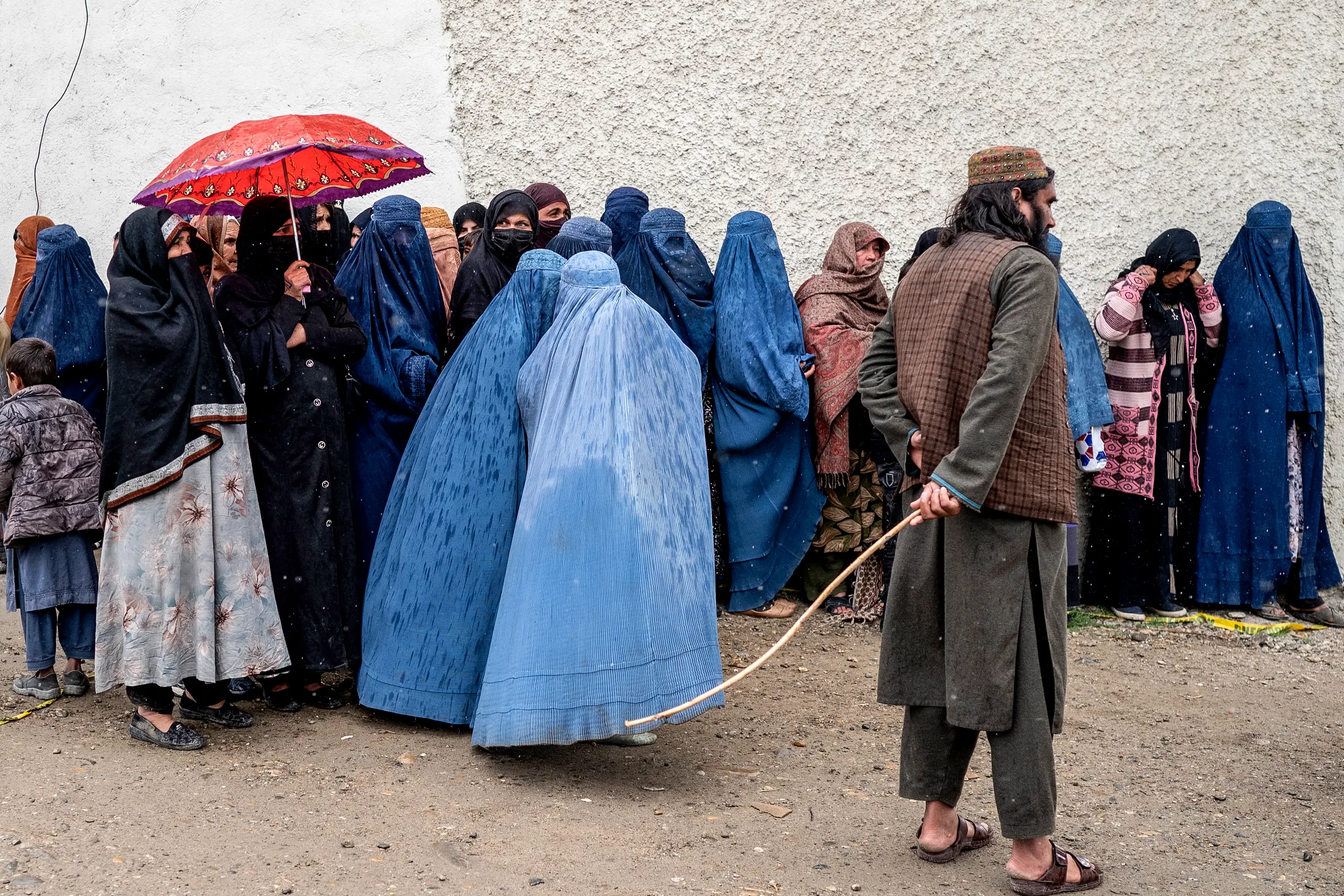
Apparently, failing to abide by a restrictive new dress code falls under the latter category.
With the country's new legislation now in place for several weeks, a number of eyewitnesses from the region have shared their harrowing observations, including a human rights defender.
Speaking anonymously to Sky News this week, she explained: "Since the Taliban took over, they have changed the meaning of everything for women.
"While the world is busy with other crises, the Taliban use this silence to harass, oppress, and torture women and girls in Afghanistan."
Specifically, she added that the abuse of women has been at an all-time high since newer, stricter dress codes were implemented in line with the new legislation, which legalised the infliction of harsh physical punishment upon them if they failed to abide by it.
A Taliban government department, the 'Ministry of Promotion of Virtue and Prevention of Vice', has reportedly stopped cars and beaten passengers if they observe women not wearing a burqa and a chadari, as well as their hijab.
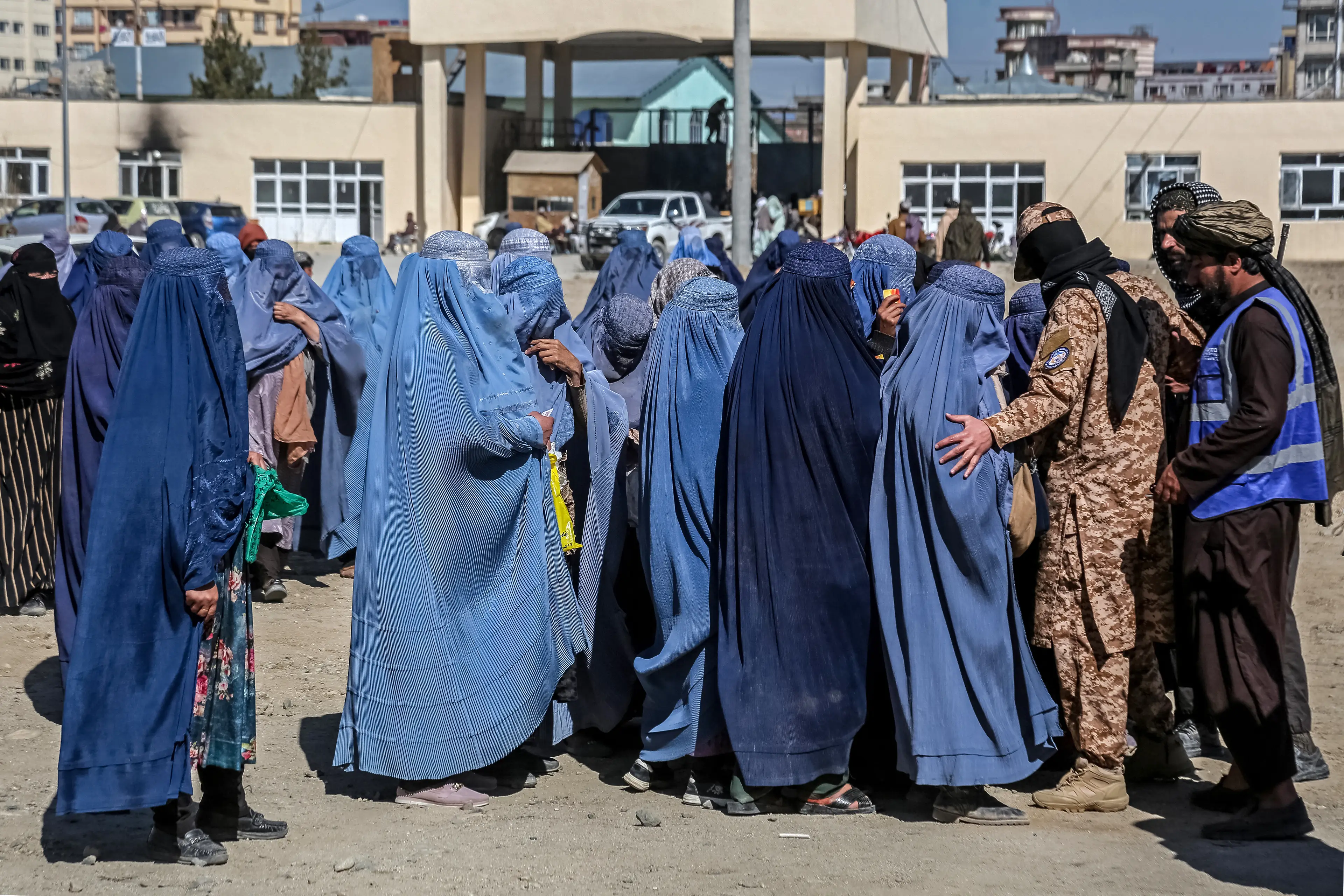
The human rights defender claimed she'd heard of a group of women recently arrested for solely wearing an Arabic-style hijab.
She also knew of a couple beaten after the wife failed to wear a burqa whilst walking through the streets.
"It is unbelievable. In my opinion, this is part of a system to erase women from public life," the woman added.
Attending a recent female support group in the country, she recalled speaking with one attendee who'd recently needed groceries but was denied a taxi after refusing to pay an exorbitant new fee. The driver forced her to walk a long distance there and back.
She told the human rights defender, "As soon as I arrived home, I burst into tears. It is painful - being a woman in Afghanistan means endless suffering."
As of November, weeks before the new penal code was implemented, Taliban leaders ruled that female teachers, nurses, doctors and patients were all to wear burqas in their places of work, no matter how they might impact their ability to perform their jobs.
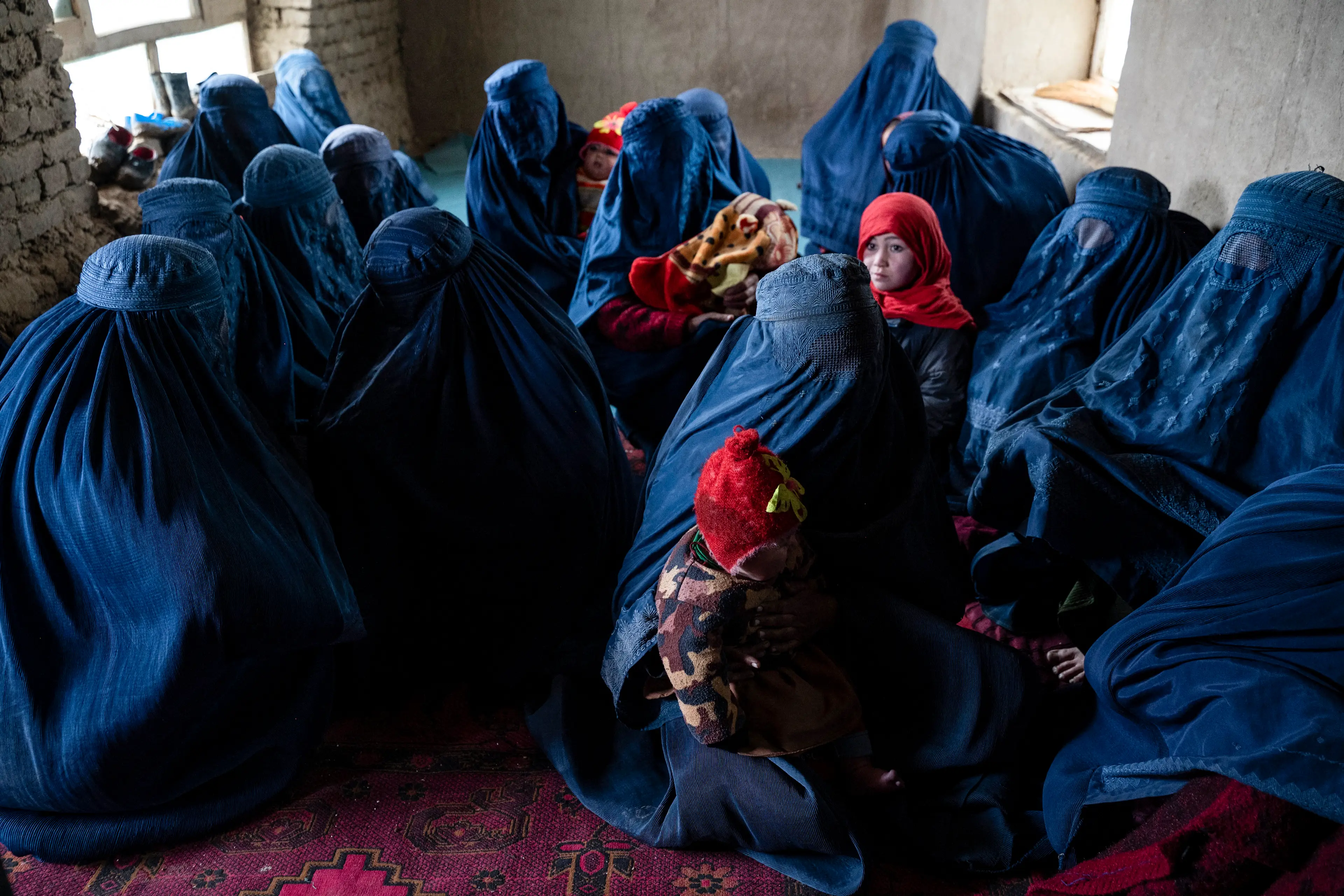
The woman claimed she and thousands of other Afghan women hoped that Western leaders, specifically America, might step in to stop them from being 'erased from public life'.
She fears that promises to do so, however, have fallen to the wayside in light of recent conflict in nearby regions.
"The international community is busy with other headlines - Venezuela, Iran, Greenland - and the Taliban are using this silence to tighten their grip," she explained. "They are erasing us from public life, from the streets, from education, from hospitals, from transportation.
"The world, once full of promises, is now quiet."
The woman concluded by emphasising: "We are still here. We are still resisting. But we are alone. Will the world hear the voices of Afghan women and stand with us? I urge the international community not to abandon women to the Taliban's climate of fear."
Topics: World News, News, Politics
 Rhianna Benson