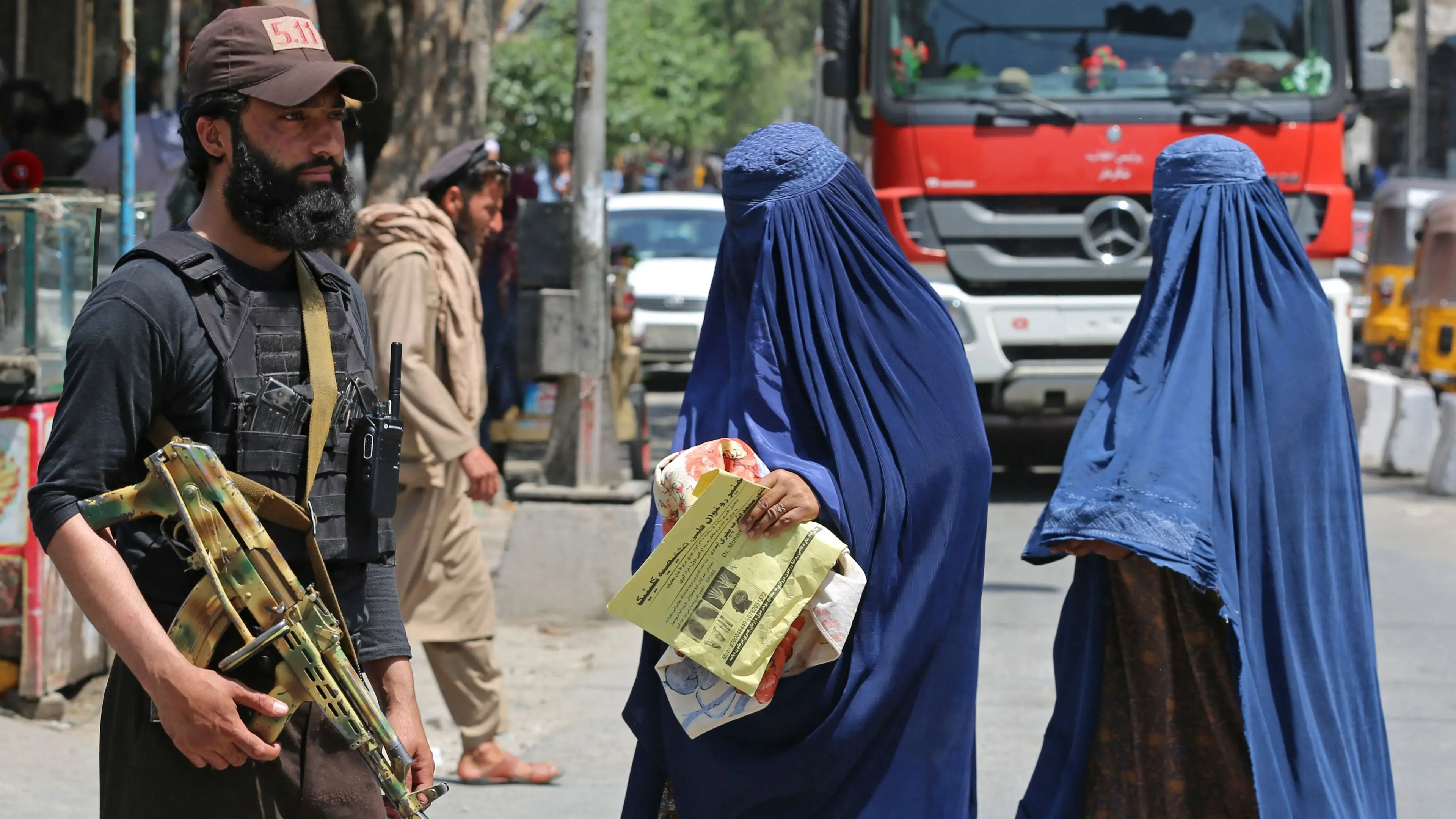
Afghanistan introduces new law further limiting women’s rights

A new law introduced in Afghanistan has prompted fresh concerns over the rights of women and girls, with UN Women warning it marks another alarming shift under the country’s de facto authorities.
The statement, issued by UN Women’s Special Representative in Afghanistan, Susan Ferguson, comes as the country approaches five years since the Taliban takeover in 2021.
Since returning to power, the Taliban has faced widespread international condemnation over its treatment of women and girls, including restrictions on education, work, movement and public life.
Now, attention has turned to Decree No. 18, which was published by the de facto Ministry of Justice on 14 May 2026.
Advert
According to UN Women, the decree sets out conditions around separation from a spouse, but has raised serious concerns around child marriage and consent.
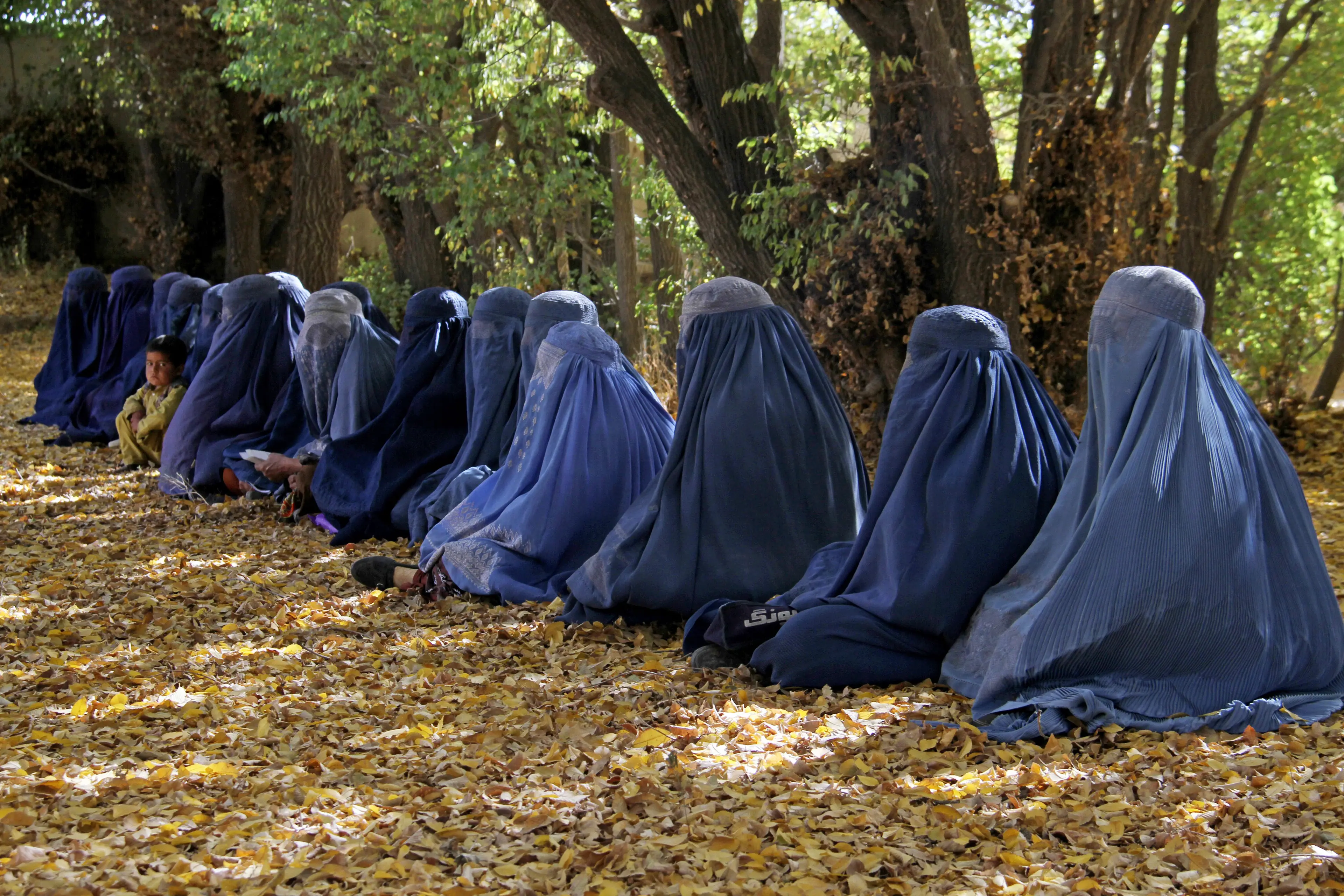
The organisation says the decree breaks from laws that were in place before the Taliban takeover, which set a minimum age for marriage and criminalised forced and child marriage.
By contrast, Decree No. 18 does not set any minimum age of marriage.
Instead, the decree outlines how a child marriage can be invalidated, or how a child forced to marry could seek an annulment, but only after they reach puberty. UN Women has warned that this risks suggesting child marriage is permitted in Afghanistan, and could further normalise the practice.
In its statement, the organisation said: “Decree No. 18, issued by the de facto authorities in Afghanistan, is another serious development that will further undermine the rights and safety of Afghan women and girls.”
The decree has also sparked concern over women’s ability to separate from a spouse, with UN Women saying it creates more complex legal barriers for women than men.
According to the organisation, women may be required to provide multiple witness testimonies to support a request for separation. In some cases, a husband may also be able to override his wife’s separation claim with a statement, or through lack of consent.
UN Women said the decree once again highlights that men and women are ‘no longer equal before the law’ in Afghanistan.
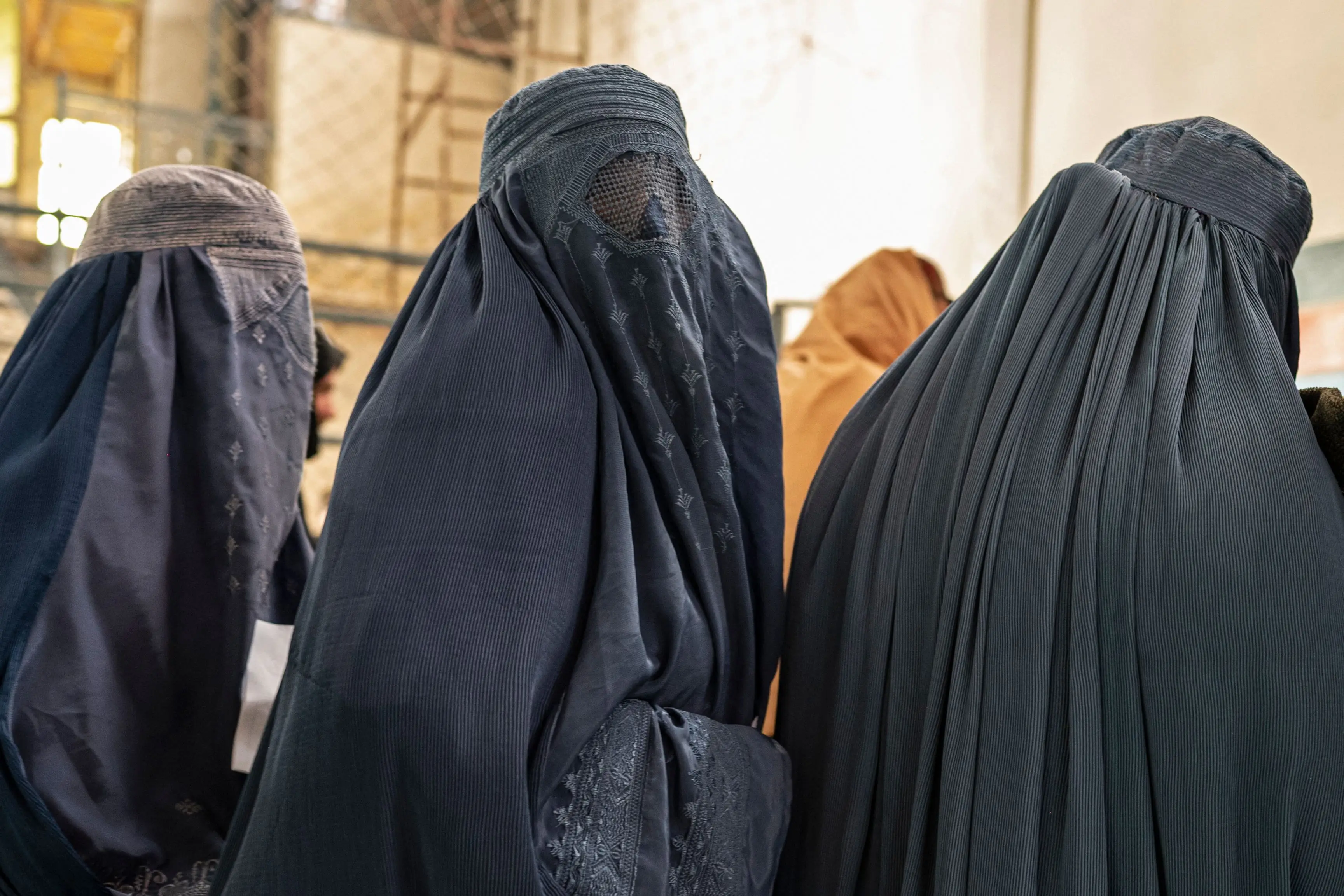
It also referenced Decree No. 12, issued in January, which it said had already confirmed the worsening legal position of women in the country.
Ferguson’s statement added: “Afghan women and girls have the right to live free from violence and discrimination.”
“They are entitled to dignity, safety, freedom of movement, and participation in public life.”
UN Women said legal frameworks must uphold equality before the law, protect women from all forms of violence, and ensure meaningful access to justice without discrimination.
The organisation has now called on Afghanistan’s de facto authorities to ensure all laws and policies protect the rights of women and girls.
It said this should be done in line with the human rights treaties and conventions to which Afghanistan is a party.
The decree is the latest in a string of measures imposed in Afghanistan, which have severely impacted women’s lives, freedoms, and access to public spaces — including women being classified as ‘slaves’ and the legalisation of domestic violence.
Topics: World News, News, Politics
 Ben Williams