The US 'blue wave' could change the political landscape for women across America — finally

The Democrats have just flipped US Congress in what Reproductive Freedom for All, one of the US’ largest abortion rights groups, is calling a win for candidates campaigning for reproductive rights, as well as what many see as a win for Democratic checks and balances on Trump’s administration.
I woke up at 3am in Manchester to check the results on my phone and felt a surge of optimism watching the blue wave happen in front of my eyes.
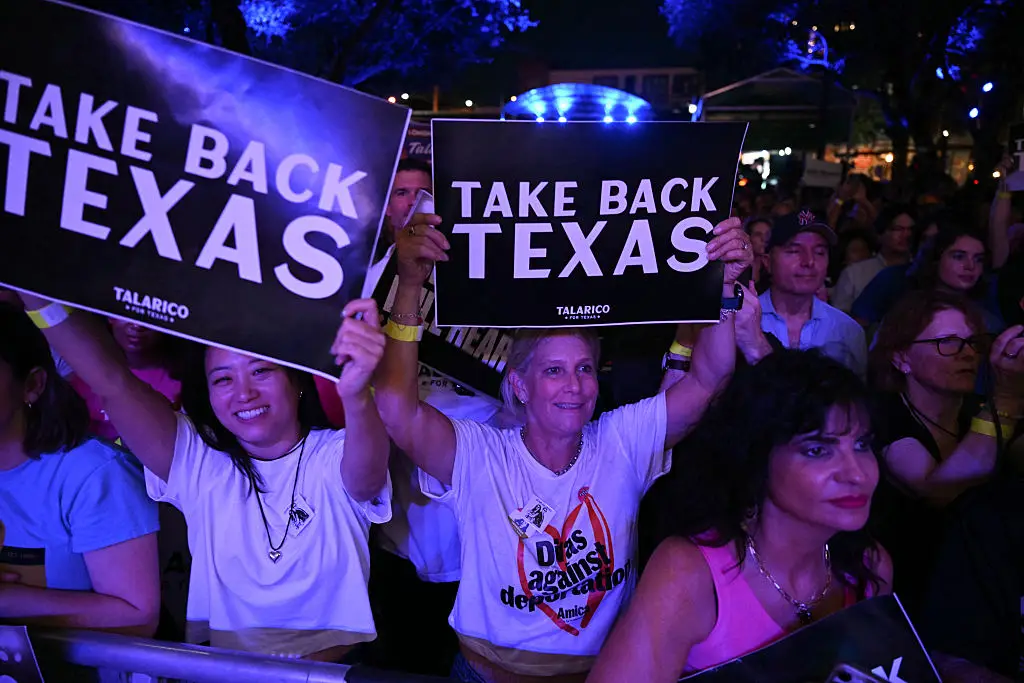
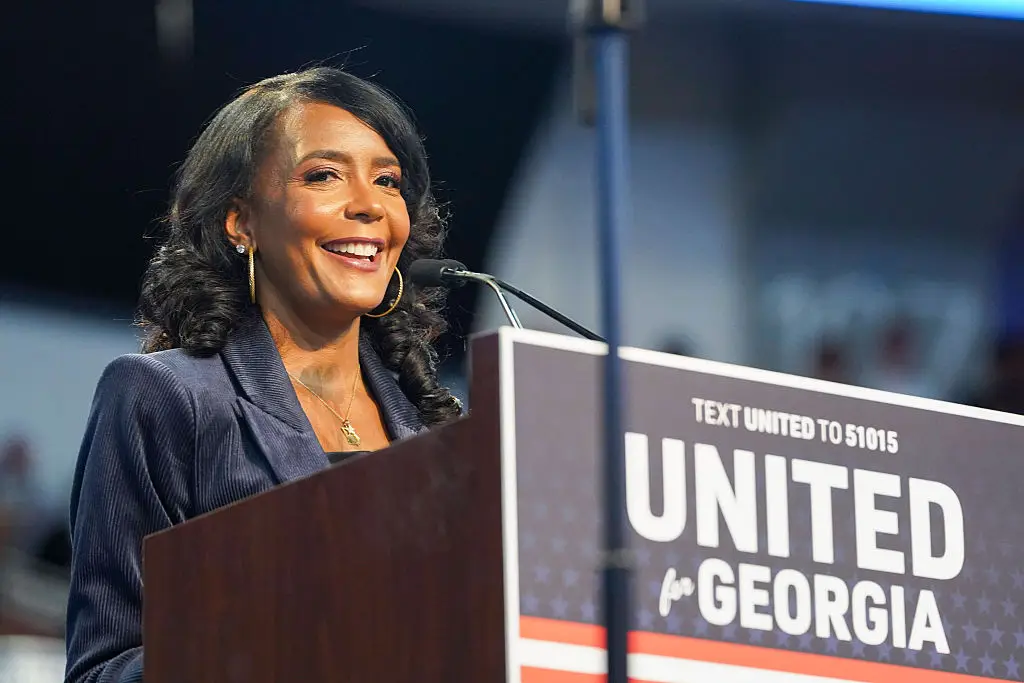
Not only did the Democrats regain control of Congress, but we are also witnessing history for women in politics: Democrat Keisha Lance Bottoms of Georgia became the first Black woman ever elected as governor in US history; Deb Haaland became the US’s first Native American female governor; Gina Hinojosa became Texas’ first Hispanic female governor and Peggy Flanagan has become the first Native American female elected to the US senate.
While it’s early stages in terms of voter turnouts, there is no denying that women are at the centre of these elections, with 56% of early voters in Georgia being women, according to statewide demographic data.
Advert
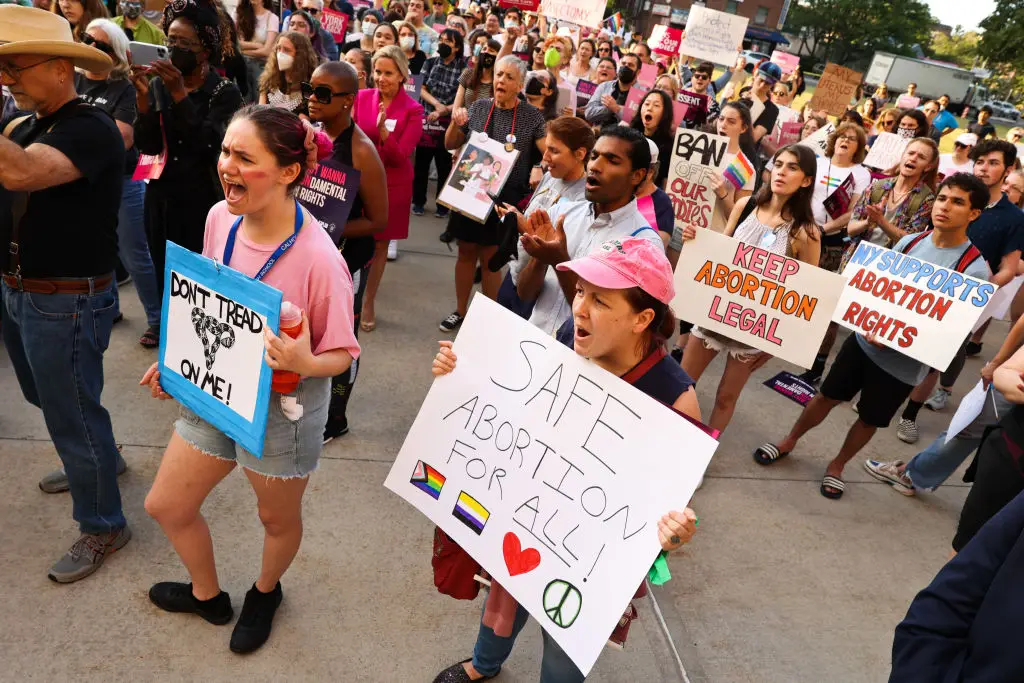
We are also making our voices heard with the biggest inroads coming in reproductive healthcare, as abortion rights won three out of four states in which they were on the ballot.
In Virginia, more than 61% of voters approved writing reproductive rights into the state constitution, protecting contraception, fertility treatment and abortion access. The constitutional amendment was on the same ballot as their US Senate race, which Democratic senator Mark Warner won comfortably.
The significance of these being on the same ballot is worth noting as it boosts voter turnout, especially when anti-abortion Republican candidate Bert Mizusawa was on the ballot. In 2010, he stated his belief that abortion should not be allowed under any circumstance, saying, per The Virginian-Pilot: “I think if you’re pro-life, you’re pro-life.”
Over in Minnesota, Peggy Flanagan is set to continue building on her reproductive rights record. Whilst she was lieutenant governor, Flanagan championed the Protect Reproductive Options (PRO) Act, which made Minnesota one of the first states to write into law the right to abortion, contraception and reproductive healthcare after Roe fell.
The PRO Act recognises women's fundamental right to choose, with Flanagan now taking this to Washington, stating: “In the Senate, I’ll fight to make what we did here in Minnesota the law of the land.”
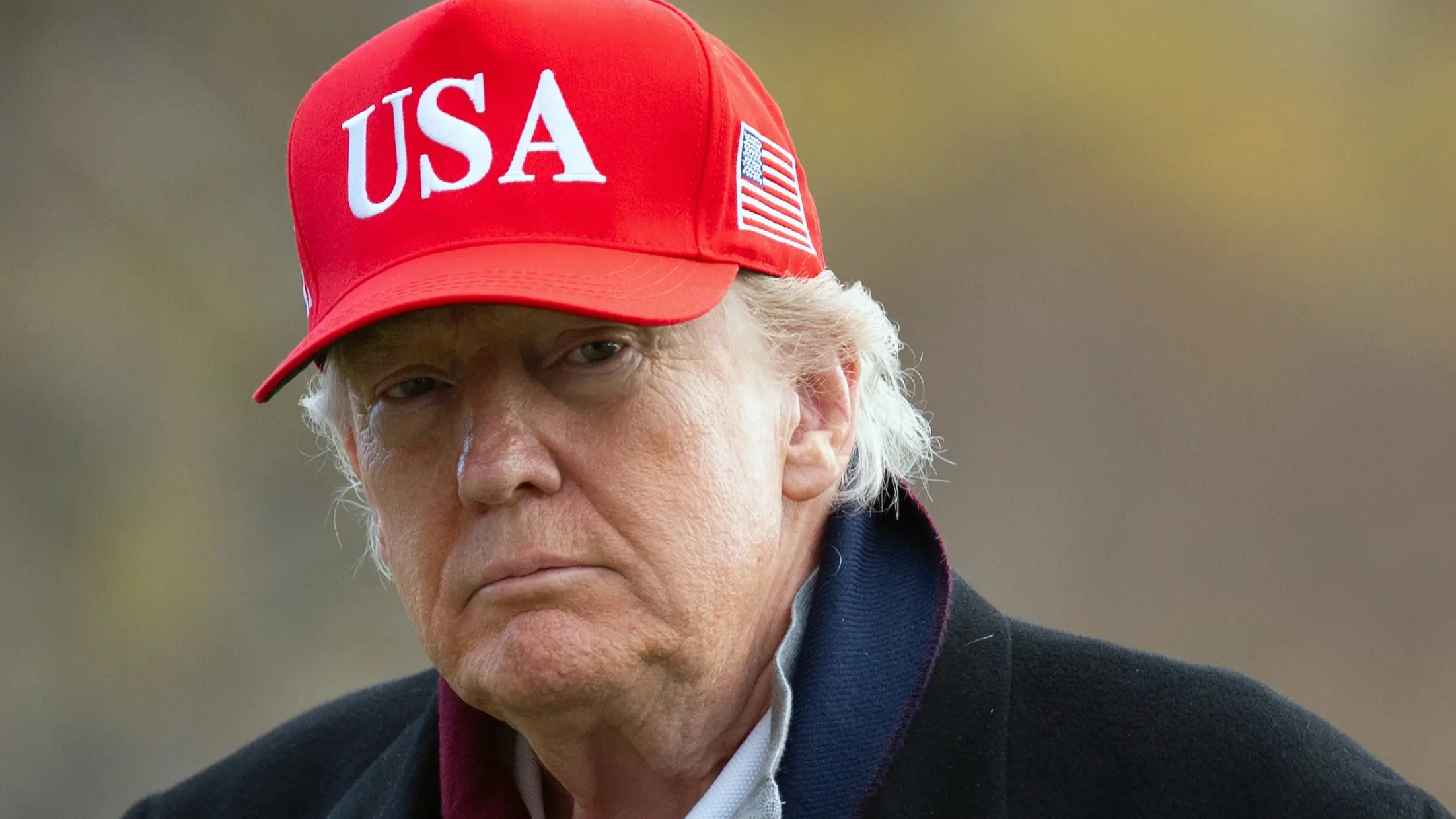
But how far she gets will depend on one man: US President Donald Trump.

Wins like these show what is possible at a state level, but how they translate at a federal level looks a little different. A state constitution or law only protects women in that state. Since the Supreme Court overturned Roe v Wade in 2022, there has been no nationwide right to abortion.
The only way to bring this right back is for Congress to pass a federal law, however, Trump still holds the executive power, including the power to veto the law.
The Democrats have promised to pass the Women’s Health Protection Act, a bill that would restore abortion rights nationwide. It would prohibit restrictions such as mandatory waiting periods, ultrasounds and abortion bans before viability.
Whilst Roe v Wade won’t be reinstated, the foundations of the 1973 Supreme Court ruling can be found within the Women’s Health Protection Act. With the current Republican-controlled Congress (new Democratic Senators will be sworn in in January 2027), this Act had no chance.
Since Roe fell in 2022, the US will finally have a Democrat-controlled Congress who can start putting the cogs in motion.
This, of course, will take time. It will likely pass the House of Representatives as it only needs a simple majority, although when this will be put in front of them has not been confirmed. House Democrats have pledged to vote on it within their first 100 hours once the new Congress is sworn in on 3rd January 2027.
It is the Senate where it will become more difficult.
Most bills within the Senate need 60 senators to get past a filibuster, and the Democrats are at 54 seats, with only two left to be announced at the time of writing. If it goes beyond the Senate, Trump could veto it. The Women’s Health Protection Act could be a key campaign issue for 2028.
The fight isn't over, however.
Anti-abortion groups have argued that their Republican allies have gone soft and are pushing for the Trump administration to act without Congress, including a requirement for women to have to see a doctor to receive abortion pills, as opposed to just in the post. A Democratic Congress can’t simply block that.
It’s worth noting that even though we’re all riding the blue wave of hope, not every state saw a win for people with uteruses.
Idaho has one of the strictest abortion bans in the country and during this election, 56% of voters rejected a measure that would have protected abortion rights. Republican governor Brad Little signed that ban into law in 2020, and he was just comfortably re-elected.
So, is this a win for women?
Well in many ways, and in my opinion, yes. Women made history both as voters and representatives. The Democrats now have the power to block legislation, control spending and try to protect women’s fundamental rights.
The outcome of the US midterms spills onto our feeds and can shape campaigners at home in the UK. Back in April, England and Wales decriminalised abortion, meaning no one can be prosecuted for ending their own pregnancy and can access abortion pills at home - something that anti-abortion US activists are trying to restrict.
According to NatCen, people in the UK are more likely to push for abortion legalisation than those of the US, with 86% of people in the UK feeling that abortion should be legal in most cases, compared to 63% of people in the US. This doesn't stop the flow of anti-abortion messaging reaching UK platforms however, which is why what happens in Washington matters here too.
American voters have used their votes to fight back, and the next two years will see how far that can go.
Topics: US News, Politics, Women's Health, Donald Trump
 Maddie Lily