
How to tell if you’ve got mpox and not just the flu

A warning has been issued after scientists in England revealed they have found a new strain of mpox, previously known as monkeypox.
The new strain hat's been identified was found in a person who had recently travelled to Asia, the UK Health Security Agency (UKHSA) said.
Officials shared that they found a 'new recombinant mpox virus', which means it has genetic material from different viral strains.
Meanwhile, the UKHSA said that genomic sequencing showed that the mpox genome contained elements of Clade Ib and IIb mpox, which are two distinct genetic groups of the mpox virus that we already know about.
Advert
This news has come at a time when a lot of us are unwell anyway with common illnesses like the winter cold and flu, which shares similar symptoms.
So, to help you understand the difference between the two, here's everything you need to know about both mpox and the flu.
What is mpox?
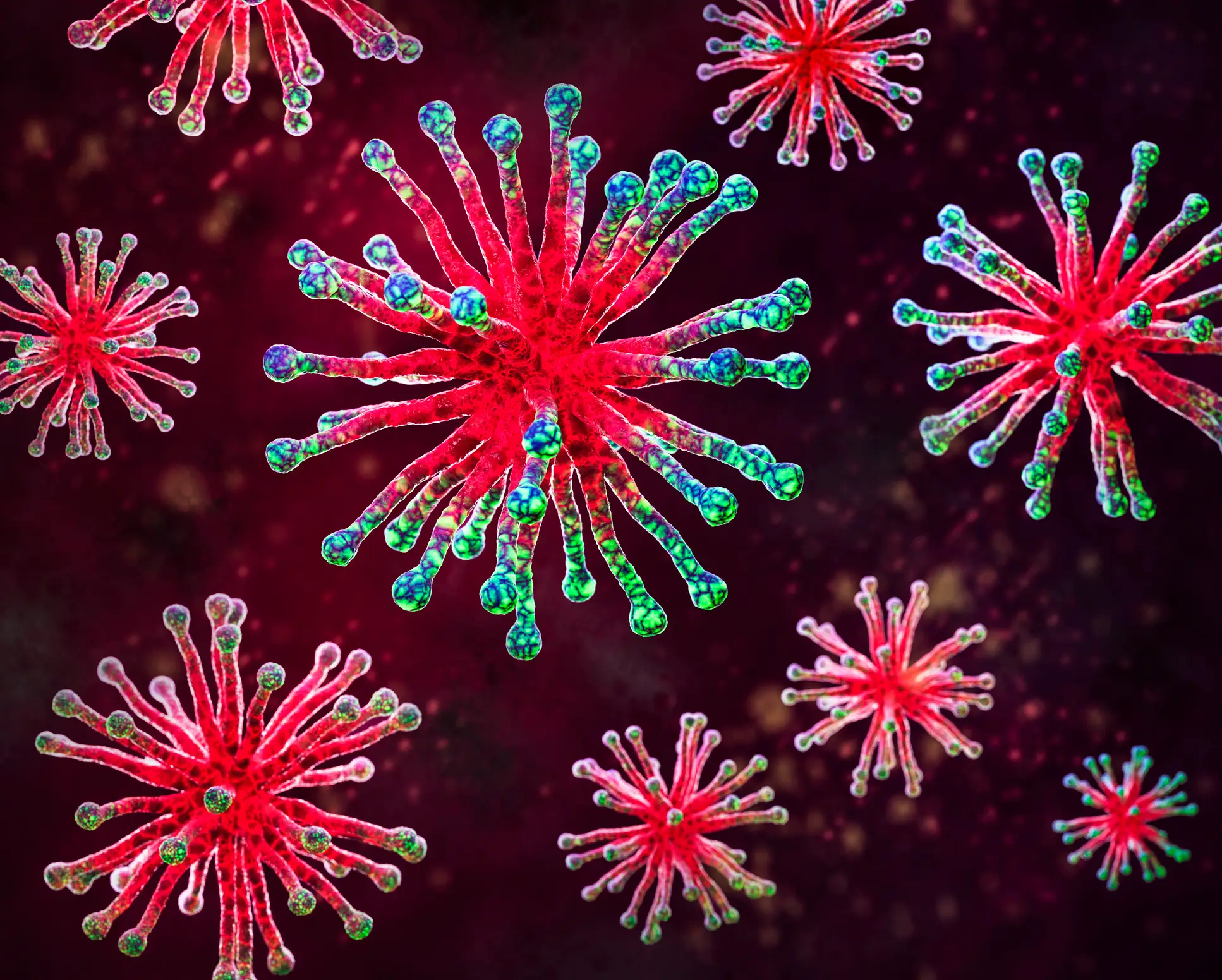
For those who need a reminder, mpox is a a rare infection that usually causes a rash and flu-like symptoms, and is most commonly found in areas of both central and east Africa.
As per the NHS, the risk of catching it in the UK is low for most people and there have been a small number of cases of mpox in the UK since 2022.
As mentioned earlier, there are 2 types of mpox, called Clade 1 and Clade 2.
Clade 1 mpox is most commonly found in parts of central and east Africa while Clade 2 mpox is found at low levels in many countries around the world.
The cases in the UK have mainly been Clade 2 mpox and there have been a very small number of Clade 1 mpox cases.
Speaking about the new strain, Dr Katy Sinka, head of sexually transmitted infections at UKHSA, said: “Our genomic testing has enabled us to detect this new mpox strain.
“It’s normal for viruses to evolve, and further analysis will help us understand more about how mpox is changing.
“Although mpox infection is mild for many, it can be severe. Getting vaccinated is a proven effective way to protect yourself against severe disease, so please make sure to get the jab if you are eligible.”
The NHS offers the mpox vaccine to those deemed a higher risk of catching the virus, such as men who have sex with other men and have multiple partners.
UKHSA said it will 'continue to assess the significance of the strain'.
How to tell if you've got mpox, not the flu
- The symptoms of the flu are listed on the NHS website as:
- a sudden high temperature
- an aching body
- feeling tired or exhausted
- a dry cough
- a sore throat
- a headache
- difficulty sleeping
- loss of appetite
- diarrhoea or tummy pain
- feeling sick and being sick
While the first symptoms of mpox can include:
- a high temperature, or feeling hot, cold or shivery
- a headache
- muscle aches
- backache
- swollen glands
- shivering (chills)
- exhaustion
- joint pain
Now, as you can see, there's quite a lot of crossover between both symptom lists so it can be difficult to differentiate between the two.
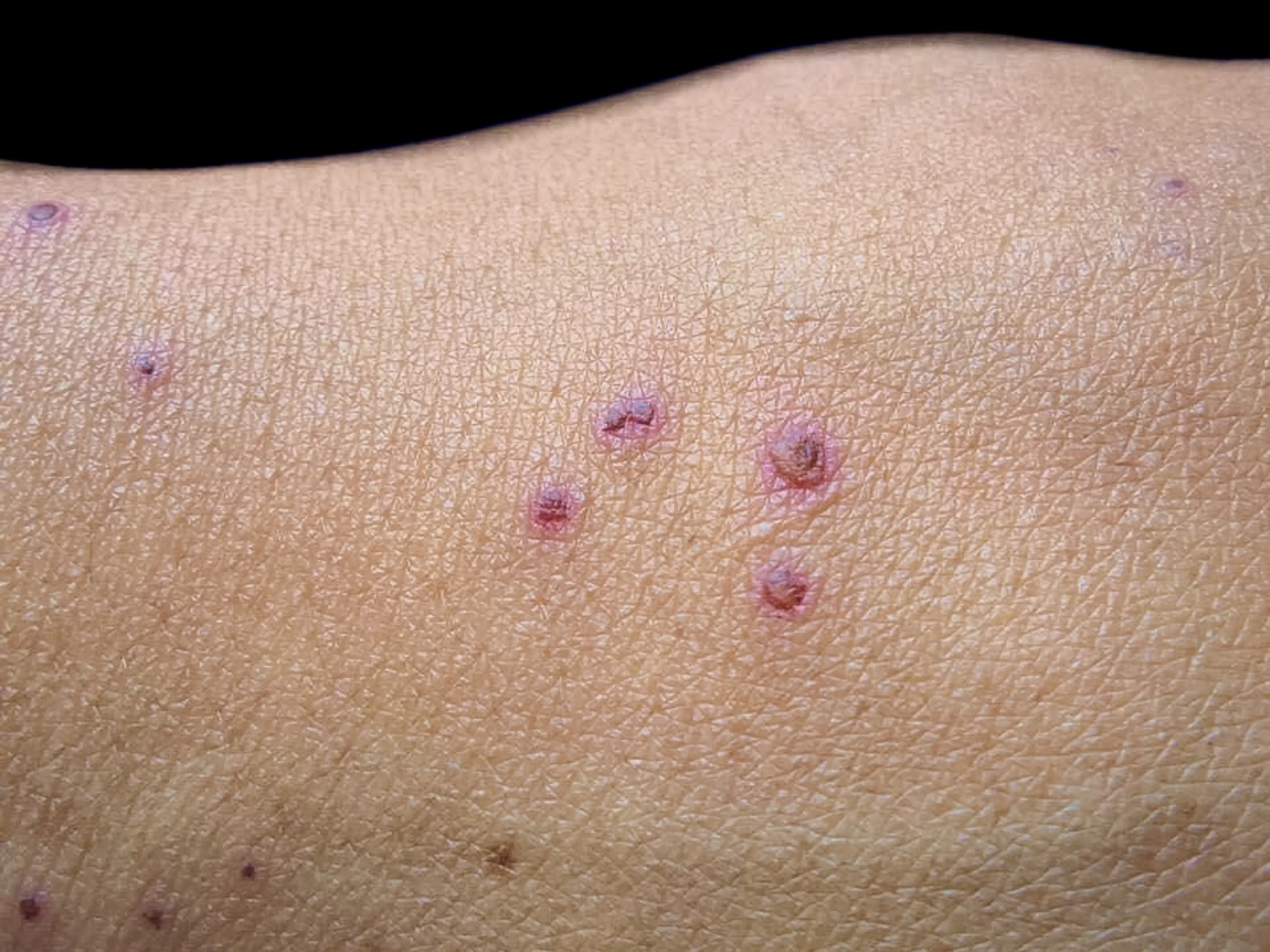
However, there is one key thing to look out for - a characteristic rash that progresses from lesions to fluid-filled blisters, usually lasting two to four weeks, as reported by The Independent.
This isn't a symptom of the flu so is an important indicator that you're likely dealing with another health concern, potentially mpox, although remember it is rare so this also may not be the case.
The NHS outlines that the mpox rash usually appears between one and five days after the first symptoms and it can be on any part of the body, including the palms of the hands, soles of the feet, mouth, genitals and anus.
You may also have anal pain or bleeding from your bottom and the rash is sometimes confused with chickenpox.
It starts as raised spots, which turn into sores or small blisters filled with fluid, which eventually form scabs and later fall off.
The symptoms usually clear up in a few weeks, however, while you have symptoms, you can pass mpox on to other people.
If you think you have mpox, the NHS advises calling 111, and staying at home and avoiding close contact with other people, including sharing towels or bedding, until you've been told what to do.
Topics: Health, Life, World News, UK News
 Madison Burgess