Trump threatens NATO's future if allies don't help secure the Strait of Hormuz

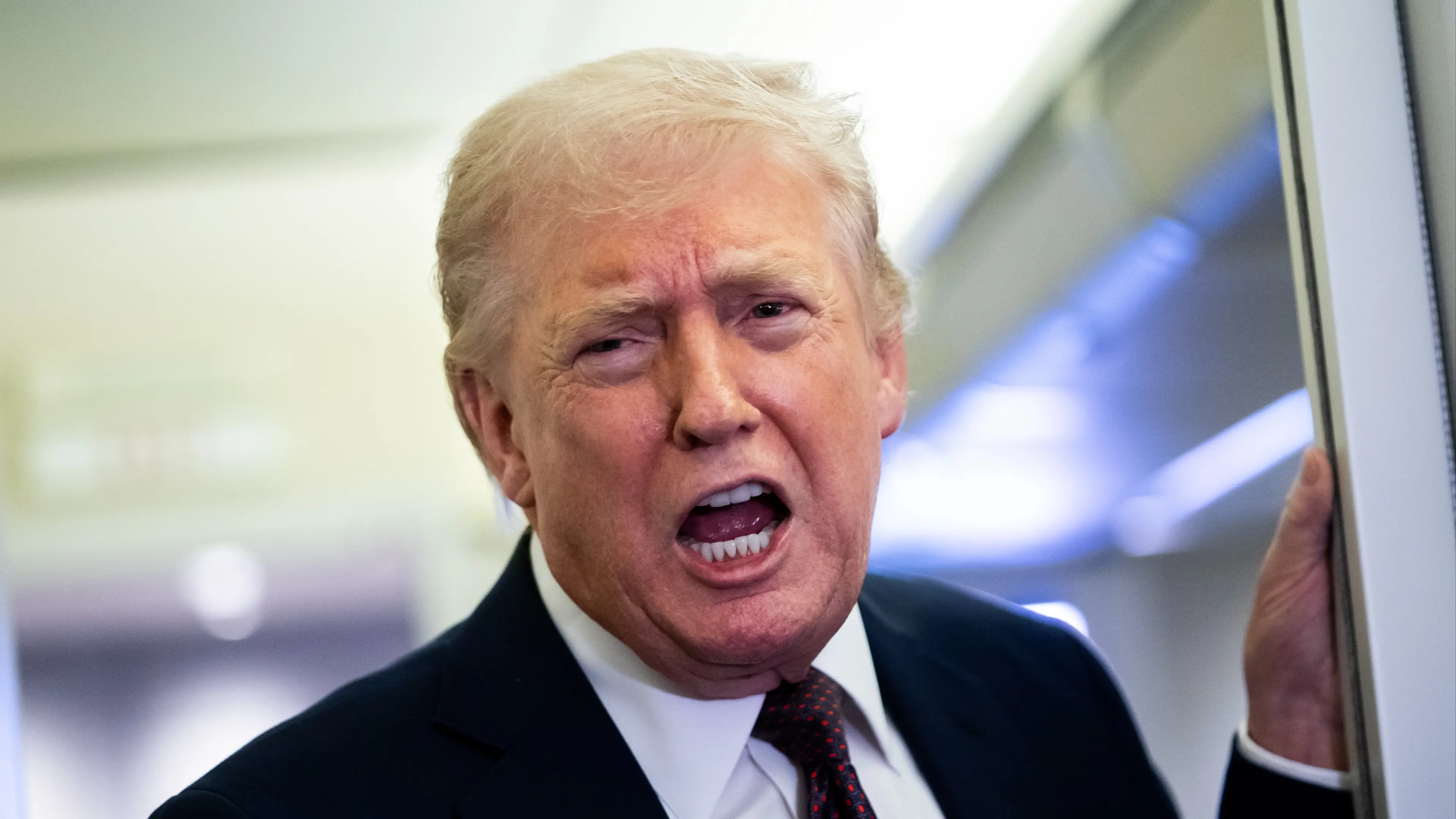
Donald Trump has warned NATO leaders that their failure to aid his acquisition of the Strait of Hormuz would prove 'very bad for the future' of the alliance.
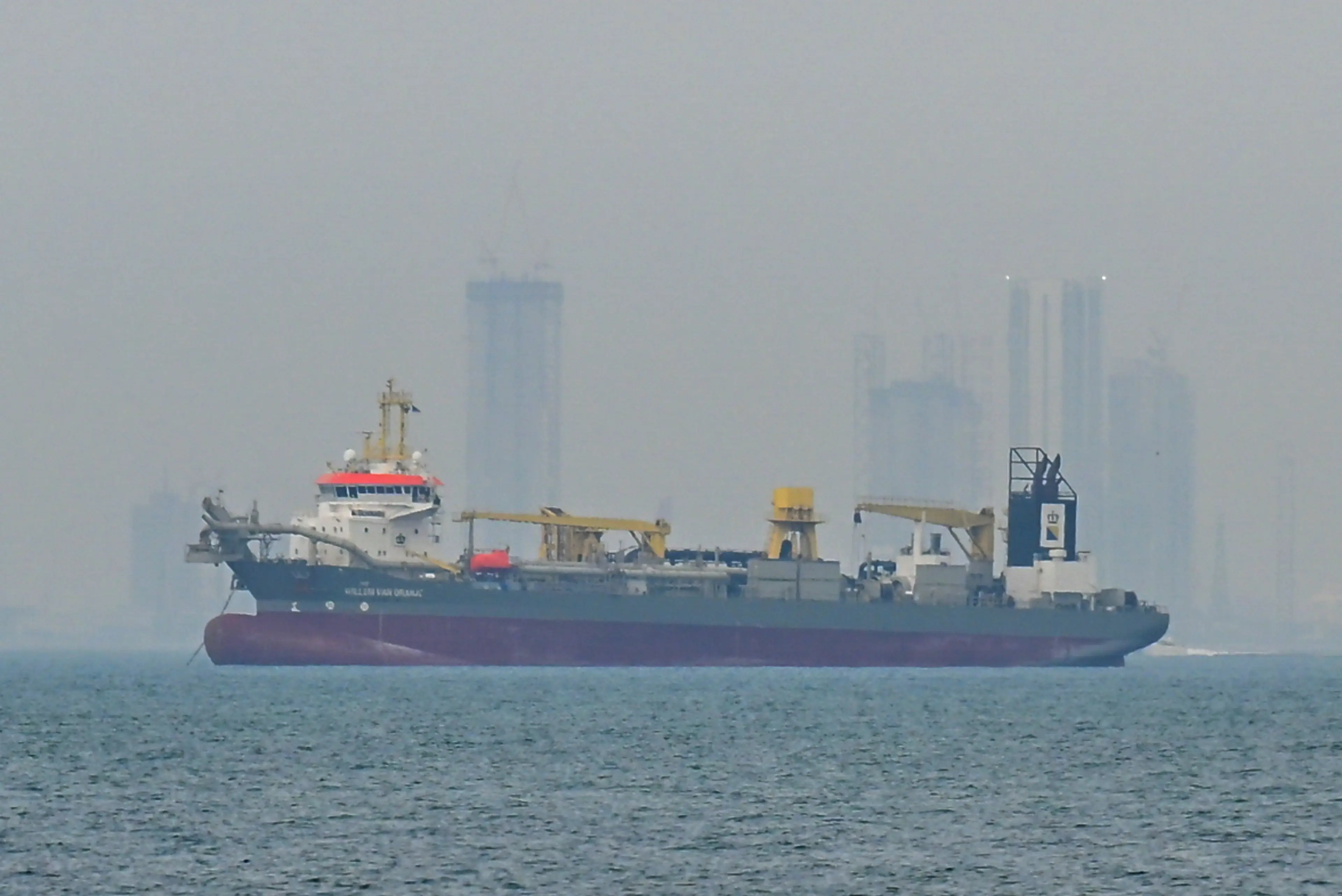
Speaking to the Financial Times from Air Force One this weekend, the US President discussed the ongoing fight for the waterway - located between the Persian Gulf and the Gulf of Oman - which is critical in shipping oil around the world.
Trump, 79, claimed he's in conversations with 'about seven' countries about 'policing' the vital area, emphasising that he 'will remember' if these leaders fail to step up in the coming weeks.
He opted not to name these nations directly, but brought up the NATO alliance, claiming a lack of response from fellow members could be 'very bad for the future of' the group. Trump also attempted to remind his European allies that the US has been 'very sweet' to them in the past.
Advert
Trump's NATO threat:
"We didn’t have to help them with Ukraine. Ukraine is thousands of miles away from us," he explained. "But we helped them. Now we’ll see if they help us.
"Because I’ve long said that we’ll be there for them, but they won’t be there for us. And I’m not sure that they’d be there."
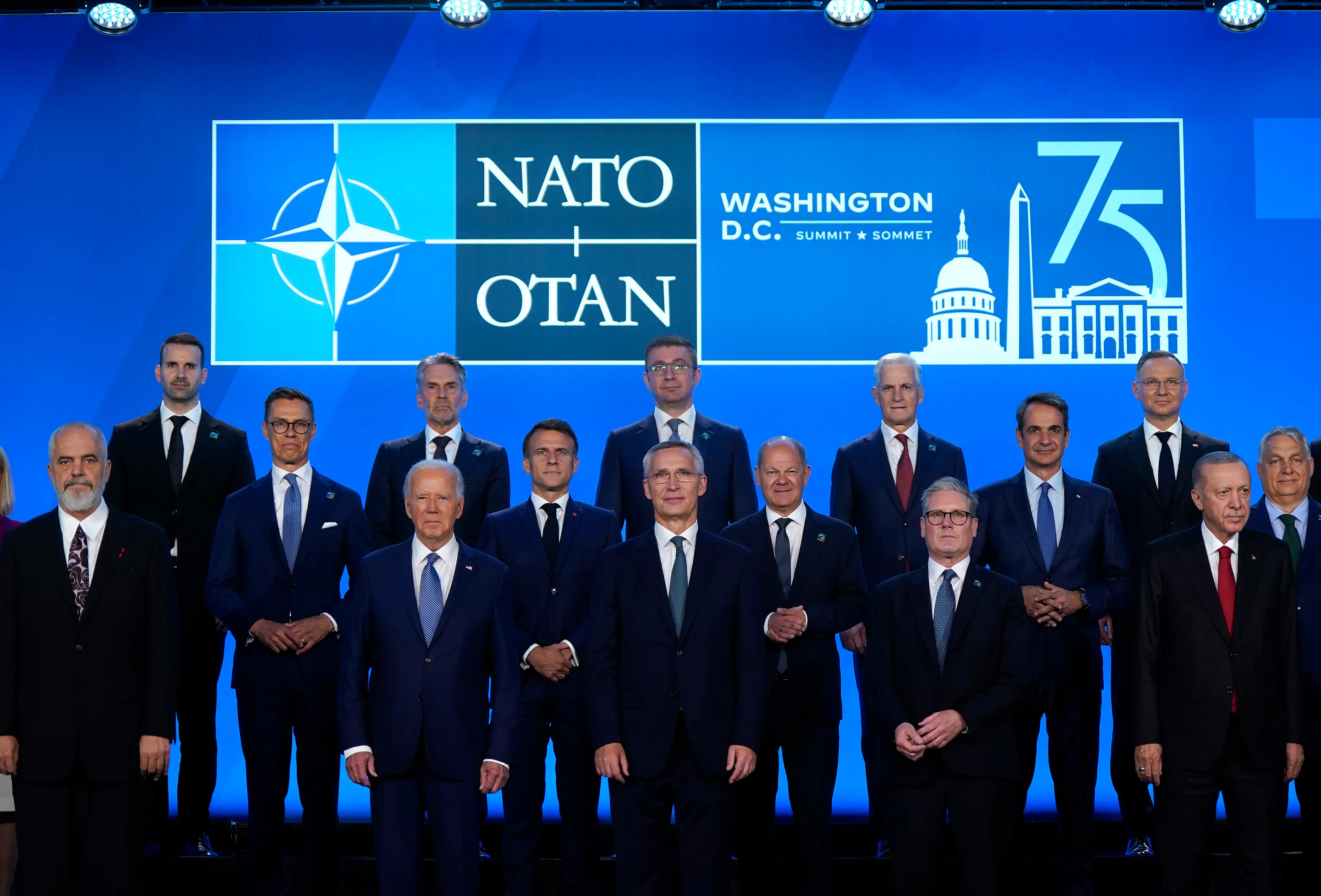
As a reminder, the US joined 11 other countries in founding NATO - Belgium, Canada, Denmark, France, Iceland, Italy, Luxembourg, the Netherlands, Norway, Portugal, and the United Kingdom. It now contains a total of 32 members.
The Republican frontman went on to insist that other countries need to 'defend their own territory', adding that it was 'only appropriate' for these nations to benefit from his takeover and reopening of the Strait.
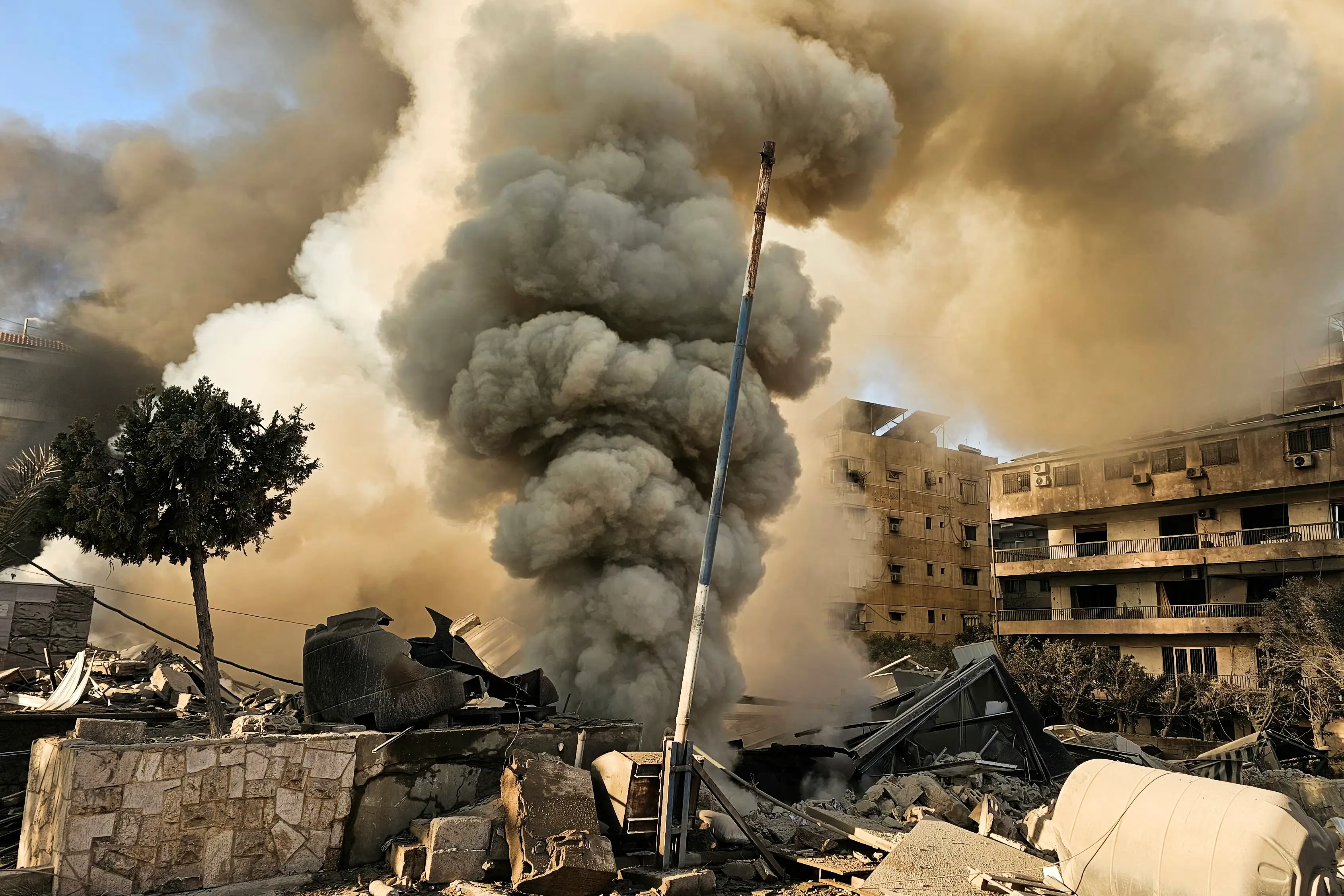
Shipments of oil through the area have remained at a standstill since Iran responded to missile attacks launched by US-Israeli troops last month by firing drones of their own across Israel, Bahrain, Kuwait, Qatar, the United Arab Emirates, Jordan and Cyprus.
This has triggered a staggering surge in fuel prices across the world.
Iran's response:
Despite this, Iranian Foreign Minister Abbas Araghchi has insisted his country doesn't see 'any reason why we should talk with [the] Americans' about the prospect of a ceasefire that would see oil transportation routes reopened, 'because we were talking with them when they decided to attack us'
His fellow government leaders have also threatened to attack any ship it considers linked to Trump's mission.
In his latest statement, however, the President also called upon China for assistance in attaining the Strait of Hormuz, threatening to postpone his upcoming meeting with Xi Jinping if the Chinese leaders fail to pledge their support to America's mission.
He also issued Japan and South Korea with similar warnings.
An update from the UK:
It was confirmed on Sunday (15 Mar) that Trump has spoken specifically to UK Prime Minister, Sir Keir Starmer, about the importance of ending the 'disruption to global shipping' by the US reopening the Strait.
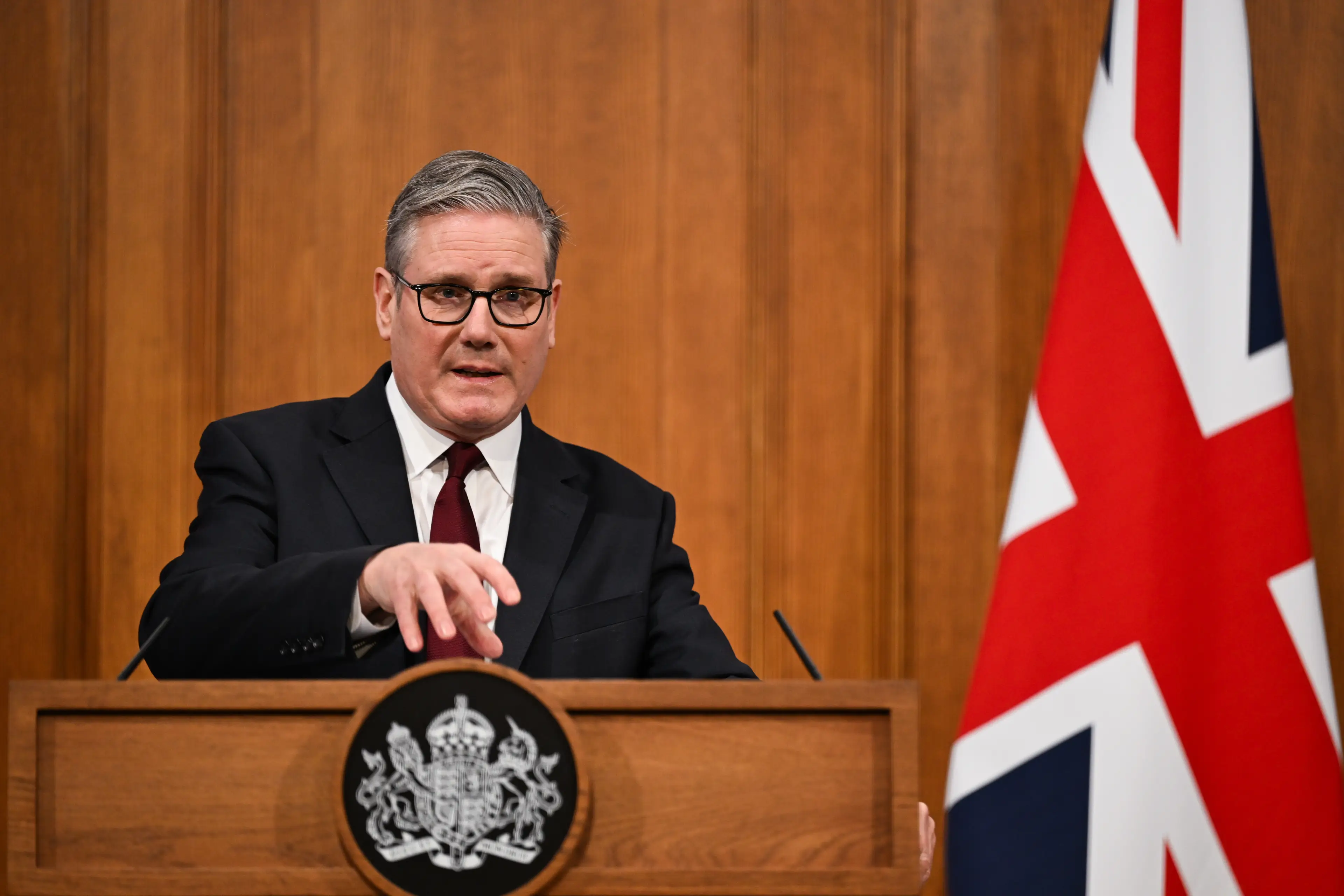
In a Downing Street press conference held less than an hour ago, Starmer insisted the Strait needed to be reopened to 'ensure stability in the markets'.
Whilst not explicitly stating he agreed with Trump's mission, the PM added that the UK would continue working alongside 'all our allies' to contrive a 'viable plan' to see oil transportation freed up again.
"Ending war is the quickest way to reduce the cost of living," Starmer added, emphasising, however, that the mission is not the responsibility of NATO.
The Labour leader also discussed his 'good relationship' with Trump, adding that he and the American had a 'good discussion yesterday about the Straits'.
"We are strong allies; have been for decades," he continued. "But it is for me to act in what I consider to be the best interest of Britain."
Pat McFadden, the UK's Work and Pensions Minister, agreed with Starmer that the NATO alliance was not formed on the basis of involvement in the 'kind of situation that we're seeing in the Middle East'.
He added that his team are 'deeply committed to NATO', and that the ongoing conflict is 'not a NATO war', but 'US-Israeli action'.
Other responses from NATO leaders:
Several other NATO allies have also responded to Trump's latest call to action.
Johann Wadephul, Germany's Foreign Minister, told the press: "I don't see that NATO has made any decision in this direction or could assume responsibility for the Strait of Hormuz. If that were the case, then the Nato bodies would address it accordingly."
Greece has also refused any military involvement in obtaining the waterway.
Topics: Donald Trump, US News, Iran, World News, News, Politics, Europe, UK News
 Rhianna Benson